
Scissor Seven Season 2
Second season of Cike Wu Liuqi.
📺Anime Details
📝Editorial Analysis
The rain in Scissor Seven Season 2 doesn’t fall—it stutters. One moment, Seven’s bare feet slap wet pavement as he sprints past neon-lit noodle stalls; the next, time fractures: a flicker of golden light, a blurred afterimage mid-air, his scissor-blade humming just before impact—then silence, except for the drip-drip-drip from a broken awning and the low, weary sigh he lets out when the fight ends not with triumph, but with him slumped against a wall, rubbing his temple like he’s trying to scrape memory back into place. That’s the heartbeat of it—not the action, but the pause after: breath catching, body remembering what the mind won’t.
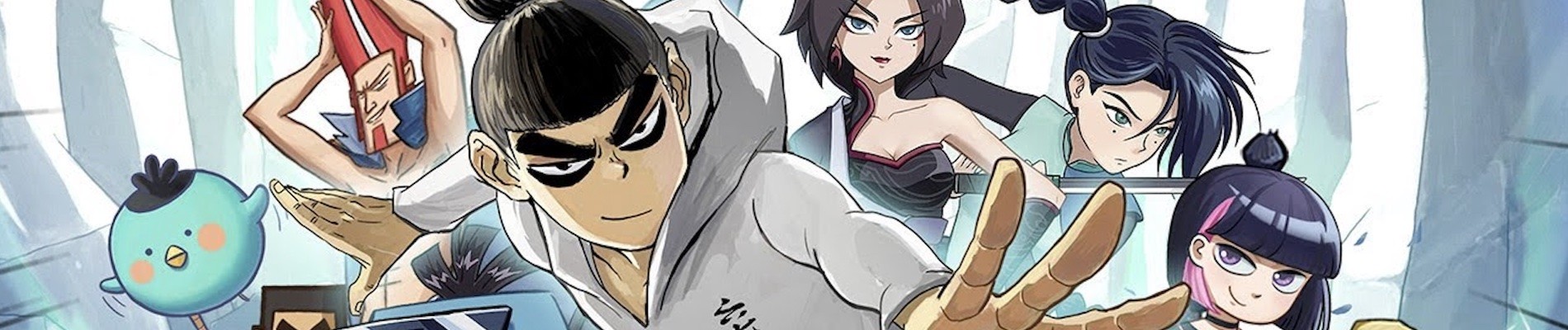
This isn’t just martial arts chaos or amnesia-as-gimmick. It’s the weight of cultivation without ceremony—the slow, unglamorous grind of power that arrives in fragments, not revelations. You feel the exhaustion in Seven’s shoulders when he wakes up disoriented in a stranger’s courtyard, the quiet dread when a familiar face triggers nothing but static. The supernatural isn’t spectacle here—it’s symptom: a tremor in the hand, a flash behind the eyes, a sudden, unearned certainty about how to break a man’s wrist. It makes you think about identity as something repaired, not recovered—stitched together from muscle memory, half-remembered voices, and the stubborn warmth of a friend handing you tea without asking why your knuckles are split again.
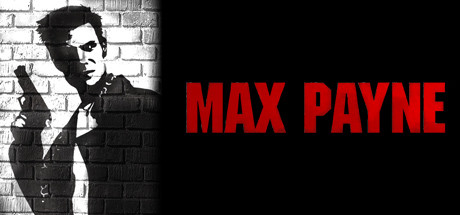
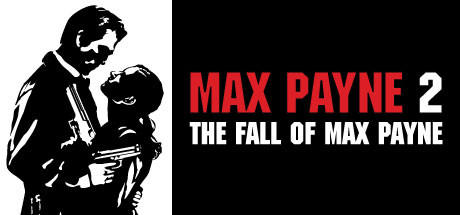
That emotional DNA pulses strongest in Max Payne and Max Payne 2: The Fall of Max Payne. Not because they’re about assassins or amnesia—but because both live inside the same bruised stillness. The description calls Max “a man with nothing to lose… fighting with his back against the wall”—exactly how Seven moves through the world: not invincible, but relentless, his body compensating for gaps in his mind. And the player review nails it: “Clearing a room full of enemies” feels less like victory and more like survival after the collapse—just like Seven’s fights end not with applause, but with him blinking rainwater from his lashes, wondering why his left hand remembers how to hold a scissor better than his name. Even the shared dimension—Mystery & Detective—isn’t about solving cases, but solving yourself: Max hunts truth through smoke and betrayal; Seven hunts himself through fractured echoes and silent dojos. Both ache with loneliness that hums, not screams.
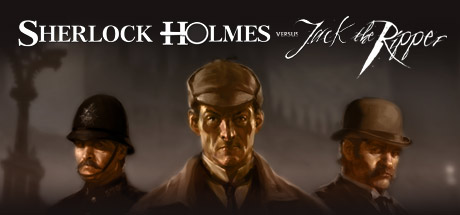
Then there’s Sherlock Holmes versus Jack the Ripper, where the description positions Holmes in “the most horrifying investigation of the series”—not because of gore, but because the horror is unfolding in real time, with no safety net of certainty. Like Seven, Holmes walks into fogged alleys knowing the rules have shifted, and every clue could be a trap laid by his own past. The player review confesses technical frustration—but that friction mirrors Seven’s experience: the world refuses to render clearly. Your PC stutters on an old Frogwares engine; Seven’s vision blurs mid-leap. Both are stories where the system itself feels unreliable—making trust physical, not intellectual. You don’t deduce the truth—you feel it in your bones before your brain catches up.
Who loves this? Not just fans of action or mystery—but people who recognize the relief in exhaustion. The ones who pause mid-gameplay not to reload, but to stare at rain on a windowpane in Max Payne 2, or who rewatch Seven’s silent walk home after a fight, just to sit with the quiet after. They’re the readers who underline sentences about hands remembering what minds forget. They don’t want power fantasies—they want presence: the weight of a scissor in a palm, the grit of pavement under bare feet, the way a detective’s coat flaps like a tired wing in wind that smells like gunpowder and wet brick. They love stories where the greatest superpower isn’t flight or fire—but showing up, again and again, even when you can’t remember why you started walking.
🎮10 Games That Match the Vibe

Match Dimensions Explained
❓Frequently Asked Questions
Why does Sherlock Holmes versus Jack the Ripper feel so much like Scissor Seven Season 2’s tonal whiplash?
Because both lean hard into noir-meets-absurdist contrast—Jack the Ripper’s grim Victorian dread clashes with sudden dark humor and over-the-top deductions, just like Seven’s brutal fight scenes cutting to deadpan noodle-shop banter. The game’s ‘deduction mode’ even mirrors Seven’s exaggerated inner monologues, where Sherlock slow-mos a blood spatter only to mutter something hilariously off-topic mid-analysis.
Is there a Scissor Seven video game adaptation?
No—not yet. There’s no official Scissor Seven game, which is why fans turn to titles like Max Payne 2: The Fall of Max Payne for that same blend of tragic action-hero swagger, stylized gunplay (bullet-time dives, room-clearing takedowns), and melancholic, voiceover-heavy storytelling—right down to the doomed romance echoing Seven and Cherry’s push-pull dynamic.
Max Payne vs. Sherlock Holmes versus Jack the Ripper—which one nails Scissor Seven’s mix of detective work and chaotic action?
Max Payne 2 wins hands-down for that specific vibe: it’s got the gritty mystery *and* the over-the-top, physics-defying combat Seven pulls off in episodes like ‘The Assassin Who Couldn’t Shoot Straight’. Sherlock Holmes leans heavier on methodical clue-hunting and lacks the kinetic, almost cartoonish violence—like Seven sliding under gunfire while chewing sunflower seeds—that Max Payne 2 delivers in every corridor shootout.
What’s the best game like Scissor Seven Season 2 if I want that ‘morbid but weirdly cheerful’ assassin energy?
Mata Hari—it’s got the double-agent deception, the constant identity-shifting, and that deliciously unstable tone where you’re seducing a general one minute and sabotaging his war plans the next, all while the soundtrack sways between smoky jazz and tense strings. It doesn’t have Seven’s slapstick, but its ‘TRUST NO ONE BUT YOURSELF’ tagline and morally slippery missions channel the same playful danger—especially when you trick two rival factions into blowing each other up, then wink at the camera.