
STAR WARS™ Jedi Knight - Jedi Academy™
Forge your weapon and follow the path of the Jedi Jedi Knight: Jedi Academy is the latest installment of the highly acclaimed Jedi Knight series. Take on the role of a new student eager to learn the ways of the Force from Jedi Master Luke Skywalker.
🎮Game Details
💬What Players Say
"(Playtime not logged on this platform.) 'JK: Jedi Academy' lets you build out a Padawan -- who is then thrust into a Galaxy-spanning adventure to help preserve the New Jedi Order! Truly the pinnacle of STAR WARS gameplay of the era, letting you fight in most any way that you want...."
"Good game, but it has a toxic player base, if you play mbII get ready for the learning curve and as*holes typing in chat"
"The Jedi Academy Experience (2026 Edition) Whether you’re a social butterfly or a lone wolf, this game is still very much alive. It remains one of the most insanely fun, competitive, and purely skill-based combat games ever made. If you want the best experience, here is the modern starter kit: 1...."
📝Editorial Analysis
The hum of your lightsaber ignites—not in a grand duel, but in the quiet hush of the Jedi Academy courtyard at dawn. You’re not Luke. You’re not even named yet—just a Padawan, barefoot on cool stone, watching the twin suns rise over Yavin 4 while Master Skywalker stands a respectful distance away, silent, waiting. That’s the first real breath of STAR WARS™ Jedi Knight - Jedi Academy™: not power, not destiny announced—but readiness, raw and unpolished, held in the space between instruction and instinct. The official description calls you “a new student eager to learn the ways of the Force”—not chosen, not prophesied, just there, holding a blade you built yourself, trembling slightly in your grip. One player calls it “the pinnacle” of being thrust into a galaxy-spanning adventure to help preserve the New Jedi Order—not seize it, not rebuild it alone, but help. Another says it’s still “insanely fun, competitive, and purely skill-…”—that dash hanging like a breath before impact.
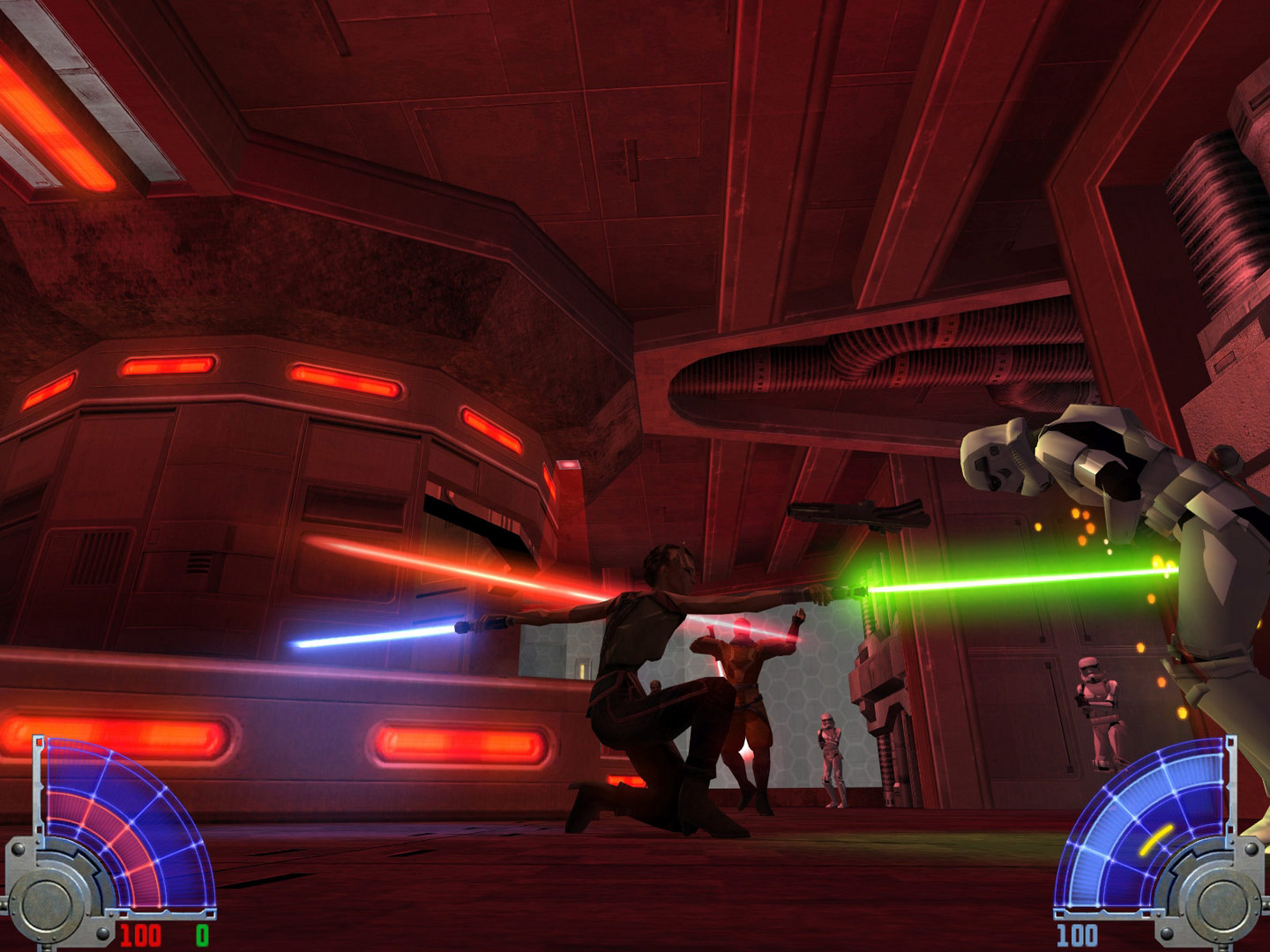
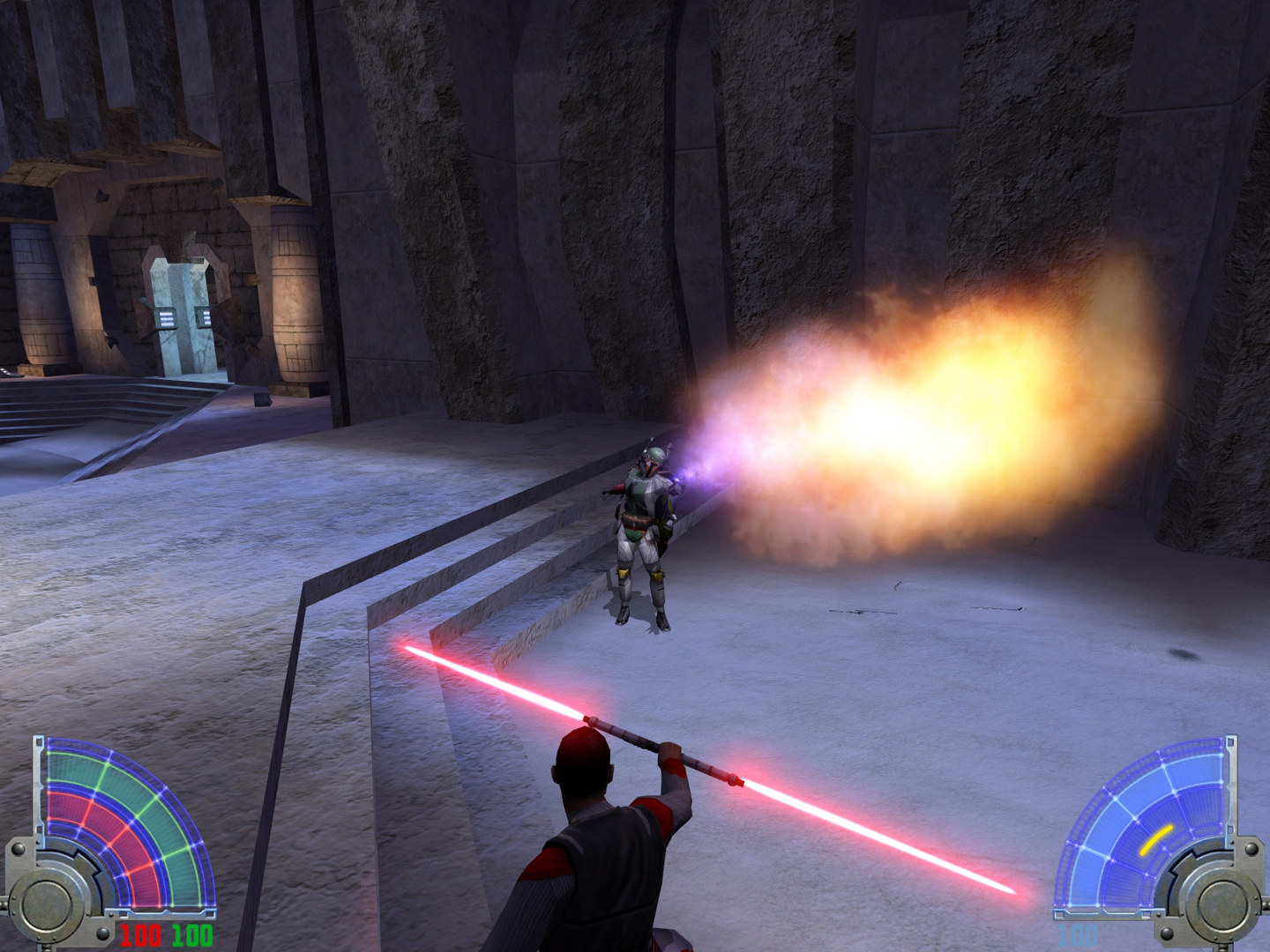
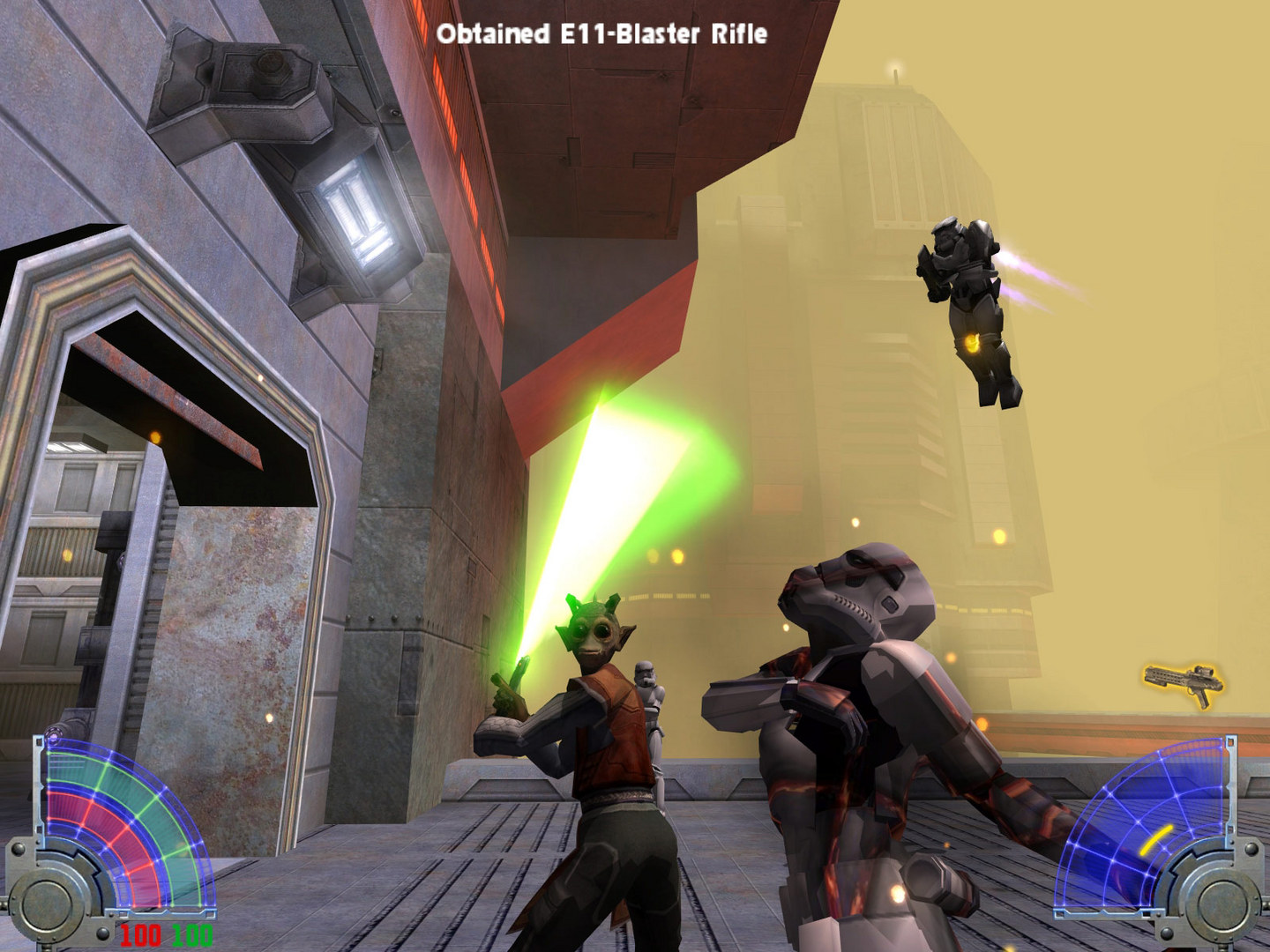
This isn’t about mythic weight or inherited legacy. It’s about becoming in real time—clumsy, earnest, sometimes humbled by a single mis-timed jump or a chat full of “asholes” mid-mission. The atmosphere lives in that tension: the serene weight of the Academy’s halls versus the sudden, brutal physics of a saber clash in a ruined temple; the warmth of mentorship undercut by the chilling efficiency of the Dark Side’s lure—not as seduction, but as convenience. You think about consequence not in galactic terms, but in muscle memory: how long it takes to parry a red blade after sprinting up a slope, how your stance shifts when outnumbered, how silence before a fight feels different when you’re still learning what silence means. It’s vulnerable. It’s imperfectly heroic. And it’s alive*—not as nostalgia, but as a server humming at 3 a.m., where a lone wolf and a social butterfly both respawn at the same training dais, breathing hard, lightsabers flickering back to life.
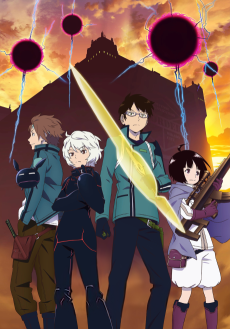
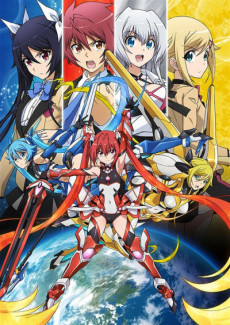
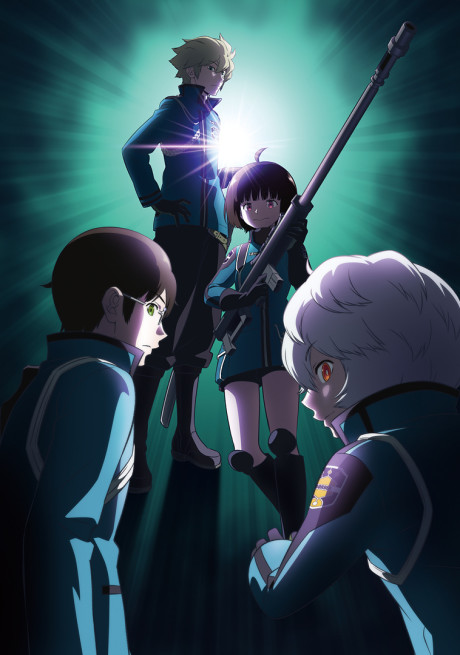
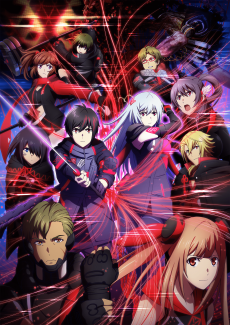
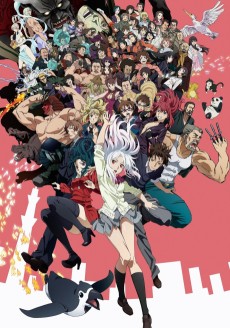
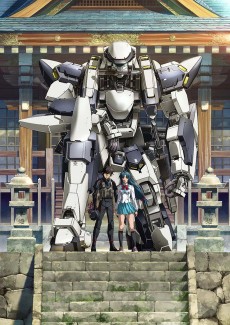
World Trigger 2nd Season resonates because both treat combat as tactical architecture: every dash, every shield pulse, every repositioning is a decision with spatial consequence. In Jedi Academy, your saber isn’t just swung—it’s angled, blocked, deflected based on opponent height, weapon length, terrain slope—just like Trion soldiers calculating vector angles mid-air. The shared dimension isn’t flash, but precision under pressure, where spectacle emerges from split-second geometry, not choreography.
Final Fantasy VII: Advent Children shares that same weighty urgency—not in story, but in motion. Cloud’s gravity-defying leaps land with thud and recoil; his sword drags air like steel through water. So does your lightsaber in Jedi Academy: swings have inertia, jumps arc with believable momentum, Force pushes shove dust and debris and your own footing. Both reject weightless spectacle. They make power feel earned, physical, exhausting. That’s why the “Action Spectacle” dimension clicks—not because things explode, but because every explosion matters to your stance, your stamina, your next move.
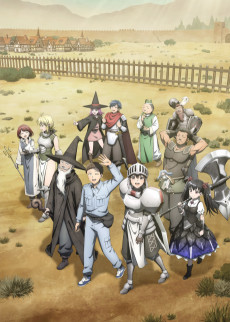
Go! Go! Loser Ranger! Season 2, at first glance absurd beside a Star Wars title, nails the tonal whiplash that defines Jedi Academy’s soul: one moment you’re meditating beneath ancient trees, the next you’re spamming Force Push in a chaotic three-way duel on a crumbling bridge, laughing mid-fall because your friend just yeeted you into orbit. The anime’s satire of heroism mirrors the game’s refusal to take itself too seriously—even as it treats lightsaber forms with reverence. Both thrive in the gap between sacred ritual and joyful chaos, where “lone wolf” and “social butterfly” aren’t archetypes—they’re just two players respawning side by side, grinning, sabers humming.
You’d love this pairing if you’ve ever paused mid-combo—not to admire the glow, but to feel your wrist rotate just right; if you replay a match not for victory, but to nail that perfect parry timing one more time; if you’ve typed “gg” in all caps after losing to someone who fought like they’d lived inside the Force their whole life—and then immediately queued up again, lightsaber still warm in your hand. Not for lore. Not for rank. For the hum. For the weight. For the quiet, electric certainty that you are, right now, exactly where you’re supposed to be—learning, failing, rising, alive.
→207 Anime That Match the Vibe
Border’s tactical deployment of Trion weapons in Season 2—especially Yūma’s precise, high-stakes flanking maneuvers during the B-Rank invasion—mirrors Jaden Korr’s adaptive lightsaber combat against dual-wielding Reborn cultists aboard the *Ravager*. Where Jedi Academy emphasizes spatial awareness and environmental improvisation in zero-G corridors and crumbling starships, *World Trigger*’s Season 2 doubles down on real-time battlefield coordination under shifting gravity fields and energy barriers. This shared commitment to 🎯 Tactical Warfare makes their action spectacle feel urgently intelligent—not just flashy, but choreographed like a living strategy session.
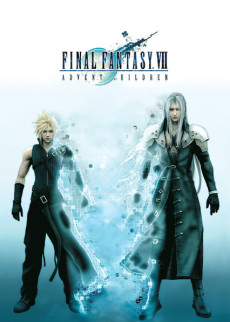
A lightsaber igniting mid-air mirrors Cloud’s Buster Sword flaring with energy—both weapons pulse with raw, personal resolve against cosmic decay. Unlike most sci-fi spectacles, *Jedi Academy* and *Advent Children* fuse Tactical Warfare with mythic stakes: Kyle Katarn’s academy trials echo Cloud’s desperate, grounded fights in Midgar’s rain-slicked ruins, where Geo-stigma’s rot parallels the Sith’s corrosive influence. This resonance feels startlingly intimate—space opera grit meets bodily vulnerability, not just epic scale.
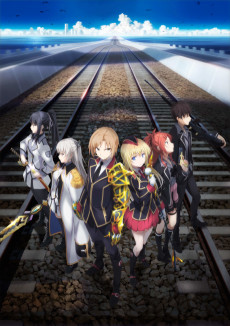
Pure kinetic energy — the action choreography in both is some of the best in their medium.
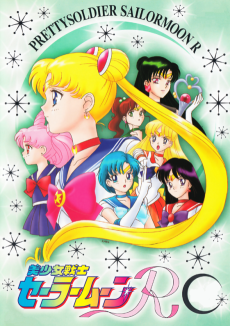
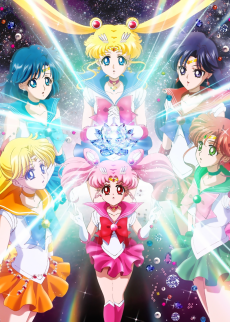
Usagi’s desperate, spinning crescent moon attack against Ann’s crystalline fortress mirrors Jaden Korr’s frantic lightsaber parries amid collapsing Starport 27 hangars—both pivot on 🎯 Tactical Warfare where environment becomes weapon. Unlike most magical girl or Jedi stories, Sailor Moon R and Jedi Academy root their cosmic stakes in student vulnerability: Ail and Ann exploit human longing just as Tavion manipulates Jaden’s fear of failure. This shared tension between youthful idealism and galactic-scale threat makes their resonance startlingly precise.

Goku’s Spirit Bomb—glowing, planet-sized, trembling with cosmic energy—feels kin to Jaden Korr igniting his lightsaber for the first time aboard the *Valinor*, both moments fusing personal resolve with universe-scale stakes. Unlike most space operas, *Jedi Academy* and *Dragon Ball Z* channel 💥 Action Spectacle not through brute force alone, but through charged stillness before impact: Cell’s bio-armor cracking, Kyle Katarn’s saber humming as he braces against a Dark Jedi’s charge. This shared reverence for the breath-held instant before explosion makes their synergy unexpectedly profound.
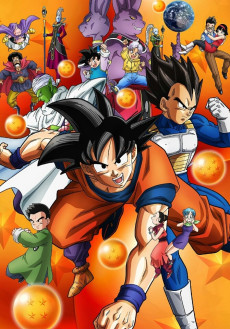
Jedi Academy’s lightsaber duels—especially the climactic battle against Tavion on Korriban—explode with the same kinetic, weighty choreography as Goku’s Ultra Instinct clashes against Jiren in the Tournament of Power. Where Jedi Academy grounds its sci-fi & space grandeur in tactile saber physics and crumbling ancient temples, Dragon Ball Super soars through cosmic arenas yet anchors spectacle in visceral, emotional stakes. This resonance isn’t just about scale—it’s how both weaponize action spectacle to explore discipline, legacy, and the cost of power.

Pure kinetic energy — the action choreography in both is some of the best in their medium.
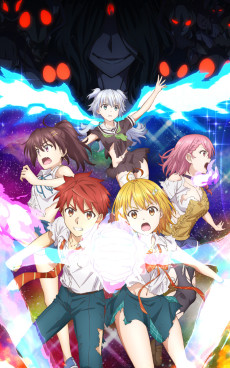
Pure kinetic energy — the action choreography in both is some of the best in their medium.

Pure kinetic energy — the action choreography in both is some of the best in their medium.

Jedi Academy’s lightsaber duels—especially the volcanic duel on Korriban—pulse with the same kinetic, gravity-defying choreography as Loser Ranger Season 2’s upgraded mecha battles in zero-G orbital stations. Where Jedi Academy grounds its sci-fi wonder in tactile weapon crafting and Force meditation, Season 2 doubles down on absurd-yet-cohesive worldbuilding: alien bureaucrats, sentient space debris, and rangers whose “failures” fuel plot twists. This resonance isn’t superficial—it’s Action Spectacle fused with sincere, self-aware sci-fi stakes, making their shared genre play feel unexpectedly philosophical.
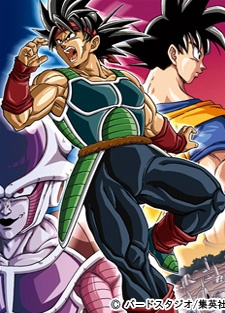
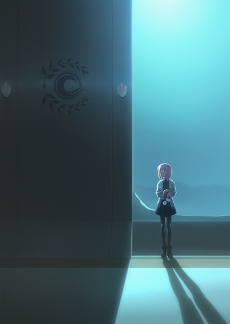
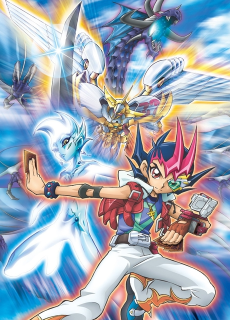
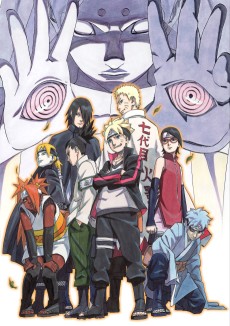
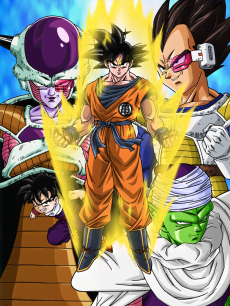
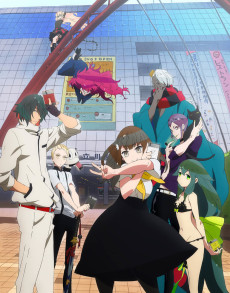

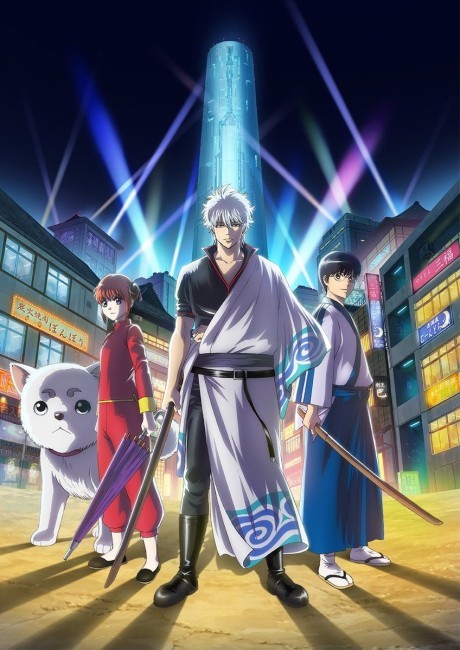




![Fate/stay night [Heaven's Feel] I. presage flower](https://s4.anilist.co/file/anilistcdn/media/anime/cover/medium/bx20791-yPCX5GJuMH2k.png)













































![Fate/stay night [Heaven’s Feel] III. spring song](https://s4.anilist.co/file/anilistcdn/media/anime/cover/large/bx21719-MSdTlkno0Z0u.jpg)




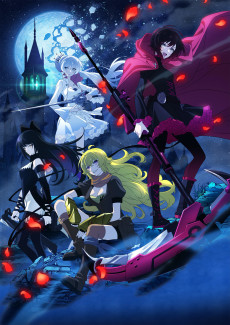
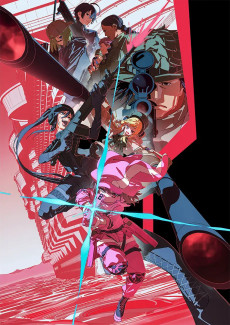

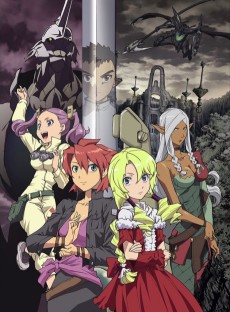
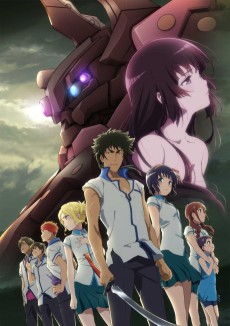








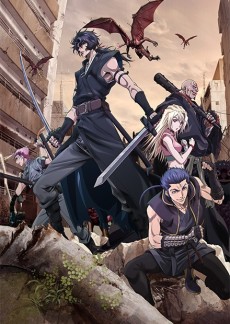



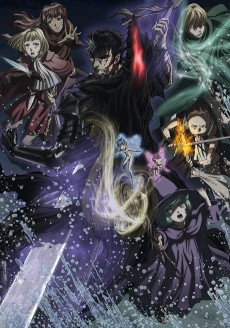


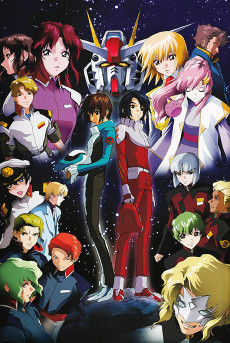
Match Dimensions Explained
❓Frequently Asked Questions
Why is World Trigger 2nd Season recommended for Jedi Academy fans?
Because both lean hard into tactical lightsaber-style combat—World Trigger’s Trion-based battles mirror Jedi Academy’s saber duels where positioning, timing blocks, and environmental awareness matter just as much as raw power. Think of Yūgo’s rapid-fire Trion blasts vs. Jaden Korr deflecting blaster bolts in the Korriban tomb—same adrenaline, same 'read-and-react' rhythm.
Is there an anime adaptation of Jedi Academy?
No official anime adaptation exists—but Final Fantasy VII: Advent Children hits that sweet spot *instead*: it’s got Luke Skywalker-level mentorship (Sephiroth as the dark mirror to Master Luke), cinematic Force-like energy manipulation (Aerith’s healing light vs. Force healing), and that exact same 'young hero stepping into galactic stakes' vibe from Jedi Academy’s opening on Yavin 4.
How does Sailor Moon R compare to Dragon Ball Z for Jedi Academy energy?
Sailor Moon R leans into the 'Jedi Academy classroom-to-crisis' arc—Usagi’s growth from clumsy student to leader mirrors Jaden Korr’s journey under Luke, especially during the Black Moon Clan arc where she masters her powers mid-battle like Jaden does with Force Push in the Jedi Temple sparring room. DBZ’s more about escalating god-tier fights, while Sailor Moon R nails the intimate, character-driven stakes Jedi Academy balances so well.
What’s the best anime like Jedi Academy if I want that lone-wolf Padawan training vibe?
Go! Go! Loser Ranger! Season 2—it’s got the scrappy, self-taught energy of a solo Jedi-in-training: the protagonist literally builds his own gear (like your custom lightsaber in Jedi Academy), faces off against space-faring threats alone early on, and has those quiet, focused training montages that feel ripped from Jaden’s private sessions with Luke on Ossus.