
Samurai Champloo
Let's break it down. Mugen's a reckless sword-slinger with a style that's more b-boy than Shaolin. He's got a nasty streak that makes people want to stick a knife in his throat. Then there's Jin, a deadbeat ronin who speaks softly but carries a big blade. He runs game old-school style, but he can make your blood spray with the quickness. When these roughnecks bring the ruckus, it ain't good for anybody, especially them. Enter Fuu, the ditzy waitress who springs her new friends from a deadly jam. All she wants in return is help solving a riddle from her past. She and the boys are tracking the scent, but there's 99 ways to die between them and the sunflower samurai.
(Source: Funimation)
📺Anime Details
📝Editorial Analysis
Rain slicks the cobblestones of a nameless post-town, steam rising from a roadside stall where Fuu wipes sweat and soy sauce from her brow with the back of her hand. Mugen’s laugh cracks the humid air like a snapped bamboo stick—sharp, sudden, unapologetic—as he flips a coin into the gutter. Jin stands just outside the lantern light, blade sheathed, eyes tracking a crow’s flight across a bruised twilight sky. No grand battle. No prophecy. Just three people breathing in the same fragile, fleeting now—displaced, determined, aching.
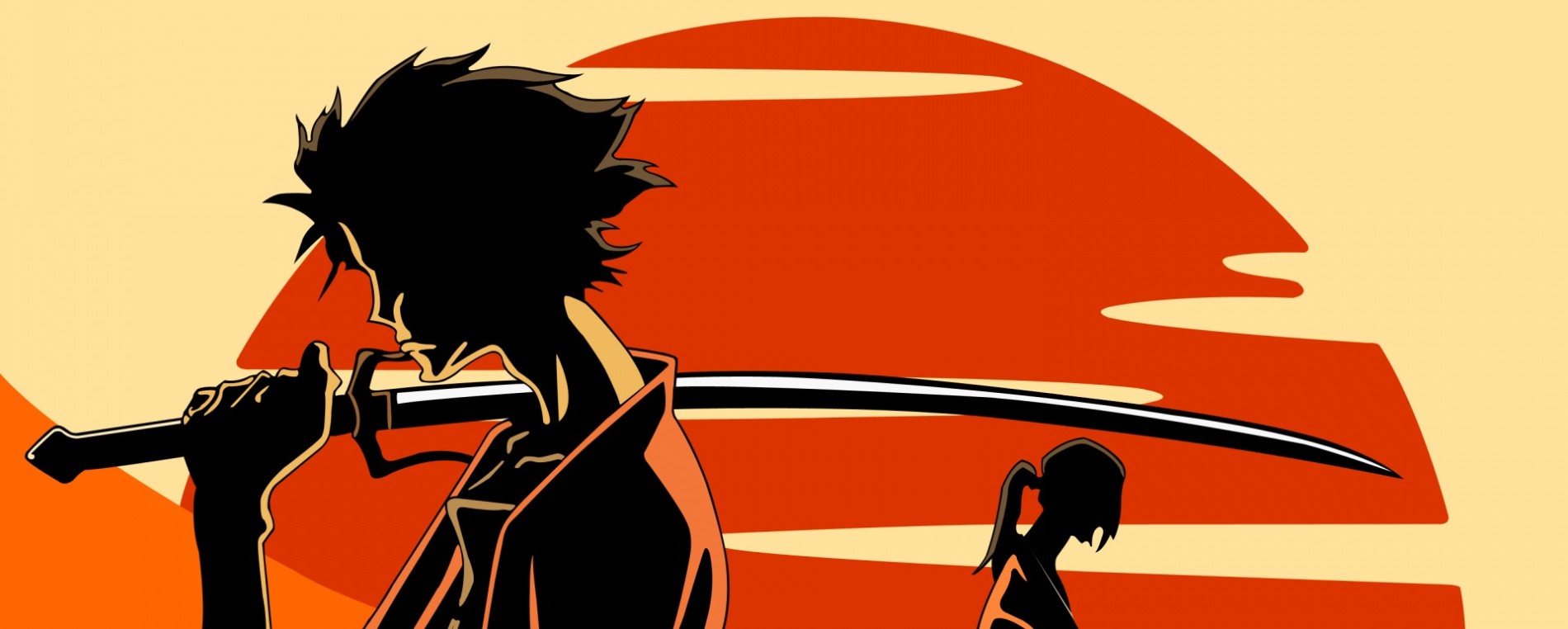
That’s the heart of Samurai Champloo: not swordplay as spectacle, but as pulse. Not history as textbook, but as texture—rough-hewn wood, sour miso soup, the grit of dust kicked up by bare feet on dirt roads. It makes you feel unmoored, yet anchored—like you’re walking alongside people who’ve lost their maps but keep moving anyway. There’s no destination promised, only rhythm: the shuffle of sandals, the scrape of steel on stone, the syncopated cadence of Mugen’s hip-hop-infused katanas clashing with Jin’s measured precision. It’s melancholic exploration—not sadness for its own sake, but the quiet weight of carrying memory while stepping forward. It’s tactical warfare without generals or flags—just split-second choices in alleyways, alliances forged over shared rice bowls, survival measured in breaths, not banners. And it’s healing & slow life: Fuu’s stubborn kindness stitching together two men who’d rather bleed than bend.
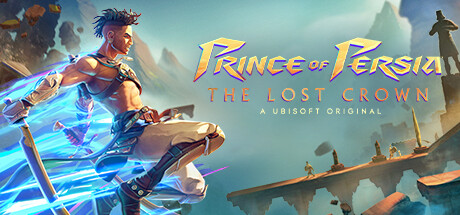
Prince of Persia (score: 85) shares that exact melancholic exploration. Its description calls it “an all-new epic journey” built on “next-generation platforms”—but what lingers isn’t the tech. It’s the way the Prince moves through ruins at dawn, sand slipping between his fingers, time itself bending like smoke. The player review notes it’s “completely separate from the sands”—a deliberate break, like Fuu severing ties to her past to chase a scent on the wind. Both works treat travel as interior geography: every step forward is also a reckoning. You don’t conquer the land—you learn its silence, its scars, its stubborn beauty. That slow life isn’t idleness—it’s attention paid, breath held, a hand resting on warm stone before the next leap.
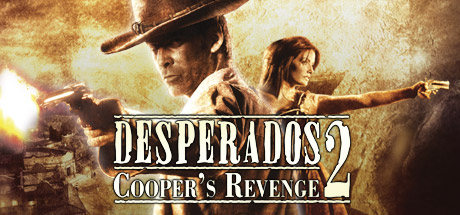
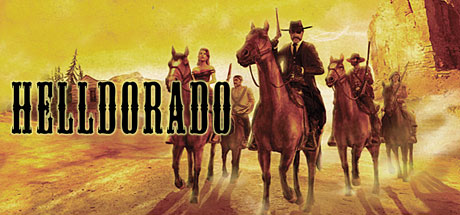
Desperados 2: Cooper's Revenge (score: 83) and its expansion Helldorado (score: 83) echo Samurai Champloo’s tactical warfare—but stripped of glory. Their descriptions place you in the Western & Frontier: 1883 Santa Fe, outlaws, kidnapping, “challenging missions.” The player review admits the first game was beloved—but this one? “Not so much.” Yet that friction is the resonance. Mugen and Jin don’t fight for honor rolls or daimyo decrees—they fight because someone drew steel first, because a friend was threatened, because the world keeps demanding action before it offers answers. Desperados doesn’t reward flash; it rewards patience, positioning, reading shadows—just like Jin reading an opponent’s stance before the draw, or Fuu calculating how much sake to pour to disarm a room. The tactical here isn’t chess—it’s streetwise, improvised, human.
Sacred Gold (score: 83) lands on the same emotional axis—melancholic exploration and action spectacle—but through a different lens. Its description pits you against “blood-thirsty orcs & lumbering ogres,” evoking the raw, physical stakes of Samurai Champloo’s duels: no magic, just muscle, momentum, and mortal consequence. The player review calls it “full of jank, bugs… not very stable”—and somehow, that imperfection fits. Mugen’s style is “more b-boy than Shaolin”: unrefined, kinetic, gloriously messy. Jin’s calm isn’t serenity—it’s exhaustion held at bay. Sacred Gold’s instability mirrors that truth: heroism isn’t polished. It’s stumbling through glitchy terrain, swinging a sword that sometimes catches on geometry, still pressing forward because the road behind is worse.
This pairing isn’t for fans of tidy arcs or power fantasies. It’s for the person who watches Mugen dance through a rainstorm—not to win, but because his body remembers rhythm before reason—and then boots up Prince of Persia, not for the acrobatics, but to walk beside a prince who touches ancient walls like they’re old friends. It’s for the player who pauses mid-mission in Desperados 2, not to optimize flanking routes, but to watch a stray dog trot across the saloon porch—alive, unscripted, there—just like Fuu noticing the way light hits a river reed before the next fight begins. These are works that trust you to feel unhurried longing, to sit with quiet tension, to find poetry in the gap between one breath and the next. They’re for those who know healing isn’t a cutscene—it’s the shared silence after the swords are cleaned, the steam rising off a bowl, the crow flying on.
🎮34 Games That Match the Vibe













Match Dimensions Explained
❓Frequently Asked Questions
Why does Prince of Persia feel so much like Samurai Champloo’s rooftop chases and melancholic vibe?
Because both lean hard into 'Melancholic Exploration' and 'Action Spectacle'—think the Prince’s fluid parkour across crumbling palaces mirroring Mugen and Jin’s gravity-defying leaps across Edo rooftops, all underscored by that same wistful, poetic pacing. The 2024 reboot’s quiet moments—like wandering sun-dappled ruins while reflecting on legacy—hit the same emotional notes as Champloo’s quieter episodes (e.g., 'Elegy of Entrapment'), and its score-driven combat rhythm echoes the show’s jazz-infused fight choreography.
Is there a Samurai Champloo anime game adaptation I can actually play?
No official Samurai Champloo game exists—but Desperados 2: Cooper's Revenge and its expansion Helldorado are your closest functional stand-ins for the show’s 'Western & Frontier' grit and tactical dueling energy. Think Jin’s calm precision vs. Mugen’s wild improvisation mirrored in how you coordinate dual characters like Cooper and Doc in tight, cover-based shootouts—complete with slow-motion 'duel mode' moments that feel ripped from 'Lullaby of the Lost'.
How does Tomb Raider: Legend compare to Prince of Persia for Samurai Champloo fans?
Tomb Raider: Legend nails the 'Melancholic Exploration' and 'Tactical Warfare' vibe—like when Lara investigates her mother’s disappearance in misty Himalayan temples, it channels Champloo’s blend of personal history and atmospheric mystery. But unlike Prince of Persia’s seamless flow and poetic stillness, Legend leans more into set-piece puzzles and clunky boss fights (per player reviews), making it feel more like the show’s action-packed 'Beatbox Bandits' episode than its reflective 'An Ill Wind Blows' tone.
What’s the best game like Samurai Champloo if I want that mix of stylish action and soulful downtime?
Go straight to Prince of Persia—it’s the only match hitting *both* 'Melancholic Exploration' *and* 'Action Spectacle' at 85% critical score, with zero jank or instability (unlike Sacred Gold’s bugs or Helldorado’s expansion dependency). Its new prince moves with Mugen’s flair but pauses like Jin in quiet gardens, and the way time bends during combat—slowing for perfect parries—feels like syncing up to Nujabes’ beat drops mid-fight.