
Tomb Raider: Legend
Follow Lara Croft down a path of discovery as she travels the globe to remote, exotic locales in search of one of history's greatest artifacts, that unleashes unwelcome figures from Lara's mysterious past.
🎮Game Details
💬What Players Say
"It is a nice game not great but one will enjoy the game. This game contains great platforming and puzzling but some boss fights little bit annoying."
"Very good game but the keyboard controls are wild."
"While fans of original games might get a nostalgia kick out of this, Tomb Raider: Legend mostly reminded me why I avoided this genre back in the day. There are flashes of a fun adventure here, but they’re buried under a lot of jank, specifically those clunky controls and that horrendous camera, which I won't be forgetting anytime soon. I actually tried playing with a gamepad first, thinking it would be the "intended" way to play, but it was a total fight with the game...."
📝Editorial Analysis
The wind howls across the crumbling edge of Bolivia’s Cerro Torre—Lara’s boot scrapes stone, her breath sharp in the thin air, and for a second, everything holds: no gunfire, no puzzle timer, just the weight of altitude, memory, and the quiet dread that something from her past is already watching. That suspended moment—melancholic exploration—is Tomb Raider: Legend’s true heartbeat. Not the boss fights (which one reviewer called “a little bit annoying”), not the keyboard controls (“wild,” per another), but the hush between jumps, the way Lara moves through ruins like someone returning to a half-remembered dream she never chose. The official description nails it: she’s not chasing treasure—she’s following a path of discovery, one that cracks open “unwelcome figures from Lara’s mysterious past.” It’s archaeology as autobiography.


What makes this atmosphere singular isn’t its globe-trotting or acrobatics—it’s the adult stillness beneath the action. This isn’t adolescent power fantasy. It’s a woman moving with precision and weariness through spaces heavy with history and personal silence. You feel the chill of Bolivia’s highlands, the damp echo of Yamata no Orochi’s temple, the low hum of ancient tech buried under centuries—not because the game tells you to, but because the pacing, the lighting, the way Lara pauses mid-climb to adjust her glove or glance at a faded inscription—all suggest a mind constantly sifting what was from what is. There’s no triumphant fanfare when she solves a lever puzzle; there’s a slow exhale, a glance upward, a flicker of something unresolved. That’s the feeling: tactical melancholy. Every jump is calculated, every clue weighed—not just for logic, but for emotional resonance. It’s dark not because it’s violent, but because it treats memory as terrain: unstable, layered, and quietly dangerous.
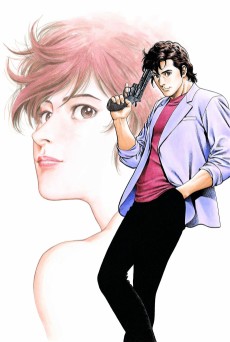
Lupin the 3rd shares that same melancholic exploration—not in heists, but in the way Jigen lights a cigarette after a narrow escape and stares into rain-slicked Tokyo alleys, or how Fujiko’s smile never quite reaches her eyes when she walks away from a vault full of gold. Like Lara, Lupin moves through history’s leftovers—abandoned mansions, decaying ports, forgotten war bunkers—but his thrill is laced with exhaustion, his wit a shield against loss. Both are adult & dark seinen: no moral binaries, just people navigating consequence. And the tactical warfare? It’s not explosions—it’s Lupin reading a guard’s blink before he moves, Lara calculating three seconds of rope swing physics while listening for footsteps behind her. Same nerve.
Bartender, too, lives in that suspended space: the clink of ice, the slow pour, the silence before a customer speaks their truth. Its melancholic exploration is literal—each episode circles a memory, a regret, a choice buried under years—and its adult & dark seinen tone comes from refusing catharsis. Like Lara deciphering a Norse rune only to find her mother’s initials carved beneath it, Bartender’s characters uncover meaning not in answers, but in the weight of what’s been left unsaid. No platforming, no puzzles—but the same reverence for quiet revelation.
And Nausicaä of the Valley of the Wind—yes, the film—carries that same tactical warfare not as combat, but as ecological negotiation: Nausicaä stepping barefoot into toxic jungle, reading spore patterns, choosing when to run and when to kneel. Her journey is melancholic exploration on a planetary scale—every ruin she enters whispers of human failure, every child’s drawing echoes a lost world. Like Lara in the ruins of Tiwanaku, Nausicaä doesn’t conquer the past—she listens to it, even when it answers back with thorns.
Who would love these pairings? Someone who replays the Bolivia level just to stand at the cliff’s edge and watch the fog roll in—not for the view, but for the way it mutes sound, slows time, and makes memory feel tactile. Someone who finishes SPY x FAMILY Cour 2 and rewinds Loid’s silent walk home after a mission, noticing how his shoulders drop just so when he thinks no one’s looking—the same way Lara’s posture shifts when she finds her father’s journal in the Himalayas. It’s for the reader who underlines passages in The Comic Artist & His Assistants about creative burnout, then boots up Tomb Raider: Legend, not for the action, but for the way Lara’s hand trembles slightly when she picks up a broken compass—not from fear, but from recognition. These aren’t stories about winning. They’re about moving forward while carrying what won’t let you go. And sometimes, the most daring leap isn’t across a chasm—it’s into your own silence.
→96 Anime That Match the Vibe

A quiet, wandering spirit — these works find meaning in silence and empty spaces.
A quiet, wandering spirit — these works find meaning in silence and empty spaces.
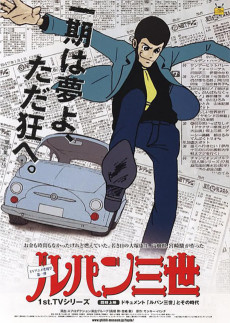
Lara Croft’s solitary descent into the ruins of Bolivia—flashlight trembling, breath shallow—mirrors Lupin’s quiet, rain-slicked stakeout atop a Tokyo skyscraper in *Part II*’s “The Mystery of Mamo” arc: both moments pulse with 🌿 Melancholic Exploration, where wonder and loss are indistinguishable. Unlike most adventure media that glorify conquest, Legend and *Lupin the 3rd Part II* treat artifacts and heists as emotional archaeology—Jigen’s weary pragmatism echoes Winston’s restrained loyalty, grounding their worlds in 🖤 Adult & Dark Seinen gravity. That shared tension—between swagger and sorrow—makes their resonance startlingly intimate.
A quiet, wandering spirit — these works find meaning in silence and empty spaces.
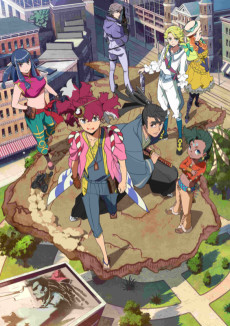
Lara Croft’s solitary descent into the Peruvian ruins—flashlight beam trembling over crumbling glyphs—echoes Apare Sorano’s wide-eyed, rain-soaked first steps onto San Francisco soil: both are melancholic explorations of dislocation, where wonder is edged with quiet grief. Unlike most adventure media that valorize conquest, *Legend* and *APPARE-RANMAN!* frame tactical warfare not as domination but as improvised diplomacy—Lara disarming traps with precision, Apare jury-rigging steam-powered chaos to survive. That shared tension between vulnerability and ingenuity makes their resonance unexpectedly tender.
A quiet, wandering spirit — these works find meaning in silence and empty spaces.
A quiet, wandering spirit — these works find meaning in silence and empty spaces.
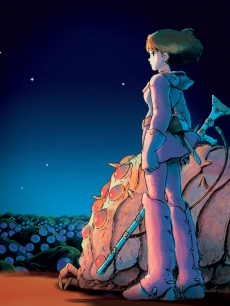
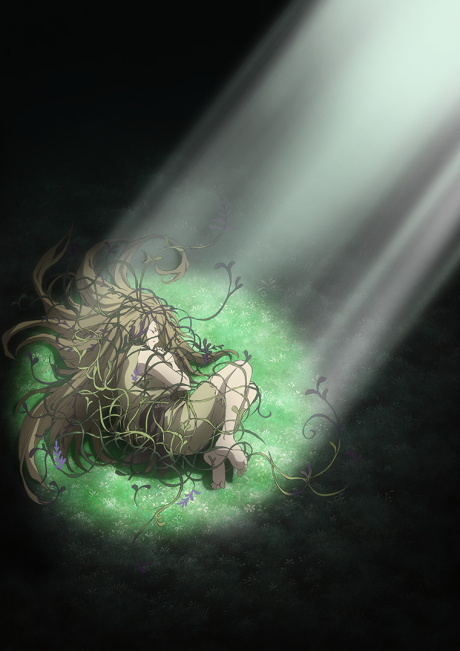
Nausicaä’s quiet descent into the toxic jungle—mask off, breath held—mirrors Lara Croft’s solitary plunge into the crumbling Bolivian temple, each woman navigating decay not as ruin but as layered memory. 🌿 Melancholic Exploration binds them: both confront inherited trauma through tactile archaeology—Nausicaä reading fungal spores like scripture, Lara deciphering murals that rewrite her own origin. Unlike most action narratives, neither weaponizes nostalgia; they grieve forward, turning loss into calibrated resolve.

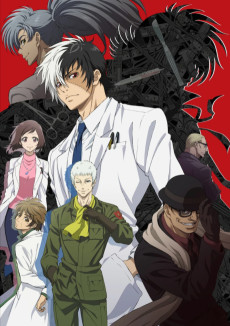
Lara Croft’s solitary descent into the ruins of Bolivia—flashlight trembling, breath shallow—mirrors Charlie’s first day navigating crowded hallways, his hybrid body a silent archive of violation. 🌿 Melancholic Exploration binds them: not just physical traversal, but the ache of inherited trauma made manifest in crumbling temples and lab-bred biology. Where Legend weaponizes archaeology as tactical warfare against spectral echoes of the past, *The Darwin Incident* turns high school into a battlefield where every glance risks exposure—both protagonists fight to reclaim agency from forces that reduced them to artifacts.
A quiet, wandering spirit — these works find meaning in silence and empty spaces.
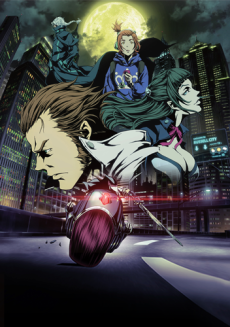







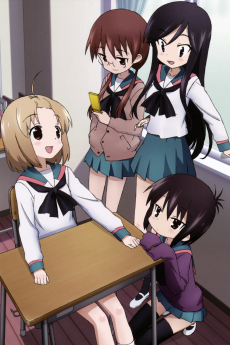

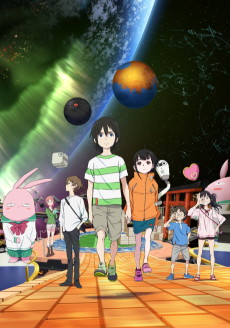






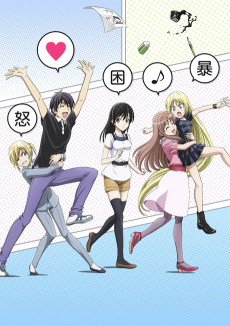











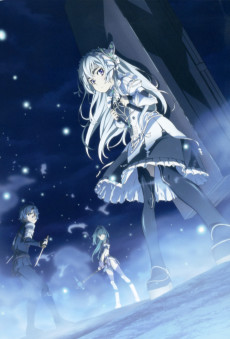
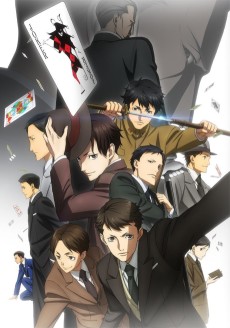
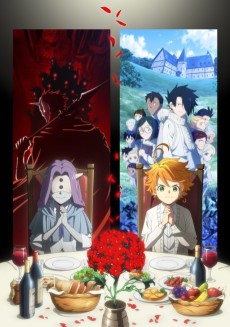

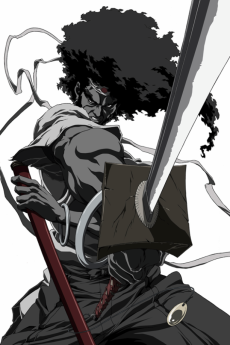






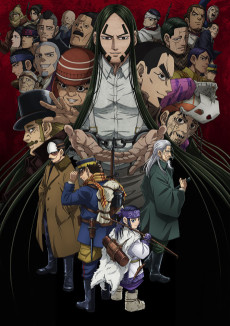
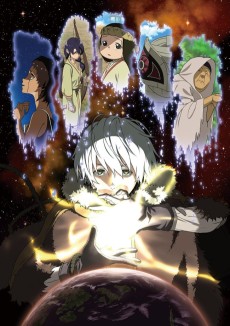

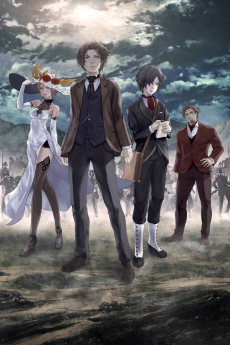







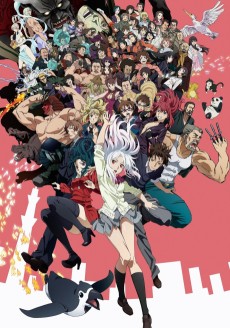

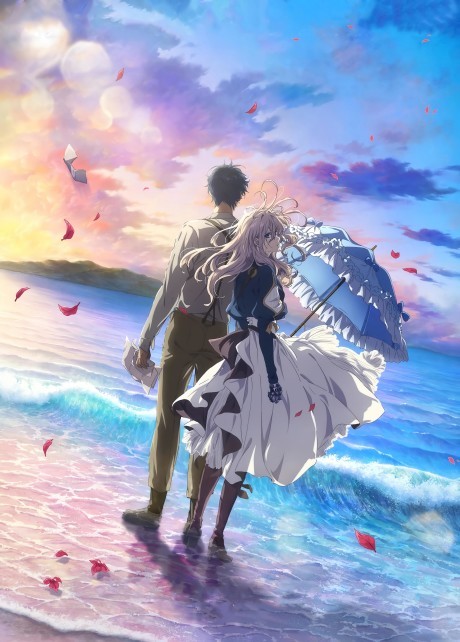

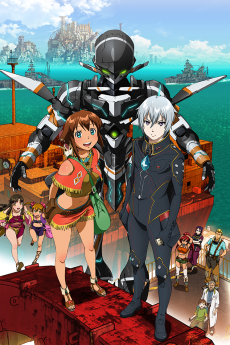
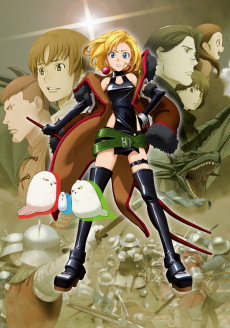
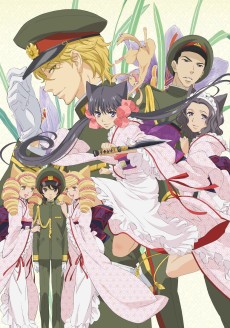
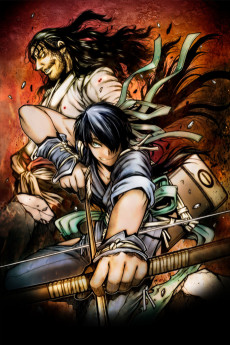
Match Dimensions Explained
❓Frequently Asked Questions
Why is Lupin the 3rd recommended for Tomb Raider: Legend fans?
Because both lean hard into globe-trotting artifact hunts with high-stakes, stylish heists—like Lupin’s raid on the Byzantine Crown in Part IV, which mirrors Lara’s temple infiltration in Bolivia: tight platforming, environmental puzzles, and that same melancholic sense of chasing something tied to a buried past. Plus, Lupin’s tactical banter and split-second improvisation (think the Nepal train sequence) echo Lara’s quick-thinking escapes when controls get wild.
Is there an anime adaptation of Tomb Raider: Legend?
No—there’s never been an official anime adaptation of Tomb Raider: Legend specifically. The closest are standalone anime-inspired homages like SPY x FAMILY Cour 2, where Anya’s psychic intel-gathering and Loid’s precision infiltration in the Eden College arc channel Legend’s vibe: globetrotting stakes, layered secrets, and that same blend of tactical warfare and quiet melancholy when confronting personal history.
How does Nausicaä compare to Bartender for Tomb Raider: Legend vibes?
Nausicaä leans into Legend’s ‘melancholic exploration’ through vast, decaying landscapes—like the Toxic Jungle’s ruins echoing Lara’s descent into the lost Tiwanaku temple—but adds ecological weight and silent awe. Bartender, meanwhile, trades ancient ruins for dimly lit bars where characters unravel buried pasts over whiskey, matching Legend’s adult, introspective tone but swapping action for emotional archaeology—both hit that 75–76 score range because they prioritize atmosphere and layered history over pure combat.
What’s the best anime like Tomb Raider: Legend if I want that ‘solo adventurer solving ancient puzzles’ mood?
Go straight to Nausicaä of the Valley of the Wind—the scene where Nausicaä navigates the crumbling Dorok tomb alone, reading glyphs and dodging biomechanical traps, *is* Lara Croft in anime form. It nails Legend’s core loop: quiet focus, tactile environmental storytelling, and that bittersweet thrill of discovery—not just finding an artifact, but confronting what it reveals about your own past, just like Lara facing her mother’s journal entries mid-game.