
No Longer Allowed in Another World
Pulled into an otherworldly adventure with cute sidekicks and superpowers, you’d think Osamu hit the jackpot. Nope! From a time before pixels, the early 20th-century gloomy author just wants to find a quiet place to meet his maker, not to rack up XP. Sadly, his poetic demise is constantly thwarted by inconvenient heroics. Dive into the hilariously tragic life of the most reluctant hero!
(Source: Crunchyroll)
📺Anime Details
📝Editorial Analysis
The rain in No Longer Allowed in Another World doesn’t glisten—it soaks. Not the romantic drizzle of a cherry-blossom interlude, but the slow, grey, persistent damp of a Tokyo alleyway at 3 a.m., where Osamu stands beneath a flickering streetlamp, pen hovering over a half-written suicide note, only for a catgirl with mismatched socks to trip over his feet and spill tea across the page. That moment—not the summoning, not the magic, but the interruption—is the show’s quiet heartbeat: a man trying to vanish, constantly thwarted by the stubborn, absurd warmth of being seen, even when he refuses to be found.
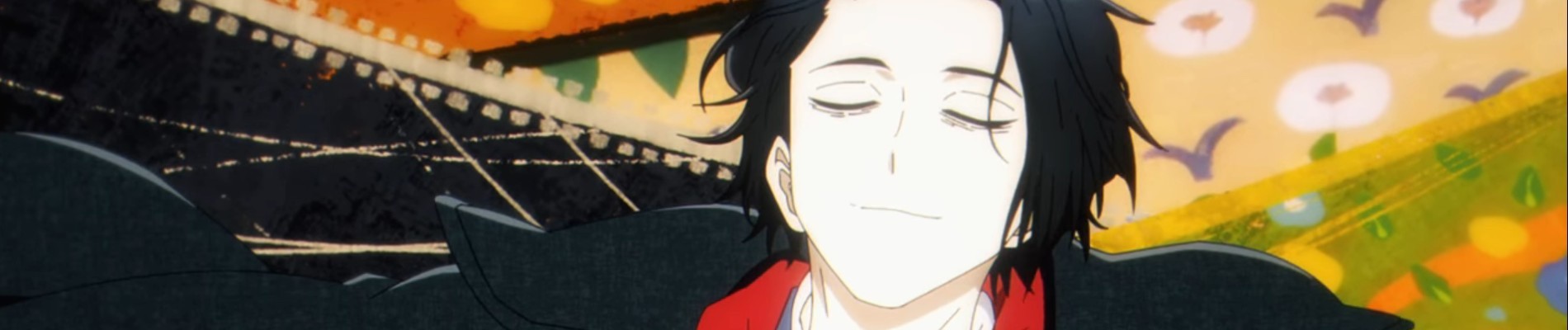
What makes this anime vibrate with such unsettling tenderness isn’t its isekai trappings or nekomimi sidekicks—it’s the weight it gives to stillness. This isn’t a story about leveling up; it’s about the exhaustion of carrying a self that feels fundamentally unplaceable. The fantasy world doesn’t offer escape—it offers mirrors: a library where every book is a draft of his own unfinished novel, a tavern where laughter rings just a little too loud against his silence, a magic system that rewards empathy like it’s a rare spell component. It’s melancholic exploration: not of dungeons or maps, but of the quiet chasm between intention and outcome, between wanting to disappear and being gently, relentlessly anchored by small, unasked-for kindnesses. It’s seinen not because it’s violent or complex, but because it treats despair with the same literary precision it treats a cup of tea—no grand villain, just the slow erosion of will, and the quiet shock of someone handing you a towel anyway.
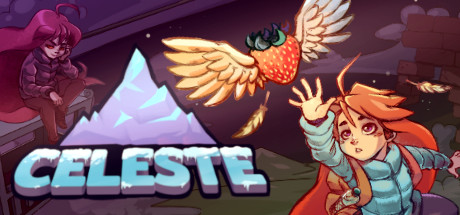
That same emotional gravity pulses through Celeste. Its description frames Madeline’s climb as survival against her inner demons—not monsters, but echoes of self-doubt, shame, and exhaustion so visceral they manifest as physical terrain. Like Osamu, she isn’t fighting an external empire; she’s navigating the jagged topography of her own mind. The player review’s offhand “Not a puzzle game” is telling—it’s not about solving, but enduring, feeling, reaching. When Madeline stumbles mid-air and clings to a ledge, breath ragged, it resonates with Osamu’s failed attempts to slip away—not as failure, but as proof he’s still here, still resisting the pull downward. Both works treat mental weight as geography you must traverse, step by trembling step.
Then there’s Tomb Raider: Legend, where Lara Croft follows a path of discovery to remote, exotic locales—but crucially, one that unleashes unwelcome figures from her mysterious past. That phrase—unwelcome figures from her mysterious past—is the key. Osamu isn’t haunted by ghosts; he’s haunted by the ghost of his own authorial voice, the early 20th-century gloom that clings to him like old ink. Lara’s journey isn’t just archaeological—it’s psychological excavation. The player review calls it “nice… not great,” yet admits to enjoying it—mirroring how No Longer Allowed lands not with spectacle, but with a low, steady hum of recognition: the satisfaction of moving through, not necessarily past, the ache. The melancholy isn’t decorative—it’s structural, woven into the architecture of every tomb, every mountain path, every rain-slicked alley.
And Sacred Gold, buried under jank and bugs, still carries that same melancholic exploration dimension. Its description names a “shadow of evil” falling on Ancaria—but the player review doesn’t mention lore or combat. Instead, it confesses instability, fragility, the sheer effort of keeping the world running on modern systems. That friction—the game threatening to collapse under its own weight, yet persisting—is kin to Osamu’s existence: a narrative perpetually on the verge of dissolution, held together by duct tape, tea, and the quiet insistence of others who refuse to let the story end. Its “jank” isn’t a flaw—it’s texture, the same way Osamu’s awkward pauses and half-finished sentences are the very language of his resistance.
This pairing isn’t for the escapist who wants power fantasies or clean catharsis. It’s for the reader who underlines passages about rain in novels, the player who saves before jumping—not out of fear of death, but out of reverence for the act of continuing. It’s for those who’ve ever sat with a notebook full of unsent letters, or walked home after midnight listening to their own footsteps echo like unanswered questions. They’ll recognize Osamu’s sigh, Madeline’s grip on the cliff edge, Lara’s pause before a tomb door, the flicker of a corrupted save file—and feel, finally, understood, not fixed.
🎮24 Games That Match the Vibe








Match Dimensions Explained
❓Frequently Asked Questions
Why does No Longer Allowed in Another World feel so similar to Celeste despite being a light novel?
Both hit that raw, melancholic exploration vibe—Celeste’s Madeline literally climbing Celeste Mountain while wrestling depression mirrors the protagonist’s forced isolation and internal reckoning in the novel. The game’s tight platforming and hand-crafted challenges (like the Mirror Temple’s oppressive solitude) echo the novel’s tone of quiet despair and self-confrontation—not puzzle logic, but emotional weight driving the journey.
Is there an anime or game adaptation of No Longer Allowed in Another World?
No official anime or game adaptation exists yet—but if you’re craving that same adult & dark seinen energy with melancholic exploration, Tomb Raider: Anniversary nails it: Lara retracing her origin across haunted ruins and crumbling temples, uncovering buried trauma just like the novel’s slow-burn psychological unraveling. Fans call it the best classic Tomb Raider for exactly that reason—tight pacing, emotional stakes, and zero fluff.
How is Sacred Gold similar to Tomb Raider: Legend?
They both drop you into perilous, lore-heavy worlds where exploration feels heavy and consequential—Sacred Gold’s cursed kingdom of Ancaria (with its blood-thirsty orcs and unstable modern ports) matches Legend’s globe-trotting descent into Lara’s repressed past and those ‘unwelcome figures’ from her childhood. Neither’s about breezy action; both lean hard into adult & dark seinen vibes through oppressive atmosphere and world-weariness, even if Sacred Gold’s jank keeps it feeling rougher around the edges.
What’s the best game like No Longer Allowed in Another World if I want that lonely, reflective mood after a long day?
Celeste is your go-to—Madeline’s quiet, snow-choked ascent up Celeste Mountain, with moments like the rooftop scene where she finally talks to her anxiety as 'Badeline', lands that exact exhausted-but-hopeful melancholy. It’s not flashy, it’s not escapist fantasy—it’s intimate, human, and deeply resonant, just like the novel’s grounded emotional core.