
Tomb Raider: Anniversary
Tomb Raider: Anniversary retraces Lara Croft's original genre-defining adventure globe-trotting 3rd person action-adventure in pursuit of the legendary Scion artifact. Using an enhanced 'Tomb Raider: Legend' game engine, the graphics, technology and physics bring Lara's adventure and pursuit of a mystical artifact known only as the...
🎮Game Details
💬What Players Say
"In my mind this is the best Tomb Raider game. (though I haven't tried the more recent remake) The first series of six games is too clunky to play these days. The later games switched format to care more about scripted sequences and a little bit of open world gameplay, and are less about tight linear level design...."
"This is a classic, not just a game. I'm happy to play through it again - I've lost count of how many times."
"If you use a PS4 controller I would not try to play this game, after reading articles unless you have DS4 Windows or an XBOX controller you really can't play this game on controller."
📝Editorial Analysis
The first time Lara Croft leaps across that crumbling Aztec chasm—wind whipping, stone groaning, the Scion’s hum vibrating in her bones—you don’t just control her. You hold your breath. Not because of difficulty, but because the moment feels weighty, like stepping into a memory you didn’t know was yours. That’s Tomb Raider: Anniversary: not a remake, but a reverie—a polished, physics-savvy echo of something foundational, where every rope swing, every torch-lit corridor, every silent descent into ancient dark carries the hush of pilgrimage. Player Review 2 nails it: “I’m happy to play through it again—I’ve lost count of how many times.” It’s not nostalgia as comfort. It’s nostalgia as ritual. And Review 1 confirms its quiet authority: “In my mind this is the best Tomb Raider game”—not for flash, but for presence, for the way it makes pursuit feel sacred.


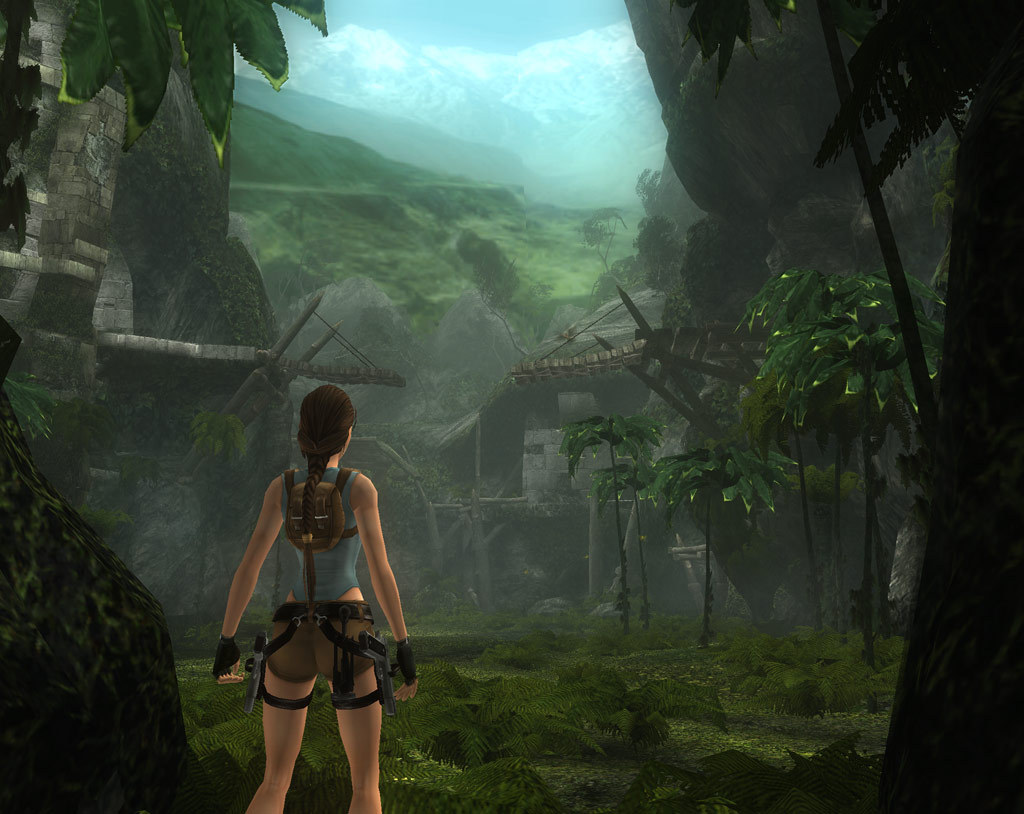
What lingers isn’t adrenaline—it’s melancholic exploration. You’re never racing toward triumph; you’re moving through layers of time, decay, and silence. The enhanced Legend engine doesn’t just render better textures—it renders gravity, dust motes in slanted light, the hollow resonance of an empty chamber. This isn’t about solving puzzles to advance. It’s about pausing mid-platform to watch sunlight fracture across a mosaic floor, then realizing—oh—that pattern matches the Scion’s geometry. The game thinks in archaeology, not action set-pieces. It asks you to linger, to read ruins like texts, to feel the ache of civilizations long gone—not as tragedy, but as continuity. That’s why it resonates so deeply with players who return, again and again: it’s not escapism. It’s contemplative immersion. You don’t conquer tombs—you witness them.
That same melancholic exploration pulses through Lupin the 3rd, especially in its quieter, rain-slicked interludes—when Lupin leans against a rusted railing in Marseille, watching cargo ships drift, his fingers brushing a stolen locket he won’t open. No heist music swells. Just wind, distant horns, and the weight of choices buried under decades. Like Lara in the Hall of Seasons, Lupin moves through spaces thick with history—not as a thief, but as a custodian of echoes. Both share adult & dark seinen: no moral simplification, no heroic glow—just competence shadowed by consequence. Then there’s Bartender, where every pour is a slow dissolve into someone else’s grief or regret. The bar’s amber light, the clink of ice, the unspoken stories behind each order—they mirror Lara’s solitary traversal of silent temples. No exposition, no fanfare—just atmosphere as narrative, where melancholy isn’t mood, it’s medium. And Nausicaä of the Valley of the Wind—not in its scale, but in its reverence for ruin. When Nausicaä kneels in the Toxic Jungle, tracing fossilized ferns beneath cracked earth, she isn’t studying ecology. She’s reading a lament written in spores and sediment—exactly how Lara reads glyphs on a tomb wall not for translation, but for tone, for the sorrow embedded in the cut of the chisel.
Who lives for this? Not the player craving constant escalation—but the one who replays Tomb Raider: Anniversary not to beat it, but to re-enter its rhythm: the deliberate pace, the tactile feedback of stone under boots, the way light pools like liquid gold in a forgotten antechamber. They’re the viewer who watches SPY x FAMILY Cour 2 not for the gags, but for the quiet seconds after the mission—Anya staring out a train window, Loid adjusting his cufflinks with a sigh, Yor humming off-key while folding laundry—moments where tactical precision gives way to tender exhaustion. They’re drawn to stories where danger isn’t loud, but textured: the grit of sand in a gear, the tremor in a hand holding a fragile relic, the pause before a confession in a dimly lit bar. They love art that treats time not as a resource to optimize, but as space to inhabit—where every step, every sip, every silent glance carries the quiet, resonant weight of being human in a world built on layers of loss, longing, and quiet, unwavering grace.
→96 Anime That Match the Vibe

A quiet, wandering spirit — these works find meaning in silence and empty spaces.

A quiet, wandering spirit — these works find meaning in silence and empty spaces.
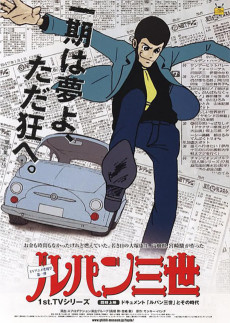
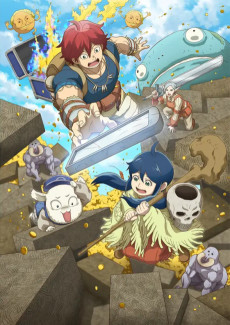
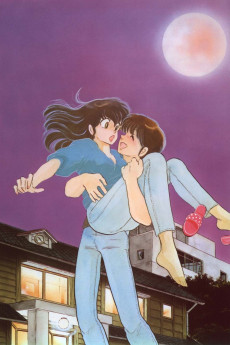
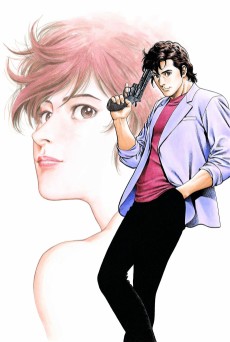
Lupin’s rooftop chase in *Part II*’s “The Mystery of Mamo” mirrors Lara’s Peruvian temple descent—both pivot on split-second spatial reads amid crumbling elegance. 🌿 Melancholic Exploration binds them: Lupin’s heists linger on abandoned palaces and rain-slicked alleys; Lara navigates sun-bleached ruins haunted by lost civilizations. Unlike most adventure media, neither glorifies conquest—they frame artifacts and vaults as elegies, not prizes.
A quiet, wandering spirit — these works find meaning in silence and empty spaces.
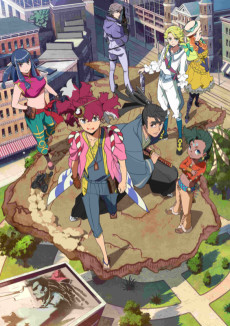
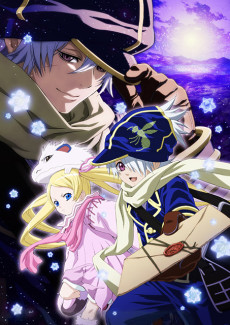
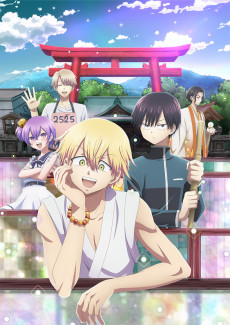
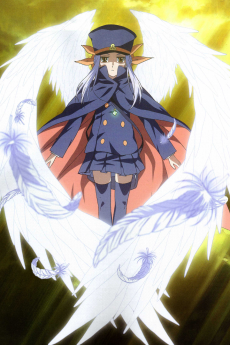
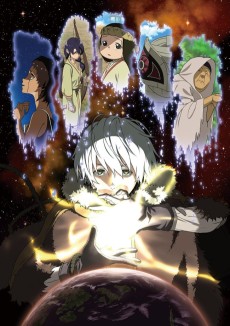
Apare’s rickety raft scraping against California’s shore mirrors Lara’s solitary descent into the lost temple of Vilcabamba—both arrivals feel like quiet, breath-held reckonings after chaotic journeys. Unlike most adventure stories that glorify conquest, *Anniversary* and *APPARE-RANMAN!* bond through 🌿 Melancholic Exploration: Lara’s solitude amid ancient ruins echoes Apare’s wide-eyed awe and loneliness in a foreign land. That shared hush before action—the pause where wonder and vulnerability meet—makes their resonance unexpectedly tender.
A quiet, wandering spirit — these works find meaning in silence and empty spaces.
A quiet, wandering spirit — these works find meaning in silence and empty spaces.
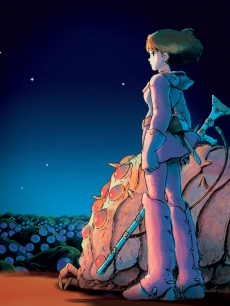
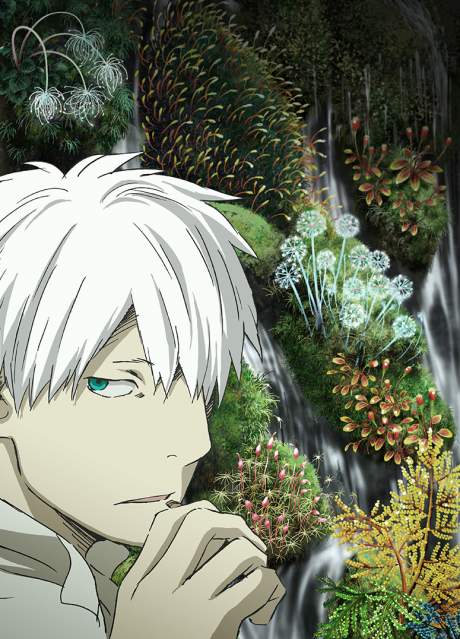
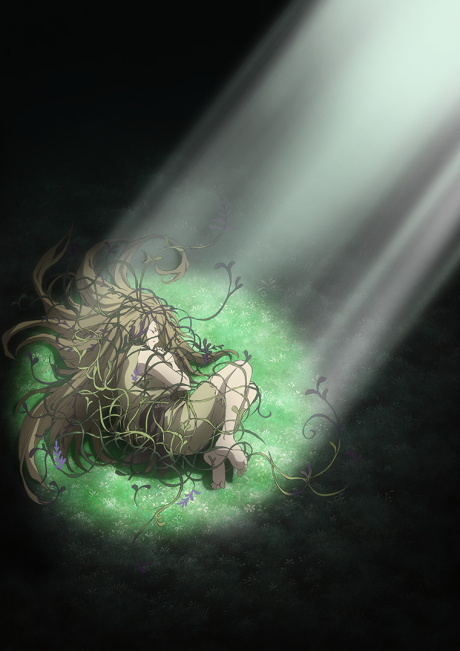
Nausicaä’s quiet reverence while tracing toxic spores in the Sea of Corruption mirrors Lara’s hushed awe before Atlantean murals—both women navigate ruins not as conquerors, but as translators of lost ecologies. 🌿 Melancholic Exploration binds them: one deciphers a poisoned world’s fragile balance; the other deciphers a dead civilization’s hubris. Unlike most action-adventures, neither reduces ancient knowledge to power—it’s grief, warning, and grace.

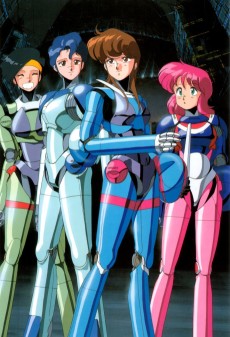
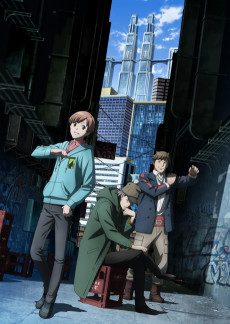
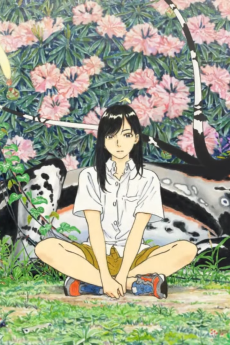
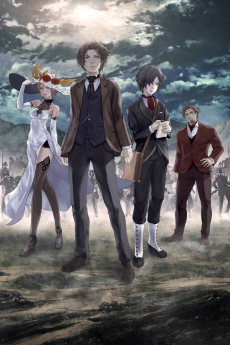
Melancholic exploration binds Lara’s solitary descent into the lost Temple of Qualopec and Charlie’s quiet walks past high school lockers—each step weighted by inherited legacies they didn’t choose. Where Lara deciphers Atlantean glyphs under flickering torchlight, Charlie analyzes his own genome in a lab notebook, both navigating hostile systems that weaponize knowledge. Their tactical warfare isn’t just combat—it’s the precise, exhausting calculus of surviving when your very existence is deemed anomalous.
A quiet, wandering spirit — these works find meaning in silence and empty spaces.












































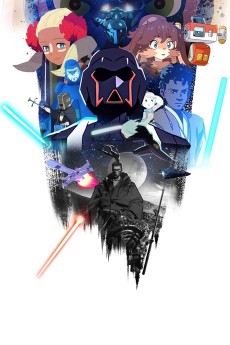



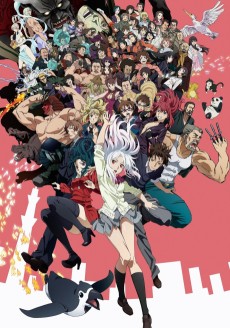

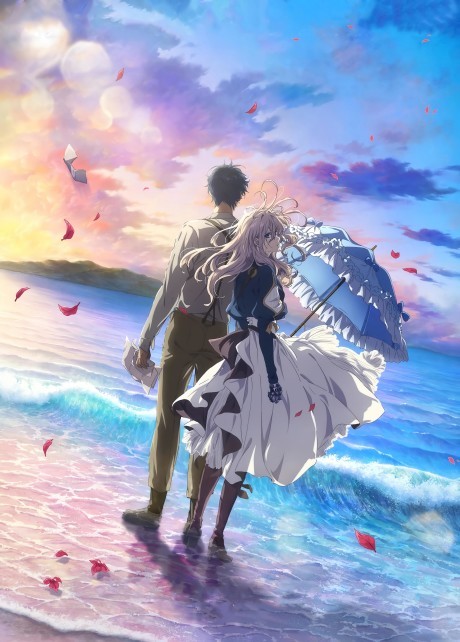

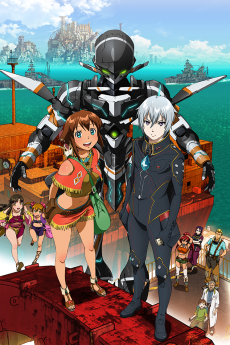
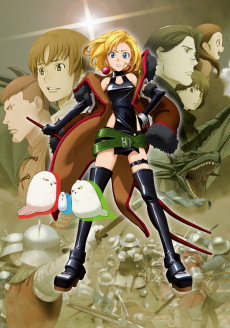
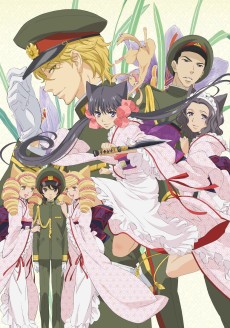
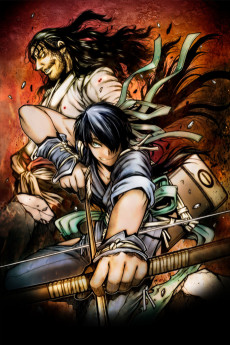
Match Dimensions Explained
❓Frequently Asked Questions
Why does Lupin the 3rd keep popping up in 'Anime Like Tomb Raider: Anniversary' lists?
Because Lupin’s globe-trotting heists—like the temple infiltration in Part 4’s 'The Woman Called Fujiko Mine' arc—mirror Lara’s Scion artifact chase: both rely on environmental puzzle-solving, split-second platforming (think Lupin scaling the crumbling bell tower in 'Farewell to Nostradamus'), and physics-based traps. The melancholic exploration vibe hits hard too—Lupin’s quiet moments gazing over Istanbul or Kyoto feel just as atmospheric as Lara alone in the lost city of Tihocan.
Is there an anime adaptation of Tomb Raider: Anniversary?
No—there’s never been an official anime adaptation of Tomb Raider: Anniversary (or any Tomb Raider game, for that matter). But fans often reach for Lupin the 3rd or Nausicaä because they nail the same core loop: a fiercely intelligent, physically capable protagonist navigating ancient ruins, deciphering glyphs, and dodging collapsing floors—just like Lara in the St. Francis’ Folly sequence where she swings across gaps and triggers timed levers.
How does SPY x FAMILY Cour 2 compare to Nausicaä for Tomb Raider: Anniversary vibes?
SPY x FAMILY Cour 2 leans into tactical warfare with tight, grounded action—like Anya’s silent infiltration of the Eden Academy gala or Loid’s precision timing during the ‘Operation Stray Dog’ mission—mirroring Lara’s stealthy takedowns and environmental traps. Nausicaä, meanwhile, delivers the grand-scale melancholic exploration: her solo trek through the toxic jungle, mapping terrain and solving ecological puzzles, feels like Lara navigating the Great Pyramid’s shifting corridors and sand-swept chambers.
What’s the best anime like Tomb Raider: Anniversary if I want that lonely, atmospheric adventure vibe?
Bartender is your top pick—it’s all about solitary, methodical exploration: the quiet weight of each pour, the slow uncovering of backstories in dimly lit bars, and that same sense of tactile presence you get when Lara carefully rotates a statue in the Temple of Qualopec to align constellations. It doesn’t have combat, but its adult & dark seinen tone and melancholic pacing—especially in episodes like ‘The Old Man’s Whiskey’—hit the exact emotional frequency of Lara walking alone through the mist-shrouded ruins of Vilcabamba.