
Golden Kamuy Season 4
📺Anime Details
📝Editorial Analysis
The smell of burnt gunpowder hangs thick over the frozen riverbank—not as smoke, but as a metallic tang on the tongue, sharp and sudden, right after Asirpa’s knife slips into the snow beside Sugimoto’s boot. He doesn’t flinch. She doesn’t apologize. They just breathe—shallow, synchronized—while the wind scrapes ice crystals across exposed skin. No music swells. No flashback interrupts. Just cold, consequence, and the quiet weight of two people who’ve stopped measuring trust in words and started weighing it in shared breaths, shared wounds, shared silence.
That’s Golden Kamuy Season 4’s atmosphere—not adrenaline, not spectacle, but presence. It’s the feeling of your boots sinking slightly into thawing tundra at dawn, of peeling boiled potatoes with numb fingers, of wiping blood off a rifle bolt while humming a folk tune you barely remember the words to. This isn’t historical fiction dressed up as action—it’s history lived, grit under fingernails, hunger in the gut, grief folded carefully into a tobacco pouch. It makes you think about how survival isn’t heroic—it’s repetitive: reloading, rewrapping, relearning how to look someone in the eye after what you’ve done. It’s deeply adult, not because it’s violent, but because it refuses to outsource meaning—to ideology, to romance, to revenge. Meaning is in the fish-skinning, the map-drawing, the way Saichi adjusts his glasses before handing Asirpa a repaired compass. It’s tender, even when it’s brutal.
Which is why Prince of Persia resonates—not the sand-warping acrobatics, but the melancholic exploration. The description calls it “an all-new epic journey” built on “new lands and a brand new story completely separate from the sands.” That separation matters: like Golden Kamuy, it trades mythic grandeur for grounded disorientation—walking ruins where memory frays at the edges, climbing crumbling walls not for glory but because the next ledge holds water, or shelter, or a single unbroken tile that might mean something. A player review notes it’s “the 3rd reboot… completely separate”—echoing how Season 4 strips away legacy, forcing characters (and viewers) to rebuild understanding from scratch, stone by stone, choice by choice. Both ache with the same kind of lonely clarity: the world is vast, indifferent, and beautiful only when witnessed closely, slowly, without fanfare.
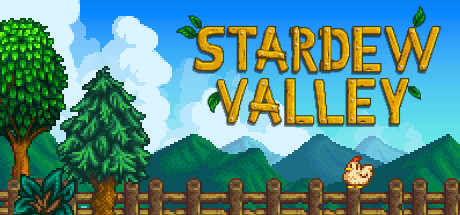
Then there’s DAVE THE DIVER, scored identically at 78 across Healing & Slow Life, Survival & Crafting, and Melancholic Exploration. Its real description doesn’t mention diving mechanics or sushi restaurants—it names the emotional architecture directly. Like Golden Kamuy, it treats labor as ritual: spearing fish isn’t gameplay—it’s rhythm, repetition, respect. You descend, you observe, you return—just as Sugimoto and Asirpa trek, hunt, translate, mend. A player review for Stardew Valley says, “Spent the first 2 years trying to do everything and never having enough time… Days upon days of constantly running around trying to find the town…” That frantic, tender exhaustion? Golden Kamuy lives there too—not in time management, but in attention management: how long can you watch a fire burn before checking the perimeter? How many times must you boil water before trusting the steam means safety? Both demand patience as discipline, not as escape.
And Bandle Tale, sharing those same three dimensions, mirrors the anime’s emotional grammar in its quiet insistence on small-scale stakes: a letter delivered, a tool sharpened, a song remembered wrong but sung anyway. Its League of Legends framing is irrelevant—the resonance is in the slowness of care, the way healing isn’t magic but mending, and melancholy isn’t despair but the soft, persistent awareness of what’s been lost—and what, against all odds, still grows.
This pairing isn’t for fans of “epic battles” or “deep lore dumps.” It’s for the person who watches Golden Kamuy Season 4 and feels their shoulders drop an inch when Asirpa braids her hair before setting out—not because she’s ready, but because this is how you steady yourself. It’s for the player who replays the same fishing dive in DAVE THE DIVER just to hear the muffled bubble-pop echo, or who spends twenty minutes in Stardew Valley arranging sprinklers not for efficiency, but because the pattern feels right. It’s for anyone who knows that the most radical act in a broken world isn’t vengeance or revolution—it’s boiling tea, sharpening a knife, and choosing—again—to walk forward, step by deliberate step, into the cold, clear light.
🎮70 Games That Match the Vibe









































Match Dimensions Explained
❓Frequently Asked Questions
Why does Prince of Persia feel so much like Golden Kamuy Season 4’s Hokkaido wilderness scenes?
Because both lean hard into melancholic exploration—Prince of Persia’s mist-draped ruins and quiet, rain-slicked cliffs echo Golden Kamuy’s haunting Hokkaido landscapes, especially the silent walks through snowy pine forests or abandoned Ainu sites. The game’s deliberate pacing, environmental storytelling (like fragmented murals hinting at lost histories), and that same weighty, reflective stillness make it feel like stepping into Asirpa’s world—just with Persian architecture instead of birch bark tents.
Is there a Golden Kamuy video game adaptation?
No official Golden Kamuy game exists—not from Shueisha, Sapporo TV, or any licensed studio. Fans often reach for games like DAVE THE DIVER or Bandle Tale because they share that rare blend of Healing & Slow Life + Melancholic Exploration + Survival & Crafting—mirroring how Golden Kamuy balances tender character moments (like Asirpa teaching the Prince Ainu words) with gritty survival stakes (hunting, foraging, navigating harsh terrain).
How does Stardew Valley compare to DAVE THE DIVER for Golden Kamuy fans?
Stardew Valley leans into cozy, long-term community-building—think Tanigawa’s slow-burn trust with villagers—while DAVE THE DIVER mirrors Golden Kamuy’s rhythm: diving deep (like Asirpa’s underwater foraging), managing oxygen and inventory under pressure, then surfacing to cook squid ink pasta or upgrade gear in your cramped dive shop. Both hit Healing & Slow Life + Survival & Crafting, but DAVE adds that urgent, breath-held tension you get during Kamuy’s tense river chases or ambushes.
What’s the best game like Golden Kamuy Season 4 if I want that quiet, healing-but-meaningful vibe?
Chains is surprisingly perfect—it’s not about action, but about gentle focus and rhythmic flow, like Asirpa patiently weaving baskets or the Prince meticulously repairing his father’s journal. Its bubble-linking mechanic creates that same meditative calm (Healing & Slow Life), and its physics-driven puzzles add just enough subtle challenge—like balancing ingredients for a medicinal broth—to keep you grounded, not distracted. Reviewers even call it ‘connect 4 in a nutshell,’ which fits Golden Kamuy’s deceptively simple, deeply intentional moments.