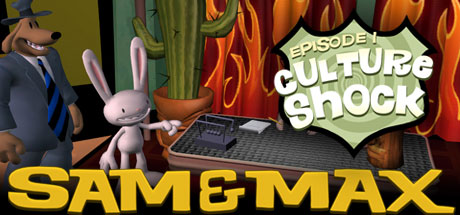
Sam & Max 101: Culture Shock
Sam & Max: Episode 1 - Culture Shock - The former child stars of the Soda Poppers TV show are wreaking havoc all over the neighborhood! But this is no ordinary tale of child stars gone awry. There's a dark force behind the Poppers' baffling antics.
🎮Game Details
💬What Players Say
"Notice: Sam & Max 101: Culture Shock is no longer available on the Steam store."
📝Editorial Analysis
The flicker of a neon soda can logo on a rain-slicked sidewalk—half-remembered, half-wrong—while Sam’s voice cuts in, dry as burnt toast: “They were child stars. Now they’re… unhinged.” That’s the first breath of Sam & Max 101: Culture Shock: not chaos for chaos’ sake, but chaos with paperwork, with punchlines that land like subpoenas, and a dread humming just beneath the cartoonish mayhem—because the Soda Poppers aren’t just acting out. There’s a dark force. Not a dragon. Not a mecha. A quiet, insidious presence, twisting nostalgia into something jagged and unrecognizable. And then—poof—the game vanishes from Steam. Not removed with fanfare, not patched or rebranded—just gone, like evidence scrubbed from a case file. That absence isn’t an afterthought. It’s part of the texture.
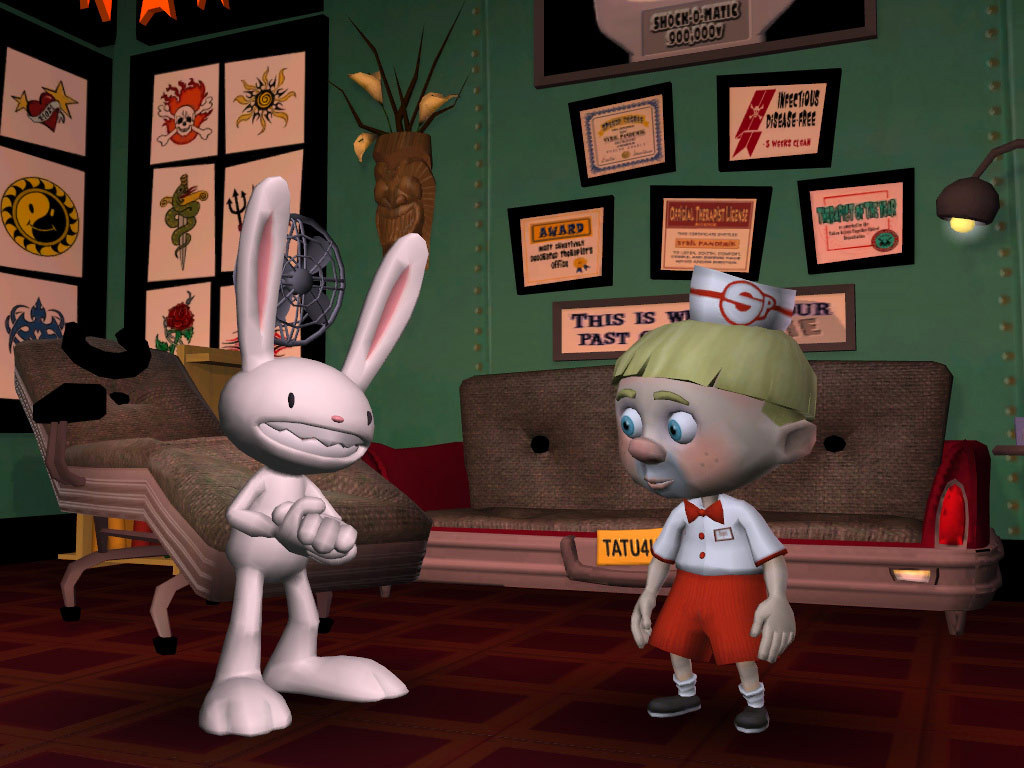
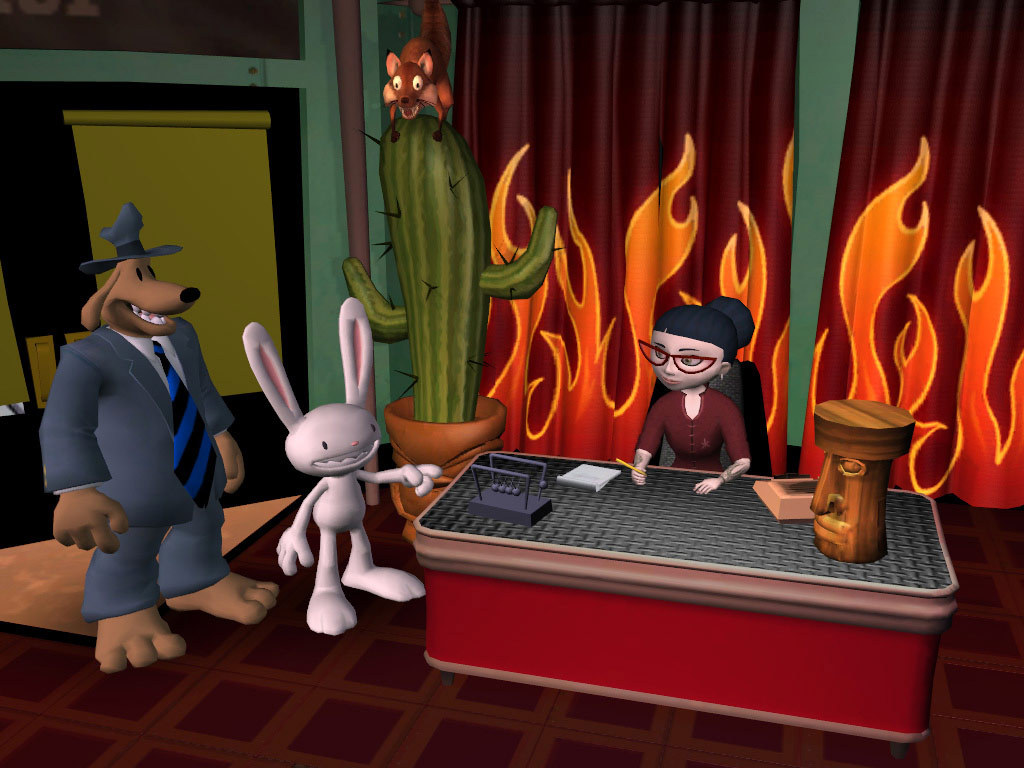

What makes Sam & Max 101: Culture Shock vibrate at this particular frequency isn’t its point-and-click mechanics or its noir parody—it’s the way it treats memory as unstable terrain. The Soda Poppers’ “baffling antics” aren’t random; they’re symptoms of something corroding the foundations of shared cultural language—the kind embedded in old TV shows, jingles, childhood icons. You don’t solve the mystery by finding a weapon or a key. You solve it by interpreting decay: why does that laugh track glitch? Why does the set dressing feel off, like a stagehand forgot to reset the props? It makes you feel unmoored, then alert, then suspicious of your own recollection. It’s not horror—but it’s uncanny, deeply so. It asks you to hold two truths at once: that the world is absurd, yes—but also that the absurdity has intent, and that intent is watching you back.
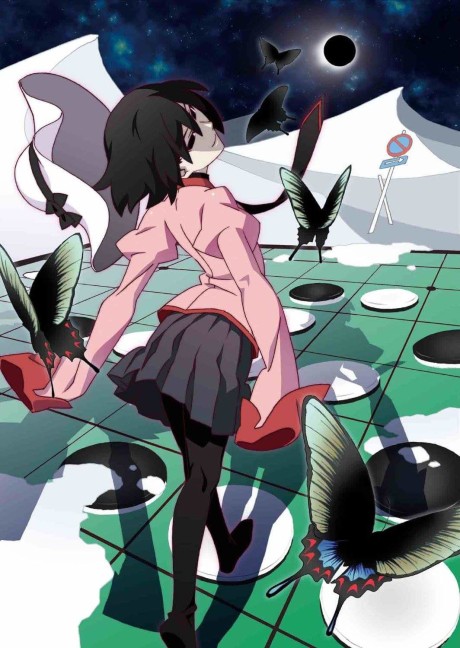
That same emotional architecture hums through Owarimonogatari, where Araragi’s narration loops, stutters, and contradicts itself—not because he’s unreliable, but because memory is recursive, self-referential, and laced with buried stakes. Like Sam parsing a Poppers rerun for subliminal cues, Araragi circles his own past until meaning fractures and reforms. Both demand you lean into the dissonance instead of smoothing it over. Then there’s Death Parade, where the veneer of gameshow glitz hides judgment that’s clinical, ritualized, and utterly devoid of mercy—the Soda Poppers’ “havoc” feels similarly staged, performative, yet charged with irreversible consequence. No grand villain monologue, just the slow dawning that the rules changed while you weren’t looking. And Kubikiri Cycle—that fever-dream collision of logic puzzles and psychological erosion—mirrors the game’s core tension: every clue feels like a misdirection and a confession, every punchline a trapdoor. All three share that Adult & Dark Seinen gravity—not because they’re violent or explicit, but because they treat cognition itself as contested ground. Mystery isn’t about whodunit. It’s about what happens to meaning when the frame breaks.
This is for the person who rewatches the opening of Death Billiards three times—not to catch the plot twist, but to feel the weight of the silence between the pool balls clicking. It’s for the reader who underlines Monogatari’s footnotes like sacred text, not for answers, but for the texture of doubt they leave behind. It’s for the player who still checks Steam, years later, just in case Sam & Max 101: Culture Shock reappears—not to play it again, but to confirm the absence was real. They don’t want resolution. They want resonance: that electric shiver when a joke lands too perfectly, a clue fits too neatly, and you realize—oh. The dark force wasn’t behind the Poppers. It was in the pause before the laugh track resumed.
→66 Anime That Match the Vibe

Layered mysteries that reward attention — every detail matters, and the truth is never simple.
Quindecim’s mirrored bar—where two men play billiards to determine their afterlife fate—echoes the warped carnival logic of Sam & Max’s Soda Poppers set, where childhood fame curdles into existential farce. Unlike most detective tales, both deploy **Mystery & Detective** scaffolding not to resolve, but to expose moral ambiguity: Max’s gun isn’t for shooting suspects, and the bartender’s cues aren’t for winning games—they’re instruments of judgment. This dark-seinen resonance feels startlingly precise: absurdity as autopsy.

Layered mysteries that reward attention — every detail matters, and the truth is never simple.
Layered mysteries that reward attention — every detail matters, and the truth is never simple.
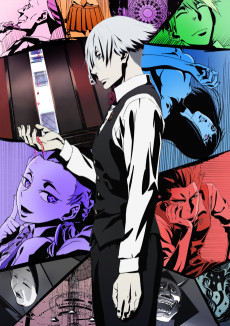
A neon-drenched bar where souls gamble for rebirth feels eerily familiar beside the Soda Poppers’ decaying TV set—both stage surreal trials that expose how performance masks trauma. Where *Death Parade*’s Decim observes human fragility through silent, ritualized judgment, Sam & Max weaponize absurdity to dissect celebrity exploitation and moral decay, grounding its *Mystery & Detective* scaffolding in warped vaudeville logic. That shared *Adult & Dark Seinen* sensibility transforms clownish chaos into incisive critique—surprising because one wears a fedora, the other a bowtie, yet both treat justice as a rigged game show.
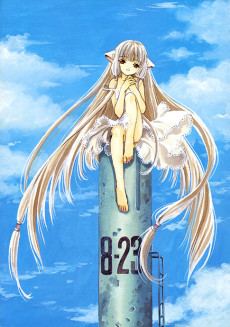
Sam’s deadpan glare as he interrogates a malfunctioning Soda Popper robot mirrors Hideki’s bewildered tenderness toward Chi’s glitching, childlike consciousness—both works treat artificial personhood as a darkly comic lens for human fragility. Unlike most detective or romance narratives, *Culture Shock* and *Chobits* fuse 🖤 Adult & Dark Seinen with absurdist satire, grounding existential questions in tactile details: frayed puppet strings, overheating Persocom joints, the quiet dread beneath sitcom laughter. That collision—of noir logic and synthetic innocence—is unexpectedly tender, not just clever.
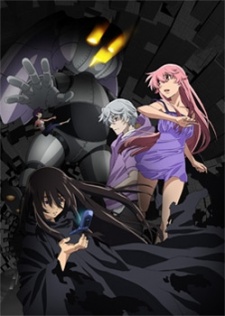
Yuno’s quiet classroom smile in *Redial*’s opening minutes—so serene, so brittle—mirrors Sam’s unnerving calm before Max detonates a soda fountain in *Culture Shock*. Both weaponize mundane settings (a high school, a suburban cul-de-sac) to stage psychological unraveling under the guise of routine, leaning hard into 🔍 Mystery & Detective framing even when the “case” is identity itself. That *Redial*’s OVA rewrites trauma through fragile hope while *Culture Shock* fractures reality with cartoonish violence makes their shared 🖤 Adult & Dark Seinen sensibility startlingly complementary—not cynical, but ruthlessly tender beneath the chaos.
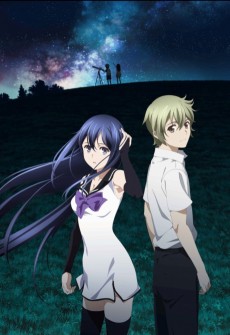
Layered mysteries that reward attention — every detail matters, and the truth is never simple.
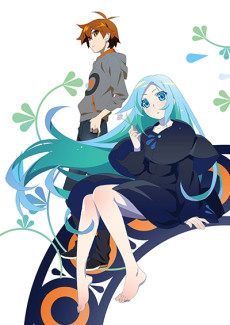
Wet Crow’s Feather Island’s claustrophobic genius enclave mirrors the Soda Poppers’ decaying TV set—both trap sharp minds in absurd, escalating crises where logic curdles into menace. Unlike most detective fare, *Culture Shock* and the *Kubikiri Cycle* OVA weaponize dark seinen tension not for shock, but to dissect how institutions (showbiz, academia) pervert intellect into cruelty. That shared **Mystery & Detective** scaffolding—Sam’s deadpan interrogations, Iria’s chilling deductions—reveals something unsettling: competence, unmoored from empathy, is the real horror.
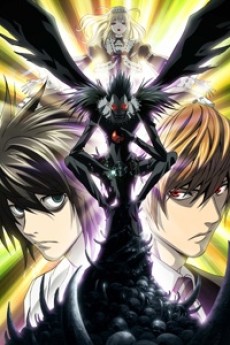
Ryuk’s sardonic, fourth-wall-breaking narration in *Death Note: Relight*—especially his gleeful commentary on Light’s unraveling god complex—mirrors Sam’s deadpan meta-humor as he dissects celebrity absurdity in *Culture Shock*. Unlike most detective pairings, neither work treats investigation as pure logic: L’s cat-and-mouse is psychological warfare; Sam & Max weaponize chaos to expose cultural delusion. This shared **Mystery & Detective** dimension thrives on irony, not answers—making their dark, adult resonance startlingly precise.
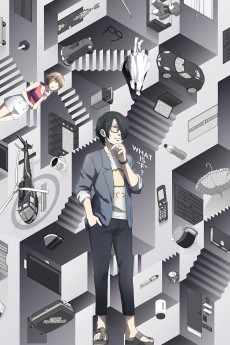




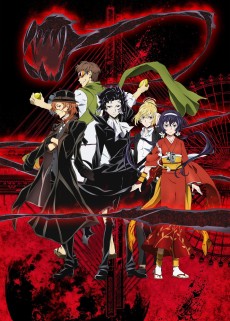


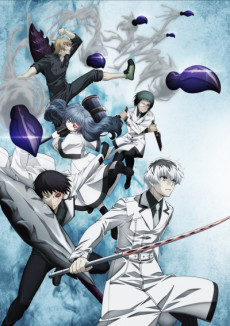


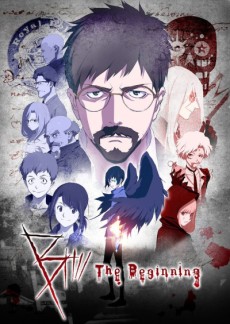


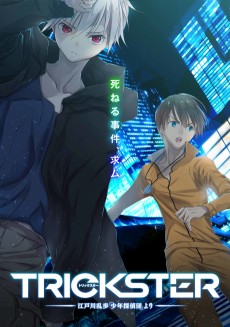







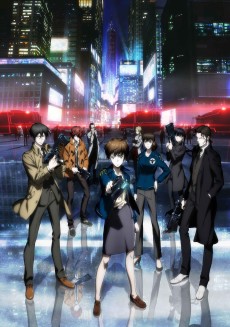


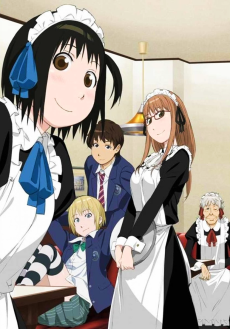

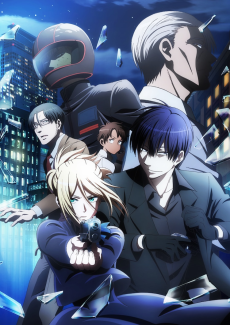
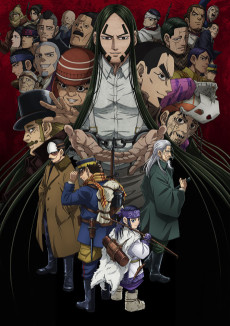
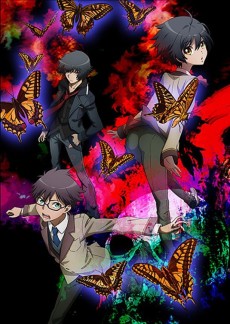
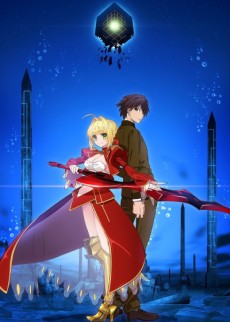

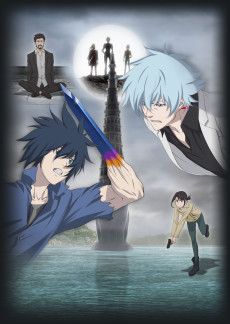

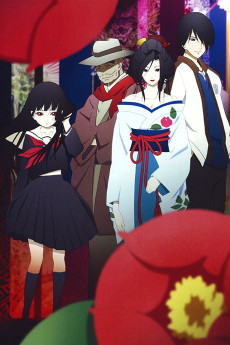

Match Dimensions Explained
❓Frequently Asked Questions
Why is Owarimonogatari listed as similar to Sam & Max 101: Culture Shock when it’s not a comedy?
Great question—it trips up a lot of people! While Owarimonogatari has dry, rapid-fire banter between Araragi and Hanekawa (think Sam’s deadpan logic vs. Max’s chaotic energy), its core DNA matches Culture Shock’s structure: a surreal, case-driven mystery where absurd surface antics (like a talking crab or a cursed staircase) hide deeper psychological and moral stakes—just like the Soda Poppers’ ‘baffling antics’ masking that dark force behind them.
Is there an anime adaptation of Sam & Max: Culture Shock?
Nope—there’s never been an official anime adaptation of Culture Shock (or any Sam & Max episode). The anime matches you’re seeing—like Death Parade or Kubikiri Cycle—are *thematic* parallels, not adaptations. They share that same tightly wound blend of detective work, adult-toned surrealism, and morally slippery characters (e.g., Decim in Death Parade judging souls over billiards, much like Sam & Max interrogating suspects while juggling nonsense).
How does Death Parade compare to The Future Diary: Redial for Sam & Max fans?
If you loved Culture Shock’s mix of sharp dialogue and escalating stakes, Death Parade hits closer: Decim and Chiyuki’s bar-side investigations mirror Sam & Max’s dynamic—dry wit, escalating tension, and cases with emotional weight (like the arcade duel in Episode 2 echoing Max’s unpredictable outbursts). Redial, meanwhile, leans harder into time-loop paradoxes and Yuno’s intensity—more like if the Soda Poppers’ ‘dark force’ had its own tragic backstory told in flashback reels.
What’s the best anime like Sam & Max 101 for fans who love the ‘weird but grounded’ vibe?
Go straight to Death Billiards—the 2013 short film that spun off Death Parade. It’s just 25 minutes of two strangers forced into a high-stakes game of billiards to determine their afterlife fate, with zero exposition and maximum tension. That tight, rule-bound absurdity? Exactly like Culture Shock’s neighborhood chaos: seemingly silly on the surface (a jazz-singing skeleton, a sentient soda can), but anchored by real stakes, character voice, and that same ‘wait—this actually makes sense’ payoff.