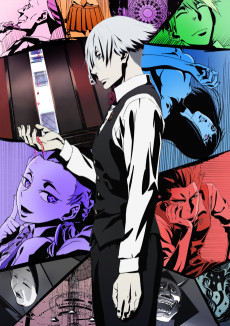
Death Parade
When two people die at the same time, they’re sent to a place that’s neither heaven nor hell—a lavish bar between worlds where the stakes are high and the rules are simple: if you win you live again, if you die… you’re gone for good.
Decim is the bartender charged with serving the souls who enter Quindecim. He may make a mean cocktail, but his true profession is to play the role of arbiter—a judge who determines whether or not a soul is worthy of reincarnation. To aid in his judgment, the bar’s patrons are forced to play simple games laced with sadistic twists designed to bring their true natures to light. To Decim, judgment has always been black and white—that is—until he meets a mysterious young woman whose fate seems impossible to decide. His indecision shakes the very foundation of the games and raises the biggest question of all: Who is fit to judge the dead?
(Source: Funimation)
📺Anime Details
📝Editorial Analysis
The clink of ice in a lowball glass. The slow swirl of amber liquid catching the bar’s dim, honeyed light. Decim’s fingers—pale, precise—resting on the counter as he watches two strangers sit down, unaware they’re already dead. Their faces hold that hollow, post-mortem confusion: no panic, no screaming, just a quiet, aching disorientation, like waking from anesthesia to find your body gone. That first sip of the cocktail isn’t refreshment—it’s the first breath in a room where every exhale weighs heavier than the last.

That’s the atmosphere: not dread, not horror—but gravity. A suffocating stillness punctuated by sudden, brutal intimacy. Death Parade doesn’t scream about mortality; it leans in, pours you a drink, and waits for you to confess what you buried while you were alive. It makes you feel the weight of unspoken regrets, the silence between truths people refuse to name, the tremor in a hand reaching for a second glass—not out of thirst, but because it’s the only thing holding them upright. There are no grand villains, no cosmic battles—just memory fragments, half-remembered arguments, and the unbearable lightness of being unmoored from consequence… until consequence arrives, polished and patient, behind the bar.
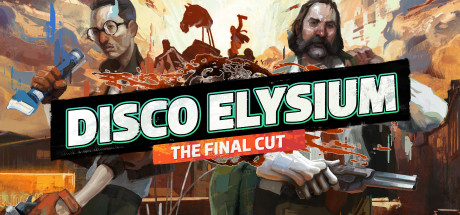
That emotional DNA pulses strongest in Disco Elysium - The Final Cut, where melancholic exploration isn’t scenery—it’s physiology. Like Quindecim’s bar, Martinaise is a liminal space thick with unresolved history, where every alleyway hums with the ghosts of choices already made. The game’s skill system doesn’t just track competence—it voices the fractures in a psyche trying to reassemble itself from trauma, amnesia, and self-deception. Just as Decim observes how a soul flinches at the word “mother” or hesitates before touching a photograph, Disco Elysium forces you to hear your own thoughts argue against your will—“Capital has the ability to subsume all critiques into itself.” That line isn’t political theory; it’s the same chilling realization a soul has mid-game when they realize their moral certainty was just another kind of cage. Both works treat memory not as data, but as wound tissue—tender, misshapen, and dangerously easy to reopen.
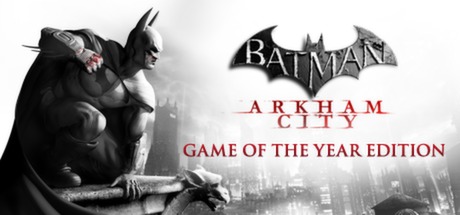
Then there’s BioShock Infinite, where time and memory aren’t narrative devices—they’re architectural materials. Booker DeWitt walks through Columbia like a man stepping across the fault lines of his own erased past, just as Death Parade’s contestants circle back to the same lie, the same betrayal, the same moment of cowardice—until the repetition becomes revelation. The player review hints at something deeper than disappointment: “I know that some people are still bitter about the Bioshock Infinite we could have gotten.” That wistfulness—the ache for an alternate version of truth—is pure Quindecim energy. Both demand you confront the story you told yourself to survive… and then watch it dissolve under the weight of what you did, not what you wished you’d done.
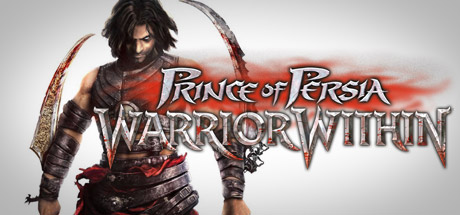
And yes—even Prince of Persia: Warrior Within shares this resonance. Not in its parkour or swordplay, but in the relentless pursuit of a past that refuses to stay buried. Dahaka isn’t chasing the Prince across rooftops—he’s chasing the Prince through time, through guilt, through the very architecture of consequence. The player review calls the chase “goated,” but what lingers isn’t the speed—it’s the exhaustion in the Prince’s breath, the way his reflection flickers in broken water, the sense that every leap is also a fall into himself. Like Decim’s games, Warrior Within’s combat isn’t about winning—it’s about surviving long enough to finally see the face of the thing you’ve been running from.
These pairings aren’t for fans of “cool fights” or “twisty plots.” They’re for the person who pauses mid-episode to stare at their own hands—wondering what they’d hide, what they’d confess, what they’d do if given one last chance to speak honestly, not to save themselves, but to finally understand why they broke in the first place. The kind of viewer who replays a 30-second bar scene three times—not to catch dialogue, but to feel the silence between Decim’s words land in their own chest. The kind of player who saves before a dialogue choice, not out of fear of failure, but because they know the real cost isn’t death—it’s recognition.
🎮97 Games That Match the Vibe

















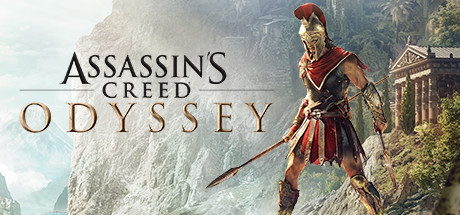
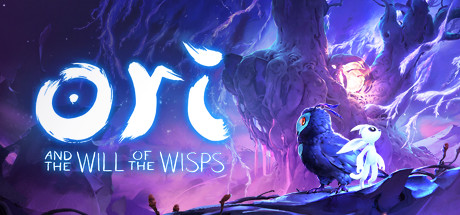
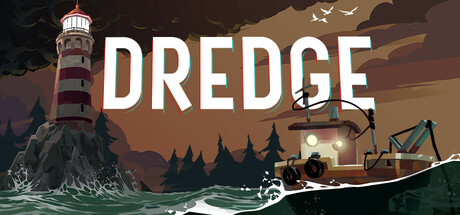
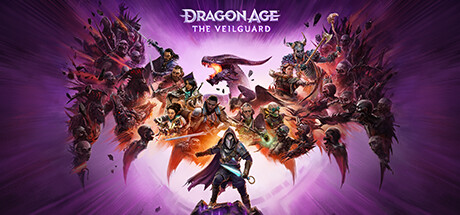




















Match Dimensions Explained
❓Frequently Asked Questions
Why does Prince of Persia: Warrior Within feel so much like a Death Parade episode?
Because both lean hard into that oppressive, time-looping dread—like when Dahaka hunts the Prince through crumbling palace corridors, echoing Death Parade’s surreal, inescapable judgment arenas. The game’s grim tone, morally ambiguous choices (e.g., sparing or killing the Empress), and themes of guilt and consequence hit the same melancholic, adult-seinen vibe as the anime’s bar scenes and memory dives.
Is there a Death Parade video game adaptation?
No official Death Parade game exists—but Disco Elysium nails the *spirit*: you’re a broken detective (like Decim’s guests) navigating emotional wreckage, interrogating people in dimly lit rooms, and confronting your own fractured psyche. Its ‘Melancholic Exploration’ and ‘Emotional Narrative’ dimensions match Death Parade’s psychological weight far more than any licensed tie-in ever could.
How is Crash Time 2 similar to BioShock Infinite?
They’re *not*—and that’s exactly why Crash Time 2 stands out on this list: it’s the only one with ‘Mystery & Detective’ *and* ‘Emotional Narrative’ *but no ‘Time & Memory’ dimension*. While BioShock Infinite layers quantum timelines and fractured identity (‘Elizabeth’s cage’, the lighthouse reveals), Crash Time 2 sticks to grounded, gritty police work—yet still earns its spot via raw narrative stakes, like uncovering a human trafficking ring while your squad fractures under pressure.
What’s the best game like Death Parade if I want that quiet, heavy, late-night introspection vibe?
Disco Elysium — hands down. When you’re sitting alone in a rain-soaked hotel room, rolling failed Logic checks while your own thoughts whisper self-loathing (‘Capital has the ability to subsume all critiques into itself…’), it mirrors Death Parade’s most haunting moments—like when a guest stares blankly at their own memory reel, realizing they’ve been lying to themselves for years.