The Dig®
An asteroid the size of a small moon is on a crash course toward Earth. Once the wayward asteroid is nuked into a safe orbit, a trio conducts a routine examination of the rocky surface. What they uncover is anything but routine.
🎮Game Details
💬What Players Say
"Genuinely one of my favorite of the old point and click adventures. The story is great, the characters are fun, the gameplay is pretty good compared to some of the moon-logic you got from point n clicks in those days. Most of the puzzles are pretty fun to solve, and straightforward enough to actually intuit on your own...."
"A classic and a must play."
"Outro jogo dos anos 90 que eu amo!"
📝Editorial Analysis
The silence after the nuke hits—not the blast, but the after: three figures in bulky suits standing on a fractured, airless plain beneath a bruised Earth hanging motionless in black. No music. No wind. Just the low hum of suit comms and the crunch of regolith under boots as they step toward something that shouldn’t be there—something uncovered. That’s the heartbeat of The Dig®: not spectacle, but revelation, quiet and irreversible, unfolding in the hollow between breaths. It’s right there in the official description—“a trio conducts a routine examination… What they uncover is anything but routine”—and echoed in player reviews calling it “genuinely one of my favorite” for its story and characters, not its puzzles; praising its feeling over its mechanics, even calling it “a classic and a must play” across languages and decades.
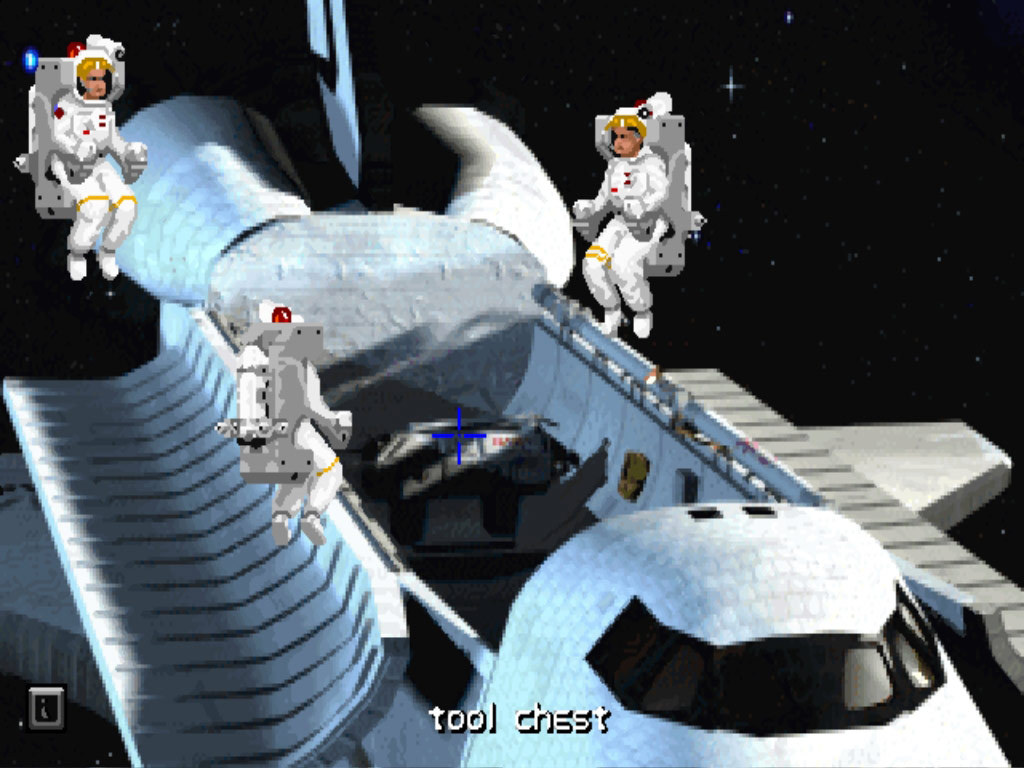
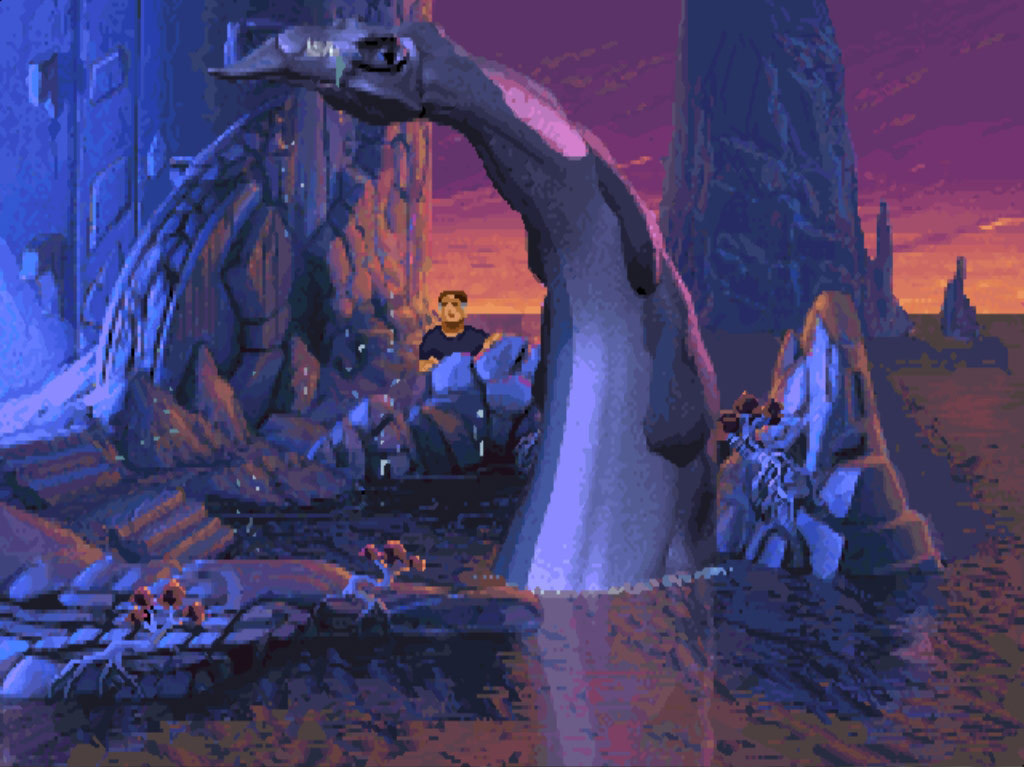
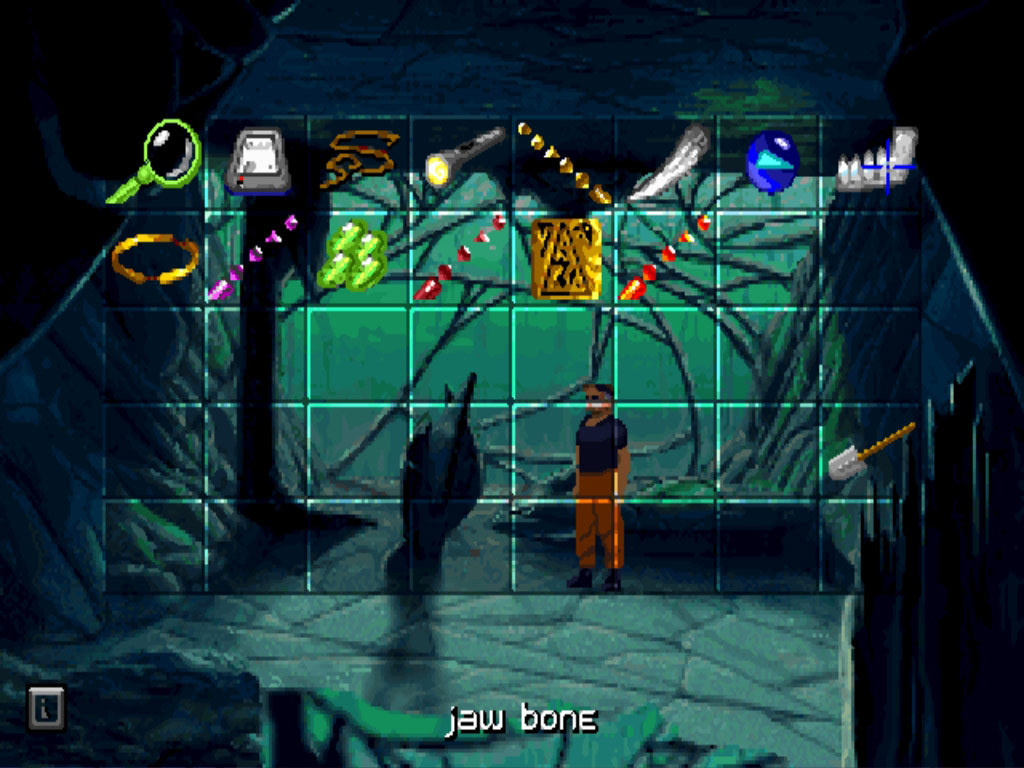
What makes The Dig® ache like this isn’t its sci-fi premise—it’s how it withholds. It doesn’t explain the asteroid’s origin, doesn’t rush the descent into alien architecture, doesn’t soften the weight of isolation or the slow dawning that human logic is insufficient. You don’t solve puzzles to win—you solve them because the silence demands response, because the environment itself feels like a question posed in a language older than syntax. It makes you feel small, yes—but more precisely, uncertain: uncertain of scale, of time, of intention. You think about legacy—not as triumph, but as residue: what survives when context vanishes? What remains legible when no one is left to translate? That’s why players remember the story first, the characters second—their banter, their doubt, their gradual unmooring—not because they’re archetypal, but because they’re anchored in real hesitation, speaking in the dry, slightly weary tones of people who’ve just realized the universe doesn’t run on Earth-time or Earth-logic.
That same hushed gravity lives in Getter Robo: Armageddon, where cosmic ruin isn’t fought with fanfare but with grim, procedural precision—spacecraft docking, sensor sweeps, crew briefings—all before the true scale of the threat collapses perception. Its shared dimensions—Sci-Fi & Space, Mystery & Detective—aren’t about gadgets or clues, but about investigation as existential labor: scanning a derelict station isn’t procedure—it’s prayer. Likewise, Macross Frontier mirrors The Dig®’s emotional rhythm in its quieter moments: the drifting observation deck scenes, the offhand dialogue about stellar cartography, the way dread accumulates not from explosions but from static on a long-range feed, from a ship’s AI hesitating before delivering coordinates. Both treat space not as a frontier to conquer, but as a vast, indifferent archive—one you’re desperately trying to read before the light fades.
Then there’s the turn inward: Death Billiards, Death Parade, and Kubikiri Cycle—all scoring high on Mystery & Detective, Adult & Dark Seinen. They share The Dig®’s core tension: the horror isn’t violence, but interpretation. In Death Billiards, two strangers play pool while their memories are parsed like forensic evidence; in The Dig®, every glyph, every chamber, every shift in gravity is a memory not your own, demanding translation without a Rosetta Stone. There’s no exposition dump—only implication, silence, and the dread of misreading. These aren’t mysteries with solutions—they’re systems built to resist closure. That’s why Kubikiri Cycle resonates so sharply: its detective doesn’t chase culprits but traces the erosion of meaning itself, parsing nonsense not to dismiss it, but to find the fracture point where sense used to live. Like the trio stepping onto that asteroid, these anime protagonists move through spaces where logic has been replaced, not broken—and the most terrifying moment isn’t danger, but the slow, chilling realization that you’ve stopped asking what happened, and started asking what kind of mind made this?
This pairing isn’t for fans of lore-dumps or power fantasies. It’s for the person who rewatches the scene where the camera lingers on a cracked viewport—not to see the monster outside, but to watch the reflection of the protagonist’s face, slack with exhaustion and dawning awe. It’s for the reader who underlines not the plot twist, but the line where a character says, “We don’t know what it wants. We only know it’s waiting.” It’s for those who love the weight of unanswered questions—not because they crave answers, but because they trust the silence enough to stand inside it, boots crunching on alien dust, heart pounding not from fear, but from the sheer, holy vertigo of being seen—by something ancient, silent, and utterly, devastatingly other.
→45 Anime That Match the Vibe
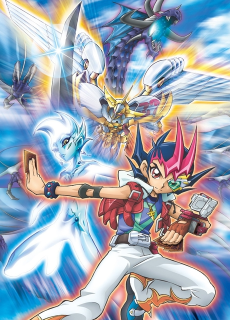
Connected through 2 aesthetic dimensions.
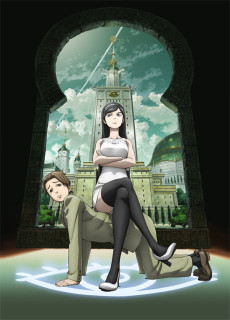
Connected through 2 aesthetic dimensions.

A cold, silent asteroid drifts past Earth’s orbit in *The Dig*—not as a weapon, but as a tomb holding alien intelligence and unanswered questions. *Macross Frontier*’s frontier fleet carries that same hushed awe: when the Vajra’s bioluminescent hive-mind emerges from deep space, it mirrors the game’s revelation of crystalline sentience buried in rock—both pivot on **Mystery & Detective** logic amid cosmic scale. Unlike most mecha or adventure stories, neither offers easy answers; they trust silence, geometry, and music (Sheryl’s songs, the Dig’s harmonic resonance) to voice the ineffable.
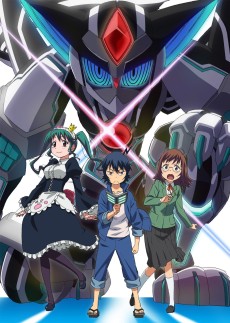
Connected through 2 aesthetic dimensions.

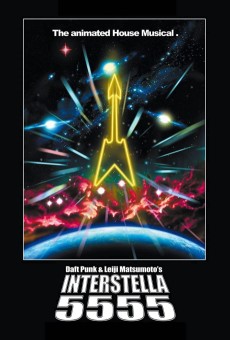
Connected through 2 aesthetic dimensions.

Ryoma Nagare’s claustrophobic prison cell—cold, fluorescent, and charged with existential dread—mirrors the suffocating silence aboard the asteroid *Phobos* in *The Dig®*, where isolation curdles into cosmic revelation. Both pivot on **Mystery & Detective** logic: Saotome’s resurrection isn’t just plot twist but a forensic puzzle echoing the game’s slow-unfolding alien archaeology. Unlike most mecha or adventure stories, *Armageddon*’s gothic horror and *The Dig®*’s existential sci-fi converge where human inquiry cracks open realities too vast—and too ancient—for comprehension.

Layered mysteries that reward attention — every detail matters, and the truth is never simple.

Connected through 2 aesthetic dimensions.

Connected through 2 aesthetic dimensions.


























Match Dimensions Explained
❓Frequently Asked Questions
Why does Getter Robo: Armageddon keep popping up in 'Anime Like The Dig®' lists?
Because both hinge on a looming cosmic threat—The Dig®’s asteroid collision and Getter Robo: Armageddon’s planetary-scale invasion—and feature tight-knit trios (Ben, Teisel, and the Professor vs. Ryōma, Hayato, and Musashi) unraveling layered mysteries through grounded sci-fi logic, not just spectacle. You’ll feel that same tense, discovery-driven pacing when the Getter Team first analyzes the alien ‘Gorg’ debris, much like the trio’s slow, methodical surface scan turning into full-blown existential dread.
Is there an anime adaptation of The Dig®?
No—LucasArts never adapted The Dig® into an anime, and none of the matching titles (like Macross Frontier or Death Parade) are official adaptations. That said, Macross Frontier hits similar emotional and structural notes: its spacefaring cast investigates strange phenomena aboard the Megaroad-01 colony ship, with scenes like Alto’s solo sensor sweep of the Vajra’s bio-signature echoes feeling like The Dig®’s quiet, atmospheric surface exploration before everything unravels.
How does Death Parade compare to The Dig® in tone and pacing?
Both start deceptively calm—The Dig®’s sterile asteroid survey, Death Parade’s hushed barroom introductions—then steadily peel back layers to reveal haunting, morally ambiguous truths. Think of how The Dig®’s ‘routine examination’ spirals after the first cave-in and the discovery of the crystalline lifeforms, mirroring Decim’s quiet observation of human choices before revealing the grim stakes of the afterlife games in episode 3’s ‘Oasis’ arc.
What if I love The Dig®’s slow-burn mystery and eerie isolation but hate mecha or romance? What’s best for that vibe?
Go straight to Kubikiri Cycle: The Blue Savant and the Nonsense User—it’s pure cerebral tension with zero mecha or romance, just two sharp minds (Kubikiri and the Blue Savant) dissecting a locked-room murder in a decaying, snowbound mansion. Its claustrophobic pacing, heavy use of deduction mechanics (like cross-referencing alibi timelines), and that same ‘something’s deeply wrong beneath the surface’ unease mirror The Dig®’s descent from routine scan to chilling revelation in the subterranean caverns.