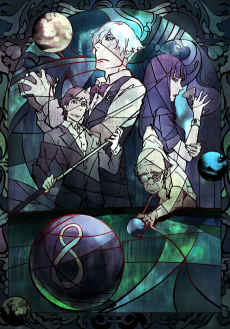
Death Billiards
Two men have just arrived at a location known as Quindecim and are unable to remember how they got there. They are immediately greeted by a young woman who escorts them to a small bar, where a bartender awaits them. They are told that they will have to participate in a game, randomly chosen by roulette, and will be unable to leave until its completion; if they refuse, the consequences will be dire. In addition to the rules of the game, the two men are told to play as if their lives are at stake.
The game that has been chosen is billiards. But there's more to it than just pocketing pool balls, as the two are about to find out the outcome could mean life or death.
Death Billiards is one of the four anime works that each received 38 million yen (about US$480,000) from the "2012 Young Animator Training Project." Just like in 2010 and 2011, the animation labor group received 214.5 million yen (US$2.65 million) from the Japanese government's Agency for Cultural Affairs, and it distributed most of those funds to studios who train young animators on-the-job.
📺Anime Details
📝Editorial Analysis
The clink of a cue ball striking slate—sharp, hollow, final—echoes in a silence so thick it hums. Two men sit across from each other in a bar lit like a memory: amber light pooling on dark wood, smoke curling from unseen sources, the bartender’s expression unreadable behind rimless glasses. Neither remembers dying. Neither remembers living—not really. They just are, suspended between breaths, with chalk dust on their fingers and judgment already waiting at the edge of the table.
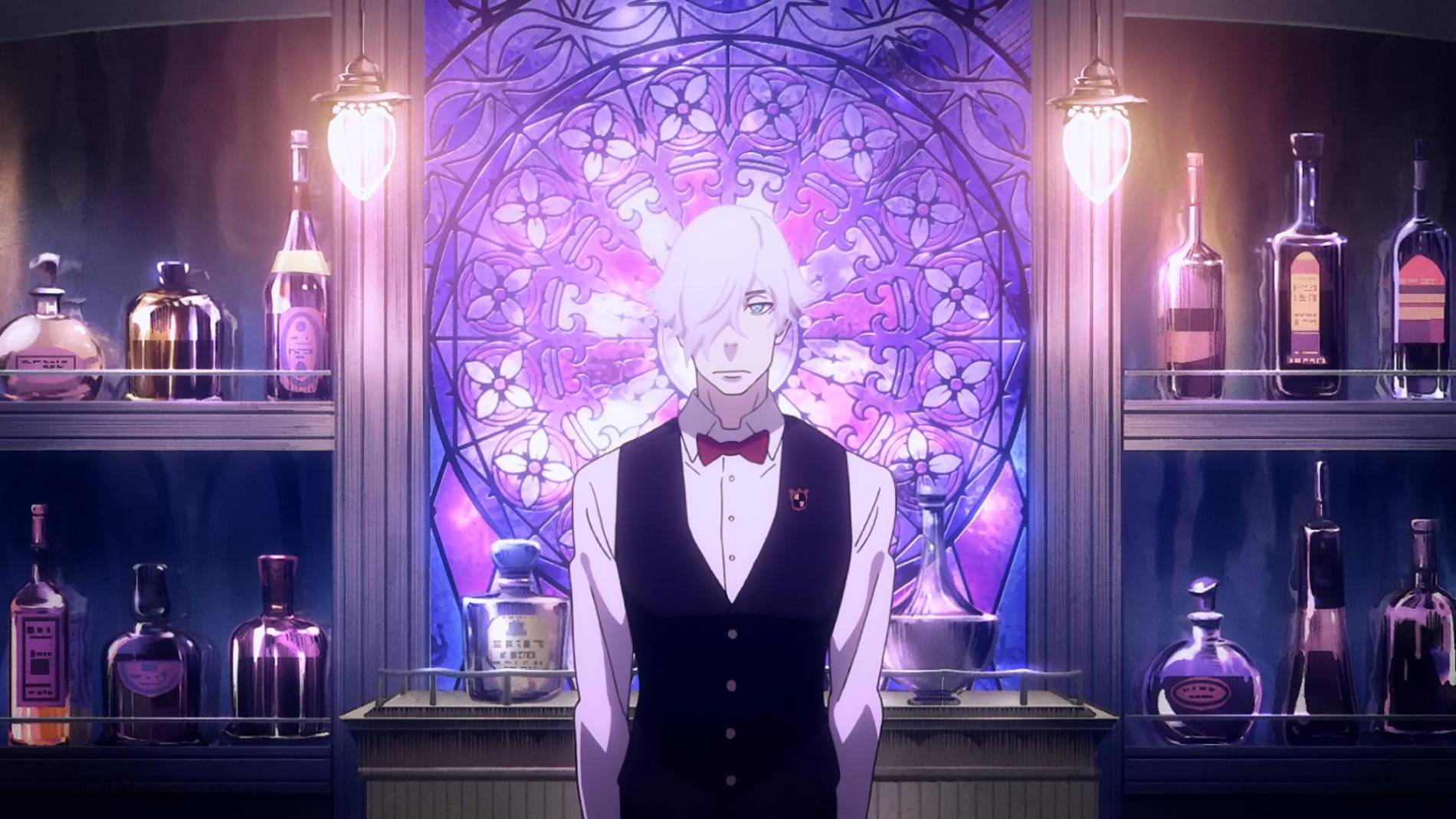
That silence isn’t empty. It’s charged. Not with dread alone, but with the unbearable weight of being seen—truly seen—after a lifetime of performance. Death Billiards doesn’t scream. It exhales slowly, then holds it. Its atmosphere is the hush before confession, the pause after a lie you’ve told so long it feels like truth. You don’t feel scared—you feel exposed. Every glance exchanged between the two men carries decades of unspoken regret, every sip of whiskey tastes like time running out, and the bar itself isn’t a setting—it’s a courtroom disguised as comfort. There are no monsters here, no villains in cloaks—just mirrors, polished and merciless.
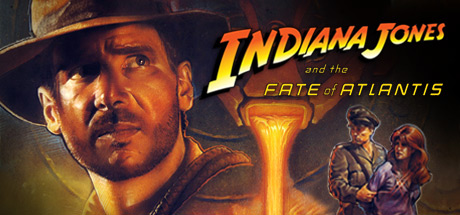
Which makes the resonance with certain games uncanny—not because they share plot points, but because they share moral gravity masked as routine. Take Indiana Jones® and the Fate of Atlantis™, described as “An archaeological wonder trapped in amber” where “Nazi agents are about to get their hands on a weapon more dangerous than the atom bomb.” That phrase—trapped in amber—is the key. Like Quindecim’s bar, Indy’s 1939 world is frozen mid-collapse: history poised to shatter, ethics reduced to split-second choices in shadowed temples and dimly lit docks. The player doesn’t just solve puzzles—they weigh consequence against convenience, truth against survival. A review calls it a masterpiece “crafted entirely” before graphics overtook imagination—and that’s precisely what Death Billiards does: trusts silence, subtext, and stillness to carry the heaviest truths.
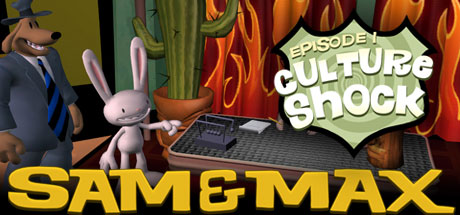
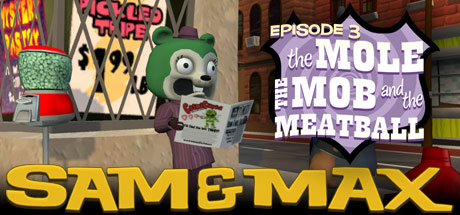
Then there’s the Sam & Max series—specifically 103: The Mole, the Mob and the Meatball, where “the commissioner is looking into an underground operation at the Ted E. Bear Mafia-Free Playland and Casino.” A casino. A mob. A playland—all wrapped in bureaucratic absurdity. That dissonance—childlike branding over lethal stakes—is pure Quindecim logic. The bar looks harmless. The game seems trivial. But beneath the veneer of rules and roulette, something ancient and absolute is at work. Player reviews note “Great reboot of a legendary game” and urge downloading tools “to play in 1080p”—a longing to restore clarity, to sharpen focus on what’s really happening. Just like watching Death Billiards, where every frame begs you to lean in, to catch the tremor in a hand, the flicker in an eye—not for clues, but for proof that someone else is also feeling this quiet, suffocating recognition.
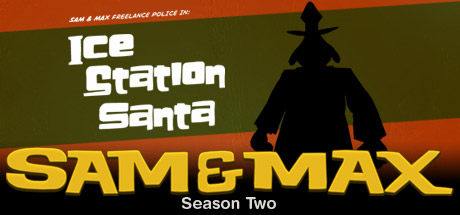
And Sam & Max 201: Ice Station Santa, where “He’s the most ancient and powerful opponent they’ve ever faced, a hairy, bloated, pagan God—Santa Claus!” Here, myth wears a red suit and wields candy canes like scepters. The horror isn’t in the monster—it’s in how familiar it feels. Like the bartender’s calm, like the roulette wheel’s indifferent spin: systems dressed in comfort, enforcing irrevocable verdicts. A review calls it “Funny as heck” and “hilarious game play”—but the laughter cracks under pressure, revealing something older and colder underneath. That tonal duality—levity pressed hard against abyss—is the exact emotional architecture of Death Billiards: a smile that doesn’t reach the eyes, a joke told while staring down eternity.
This pairing isn’t for fans of spectacle or speed. It’s for the person who replays a single dialogue tree three times—not to optimize, but to hear how the voice actor breathes between lines. For the one who pauses Indiana Jones not to admire the pixel art, but to stare at the way light falls across a temple wall, wondering what the character doesn’t say. For the player who laughs at Sam & Max’s chaos, then sits quietly afterward, unsettled by how much of their own life runs on similarly arbitrary, unexamined rules. These are stories for those who know that the most terrifying games aren’t played with dice or decks—but with memory, mercy, and the unbearable, beautiful weight of being known.
🎮38 Games That Match the Vibe




Match Dimensions Explained
❓Frequently Asked Questions
Why does Death Billiards feel so much like Sam & Max but with way more tension?
Because both lean hard into noir-tinged absurdism and sharp dialogue—but Death Billiards swaps Sam & Max’s cartoonish chaos for claustrophobic, high-stakes moral ambiguity (like that chilling final pool game where the bartender silently judges your choices). Games like Sam & Max 103: The Mole, the Mob and the Meatball nail the same detective-comedy tone, but none match Death Billiards’ razor-thin tension—only Indiana Jones® and the Fate of Atlantis™ comes close with its 1939 Nazi artifact race and that gut-punch ‘Atlantis isn’t what you think’ reveal.
Is there a Death Billiards anime or game adaptation?
No official adaptation exists—Death Billiards remains a standalone 2013 anime short, and nothing’s been greenlit since. But if you’re craving that same vibe in playable form, Sam & Max 101: Culture Shock delivers identical energy: absurdist stakes (a soda-pop cult!), rapid-fire banter between a dog and a rabbit, and that same 'what’s real?' unease—especially when Max casually dismembers a sentient meatball in 103 while Sam sighs about bureaucracy.
How do Sam & Max 104: Abe Lincoln Must Die! and Indiana Jones® and the Fate of Atlantis™ compare as Death Billiards alternatives?
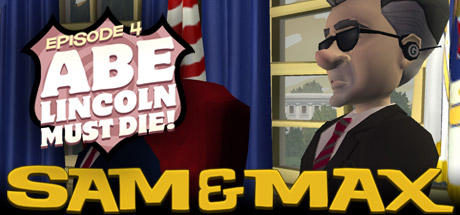
Both share Death Billiards’ blend of dark humor and existential weight—but diverge sharply: Indy leans into historical dread (that Atlantean chamber scene where the walls close in feels like Death Billiards’ pool hall on steroids), while Abe Lincoln Must Die! trades archaeology for satire—Sam & Max literally debate whether Lincoln’s pudding embargo is a constitutional crisis. Both scored 81 and live in the same 'Adult & Dark Seinen' lane, but Indy’s mystery feels urgent and physical; Sam & Max’s is gloriously unhinged.
What’s the best Death Billiards-like game if I want something dark but funny with moral weight?
Go straight to Sam & Max 201: Ice Station Santa—it’s got Death Billiards’ tonal whiplash down cold: a murderous Santa, carols sung over gunfire, and that moment when Sam stares into a snow globe and says, 'This isn’t Christmas. This is judgment.' Like Death Billiards’ silent bartender, Santa’s not evil—he’s *cosmically disappointed*. And just like the pool hall’s final choice, Ice Station Santa forces you to pick between saving the world or saving your partner… with zero music cues to tell you which is right.