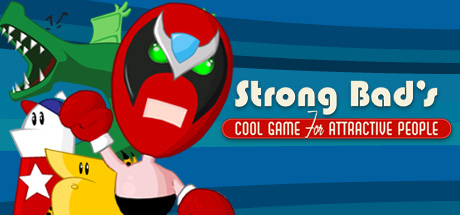
Strong Bad's Cool Game for Attractive People: Season 1
Enjoy Strong Bad's wacky comedic adventures over 5 full episodes!
🎮Game Details
💬What Players Say
"With the recent remake of Poker Night, I hope Skunkape considers bringing this game back next."
"this game is genuinely so peak for so many reasons skunkape bring it back and my life is yours"
"Great game if you love Homestar Runner, sucks that its no longer available."
📝Editorial Analysis
The first time Strong Bad leans into the camera, squinting one eye while holding a crumpled napkin like it’s a classified document—that is the game. Not a cutscene, not a boss fight—just him, mid-sentence, muttering something about “attractive people” and “the mail,” before abruptly tossing the napkin over his shoulder like it’s evidence he’s already decided to ignore. That’s Strong Bad's Cool Game for Attractive People: Season 1: five episodes of unapologetic, self-aware chaos where the punchline lands because it shouldn’t, where logic folds like printer paper in a humid basement, and where every interaction feels like overhearing a conversation between two people who’ve been friends since third grade and still haven’t agreed on what “sarcasm” means. The official description calls it “wacky comedic adventures”—yes—but the player reviews say more: “peak,” “my life is yours,” “sucks that it’s no longer available.” That ache isn’t nostalgia for pixels or puzzles. It’s grief for a tone so rare it feels like losing a dialect—warm, abrasive, deeply personal, and utterly untranslatable.
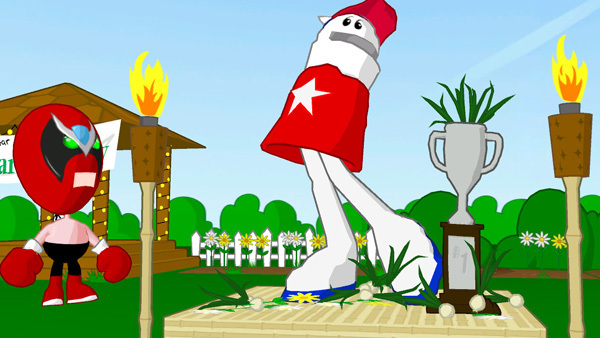
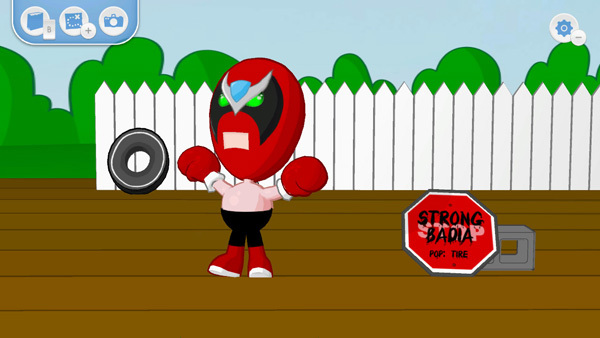

What makes this game’s atmosphere unique isn’t its Flash-era jank or its Homestar Runner roots—it’s how it weaponizes intimacy. You’re not watching Strong Bad; you’re in the room with him, breathing the same air thick with dust motes and half-remembered inside jokes. There’s no fourth wall—there’s a couch, a busted laptop, and Strong Bad handing you a fake ID he printed on cereal box cardboard. It makes you feel seen, not as a player, but as a co-conspirator in the absurd. It makes you think about how comedy can be tender when it refuses to take itself seriously—even as it takes you seriously enough to include you in the joke. It’s affectionate, not ironic. It’s exhausting, not exhausting of you—it leaves you winded, grinning, slightly guilty for laughing at something so dumb and so true. That feeling—the warmth of shared delusion, the comfort of being weird together—is its emotional DNA.
That’s why Oshi No Ko, despite its glittering idol stage and noir undertow, shares its pulse. Both treat performance as identity-as-collage: Strong Bad’s wrestling persona, his email aliases, his “cool” affect—all mirrors of Aqua’s curated idol self, her mother’s legacy, the script behind every smile. The Emotional Narrative dimension isn’t about tragedy—it’s about how deeply we invest in the fictions we build to survive, and how Music & Idol becomes the language for that investment. When Strong Bad belts out a song about a toaster, it’s not parody—it’s devotion in drag. So is Aqua’s first solo performance: technically flawless, emotionally raw, built on scaffolding she didn’t choose but now owns.
BOCCHI THE ROCK! hits even closer—not because of guitars or band practice, but because of Comedy & Parody that never mocks the vulnerability beneath. Bocchi’s spirals, her overthinking, her desperate attempts to “act normal” mirror Strong Bad’s own frantic self-mythologizing: both are characters performing competence while whispering panic into the void. The Emotional Narrative here is about the exhaustion of maintaining a persona—and the quiet relief when someone gets it, laughs with you, not at you. When Bocchi finally plays a clean riff, it’s triumphant. When Strong Bad accidentally solves a puzzle by misreading the instructions, it’s victorious. Same energy: relief, recognition, release.
And then there’s Perfect Blue—not for its psychological horror, but for how both works use Comedy & Parody as camouflage for real disorientation. Strong Bad’s emails aren’t just gags—they’re fragmented identity shards, each one a different voice shouting over the others. Mima’s idol persona, her acting role, her online diary—all flicker in and out of coherence, just like Strong Bad’s “Cool Game” title, which is both sincere and sarcastic, invitation and warning. The Emotional Narrative isn’t “who am I?”—it’s “who do I get to be today, and will anyone notice if I switch mid-sentence?” That’s the shared breath between them: uncertainty, agency, play.
This is for the person who rewatches the same 90-second clip of Strong Bad trying to operate a fax machine—not for the gag, but for the way his voice cracks on “it’s not a ghost, it’s a glitch”—and feels something physical in their chest. For the one who watches Bocchi hyperventilate before stepping onstage and thinks, oh, that’s me, but with better hair. For the one who hears “Idol” and doesn’t think fame, but translation: the act of turning your messy, contradictory self into something that fits in a world that keeps asking you to shrink. They don’t want escapism. They want recognition. And they’ll find it—not in perfection, but in the glorious, trembling, human* mess of a napkin tossed over a shoulder, a guitar chord struck off-key, a bow held too long, a laugh that starts as a cough and ends as a lifeline.
→297 Anime That Match the Vibe

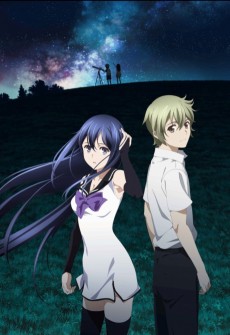
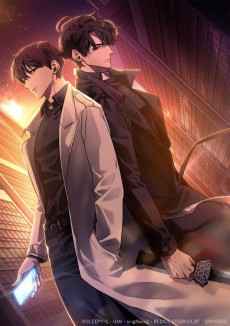
Strong Bad’s chaotic karaoke interludes—where pitch-perfect idol pop clashes with warped cassette tape distortion—mirror Ai Hoshino’s glittering performances, each masking psychological fractures beneath choreographed perfection. 🔍 Mystery & Detective pulses in both: Strong Bad’s half-baked sleuthing across Homestar Runner’s absurdist town echoes Gorou’s quiet, morally ambiguous investigation into celebrity exploitation and reincarnated trauma. That shared tension—between infectious music and buried darkness—makes their resonance startlingly coherent, not coincidental.

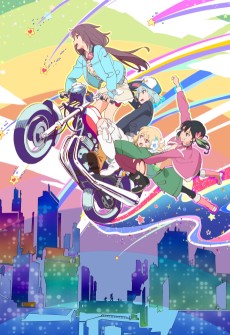
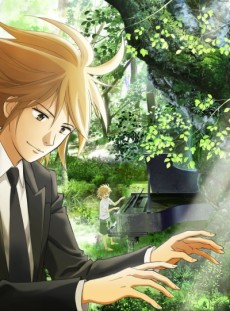
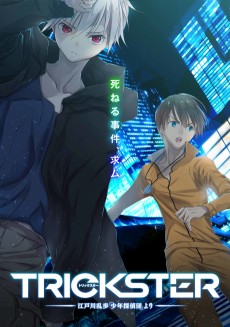
Strong Bad’s off-key, self-aware guitar solo in “Dangeresque 3” mirrors Bocchi’s trembling, over-rehearsed air-guitar breakdown before her first live show—both weaponize musical awkwardness as emotional catharsis. 😂 Comedy & Parody isn’t just backdrop; it’s the nervous system connecting their cringe-born vulnerability to genuine growth. Unlike most coming-of-age stories, neither flinches from the physicality of social terror—the sweat, stammering, and surreal visual metaphors (like Bocchi’s shrinking limbs or Strong Bad’s cartoonish panic spirals) make their breakthroughs feel earned, not easy.

Mima’s fractured reflection in the bathroom mirror—her idol self warring with her actress self—echoes Strong Bad’s pixelated, fourth-wall-shattering monologues where comedy *is* the coping mechanism for identity collapse. Unlike most parodies, both weaponize 🎵 Music & Idol not for satire alone, but as psychological scaffolding: Mima’s pop songs haunt her dissociation; Strong Bad’s garage-band interludes puncture reality just before emotional rupture. That tension between 😂 Comedy & Parody and 💔 Emotional Narrative isn’t contrast—it’s the same nerve, exposed differently.
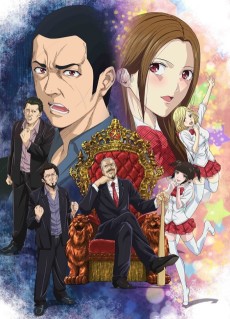
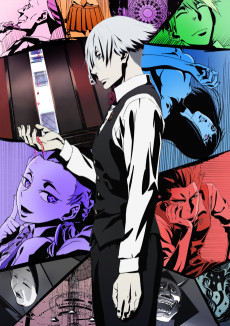
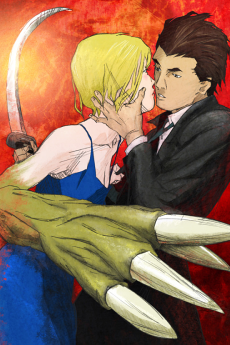
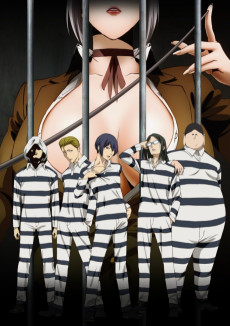
Strong Bad’s off-key garage-band anthem “The Ballad of the Skeleton” and the Gokudols’ desperate, glitter-drenched debut performance share a defiantly unpolished musical energy—where idol aspiration collides with bodily absurdity. Unlike most comedy-media pairings, neither work treats transformation as metaphor: it’s literal, messy, and weaponized for laughs—body horror isn’t backdrop but punchline, from Strong Bad’s rapidly decaying “Cool Tapes” to the yakuza’s Thai clinic consultations. That shared commitment to music-as-coping-mechanism, laced with genuine pathos beneath the parody, makes their resonance startlingly sincere.
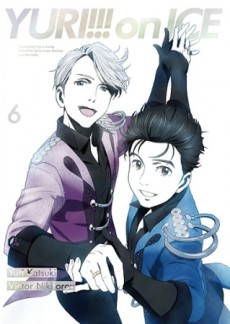
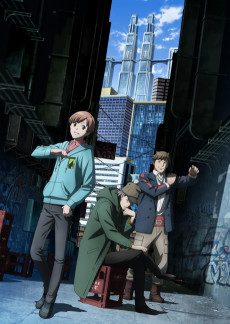
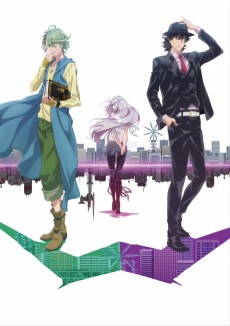
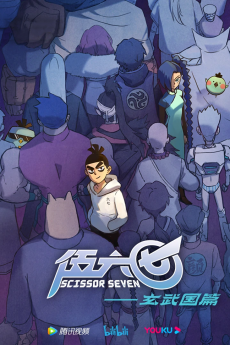
Strong Bad’s off-key, self-aggrandizing karaoke in Episode 3 clashes gloriously with Yuri P. and Otabek’s synchronized, high-stakes GPF exhibition—yet both pivot on 🎵 Music & Idol as performative armor against vulnerability. Where Strong Bad weaponizes absurdity to deflect sincerity, Yuri P. channels raw nerves into athletic grace, revealing how competition becomes emotional choreography. That contrast makes their resonance thrilling: not harmony, but a duet of defiant self-expression across wildly different keys.
Connected through 3 aesthetic dimensions.

Connected through 3 aesthetic dimensions.
Connected through 3 aesthetic dimensions.

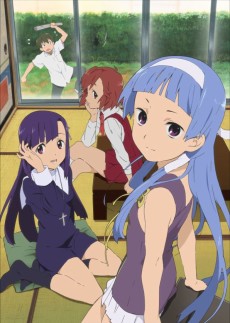
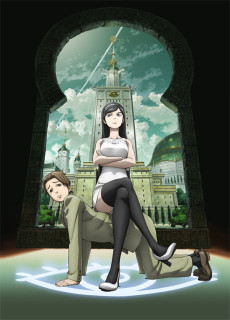
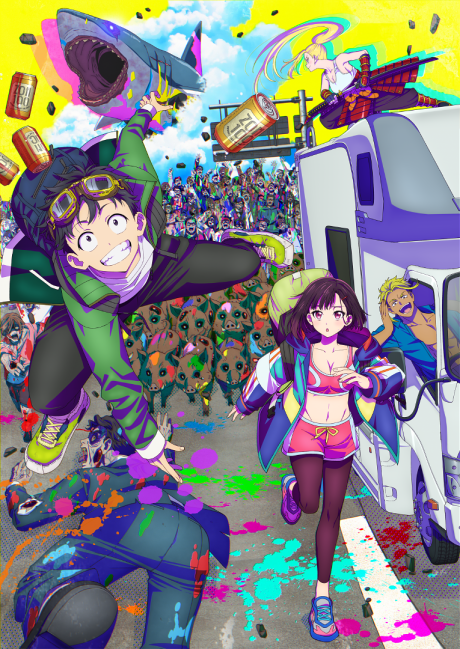
Strong Bad’s off-key, synth-splattered “Trogdor!” karaoke jam mirrors Sakura Minamoto’s defiantly off-pitch zombie-idol debut in *ZOMBIE LAND SAGA*’s first episode—both weaponizing musical awkwardness as comedic and emotional armor. Where *Strong Bad’s Cool Game* fractures reality with fourth-wall-shattering VHS glitches, *ZOMBIE LAND SAGA* Season 1 uses undead absurdity to expose the artifice of idol culture itself. This shared commitment to 🎵 Music & Idol as satire—not spectacle—makes their resonance deeply structural, not just tonal.
Connected through 2 aesthetic dimensions.







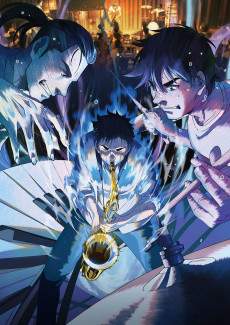

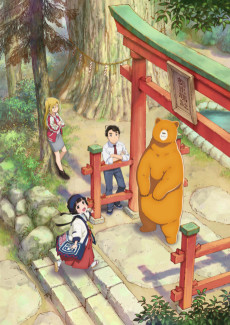
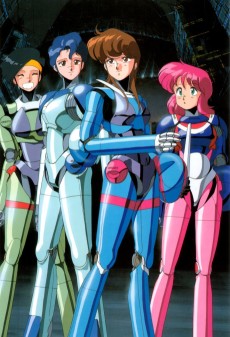
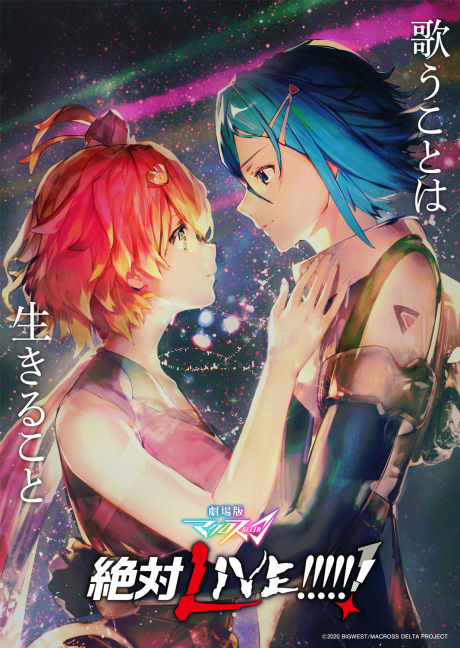

























![[Oshi no Ko] Final Season](https://s4.anilist.co/file/anilistcdn/media/anime/cover/medium/bx209827-rjOeCZB6LqAg.jpg)
















































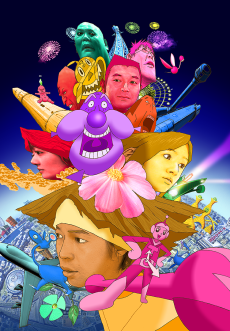
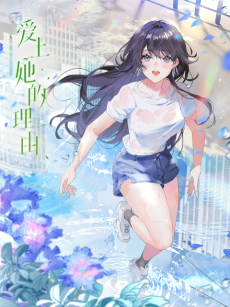
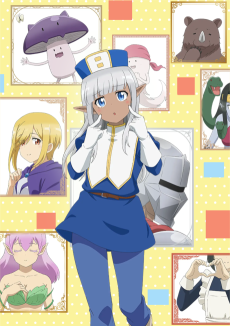
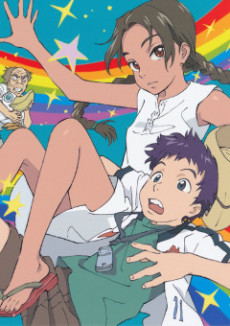






















Match Dimensions Explained
❓Frequently Asked Questions
Why is BOCCHI THE ROCK! considered similar to Strong Bad's Cool Game for Attractive People?
Because both lean hard into self-aware, fourth-wall-breaking comedy—like when Bocchi freezes mid-air during a panic attack while Strong Bad literally pauses gameplay to roast your choices. They also share that hyper-stylized, low-fi visual charm: Bocchi’s exaggerated sweat drops and chibi freak-outs mirror Strong Bad’s cartoonish slapstick and text-based gags (e.g., typing 'HELP' only to get 'NO.' in response).
Is there an anime adaptation of Strong Bad's Cool Game for Attractive People?
Nope—no official anime adaptation exists. The game itself is a self-contained Homestar Runner spin-off with five distinct episodes (like 'The King of Town' or 'The Secret of the Squirrel'), and while fans beg Skunkape to revive it (one reviewer even said 'my life is yours' if they do), it remains a standalone interactive comedy—not adapted, not animated, just pure browser-born absurdity.
How accurate is the match between Strong Bad's Cool Game and Perfect Blue?
Pretty uncanny for tone, not plot: both weaponize meta-humor and identity chaos—Strong Bad’s 'Cool Game' constantly mocks gaming tropes (like fake loading screens), while Perfect Blue’s 'Mima’s Room' website scenes blur reality and delusion just like Strong Bad’s 'email' interface warps logic. Neither’s about actual idol drama, but both use Music & Idol as a backdrop to dissect performance, fandom, and fractured egos—just one does it with a luchador mask and the other with a stalker’s laptop.
What if I love the chaotic energy of Strong Bad but hate musicals—what’s the best anime match for me?
Go straight to Back Street Girls -GOKUDOLS-. It’s got zero singing performances you’ll sit through—it’s all yakuza-turned-idol body horror (think ‘guy gets castrated, then learns choreography’) and deadpan parody, matching Strong Bad’s relentless absurdism and commitment to the bit. Like when Strong Bad ‘solves’ a puzzle by smashing the screen, Gokudols ‘rehearses’ by screaming into a rice cooker—same energy, zero melodies required.