
One-Punch Man Season 3
📺Anime Details
📝Editorial Analysis
The fluorescent buzz of a convenience store at 3 a.m., Saitama standing barefoot in the aisle, holding a half-eaten melon soda, staring blankly at a shelf labeled “Emergency Rations (Non-Explosive)” while a three-headed monster from Sector 7B negotiates coupon discounts with the cashier—that’s the heartbeat of One-Punch Man Season 3. Not the punch. Not the explosion. The pause: the absurd, unblinking stillness right after reality cracks open and no one—not Saitama, not the monster, not the clerk—bothers to pick up the pieces.
This isn’t satire that winks. It’s satire that yawns. The atmosphere lives in the gap between cosmic stakes and municipal banality—where world-ending threats get routed through city permit offices, where hero rankings are debated like baseball stats, and where trauma is treated with lukewarm tea and a sigh. You don’t feel adrenaline here. You feel recognition: that low-grade, persistent hum of exhaustion when the universe keeps demanding gravitas but refuses to supply meaning. It’s dry, detached, weary, yet weirdly tender—like watching someone try to fix a black hole with duct tape and existential resignation.
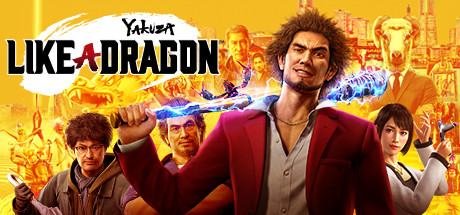
That emotional DNA pulses strongest in games where narrative weight collides with tonal whiplash—and where adulthood isn’t just demographic, it’s texture. Like a Dragon: Ishin! nails it: its JRPG structure wraps samurai tragedy in slapstick bureaucracy—bureaucratic paperwork battles, drunken council meetings, and swordfights interrupted by mandatory tea ceremonies. Its player review calls it “Comedy & Parody” fused with “Adult & Dark Seinen”—exactly how One-Punch Man Season 3 frames heroism: as a midlife career pivot littered with performance reviews and pension concerns. Both treat legacy like a spreadsheet—serious, then suddenly, ridiculous, then quietly, sad.
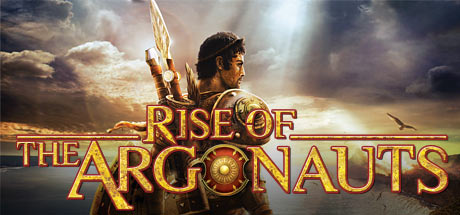
Then there’s Rise of the Argonauts, where Jason—the King of Iolcus—loses his fiancé on their wedding day and vows to resurrect her. The description doesn’t mention jokes. But the feeling is identical: a man walking through mythic devastation with the posture of someone who’s already filed the insurance claim. His grief isn’t operatic—it’s procedural. Like Saitama filing a complaint about “excessive collateral damage during Tuesday’s meteor event.” A player notes, “If you love games based on ancient history this one does it right…”—but what they really mean is: it treats myth like municipal record-keeping. That’s the shared nerve—how both works anchor surreal, high-stakes lore in the mundane logistics of being tired, responsible, and permanently underpaid.
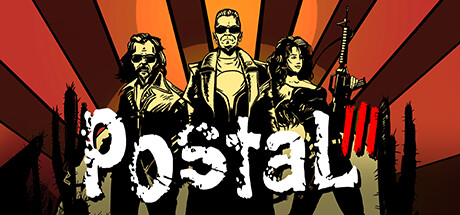
And Postal III, with its apocalyptic emigration to Hawaii and its pitbull Champ—who, per the review, “emigrate[s] to its appropriately named sister”—mirrors Season 3’s commitment to unmoored causality. No logic governs the escalation—just escalating absurdity dressed in bureaucratic language (“Apocalyptic end to the Postal Dude’s week in Paradise”) and a weary shrug (“It’s postal, so everything is weird”). That line isn’t deflection—it’s kinship. Both One-Punch Man Season 3 and Postal III operate on the same principle: when reality collapses, the most honest response isn’t rage or awe—it’s checking your watch and wondering if lunch is still free.
This pairing isn’t for fans of “cool powers” or “epic battles.” It’s for the person who laughs when the villain monologues… then pauses to ask if the hero has health insurance. It’s for the reader who underlines sentences like “He vowed to do anything to restore her life” and hears the hollow echo of HR policy handbooks. It’s for players who replay the same tavern brawl in Like a Dragon: Pirate Yakuza in Hawaii not for loot—but because the bartender’s rant about unionized coconut harvesting feels more real than the kraken. These aren’t escapist fantasies. They’re mirrors held up to the quiet, surreal, exhausted, darkly affectionate act of showing up—every day—to a world that keeps rewriting its own rules, and somehow, still expects you to file the forms.
🎮35 Games That Match the Vibe













Match Dimensions Explained
❓Frequently Asked Questions
Why does Rise of the Argonauts feel like One-Punch Man Season 3’s darker tonal shifts?
Because both lean hard into adult, dark-seinen themes—like Jason’s grief-fueled vengeance after his fiancée’s murder on their wedding day mirrors Saitama’s existential fatigue and the season’s grim stakes with Garou’s descent. It’s not just action; it’s morally messy, emotionally heavy, and unafraid of bleak consequences—exactly what fans noticed in Season 3’s quieter, more introspective moments.
Is there a One-Punch Man video game adaptation?
No official One-Punch Man game exists—but if you want that same over-the-top parody energy and JRPG narrative punch, Like a Dragon: Pirate Yakuza in Hawaii nails it with its absurd Hawaiian resort chaos, Kiryu’s deadpan reactions to nonsense, and combat that swings between hilarious and brutally stylish. Burning Horns also delivers with its bara-tinged isekai satire and self-aware JRPG tropes.
Like a Dragon: Ishin! vs. Postal III—which one better captures One-Punch Man Season 3’s chaotic comedy?
Postal III wins for sheer unhinged, rule-breaking absurdity—think the Postal Dude’s nonstop rants, Champ the pitbull’s loyalty amid apocalyptic nonsense, and gameplay that leans into intentional ridiculousness (like driving drunk through a collapsing city). Ishin! is sharper and more structured in its satire, but Season 3’s 'why is this happening *right now*?' energy? That’s Postal III’s whole vibe.
What’s the best game like One-Punch Man Season 3 if I just want pure comedic relief with JRPG storytelling?
Burning Horns: A Bara Isekai JRPG is your pick—it’s packed with rapid-fire parody, fourth-wall breaks, and JRPG mechanics twisted for maximum silliness (like romance options that escalate into full-blown anime-style melodrama). Like a Dragon: Pirate Yakuza in Hawaii runs close, especially with its Hawaiian luau boss fights and Kiryu’s increasingly exhausted expressions during cutscenes.