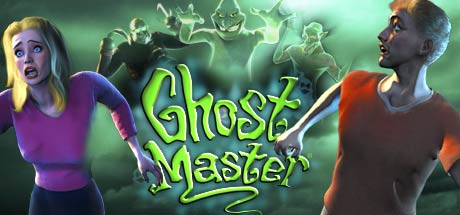
Ghost Master®
Grim spectres, howling banshees, and sly gremlins are yours to command as you unleash ghastly spirits on the town of Gravenville and scare the wits out of its citizens. In the world of the Ghost Master, spooks do your bidding, as you solve puzzles and unlock mysteries in a challenge that combines the best of strategy, adventure, and...
🎮Game Details
💬What Players Say
"it is a fun game to play, despite of it's release many years ago, but you know oldies are goldies! and I enjoy this type of games, and I recommend it!"
"Scare the s*** out of the sims. Brilliant. Very replayable...."
"My childhood!"
📝Editorial Analysis
The flicker of a streetlamp in Gravenville just before it shatters—not from wind, not from age, but because you’ve whispered the command to a grinning poltergeist hovering inches from the glass. A citizen below jumps, drops their groceries, and stumbles backward into a puddle as a banshee’s wail ripples through the air—not as horror, but as timing, as punchline, as control. That’s Ghost Master®: not a descent into dread, but a gleeful, mischievous orchestration of chaos, where fear is less about survival and more about precision, play, and the sheer absurd thrill of watching a man scream while his toupee levitates three feet off his head. It’s exactly what that player meant when they called it “Scare the s* out of the sims”—a phrase that nails the game’s irreverent, tactile joy. And yes, it’s an oldie, but the warmth in “My childhood!” isn’t nostalgia for graphics—it’s the memory of leaning forward, controller in hand, waiting for the perfect moment to unleash a gremlin into a bakery, just to watch the baker’s face collapse into cartoonish disbelief.
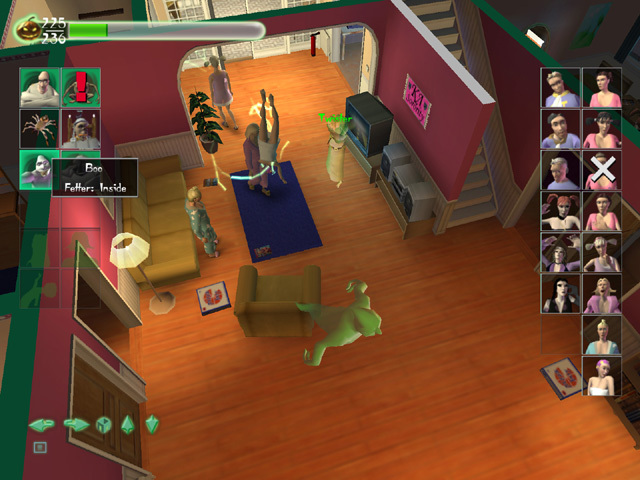
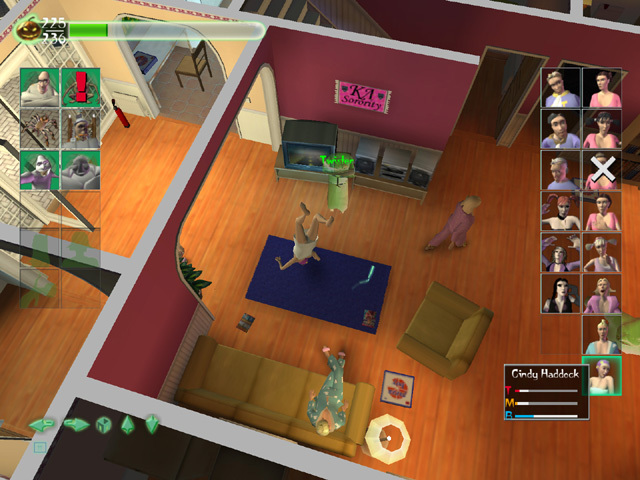
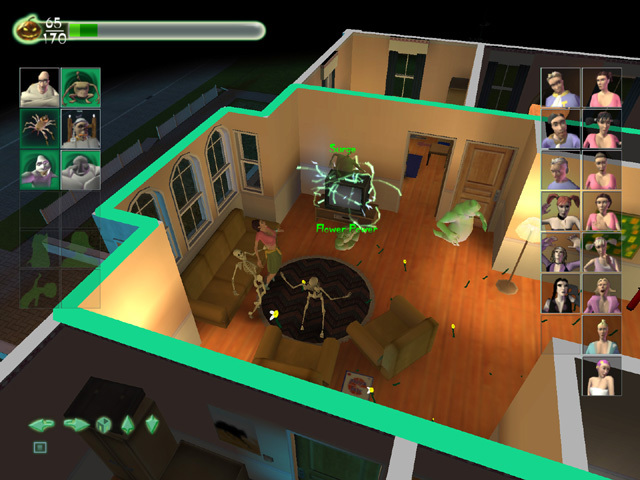
What makes Ghost Master®’s atmosphere so singular isn’t its ghostly roster or its puzzle structure—it’s the tonal gravity it refuses to obey. This isn’t gothic melancholy or existential hauntings; it’s deliberately lightweight, even silly, yet never shallow. You’re not exorcising evil—you’re directing it, like a stage manager for the supernatural. The world feels tactile, almost toy-like: houses tilt, citizens flail with rubbery physics, and every scare lands with the satisfying thunk of comedic timing. It makes you feel like a kid who’s just discovered how to tilt a dollhouse and send all the figurines tumbling—and then does it again, just to hear the squeak of panic. There’s no moral weight, no tragic backstory anchoring your spectres—just agency, immediacy, and the quiet, giddy pride of solving a puzzle by making someone wet their pants on purpose. It’s playful, subversive, and deeply, unapologetically physical.
That same DNA pulses through Mob Psycho 100 III, where psychic outbursts aren’t apocalyptic—they’re choreographed slapstick, with limbs stretching, faces melting, and crowds scattering like startled pigeons. Like Ghost Master®, it treats the occult not as sacred or sinister, but as raw comedic material: a body horror gag lands with the same timing as a well-placed ghostly shriek, and both rely on escalating absurdity to reveal character—not through dialogue, but through how someone reacts when their hair turns into screaming snakes. Then there’s Mission: Yozakura Family, where espionage collapses into domestic farce the second a ninja father tries to hide his tail under a tablecloth—just as Ghost Master® hides its strategy behind a wink and a floating teacup. Both weaponize body horror not to unsettle, but to deflate seriousness—to make the uncanny feel familiar, even cozy, because the real joke is always on control itself. And Gintama.: Slip Arc? Pure tonal kinship: samurai swords clash, then cut to a ghostly bureaucrat filing paperwork in hell while a gremlin steals his inkwell. The parody isn’t surface-level—it’s structural. Both Ghost Master® and Gintama. treat lore, rules, and even suffering as flexible props, bending them until they squeak. In each, the occult isn’t a veil between worlds—it’s a punchline waiting for its setup.
This pairing isn’t for people who want ghosts to whisper tragic truths or anime to deliver solemn life lessons. It’s for the ones who grin when a spirit possesses a toaster just to burn toast extra hard, who rewatch a scene not for plot, but for the way a character’s jaw unhinges exactly as their soul lifts three inches off their shoulders. It’s for players who still remember the satisfying crunch of a well-timed scare in Gravenville—and for viewers who pause Nisemonogatari not to parse metaphors, but to admire how beautifully a cursed arm twitches like a puppet with loose strings. They’re the kind of fans who keep their controllers warm and their anime subtitles on, not for depth, but for velocity—for the shared, breathless, giddy rush of watching order dissolve, just long enough to laugh at the beautiful, ridiculous mess it leaves behind.
→62 Anime That Match the Vibe
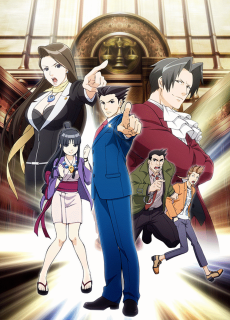
Connected through 3 aesthetic dimensions.

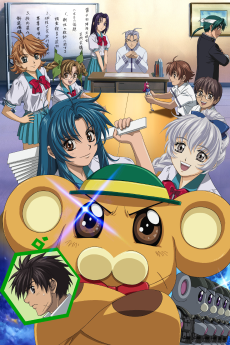
Gravenville’s gremlins hijacking a toaster while Mob’s Divine Tree sprouts sentient, giggling fruit—both weaponize absurdity to dissect spiritual commodification. 😂 Where Ghost Master® parodies occult bureaucracy through slapstick hauntings, Mob Psycho 100 III twists new-age fervor into body horror as espers mutate mid-sermon. That shared tonal whiplash—sacred awe collapsing into cartoonish chaos—makes their collision of parody and psychological unease unexpectedly sharp.
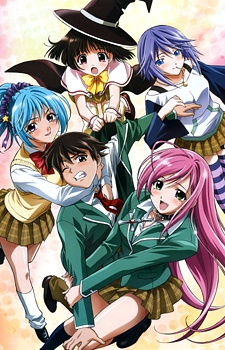
Connected through 2 aesthetic dimensions.

Connected through 2 aesthetic dimensions.
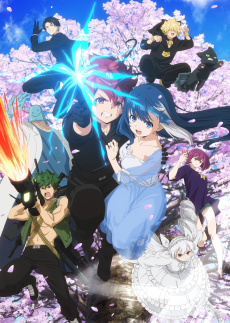
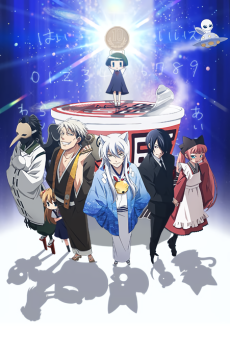
Gravenville’s gremlins twisting a citizen’s face into rubbery, screaming absurdity mirrors Taiyou’s flustered stammering when Mutsumi casually deploys spy-tech mid-conversation—both weaponize body horror as slapstick. 😂 Where Ghost Master® treats occult chaos as systemic gameplay (banishing spirits to escalate panic), Mission: Yozakura Family treats espionage as domestic farce, turning surveillance gadgets into romantic misfires. This shared commitment to comedy *through* visceral, squishy physicality—not just jokes, but bodies betraying their owners—is unexpectedly brilliant.

Connected through 2 aesthetic dimensions.
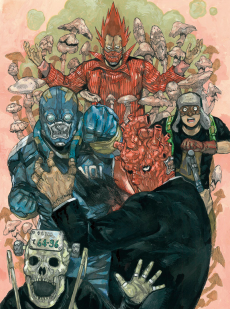
Connected through 2 aesthetic dimensions.
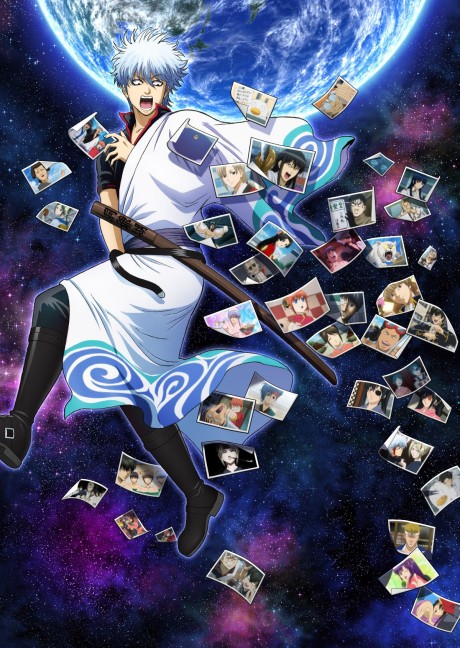
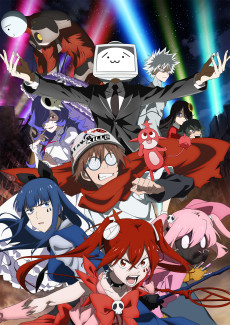
Gravenville’s gremlins twisting citizens’ faces into rubbery, screaming masks echo Porori’s water-dripping absurdity—both weaponize 😂 Comedy & Parody to destabilize reality itself. Where *Ghost Master®* turns occult dread into slapstick physics, *Gintama.: Slip Arc* uses unused manga chapters to deepen character chaos without narrative obligation, letting Hijikata’s rage or Kagura’s nosebleeds land like poltergeist flicks. That shared refusal to choose between body horror and belly laughs makes their resonance feel deliciously unhinged.

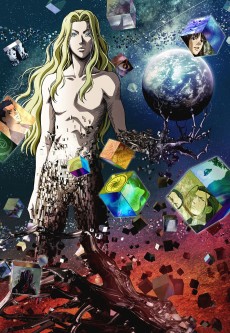
Gravenville’s citizens shriek as a gremlin unhinges its jaw to swallow streetlamps whole—mirroring Karen Bee’s grotesque, elastic grin when she mocks Araragi’s logic with cartoonish, bone-snapping glee. Where *Ghost Master®* weaponizes slapstick body horror to destabilize reality, *Nisemonogatari*’s Karen and Tsukihi arcs dissect identity through equally absurd, visceral transformations—like Tsukihi’s phoenix rebirth as literal, flammable self-annihilation. This shared love of **Comedy & Parody** fused with **Body Horror & Occult** makes their chaos feel like twin exorcisms: one architectural, the other linguistic.

Gravenville’s gremlins warping streetlights into grinning skulls mirror Paprika’s parade of melting faces and inverted cityscapes—both weaponize 😂 Comedy & Parody to destabilize reality. Where Ghost Master® treats fear as slapstick puppetry, Paprika’s dream machine dissolves identity with clinical precision, yet each revels in 👻 Body Horror & Occult as joyful, anarchic spectacle. That shared delight in grotesque transformation—banishing dread through absurdity—is what makes their resonance so electrifying.























Match Dimensions Explained
❓Frequently Asked Questions
Why is Mob Psycho 100 III listed as similar to Ghost Master® when it’s not about commanding ghosts?
Great question—it’s not about *ghosts* per se, but the core vibe matches: chaotic spirit-based mayhem with comedic timing and escalating absurdity. Like when Mob loses control and his psychic energy spirals into grotesque, reality-warping body horror (think Episode 3’s ‘Dimple’s True Form’ sequence), it mirrors how Ghost Master® lets you escalate scares from subtle poltergeist taps to full-on banshee shrieks that warp Gravenville’s physics—and both reward creative, over-the-top escalation.
Is there an anime adaptation of Ghost Master®?
Nope—Ghost Master® has never been adapted into an anime, manga, or live-action series. It’s stayed a cult-classic PC game since 2003, beloved for its quirky sandbox spookery (like sending gremlins to sabotage Mrs. Gable’s prize-winning roses while a wailing spectre distracts her husband). That said, fans often say Mission: Yozakura Family feels like the *spiritual anime cousin*—especially in episodes where the family deploys absurd, rule-bending ‘occult’ tactics (like turning a hallway into a sentient maze) with the same playful, puzzle-driven chaos.
How does NANBAKA compare to Ghost Master® in terms of tone and gameplay energy?
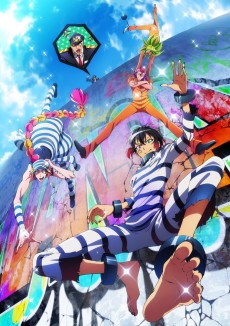
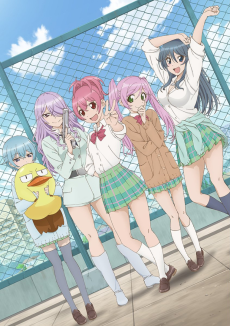
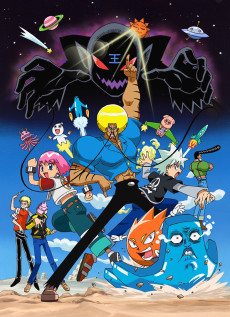
NANBAKA nails the same irreverent, high-energy chaos: imagine Ghost Master®’s ‘gremlin sabotage’ mechanic translated into prison-break shenanigans—like when inmate #007 uses a fake ghost story to trigger mass panic during roll call, mirroring how you’d deploy a howling banshee to scatter guards in Gravenville. Both lean hard into Comedy & Parody + Body Horror & Occult, with rapid-fire gags, sudden visual distortions, and that delicious feeling of pulling strings behind the scenes.
What’s the best anime like Ghost Master® if I want something that feels like scaring Sims-style citizens but with more occult flair?
Go straight to Nisemonogatari—it’s basically Ghost Master®’s anime twin in vibe. Think of Senjougahara’s shadow monster manipulating reality like your ghostly minions: one moment she’s whispering unsettling truths (your ‘whisper curse’), next she’s warping space to trap someone (your ‘spectral vortex’). The town of Oshino Meme’s eerie-yet-ordinary setting? That’s Gravenville with extra folklore—and every confrontation has that same delicious mix of psychological dread and cartoonish escalation.