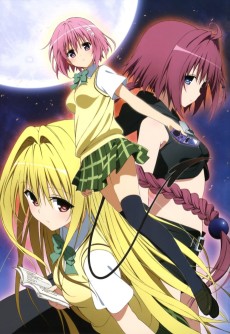
To Love Ru Darkness
As close encounters of the twisted kind between the residents of the planet Develuke (represented primarily by the female members of the royal family) and the inhabitants of Earth (represented mainly by one very exhausted Rito Yuki) continue to escalate, the situation spirals even further out of control. When junior princesses Nana and Momo transferred into Earth School where big sister LaLa can (theoretically) keep an eye on them, things SHOULD be smooth sailing. But when Momo decides she'd like to "supplement" Rito's relationship with LaLa with a little "sisterly love," you know LaLa's not going to waste any time splitting harems. Unfortunately, it's just about that point that Yami, the Golden Darkness, enters the scene with all the subtleness of a supernova, along with an army of possessed high school students! All of which is certain to make Rito's life suck more than a black hole at the family picnic. Unless, of course, a certain semi-demonic princess can apply a little of her Develukean Whoop Ass to exactly that portion of certain other heavenly bodies!
(Source: Sentai Filmworks)
📺Anime Details
📝Editorial Analysis
The fluorescent hum of Earth School’s hallway—suddenly cut by the shink of Momo’s twin daggers unsheathing mid-sprint, her pink pigtails whipping like antennae as she vaults over a startled Rito, who’s already half-buried under LaLa’s accidental gravity-field stumble—this isn’t chaos. It’s rhythm. A frantic, breathless, physics-defying waltz where every slip, every blush, every alien power misfire lands with the precise timing of a well-rehearsed slapstick routine. You don’t watch To Love Ru Darkness—you get swept up in its velocity.
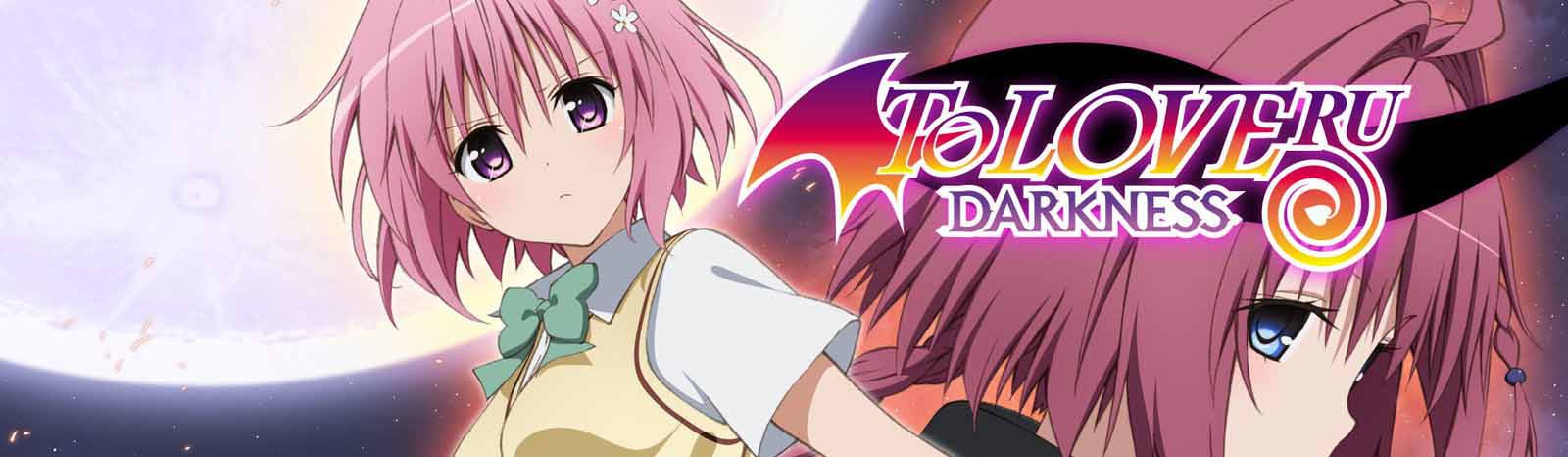
What makes it vibrate so uniquely isn’t just the harem or the ecchi—it’s how unapologetically unstable it feels. Not dark instability, but playful, almost biological instability: bodies shifting, loyalties pivoting on a glance, emotions detonating like faulty plasma cores. The Develuke royal family doesn’t invade Earth—they leak into it: their presence warps social gravity, bends school rules, scrambles consent into something tender and tangled and weirdly sincere. You feel off-kilter, yes—but also safe in that off-kilterness, because the show treats emotional whiplash not as trauma, but as texture. It asks you to sit inside the discomfort of desire, duty, and identity—not to resolve it, but to dance in it.
That’s why Exodus from the Earth resonates so sharply. Its description calls it “jank”—and the player review leans right into it: “It's jank. Let's get that out of the way. But it's surprisingly 'goo...’” That trailing ellipsis? That’s the same breathless suspension To Love Ru Darkness lives in—where mechanics (or plot logic) visibly creak, yet the emotional core stays gooey, warm, insistently alive. Both reject polish for pulse: a jagged, charmingly unrefined rhythm that trusts you’ll forgive the stutters because the heart is beating so loudly.
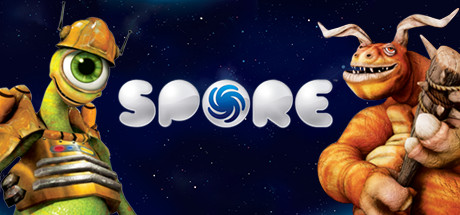
Then there’s SPORE™, whose description promises evolution “From Single Cell to Galactic God,” and whose player review marvels at how few games have ever attempted something this ambitious: letting players guide a species through wildly divergent stages. That mirrors To Love Ru Darkness’s own evolutionary absurdity—not biological, but relational. One episode, Momo is a giggling assassin-in-training; the next, she’s trembling while stitching Rito’s sleeve after he shielded her from a rogue drone—her hands shaking not from fear, but from the sheer novelty of care. Like SPORE™, the anime treats identity as mutable, emergent, and hilariously uncontrolled—a creature constantly re-skinning itself in real time, all while the universe watches, bemused and slightly terrified.
And Portal and Portal 2, both anchored in Aperture Science’s sterile, joke-laced labs, share something deeper than sci-fi trappings: they weaponize cognitive dissonance. The description frames them as “innovative” and “revolutionary” for redefining first-person interaction—yet the player reviews highlight tone above all: “THE BIRTH OF A PUZZLE MASTERPIECE”, “PERFECTION EXPANDED”. That reverence isn’t for clean design—it’s for how GLaDOS’s deadpan cruelty and Wheatley’s flustered incompetence make existential dread funny, even intimate. To Love Ru Darkness does the same: when Nana’s love bombs detonate mid-classroom or Rito’s inner monologue spirals into surreal, fourth-wall-shattering panic, it’s not evasion—it’s translation. The show turns psychosexual overload into slapstick, alien diplomacy into cafeteria gossip, trauma into shared, breathless laughter. Like Aperture, it builds catharsis inside a meticulously absurd cage.
This pairing isn’t for fans of tidy romance or polished world-building. It’s for the person who laughs while their stomach drops—who keeps rewatching the scene where Momo tries (and fails) to bake cookies for Rito, her oven exploding not with fire, but with glittering, sentient sugar crystals—and feels seen. It’s for the player who boots up SPORE™ not to win, but to watch their creature awkwardly attempt flight for the 47th time, wings flapping like panicked doves, and smiles because yes—that’s how it feels to grow. It’s for anyone who’s ever loved something messy, illogical, and vibrantly, unrepentantly alive.
🎮72 Games That Match the Vibe









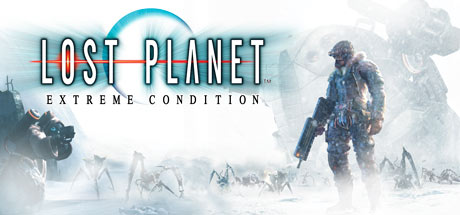


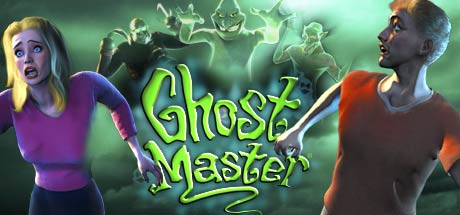


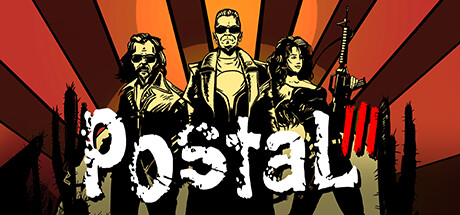

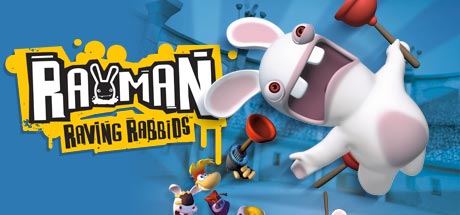
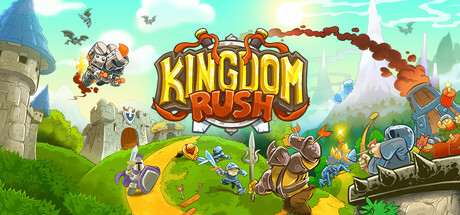



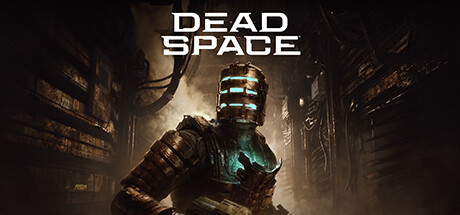
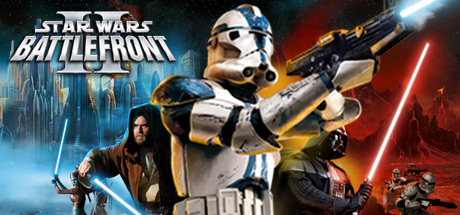
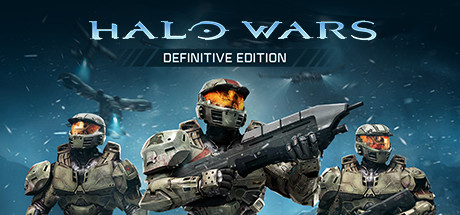



Match Dimensions Explained
❓Frequently Asked Questions
Why does 'Exodus from the Earth' show up in 'Games Like To Love Ru Darkness' matches?
It’s all about the tonal match—not the genre. Like To Love Ru Darkness, Exodus leans hard into absurd, over-the-top comedy and parody, especially in its cringe-y romantic missteps and exaggerated character reactions (think Francis Rixon fumbling through corporate espionage while dodging flirtatious AI glitches). The jank is intentional flavor, much like Darkness’ slapstick fan-service scenes—both prioritize chaotic charm over polish.
Is there a visual novel or anime-style game adaptation of 'Portal' or 'Portal 2'?
No—neither Portal nor Portal 2 has a visual novel or anime-style adaptation. They’re strictly first-person puzzle games with sharp, dry comedy delivered through GLaDOS’s deadpan insults and Wheatley’s frantic rambling. If you’re craving that To Love Ru Darkness vibe of expressive characters and romantic tension, The Longest Journey is the only match that actually delivers narrative-driven, dialogue-heavy storytelling—with April Ryan’s witty banter and parallel-universe romance subplots hitting closer to that energy.
How does 'The Longest Journey' compare to 'Exodus from the Earth' for fans of To Love Ru Darkness?
The Longest Journey gives you rich, character-driven romance and emotional stakes—April Ryan’s journey between Stark and Arcadia mirrors Darkness’ dual-world tension, but with grounded chemistry instead of fan-service chaos. Exodus, meanwhile, swaps heartfelt moments for parody: it’s all rapid-fire gags, awkward misunderstandings, and Francis getting flustered by sentient lab equipment. Both match Darkness’ comedy+sci-fi blend, but TLJ leans into sincerity; Exodus leans into ridiculousness.
What’s the best game on this list if I want something lighthearted and silly—but still sci-fi—with strong female characters?
Go straight to SPORE™—it’s the most lighthearted and creatively silly of the bunch, letting you design absurd alien species (think cat-eared, tentacled diplomats) and watch them bumble through space diplomacy. While it lacks scripted romance, its playful tone, satirical take on evolution and empire-building, and sheer visual weirdness echo To Love Ru Darkness’ love of over-the-top charm and expressive, memorable designs—just swap Miu’s teasing for a dancing, disco-ball-eyed space blob.