Warhammer 40,000: Dawn of War – Winter Assault
🎮Game Details
💬What Players Say
"FOR THE EMPEROR!!!!!!! Enjoyed playing this game. I finished the two campaigns and got all 4 endings, my only issue was the glitch in the fourth mission in the disorder campaign playing as the Orks, thank the Emperor I looked up a youtube tutorial and found out how to get around the glitch ( just needed to restart the mission over and over until you got the resources) other than that its been fun!"
"I prefer the base game but this one was pretty good too."
"I didn't like the pace and the hardship of this campaign."
📝Editorial Analysis
The crunch of frozen mud under tank treads. The distant, guttural WAAAGH! echoing across a blizzard-scoured trench line—then silence, thick and suffocating, broken only by the low hum of a malfunctioning lasgun charging up. You’re holding the line as the Imperial Guard in Warhammer 40,000: Dawn of War – Winter Assault, not with heroics, but with numbers, with weight, with sheer, grinding endurance. That’s the game’s heartbeat: not triumph, but survival through attrition, where every victory feels earned in frostbitten knuckles and spent ammo crates—exactly what Player Review 3 meant when they called the campaign’s pace and hardship defining. It’s not about outsmarting—it’s about outlasting, while the official description reminds you: heavy armor, overwhelming numbers, defensive and ranged tactics—not flash, but relentlessness.
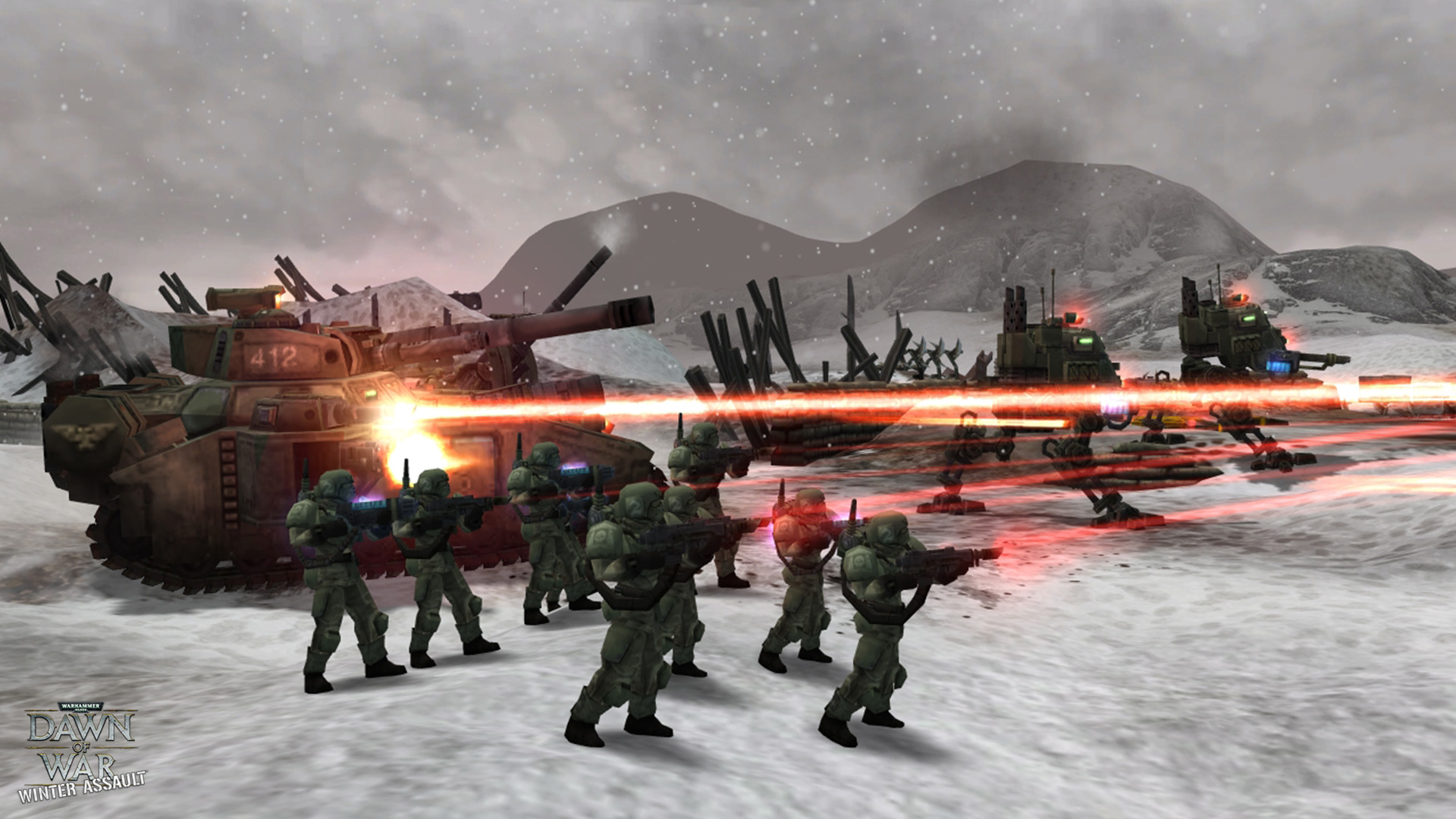
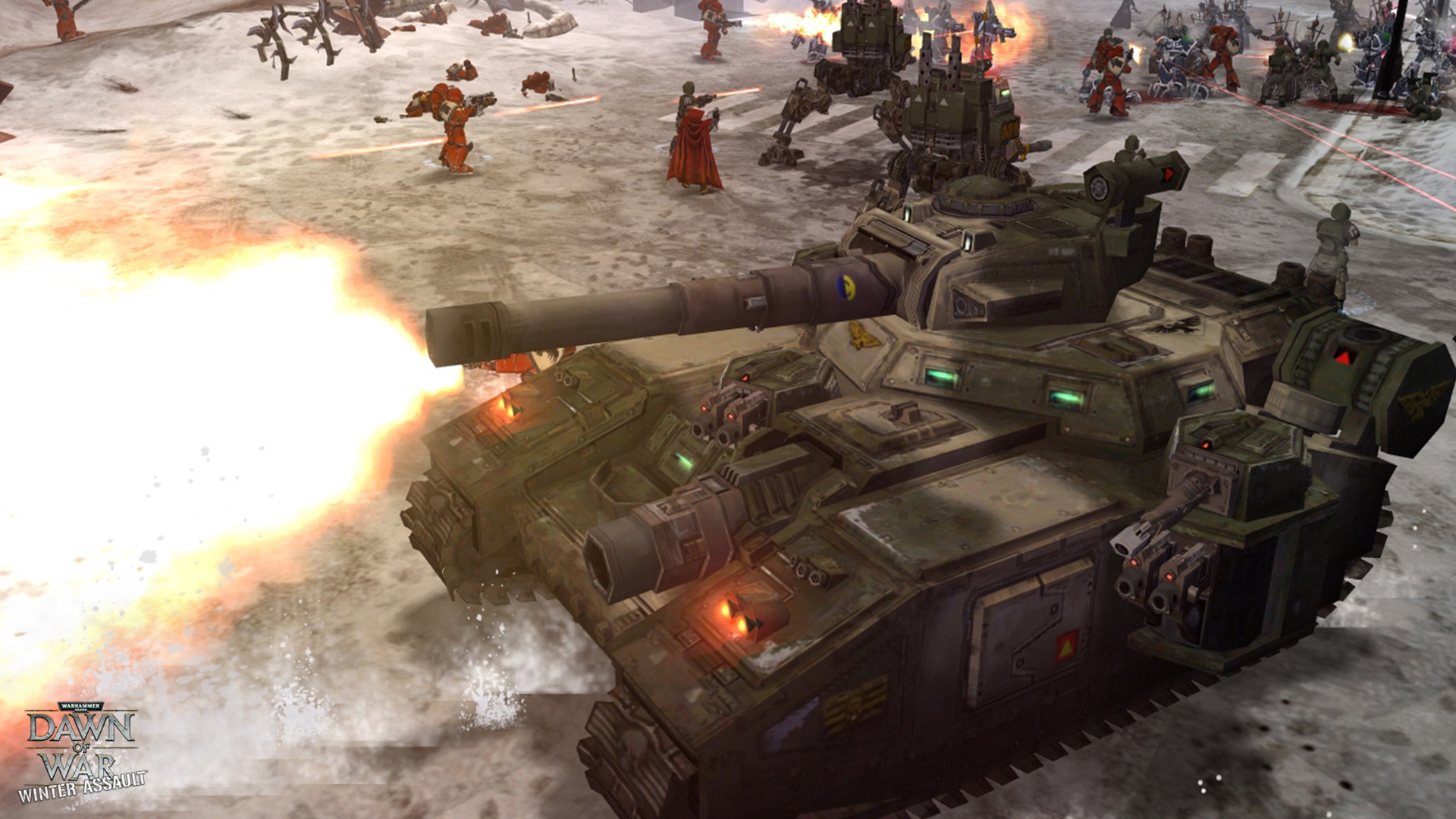
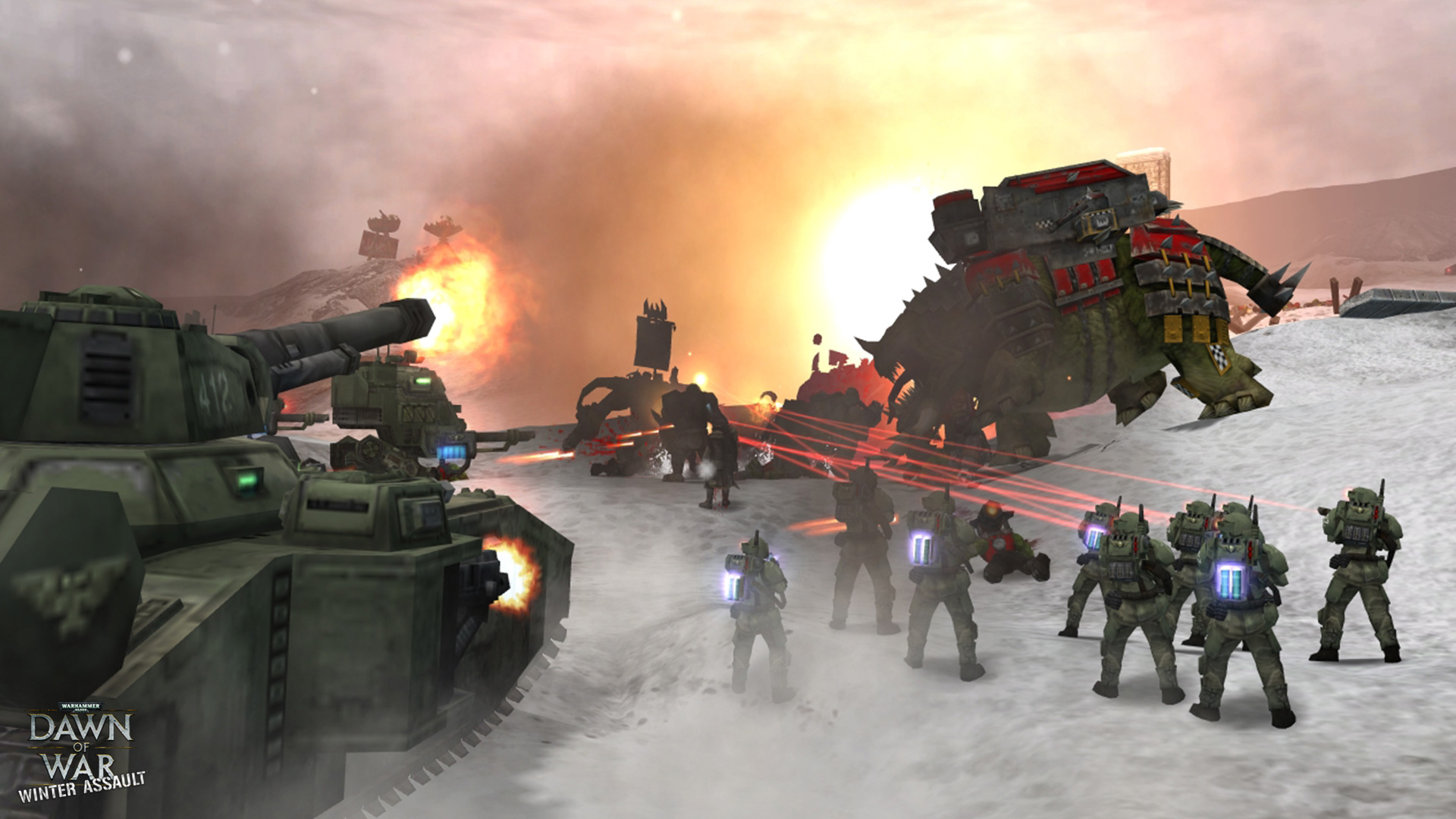
This isn’t grimdark as spectacle. It’s grimdark as weather—cold, persistent, inescapable. You don’t choose to fight; you dig in because stopping means freezing, starving, or being overrun. The emotional core is resignation edged with devotion: “FOR THE EMPEROR!!!!!!!” isn’t a battle cry—it’s a lifeline thrown into the void, the last coherent thought before the blizzard swallows your comms. There’s no grand strategy room here—just a commander squinting at a flickering holo-map, breath fogging the lens, knowing that the next wave won’t be smarter, just more. That’s why the pace stings and the hardship lingers: it mirrors real siege psychology—no clean arcs, no breathing room, just the slow, heavy press of duty against entropy. You think about exhaustion not as fatigue, but as identity. You are the trench. You are the snowdrift hiding the Leman Russ.
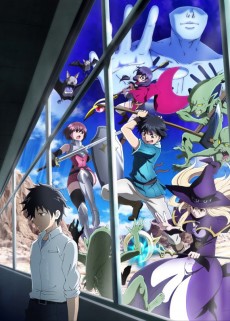
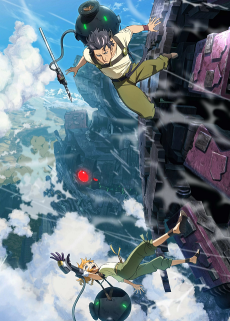
That same weight lands in No Game, No Life Zero, where survival isn’t abstract—it’s measured in rationed oxygen, salvaged circuitry, and the precise angle of a barricade against collapsing sky-cities. Its Cyberpunk & Dystopia isn’t neon-lit rebellion—it’s rust, static, and whispered treaties signed in blood and solder. Like Winter Assault, it treats tactics as crafting: every bolt tightened, every relay rerouted, every ceasefire negotiated is a fragile stitch holding back collapse. Both reject easy hope—they offer pragmatic reverence, where belief isn’t faith in salvation, but in the next shift rotation, the next patrol sweep, the next round loaded.
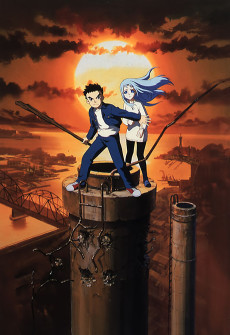
Angel's Egg shares that same Adult & Dark Seinen hush—the kind where silence isn’t peace, but waiting. Its Survival & Crafting isn’t about building shelters, but preserving meaning in a world that’s already ended. The girl and the boy move through ruins not to conquer, but to witness, much like an Imperial Guard platoon holding a ruined monastery not for glory, but because someone has to. There’s no exposition, no villain monologue—just cold light, cracked glass, and the unspoken understanding that continuity itself is the most radical act. That resonates with Winter Assault’s emotional DNA: both are quiet, solemn, and devastatingly patient in their despair.
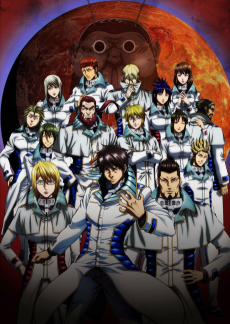
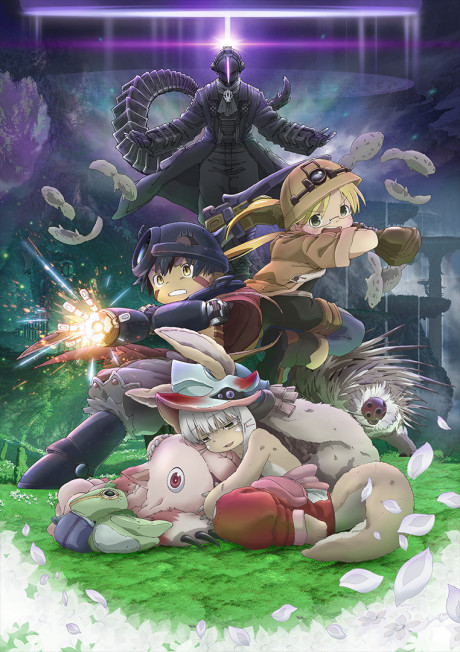
And then there’s Terra Formars, where biology becomes battlefield and every corridor is a frozen chokepoint. Its Sci-Fi & Space setting isn’t about wonder—it’s about adaptation under duress, where evolution is less miracle and more grim arithmetic. Like the Ork glitch Player Review 1 stumbled into—the fourth mission in the disorder campaign—the world itself resists coherence. Systems fail. Plans fracture. You don’t master the environment—you negotiate with it, minute by bloody minute. That shared Tactical Warfare dimension isn’t about flawless execution; it’s about improvising dignity from disaster.
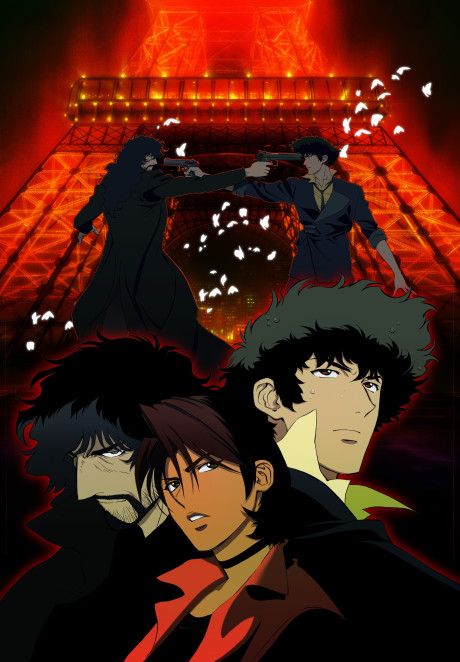
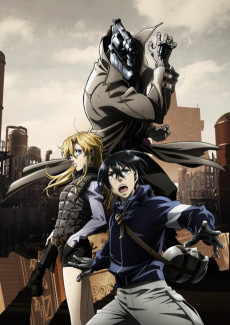
These pairings aren’t for fans of power fantasies or tidy resolutions. They’re for the person who rewatched Casshern Sins three times not for the action, but for the way rain falls on a broken android’s face—and how that rain looks exactly like snow falling on a Guardsman’s helmet visor in Winter Assault. They’re for players who remember finishing all four endings not for closure, but because staying—even when the story offers no answers—felt like the only honest thing to do. For those who understand that devotion, resignation, and endurance aren’t weaknesses—they’re the only things left standing when the storm doesn’t stop.
→175 Anime That Match the Vibe
Both dive into neon-soaked futures where technology blurs the line between human and machine.

A frozen trench in *Winter Assault*—where Imperial Guard huddle around jury-rigged heat sources as Ork artillery shakes the permafrost—echoes the brittle, snow-choked ruins of Elkia in *No Game, No Life Zero*, where Riku and Shuvi scavenge scrap to reinforce crumbling barricades against the Void’s encroachment. Unlike most dystopias that glorify tech, both commit fiercely to **Survival & Crafting**: every bolted plate, every salvaged circuit, every whispered pact is a defiant stitch against annihilation. That shared grit—rooted not in hope, but in tactile, desperate making—makes their bleakness feel startlingly intimate.
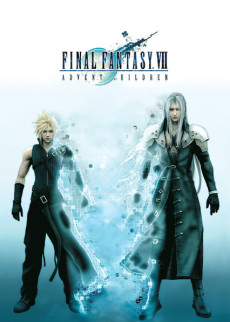
Geo-stigma’s creeping decay in *Advent Children* mirrors the blighted tundra of Winter Assault’s Kaurava system—both worlds wear dystopia like a second skin. Where Cloud battles corrupted lifestream energy amid ruined Midgar ruins, Dawn of War’s commanders wage tactical warfare across frozen wastelands scarred by orbital bombardment and xenos incursion. This shared cyberpunk & dystopia texture—gritty, exhausted, yet defiantly human—makes their resonance startling: not just ruin, but resilience forged in ice and static.
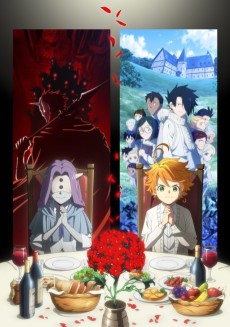
Both dive into neon-soaked futures where technology blurs the line between human and machine.

Magnetic Rose’s derelict space station—where grief warps reality into a lethal simulation—echoes Winter Assault’s frozen trenches, where Imperial Guard soldiers confront not just Orks but the psychological rot of endless war. Unlike most tactical sci-fi, both weaponize 🌆 Cyberpunk & Dystopia to expose how systems collapse inward: one through memory-as-architecture, the other through doctrine-as-dogma. That shared dread—that technology doesn’t fail, it *remembers*—makes their darkness feel chillingly coherent.
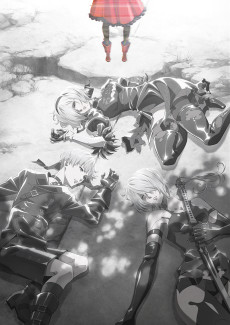
Both dive into neon-soaked futures where technology blurs the line between human and machine.
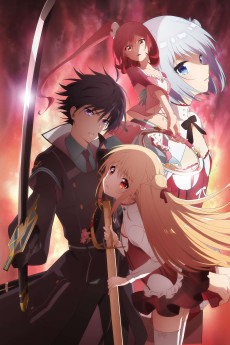
Build, survive, thrive — the satisfaction of carving out your place in a hostile world.

Both dive into neon-soaked futures where technology blurs the line between human and machine.
Build, survive, thrive — the satisfaction of carving out your place in a hostile world.
Build, survive, thrive — the satisfaction of carving out your place in a hostile world.



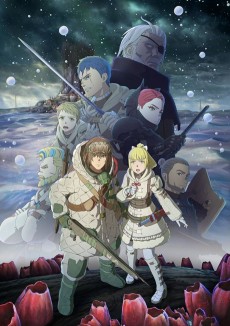

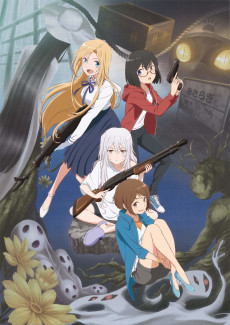
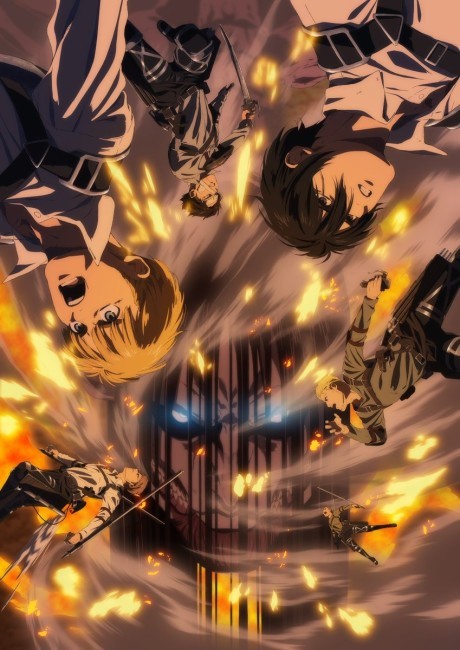



















![Fate/stay night [Heaven's Feel] I. presage flower](https://s4.anilist.co/file/anilistcdn/media/anime/cover/medium/bx20791-yPCX5GJuMH2k.png)















![Fate/stay night [Heaven’s Feel] III. spring song](https://s4.anilist.co/file/anilistcdn/media/anime/cover/large/bx21719-MSdTlkno0Z0u.jpg)




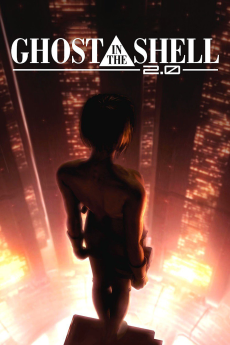
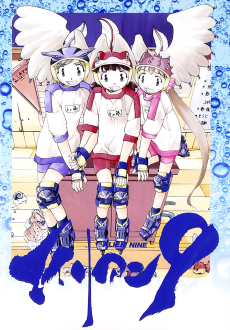
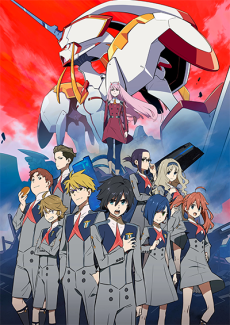
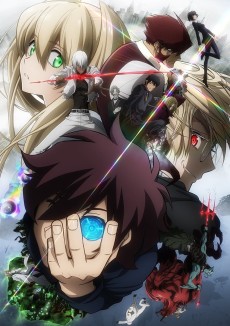














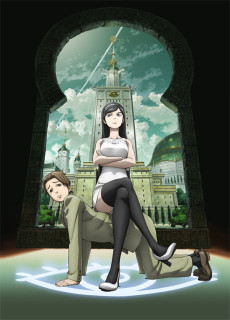
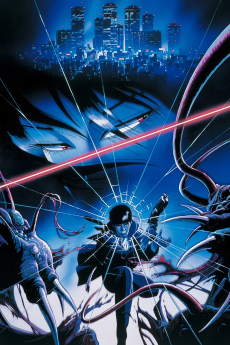
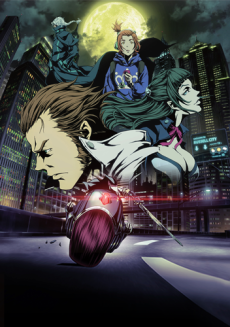
Match Dimensions Explained
❓Frequently Asked Questions
Why is No Game, No Life Zero recommended for Dawn of War: Winter Assault fans?
Because both lean hard into tactical warfare amid a crumbling dystopia—like when Sora and Shiro orchestrate that desperate, multi-layered siege on the human enclave in Episode 4, using limited resources and asymmetric unit roles just like Imperial Guard players juggling Leman Russ tanks, Conscripts, and mortar teams. The 75-score match isn’t accidental: it nails the same grim, high-stakes tension where every decision feels consequential, not just flashy.
Is there an anime adaptation of Dawn of War: Winter Assault?
No—there’s never been an official anime adaptation of *Winter Assault* or any *Dawn of War* title. The closest you’ll get are tonally aligned originals like *Terra Formars*, where the Mars expedition’s brutal squad-based combat (think Kozuki’s squad using flamethrowers and armor-piercing rounds against mutated foes) mirrors the expansion’s emphasis on tactical unit synergy and environmental hardship—just no Warhammer branding or direct story lift.
How does Casshern Sins compare to Final Fantasy VII: Advent Children for Winter Assault vibes?
Both hit the Cyberpunk & Dystopia + Survival & Crafting dimensions, but *Casshern Sins* leans harder into bleak, slow-burn endurance—like its rain-soaked ruins and Casshern’s grinding, resource-scarce fights—matching *Winter Assault*’s ‘hardship’ campaign complaints. *Advent Children*, meanwhile, swaps grit for cinematic sci-fi spectacle: think Sephiroth’s aerial duels and the Midgar ruins’ vertical battlefield design, closer to *Dawn of War*’s base-game pacing than the expansion’s oppressive slog.
What’s the best anime like Winter Assault if I want that ‘FOR THE EMPEROR!!!’ desperate last-stand energy?
Go with *Angel’s Egg*—it’s got that same adult, dark seinen weight and unrelenting atmosphere, especially in the silent, decaying cityscapes and the girl’s stubborn, almost ritualistic defense of her egg amid overwhelming decay. It doesn’t have explosions or Ork WAAAGHs, but the emotional and thematic resonance—sacrifice, faith under siege, fighting when all odds are stacked—is razor-sharp, and it’s the only match on the list scoring 70+ in both Adult & Dark Seinen *and* Survival & Crafting.