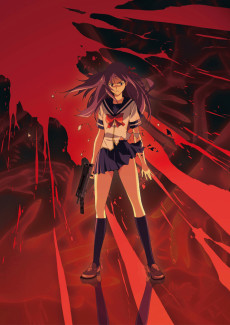
Corpse Princess: Aka
After being brutally murdered along with her family, Makina Hoshimura turns into a Shikabane Hime, a living corpse contracted to the Kougon Cult, in order to exert revenge on the mysterious undead organization responsible for her death. She is assisted in this task by Keisei Tagami, her contracted priest and former friend. This series follows the story of Keisei's younger brother Ouri, a boy with an unusual attraction to death, who slowly discovers his brother's secret and gets dragged into the world of the Shikabanes.
(Source: Wikipedia, edited)
📺Anime Details
📝Editorial Analysis
Rain slicks the pavement like spilled ink. Makina Hoshimura stands motionless beneath a flickering streetlamp, her white school uniform stained rust-brown at the collar, her breath absent but her fingers—cold, precise—tightening around the grip of her custom revolver. A Shikabane stirs in the alley behind her. She doesn’t turn. She listens—not for footsteps, but for the hollow echo of her own pulse that isn’t there anymore. That silence, that weight of being both weapon and wound—that’s where Corpse Princess: Aka lives.
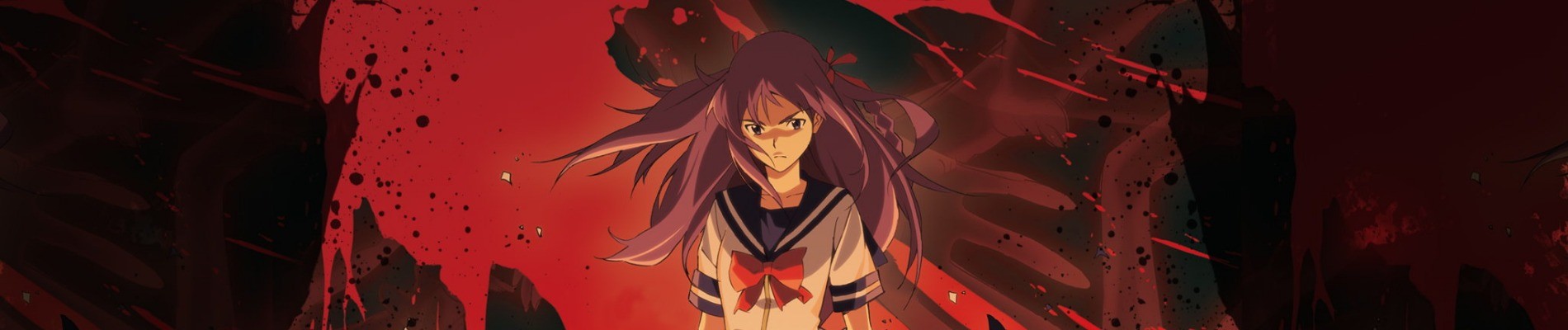
It’s not horror as jump-scare adrenaline. It’s horror as residue: the lingering scent of antiseptic in Keisei’s apartment, the way Ouri traces the edge of his brother’s rosary beads while staring at autopsy photos he shouldn’t have seen, the unbearable lightness of Makina’s hair brushing against Keisei’s wrist during a moment of exhausted stillness. This anime makes you feel the gravity of grief that refuses to settle—how revenge isn’t catharsis, but a contract written in ash and blood; how survival isn’t triumph, but the slow, grinding act of holding your breath while standing inside a tomb that still walks. You don’t root for victory—you hold your breath waiting for the next fracture in someone’s composure, because every pause feels like a held breath before collapse.
That emotional DNA—the quiet, suffocating weight of inherited trauma, the moral exhaustion of fighting monsters while becoming one—finds eerie resonance in Persona 5 Royal. Its description names “daily life” and “building relations,” but the player review nails it: “Stunning Soundtrack… seamless transition between daily life…” That duality—school bells ringing over the Phantom Thieves’ heists, confessions whispered in rain-soaked alleys after battle—is the same rhythm as Corpse Princess: Aka: the sacred and profane sharing the same sidewalk, the same breath. Both force you to live two lives at once—one ordinary, one haunted—and make you feel the strain of that double existence.
Then there’s Dragon Age: Origins, where the description centers on legacy and choice, and the player review highlights “pause attack mechanic… help a lot to strategist your tactic…” That pause—freezing time mid-combat to weigh options, to choose who lives or dies, to decide whether mercy is weakness or wisdom—is pure Corpse Princess: Aka. Makina’s gunshots are never reflexive; they’re decisions made in suspended seconds—each trigger pull echoing Keisei’s silent prayers, each kill carrying the weight of a soul she can’t save and a family she can’t reclaim. The tactical pause isn’t gameplay convenience—it’s the show’s emotional core rendered mechanical: the unbearable luxury of thinking before acting, when every action costs something irreplaceable.
Even Heroes of Might & Magic V, with its description touting “deep fantasy” and “next-generation visuals,” carries a thread: the player review declares it “Best HoMM game ever made… nukes both HoMMIII and HoMMII from orbit.” That language—total, almost violent erasure of the past—is the show’s unspoken thesis. Makina doesn’t move forward; she obliterates what came before. Her vengeance isn’t restoration—it’s annihilation of the old world so thoroughly that nothing recognizable remains. The scale is different, but the ferocity of severance is identical.
This pairing isn’t for fans of clean resolutions or heroic arcs. It’s for the person who watches Makina reload in silence and thinks, I know that ache. For the player who lingers in Persona 5 Royal’s rainy Shinjuku streets long after the quest log clears—not to grind, but to breathe in the melancholy of borrowed time. For the one who pauses Dragon Age: Origins mid-battle not to optimize damage, but to stare at Alistair’s face and wonder if he’ll break before the Fade does. These aren’t stories about winning. They’re about enduring the aftermath, again and again—about finding meaning not in salvation, but in the stubborn, trembling act of holding on, even when your hands are already cold.
🎮51 Games That Match the Vibe
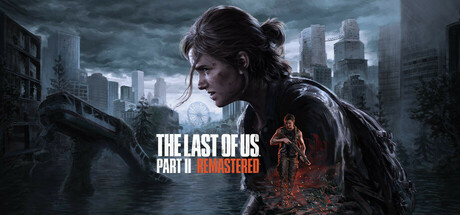

























Match Dimensions Explained
❓Frequently Asked Questions
Why does Chains keep coming up in Corpse Princess: Aka fan forums?
Because both lean hard into that melancholic, atmospheric storytelling where quiet moments hit just as hard as action—Chains’ bubble-linking mechanic creates a meditative rhythm similar to the slow-burn tension in Corpse Princess’ exorcism scenes, and players often cite its ‘Emotional Narrative’ dimension (82 score) as the real bridge. It’s not about combat or demons—it’s about mood, pacing, and the weight of choices, just like watching Makina’s solemn vows unfold.
Is there a Corpse Princess: Aka anime or game adaptation?
No official Corpse Princess: Aka game or anime exists—but fans looking for that same gothic-tinged emotional gravity and morally gray spiritual warfare often land on Dragon Age: Origins (78 score), especially during the Fade sequences with Morrigan or the somber, rain-soaked Korcari Wilds exploration. Its ‘Tactical Warfare’ + ‘Emotional Narrative’ combo mirrors how Corpse Princess balances ritualistic combat with intimate character grief.
How does Persona 5 Royal compare to Dragon Age: Origins for Corpse Princess vibes?
Persona 5 Royal nails the stylish, rebellious supernatural energy (think Ann’s Velvet Room entrances or Joker’s defiant monologues), while Dragon Age: Origins delivers the grounded, tragic weight—like when you pause mid-battle in the Deep Roads to watch Alistair’s voice crack delivering a line about loss. Both have ‘Emotional Narrative’ and ‘JRPG Narrative’ dimensions, but DA:O’s pause-and-strategize combat and morally ambiguous companions (e.g., Loghain’s betrayal arc) echo Corpse Princess’ themes of duty vs. humanity more directly than P5R’s flashier heists.
What’s the best game like Corpse Princess: Aka if I want something haunting but not stressful?
Chains is your perfect match—it’s got that same eerie stillness (think Makina standing alone in misty temple ruins), but swaps anxiety-inducing combat for soothing, physics-driven bubble chaining. With its 82 score in ‘Emotional Narrative’ and zero time pressure or fail states, it delivers the solemn beauty and quiet intensity without the dread—like experiencing Corpse Princess’ atmosphere through a stained-glass window instead of the front lines.