Warhammer® 40,000: Dawn of War® - Dark Crusade
Deep under the central desert of Kronus, a vast honeycomb of skull-lined tunnels and funeral chambers house the awakening Necron menace. Eons ago, these were the boulevards and squares of a great necropolis built to house the bones of the races who had fallen to the Necrons, and ultimately were where the Necrons themselves retire to...
🎮Game Details
💬What Players Say
"Peak, 10/10. The game knows what it wants to be and nails it in every way."
"easily one of my top 10 favorite games. a must have if you an RTS fan or trying out the genre. easy to follow and stuff...."
"in steam the mouse bugs, probably cos they want to open an overlay to make you do an account"
📝Editorial Analysis
The air in the Kronus desert doesn’t just heat—it sours. Beneath the cracked, ochre dunes, something stirs not with breath, but with the slow, grinding recalibration of ancient bone-steel. The official description gives it away: “Deep under the central desert of Kronus, a vast honeycomb of skull-lined tunnels and funeral chambers house the awakening Necron menace.” Not invasion. Not assault. Awakening. That single word lands like a tomb seal cracking open—dry, inevitable, resonant with eons of silence broken not by fury, but by recognition: the dead remember how to kill. One player calls it “Peak, 10/10”—not for polish or novelty, but because the game knows what it wants to be, and that thing is weight. Not speed, not flash, but the crushing, ceremonial gravity of war as ritual decay.
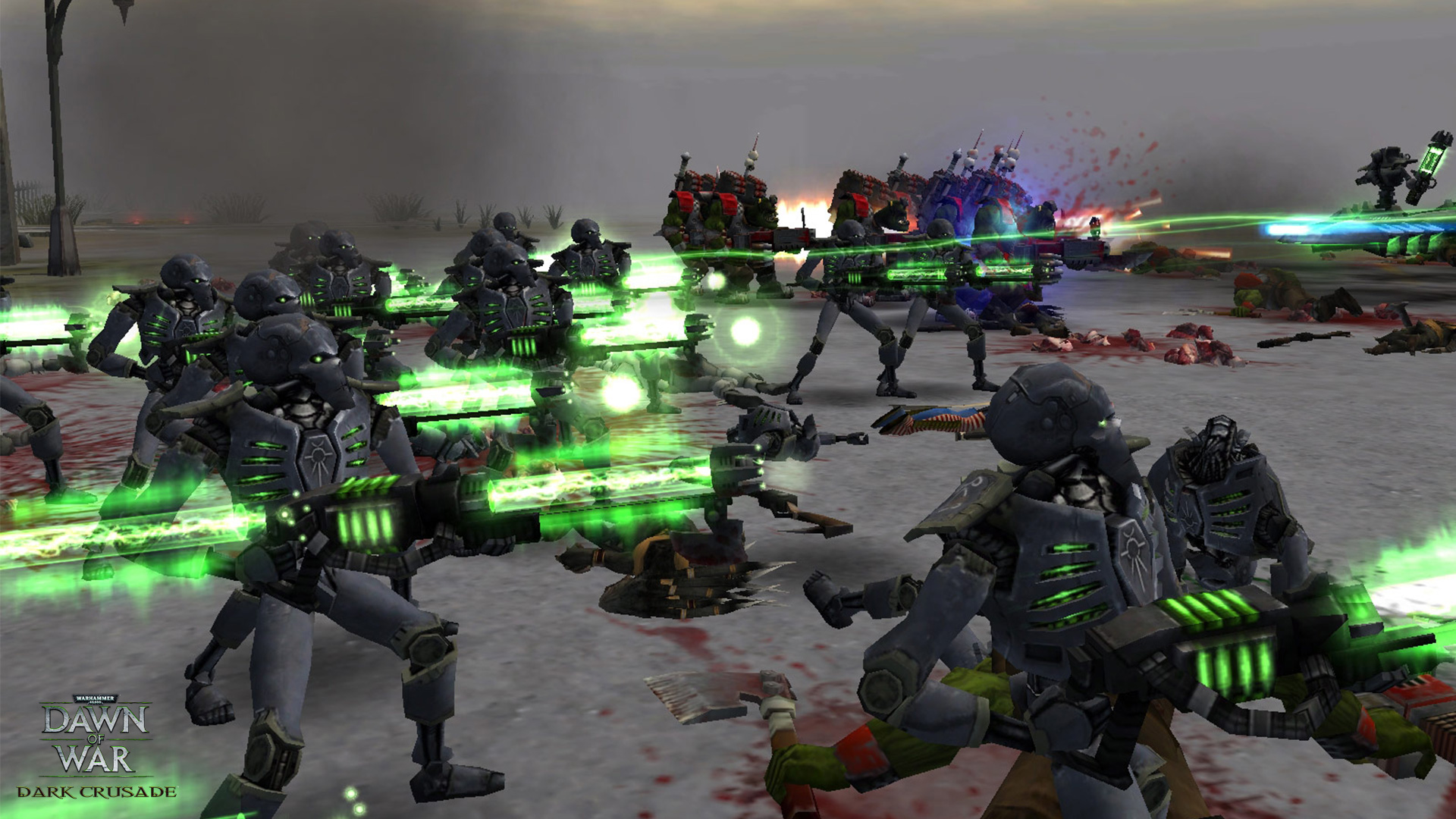
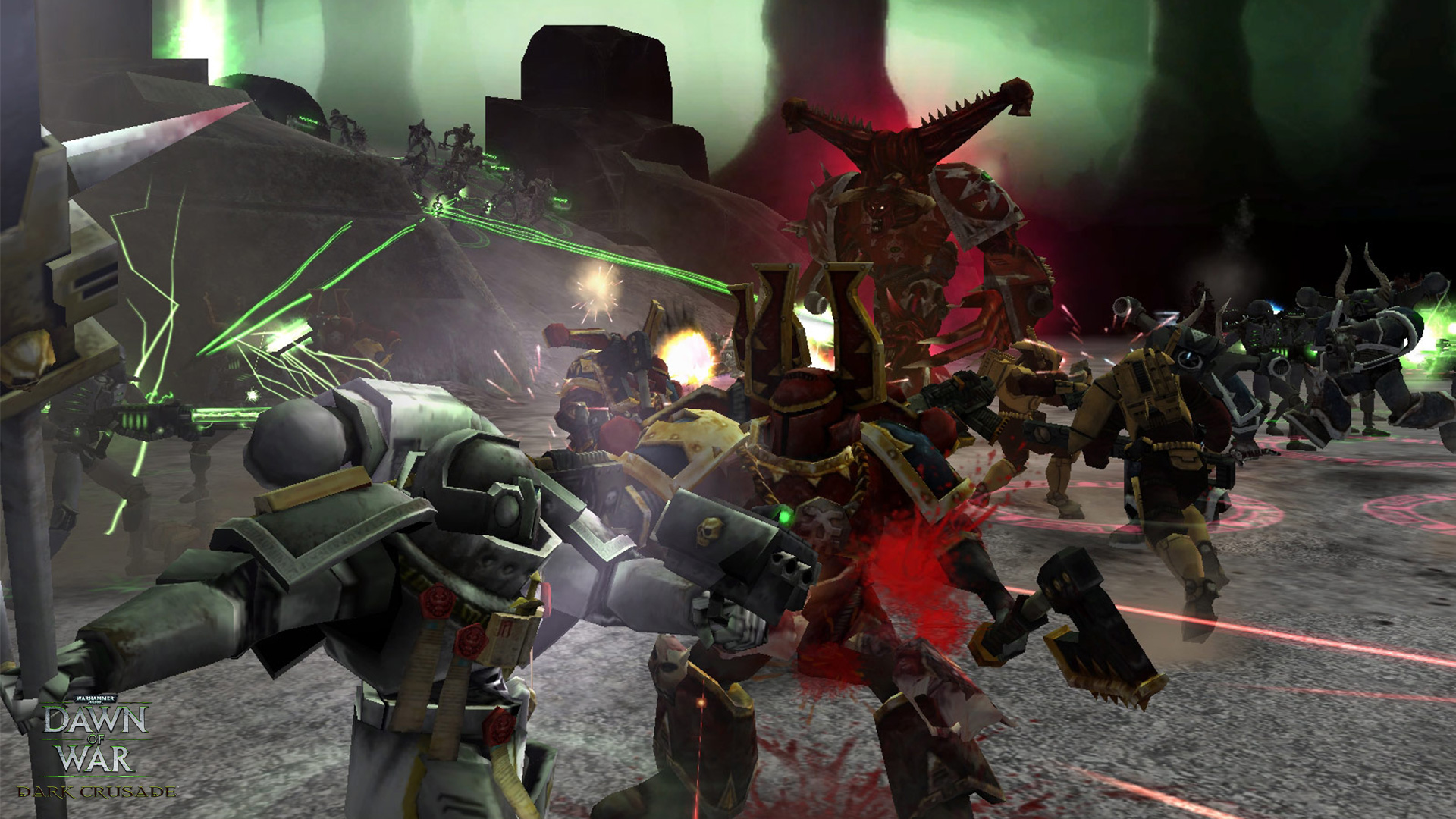
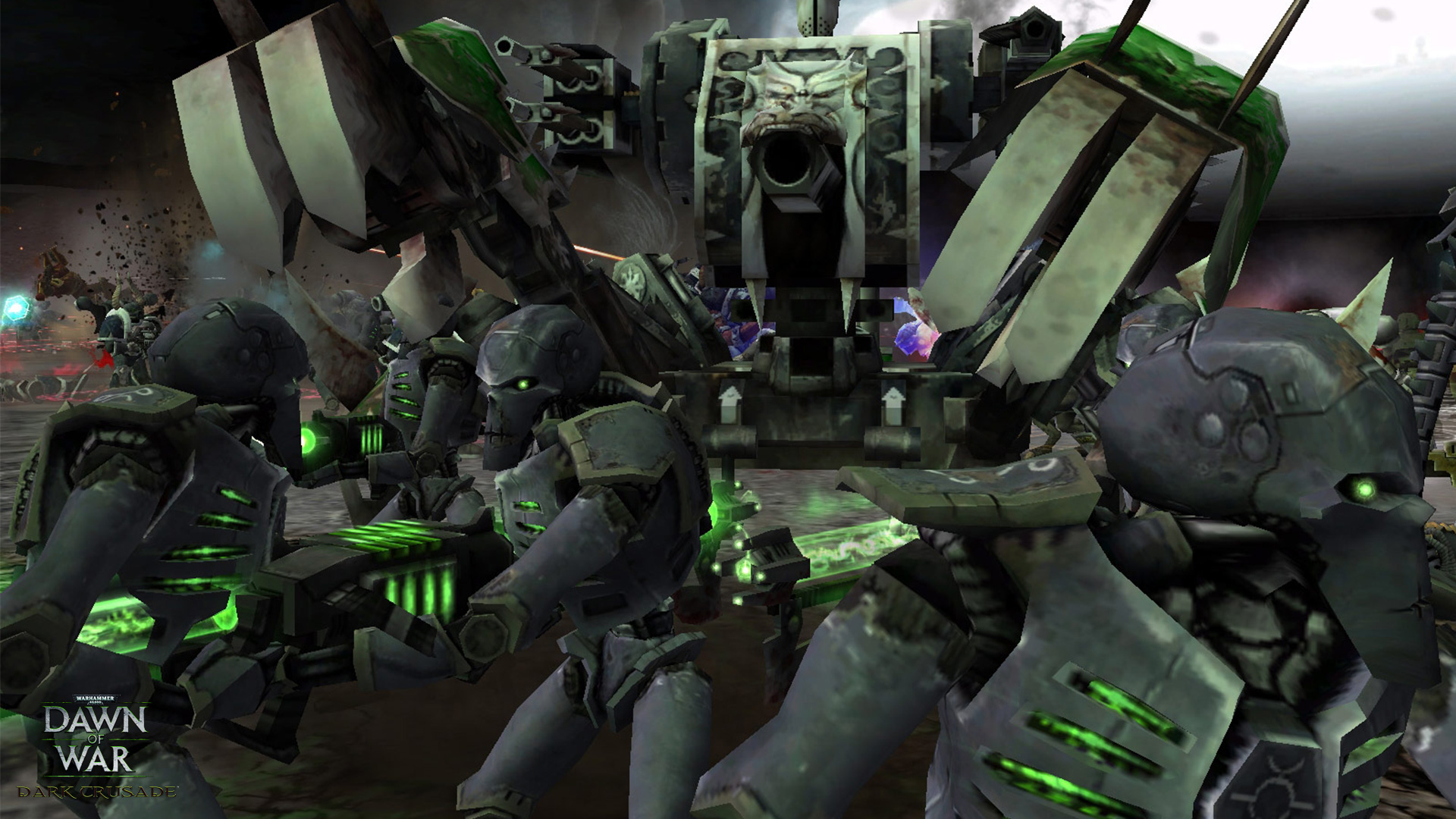
This isn’t RTS-as-sprint. It’s RTS-as-burial rite. You don’t command units—you shepherd relics through dust-choked corridors where every corridor wall is lined with skulls, every chamber a repurposed ossuary. The Necrons aren’t just enemies; they’re the architecture breathing again. The feeling isn’t adrenaline—it’s dread, yes, but also awe, and something quieter: resignation. You feel the scale of time—not years, not centuries, but geologic time folding back into tactical space. Your tanks don’t roll; they lurch, groaning under the weight of their own history. Even the UI hums with low-frequency static, like a cathedral organ played backward. It makes you think about legacy not as honor, but as entombment made mobile—how civilizations don’t fall; they fossilize, then reanimate, still wearing the hollowed-out faces of their ancestors.
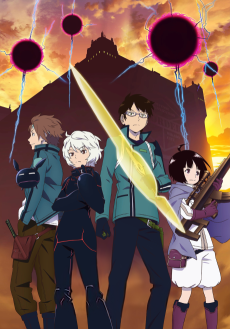
That emotional DNA—sci-fi as sacred exhaustion, tactics as survival against time itself—pulses strongest in World Trigger 2nd Season. Here, border defense isn’t heroic frontierism—it’s meticulous, claustrophobic, crafting-intensive fortification against invaders who slip between dimensions like ghosts through cracks in reality. The Trion suits aren’t powered armor; they’re repairs, jury-rigged from fallen comrades’ data, their interfaces flickering with half-remembered voices. Like Kronus’ skull-lined tunnels, every corridor in Border City feels excavated from memory—tight, recursive, haunted by the geometry of past failures. Both demand tactical patience, not brilliance—measuring angles, conserving charge, trusting systems older than your squad. The dread isn’t of death, but of repetition: same chokepoint, same ambush pattern, same skull on the wall.
Then there’s Getter Robo: Armageddon, where the body horror isn’t grotesque—it’s architectural. The Getter Rays don’t just mutate flesh; they recompose it into weapons forged from planetary trauma—bone becoming cannon, sinew becoming circuitry. When the Black Emperor’s forces rise from buried ruins, their forms are assembled, not born—joints clicking into place like Necron dynastic tombs reassembling themselves mid-battle. The occult isn’t spellcasting; it’s logistics: reading glyphs etched into canyon walls to unlock dormant war-machines, treating ancient scripture like firmware updates. Like Kronus’ funeral chambers doubling as barracks, every temple here is a factory, every altar a control console—and the horror lies in how familiar it feels: the dead don’t haunt. They reboot.
And Terra Formars, with its suffocating Martian tunnels and bio-engineered horrors that evolve mid-combat, mirrors Kronus’ ecological uncanny. The bugs aren’t monsters—they’re adaptations, honed over millennia in sealed, skull-strewn vaults. Every firefight is a race against biological time: your squad’s armor degrades faster than their enemy’s chitin regenerates. Survival isn’t about winning—it’s about delaying entropy, patching suits with scavenged carapace, rationing oxygen while listening to the skittering echo of something that remembers being human. Like the Necron awakening, the horror isn’t sudden—it’s unfolding, inevitable, written into the very strata of the map.
This pairing speaks to someone who doesn’t flinch at silence before battle—but leans in. Someone who finds beauty in a rusted power core still humming after ten thousand years, who watches a character reassemble their shattered arm with calm, clinical focus, and feels relief, not revulsion. It’s for the viewer who pauses mid-episode of Star Blazers: Space Battleship Yamato 2199, not at the explosion, but at the shot of crew members silently welding a hull breach with hands blistered and eyes bloodshot—crafting survival like prayer. It’s for the player who lingers in Dark Crusade’s desert fog not to scout, but to listen: for the distant, subsonic thrum of something waking up—not to fight you, but to resume.
→120 Anime That Match the Vibe
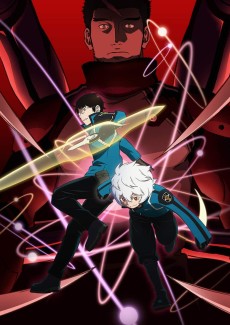
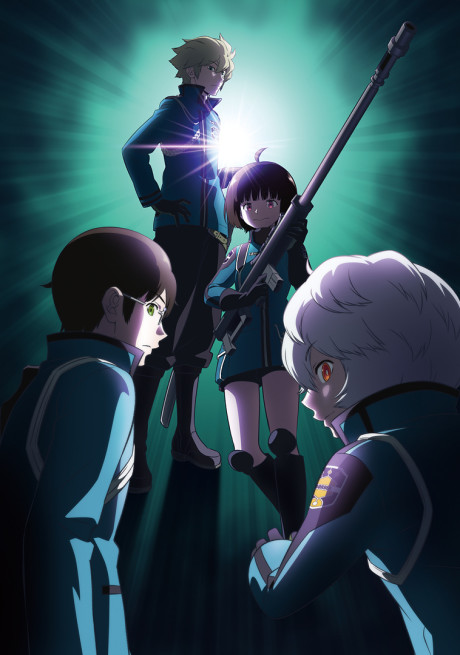
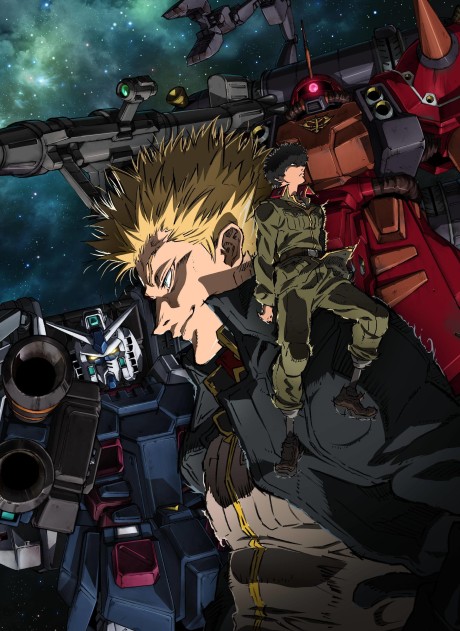
Kronus’s skull-lined Necron tombs hum with the same claustrophobic dread as Border’s cramped, gear-cluttered B-Rank barracks in *World Trigger* Season 2—where Osamu Mikumo frantically calibrates his Trion suit mid-ambush. Unlike most sci-fi, both weaponize **tactical warfare**: Dawn of War’s phased Necron resurrection mirrors Season 2’s escalating Neighbor incursions, demanding real-time adaptation, not just firepower. That shared tension—survival forged in hostile, layered spaces—makes their resonance unexpectedly visceral.
Connected through 3 aesthetic dimensions.
Connected through 3 aesthetic dimensions.

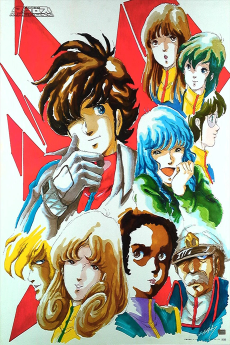
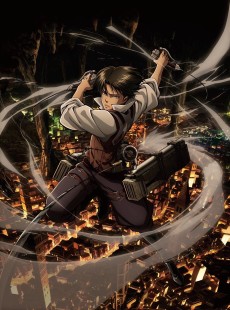
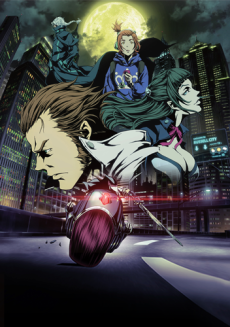
Kronus’s skull-lined Necron tombs exhale the same suffocating dread as Getter Robo: Armageddon’s opening prison break—where Ryoma Nagare, shackled and branded a murderer, stumbles into Saotome’s reanimated, biomechanical horror. Unlike most mecha fare, Armageddon leans hard into **Body Horror & Occult**, mirroring Dark Crusade’s Necrons reassembling fleshless skeletons into sentient war-machines beneath desert sands. That shared obsession with violated anatomy and ancient, resurrected evil makes their sci-fi despair feel terrifyingly coherent—not parallel, but *convergent*.
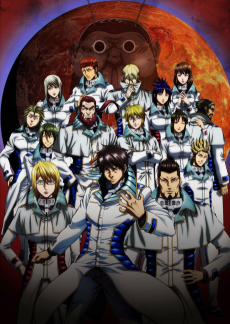
Beneath Kronus’s skull-lined Necron tombs and Terra Formars’ Mars-buried bio-labs, decay isn’t failure—it’s tactical infrastructure. Where the Necrons reanimate millennia-old war-machines with cold, geometric precision, *Terra Formars*’ mutated cockroach soldiers weaponize grotesque metamorphosis—body horror as frontline doctrine. This shared obsession with **👻 Body Horror & Occult** transforms biology into battlefield architecture, making their grim pragmatism eerily symbiotic.

Connected through 3 aesthetic dimensions.

Kronus’s skull-lined Necron tombs echo the claustrophobic, dust-choked corridors of Yamato’s aging hull—both spaces demand tactical ingenuity under crushing scarcity. Unlike most sci-fi war narratives, *Dark Crusade* and *Yamato 2199* (the 26-episode OVA) root their survival & crafting stakes in visceral decay: one army reassembles ancient death-machines from tomb walls; another jury-rigs a dying battleship into humanity’s last hope. That shared tension—between monumental scale and desperate, hands-on repair—is what makes their resonance so starkly human.
Connected through 2 aesthetic dimensions.
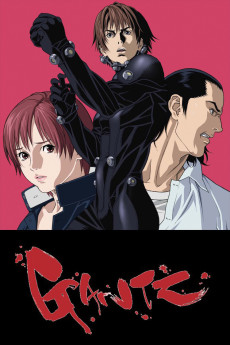
Kronus’s skull-lined Necron tombs exhale the same suffocating dread as Gantz: Second Stage’s Tokyo subway tunnels—where Kurono and Kato scramble over mangled, regenerating corpses mid-battle. Unlike most survival narratives, both weaponize *Body Horror & Occult* not for shock alone, but as visceral metaphors for irreversible physical and moral erosion under relentless tactical pressure. That shared descent—into flesh as fragile terrain and war as inescapable ritual—makes their bleak synergy startlingly coherent.

Build, survive, thrive — the satisfaction of carving out your place in a hostile world.




















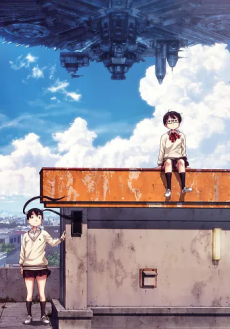
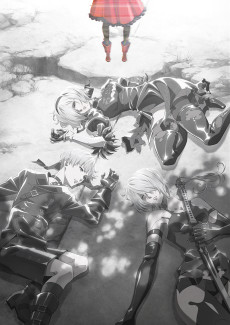


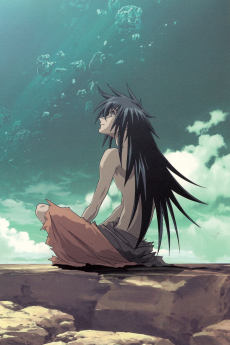


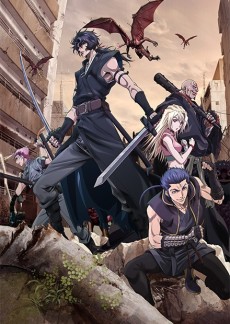




![Fate/stay night [Heaven's Feel] I. presage flower](https://s4.anilist.co/file/anilistcdn/media/anime/cover/medium/bx20791-yPCX5GJuMH2k.png)











![Fate/stay night [Heaven’s Feel] III. spring song](https://s4.anilist.co/file/anilistcdn/media/anime/cover/large/bx21719-MSdTlkno0Z0u.jpg)

















Match Dimensions Explained
❓Frequently Asked Questions
Why is World Trigger 2nd Season recommended for Dawn of War: Dark Crusade fans?
Because both hinge on desperate, squad-level tactical warfare in hostile sci-fi environments—like World Trigger’s Border agents coordinating real-time with Triggers and barriers during the massive Neighbourhood invasion arc, mirroring how Dark Crusade forces scramble to hold Kronus’ necropolis tunnels against overwhelming Necron reanimations. The constant resource pressure, terrain-based cover use, and emphasis on unit roles (Scout, Attacker, Defender) feel ripped straight from DoW’s command layer.
Is there an anime adaptation of Warhammer 40,000: Dawn of War — Dark Crusade?
No—there’s no official anime adaptation of Dark Crusade specifically. But if you’re craving that same grim, high-stakes vibe with elite factions clashing over ancient alien tombs (like the Necron awakening under Kronus’ desert), Terra Formars nails it: the Mars expedition’s brutal, claustrophobic tunnel fights against evolved cockroach-horrors echo the Necron tomb complexes, complete with tactical loadouts, squad comms, and escalating body horror as the mission unravels.
World Trigger vs. Terra Formars—which is better for Dawn of War: Dark Crusade fans who love the Necron campaign?
Terra Formars edges it for Necron energy—especially the ‘Mars Arc’ where teams descend into buried, skull-lined subterranean chambers (just like Kronus’ necropolis), only to face biomechanical horrors that reanimate and adapt mid-fight, much like Necron warriors rising from stasis. World Trigger’s cleaner, more rule-based combat suits the Space Marine or Eldar campaigns better, but Terra Formars’ oppressive dread and environmental decay match the Necron awakening scene-by-scene.
What’s the best anime like Dark Crusade if I want that ‘desert tomb awakening’ dread and tactical survival vibe?
Getter Robo: Armageddon—it’s got the exact blend: ancient buried megastructures (the Getter Emperor’s tomb), body horror fused with occult tech (Necron-style resurrection via ‘Necro-Cells’), and squads forced into brutal close-quarters survival in collapsing, skull-adorned ruins. When Ryouma’s team battles inside the crumbling Geofront-like caverns while their bodies mutate mid-combat? That’s Kronus’ necropolis, down to the echoing silence before the first Necron phalanx rises.