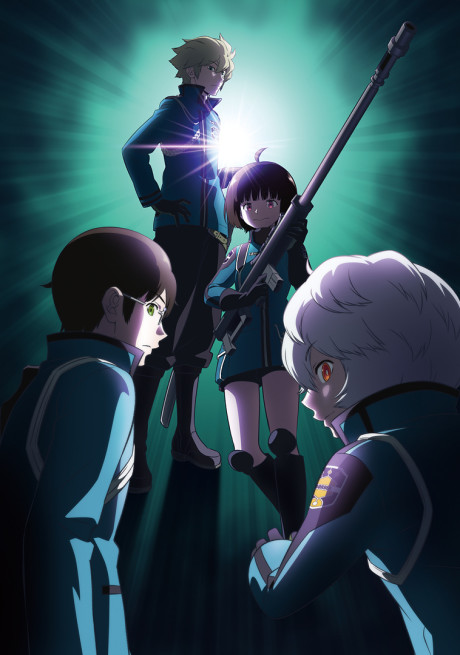
World Trigger 3rd Season
The third season of World Trigger.
With Hyuse joining the Tamakoma Squad, the rank wars are continuing and the Tamakoma squad are striving to get selected for the Away Missions.
📺Anime Details
📝Editorial Analysis
The hum of the Trion field—low, resonant, vibrating in your molars—as Hyuse’s blade slices through a B-Rank border skirmish, not with flourish, but with exhausted precision. His foot slips on rain-slicked concrete. He doesn’t shout. Doesn’t flinch. Just recalibrates mid-lunge, Trion flaring blue-white at his knuckles as he redirects momentum into a controlled slide-stab—clean, quiet, necessary. No music swells. No slow-motion close-up. Just breath, grit, and the weight of selection hanging over Tamakoma like low cloud cover.
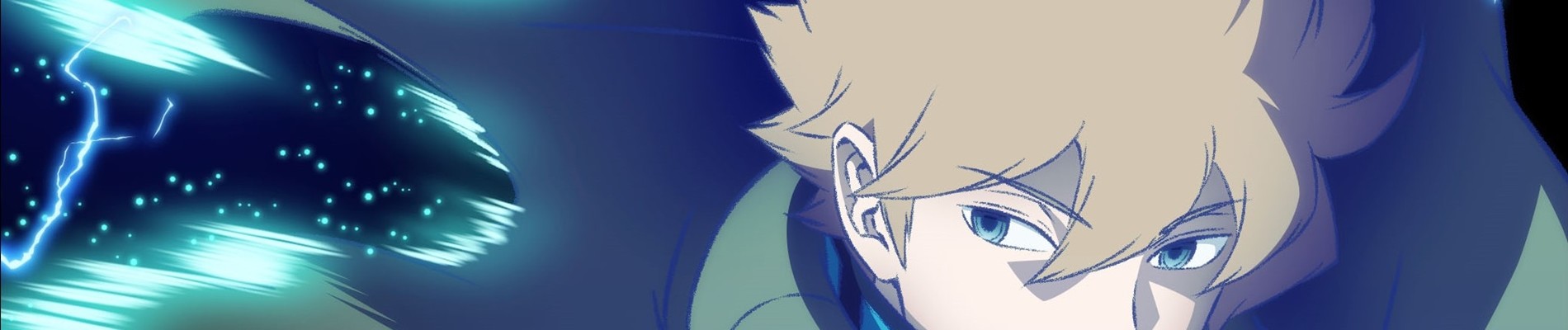
That’s the feeling: unrelenting calibration. Not heroism as revelation, but heroism as maintenance—tuning yourself, your squad, your gear, your rank, your very Trion output, day after day, mission after mission. It’s military discipline stripped of pomp, sci-fi rendered tactile: augmented reality overlays flicker not as flashy HUDs but as fatigue indicators, ammo counters that blink red before you do, squad comms crackling with clipped syntax and unspoken trust. This isn’t about destiny—it’s about eligibility. Getting chosen for an Away Mission isn’t a triumph; it’s the first real test of whether your calibration holds under vacuum, under fire, under the silent, crushing expectation of a world that treats teenagers as frontline assets. You don’t feel awe here. You feel readiness—a taut, humming thing, equal parts dread and devotion.
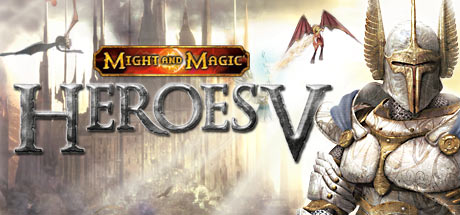
Which is why Heroes of Might & Magic V lands with such uncanny resonance. Its description calls it “a next-generation phenomenon, melding classic deep fantasy with next-generation visuals and gameplay”—but what the player review nails is its nuclear-level commitment to systems-as-identity: “this game nukes both HoMMIII and HoMMII from orbit.” That’s Tamakoma’s ethos—ruthless, iterative, almost clinical improvement. Every map conquered, every resource stockpiled, every hero leveled isn’t spectacle—it’s eligibility prep. Like Tamakoma grinding Rank Wars, HoMMV forces you to treat your army not as characters, but as calibrated units: mana pools, morale thresholds, terrain modifiers—all variables you adjust, recheck, optimize, again. The emotional DNA isn’t in the dragons or castles—it’s in that same quiet, relentless calibration.
Then there’s STAR WARS™ Jedi Knight - Jedi Academy™, where the description positions you as “a new student eager to learn the ways of the Force,” and the player review notes how you’re “thrust into a Galaxy-spanning adventure to help…”—but crucially, not as a chosen one. You’re a Padawan. Your lightsaber isn’t inherited; you forge it. Your stance isn’t preordained; you choose it—single blade, dual, saberstaff—each altering reach, speed, stamina drain. That’s Hyuse choosing swordplay over guns, Yuma refining his Trion burst timing, Chika optimizing her shield geometry—not for flair, but for functional fit. The action isn’t about power fantasy; it’s about embodied competence. Like Tamakoma’s squad drills, Jedi Academy’s combat feels earned through repetition, failure, adjustment—where every parry matters because stamina depletes, every jump costs force points, and every enemy reads your rhythm. It’s tactical warfare wearing a lightsaber’s glow.
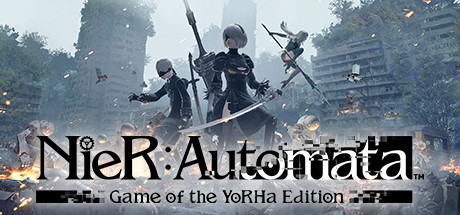
And NieR:Automata™, though tonally distant, shares that same haunted readiness. Its description frames androids 2B, 9S, and A2 battling machines in a “machine-driven dystopia”—but the player review cuts deeper: “We’re trapped in a never-ending spiral of life and death”. That’s the Tamakoma cadence: missions stack, ranks shift, allies rotate, losses accrue—not dramatically, but structurally. You don’t get closure; you get debriefs, recalibration protocols, new objectives. Like 2B resetting her memory core or 9S rerouting logic pathways after trauma, Tamakoma’s teens don’t heal—they reconfigure. Their emotional armor isn’t stoicism; it’s operational continuity. The JRPG Narrative dimension isn’t about lore dumps—it’s about living inside a system so vast and indifferent that meaning isn’t found, but maintained, one calibrated decision at a time.
This pairing sings for the viewer who watches battle scenes and counts reload cycles, who replays a squad maneuver three times to spot the micro-adjustment that saved them, who feels a quiet thrill when a character’s Trion gauge stabilizes just above critical—not because they won, but because they held. For the player who pauses mid-battle in HoMMV to rebalance spell slots, who spends twenty minutes in Jedi Academy’s training room mastering a single parry-riposte combo, who stares at NieR’s bleak sky and whispers, “Yeah. I know that weight.” Not the ones chasing catharsis—but the ones who find grace in the grind.
🎮48 Games That Match the Vibe












Match Dimensions Explained
❓Frequently Asked Questions
Why does World Trigger Season 3’s Trion battle system feel so tactical compared to other anime action shows?
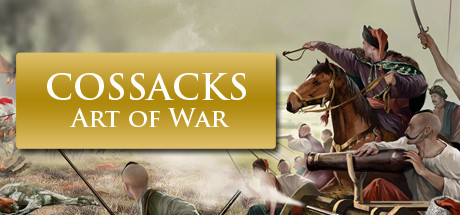
Because World Trigger’s combat is built on precise movement, shield management, and real-time spatial awareness—just like the grid-based flanking and unit positioning in Heroes of Might & Magic V, where you command squads with distinct roles (e.g., mages vs. cavalry) and must time abilities around terrain and enemy formations. Even Cossacks: Art of War nails that same grounded, consequence-heavy warfare—think reloading delays, morale shifts, and supply-line pressure mirroring how Trigger agents ration Trion and retreat to regroup after a failed breach.
Is there a World Trigger video game adaptation?
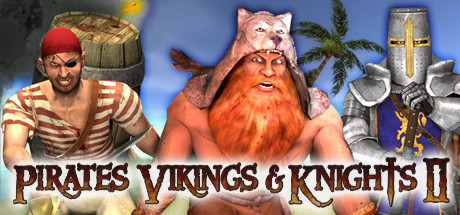
No official World Trigger game exists—not on consoles, PC, or mobile. But if you love its fast-paced, physics-aware skirmishes and squad-based Trion tech, Pirates Vikings & Knights II delivers that same chaotic, momentum-driven 3v3 combat where timing your parry, dodge, and class-specific ability (like a Viking’s shield bash or Knight’s lunge) feels just as skill-reliant and visually snappy as Yūma’s rapid-fire Trion bursts.
NieR:Automata vs. Jedi Academy—which is better for World Trigger fans who love emotional androids *and* flashy swordplay?
Go with NieR:Automata if you want philosophical depth layered over razor-sharp, combo-driven action—2B’s balletic blade work and the haunting, looping narrative about identity and loss hit the same emotional beats as World Trigger’s moral ambiguity and character-driven stakes. Jedi Academy gives you more freedom to *build* your Padawan (custom lightsaber, Force powers), but NieR’s tightly scripted set-pieces—like the rain-soaked cathedral fight with 9S—mirror World Trigger’s cinematic, high-stakes duels far more closely.
What’s the best game like World Trigger Season 3 if I want that intense, grounded ‘tactical team skirmish’ vibe—not epic space opera or fantasy quests?
Cossacks: Art of War is shockingly spot-on: it’s all about small-unit coordination, line-of-sight cover, reload discipline, and battlefield adaptation—no magic, no superpowers, just disciplined squads reacting in real time, just like Border’s synchronized Trion deployment during a Gate breach. You’ll feel that same heartbeat-pounding tension when your Hussar flank gets pinned, exactly like Kitora’s squad scrambling to reposition under fire in Episode 12.