BloodRayne (Legacy)
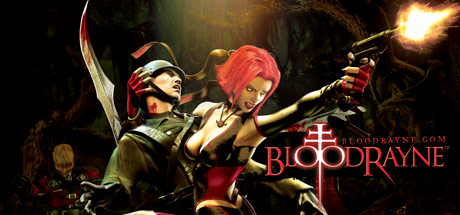
In the years between the World Wars, Agent BloodRayne works as a killing machine for The Brimstone Society--a top secret fraternity that hunts down and destroys supernatural threats. Starring heroine Rayne, this original action horror game unleashed the red headed dhampir on the world.
🎮Game Details
💬What Players Say
"This is a very schlocky, one note action game - but its very fun. I'm nostalgic for games of this era, and Bloodrayne scratches that itch for me. Not reccomended for modern audiences - not because the game has distasteful content, but because it's not very good."
"[h1]Ryan George Style Pitch Meeting:[/h1] Publisher: So, you have a leather-clad-redhead-gives-aggressive-hugs simulator for me? Game Designer: Yes, sir, I do! It's called BloodRayne!..."
"runs on linux ,not on new windows 10/11"
📝Editorial Analysis
The thud of a boot connecting with a vampire’s jaw—then the wet, tearing rip as Rayne’s arm elongates, bones cracking like dry kindling, fingers hooking into raw muscle before yanking the creature apart mid-leap. That’s not just combat—it’s ritual. It’s the Brimstone Society’s unspoken creed made flesh: precision violence wrapped in leather, cigarette smoke, and the low hum of pre-war dread. This is BloodRayne (Legacy)—a game that doesn’t ask you to suspend disbelief so much as lean into the schlock, where every kill feels less like strategy and more like cathartic punctuation in a sentence written in blood and brass knuckles.
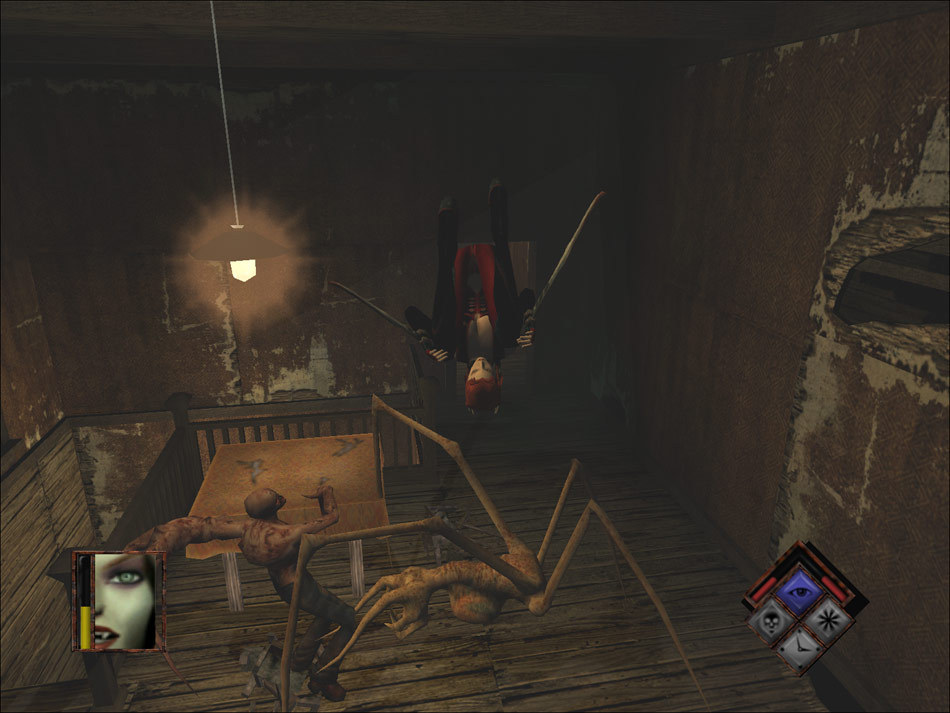
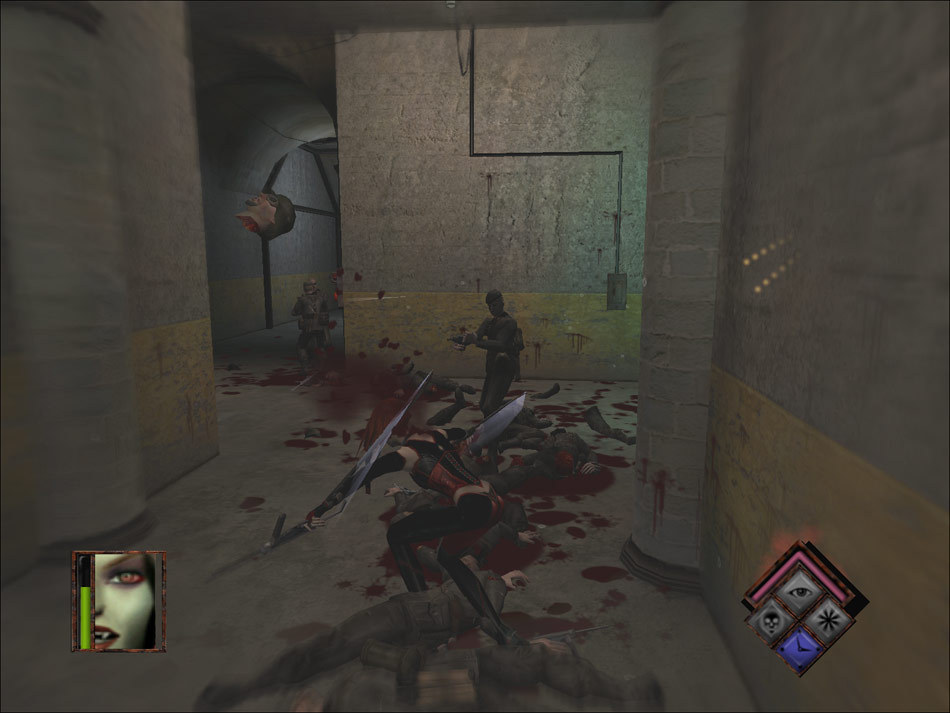
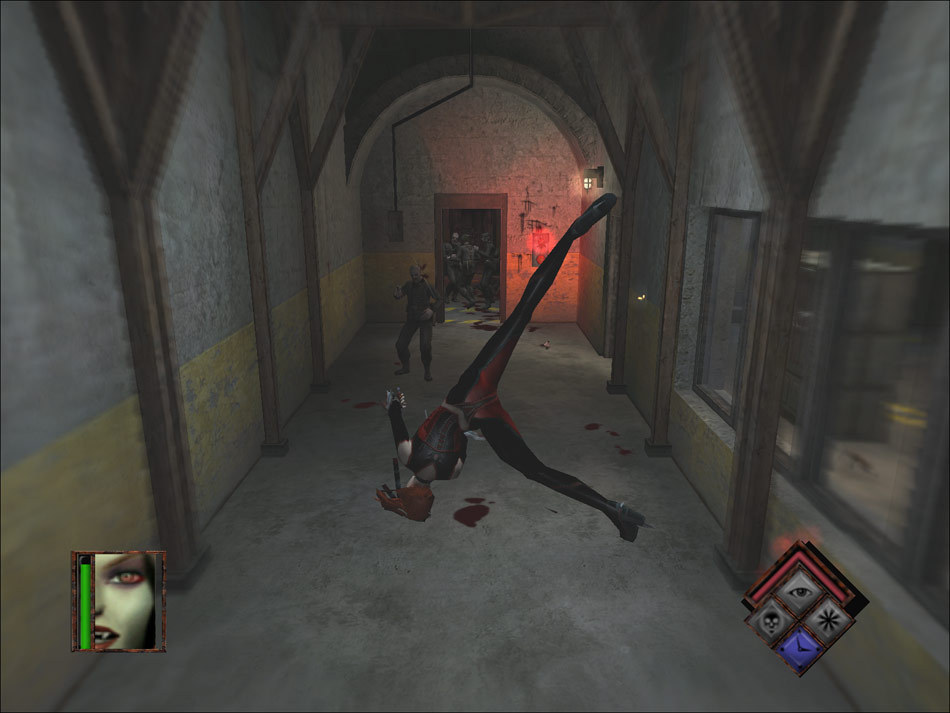
What makes it vibrate at this particular frequency isn’t its 2002-era tech or its janky Windows 10/11 incompatibility—it’s the weight of its own conviction. It’s unapologetically tactile: the scrape of Rayne’s coat against cobblestone, the way her hair whips across the screen like a second weapon, the way the camera lingers—not on gore for shock, but on control. She’s not surviving horror; she’s curating it. Player Review 1 nails it: it’s “very schlocky, one note”—but that note is insistent, almost musical in its repetition. It makes you feel like you’re flipping through a pulp magazine drawn by someone who’d seen too many midnight screenings and drank too much espresso. It’s not grimdark irony. It’s sincere excess. You think about legacy—not of franchises or lore, but of physical presence: how a body moves when it’s both weapon and witness, how history bleeds sideways through trench coats and occult sigils.
That same visceral, grounded-yet-supernatural tension lives in Chainsaw Man – The Movie: Reze Arc, where Reze’s balletic, almost tender violence mirrors Rayne’s lethal choreography—not in motive, but in execution. Both weaponize intimacy: Reze’s hugs are traps; Rayne’s aggressive embraces are dismemberments disguised as contact. Their shared dimensions—Body Horror & Occult, Action Spectacle, Tactical Warfare—aren’t checklist items. They’re textures: the way Reze’s ribcage splits open to reveal clockwork gears echoes Rayne’s own dhampir physiology—a body that bends reality rather than breaks it. And like Rayne’s missions for the Brimstone Society, Reze operates inside a shadow war where stakes are personal, rules are oral, and every fight is a negotiation between flesh and function.
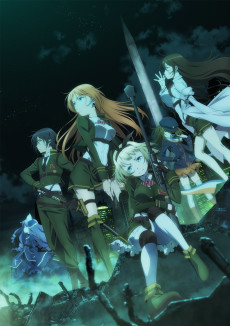
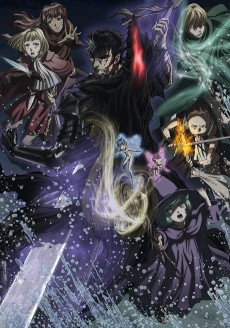
Then there’s Record of Lodoss War, whose score matches BloodRayne (Legacy)’s not because of dragons or swords—but because of atmosphere as architecture. Its fog-choked ruins and candlelit catacombs don’t just house monsters; they breathe with the same oppressive, pre-modern weight as Rayne’s interwar Europe. Here, Body Horror isn’t just transformation—it’s corruption seeping into stone, and Occult isn’t ritual—it’s inheritance, passed down like a cursed heirloom. The Action Spectacle isn’t flash—it’s consequence made kinetic: a swing of a blade that cracks floor tiles, a spell that unravels light itself. Tactical Warfare here means reading terrain like scripture—just as Rayne reads a cathedral’s stained glass not for beauty, but for sightlines and choke points.
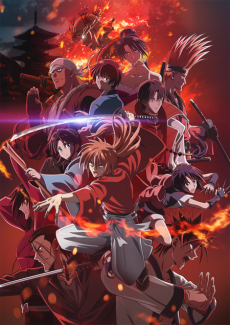
And BLEACH: Thousand-Year Blood War? It shares that same blood-temperature urgency. Not just because of crimson hair or vampiric lineage—but because of how both treat power as physiology first, philosophy second. Ichigo’s Hollow mask isn’t metaphor—it’s bone grafting. Rayne’s extended limbs aren’t cool—they’re biological compromise. In both, Body Horror isn’t spectacle—it’s identity under stress, and Occult isn’t mysticism—it’s infrastructure, built from treaties, blood oaths, and buried archives. Their Action Spectacle thrums with tactical exhaustion: every dodge matters because stamina is finite, every parry leaves a tremor in the wrist.
This isn’t for people who want tidy allegories or seamless immersion. It’s for the ones who still smell cordite in old action figures, who pause anime frames to count bullet holes in a coat lapel, who feel a jolt when leather creaks just right. It’s for fans of the physical grammar of genre—the way a raised eyebrow, a cocked hip, or a delayed reload tells you more than ten pages of exposition. If your nostalgia isn’t for graphics, but for grit under fingernails, if you love stories where the most terrifying thing isn’t the monster—it’s how comfortable the hero looks holding its spine—then you already speak this language. Fluently.
→120 Anime That Match the Vibe

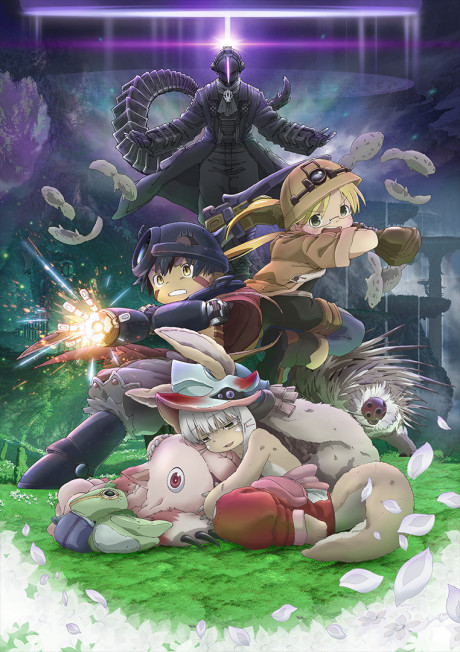
The body as a site of transformation and terror — both push physical boundaries.

The body as a site of transformation and terror — both push physical boundaries.

The body as a site of transformation and terror — both push physical boundaries.
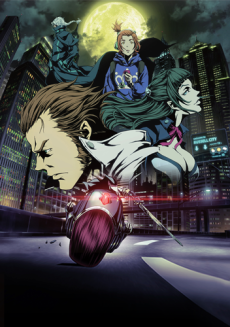
The body as a site of transformation and terror — both push physical boundaries.

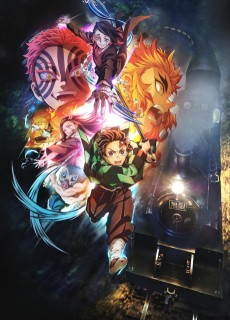
BloodRayne’s trench-coated, vampiric agent dismembering occult abominations in Weimar-era Berlin mirrors Denji’s visceral, chainsaw-limb reassembly during Reze’s explosive Tokyo showdown—both weaponize bodily violation as tactical precision. Unlike most supernatural action, they fuse 💥 Action Spectacle with 🎯 Tactical Warfare: Rayne calculates bullet trajectories mid-leap; Denji exploits Reze’s time-stop quirk like a battlefield commander. This pairing surprises by treating horror not as dread, but as disciplined, almost balletic violence—where every severed limb serves the mission.

The body as a site of transformation and terror — both push physical boundaries.

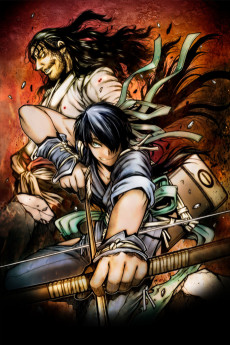
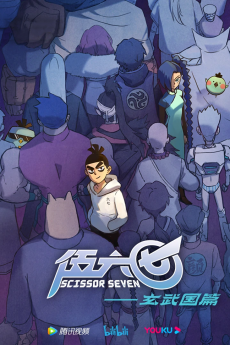
BloodRayne’s gory ritual in the abandoned cathedral—where her vampiric blood rewrites flesh mid-combat—echoes the OVA’s grim altar scene where Parn shatters a necromancer’s bone-sigil, unleashing spectral decay. Unlike most fantasy action, both weaponize 🎯 Tactical Warfare: Rayne calculates enemy weak points like a Brimstone field manual, while the Lodoss OVA’s siege of Marmo hinges on terrain-based ambushes and spell-counters. This shared fusion of occult precision and visceral consequence makes their resonance startlingly intellectual—not just spectacle, but strategy soaked in body horror.
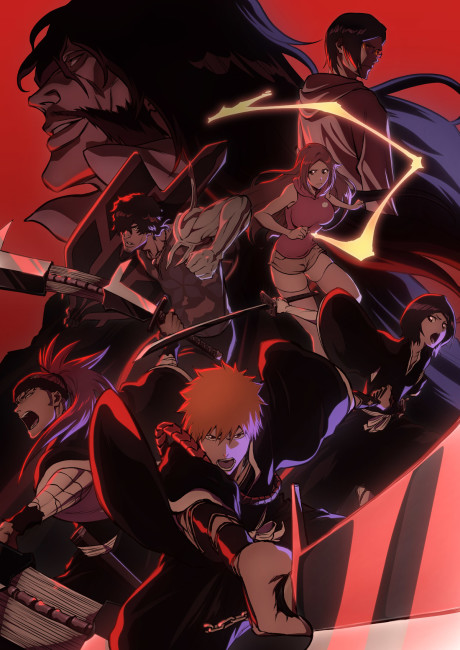
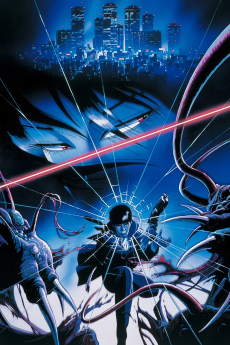
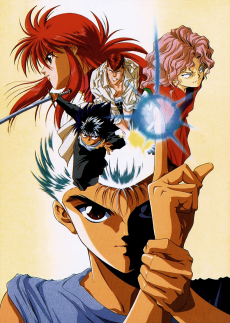
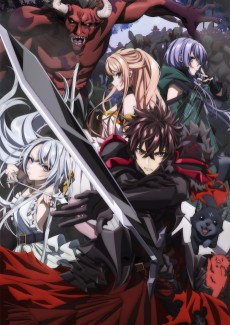
BloodRayne’s gory, trench-coated dispatch of vampiric aristocrats in Weimar-era Berlin mirrors Ichigo’s brutal, close-quarters clashes with Quincy elite during the *Thousand-Year Blood War*’s Hollow-infested Seireitei siege—both weaponize body horror & occult iconography to interrogate inherited power and monstrous legacy. Where Rayne’s dhampir physiology twists her into a living weapon for a shadowy order, Ichigo’s hybrid soul fractures under the weight of Soul Reaper, Quincy, and Hollow bloodlines. This isn’t just shared spectacle—it’s tactical warfare as visceral, morally jagged ritual.

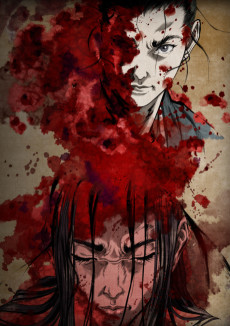
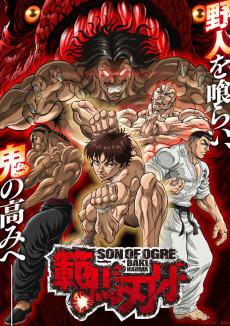
BloodRayne’s gory, occult-tinged Brimstone Society missions—like her visceral dismemberment of a vampiric cultist in the Paris sewers—echo Mob Psycho 100 II’s escalating body horror: think Mob’s grotesque psychic meltdown during the Divine Tree arc, where flesh warps under emotional collapse. Unlike most action media, both weaponize tactical warfare not for clean heroism but as grim, adult-seinen scaffolding for psychological unraveling—Rayne’s cold precision mirroring Mob’s suppressed rage crystallizing into catastrophic power. That shared commitment to dark, bodily consequence makes their resonance unsettlingly precise.

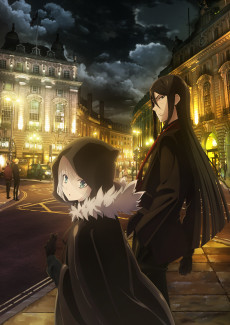
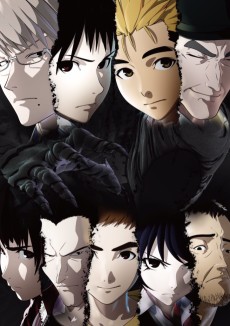
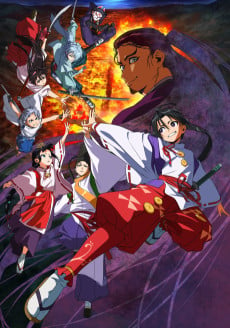
BloodRayne’s visceral gorefest—like her arm-slicing a possessed nun in the Berlin catacombs—meets *Malevolent Spirits: Mononogatari*’s tsukumogami unraveling into splintered wood and weeping porcelain. Where Rayne weaponizes her dhampir body horror against occult corruption, Hyoma’s rage fractures reality itself, making their shared 🖤 Adult & Dark Seinen tension feel less like genre overlap and more like two sides of the same cursed coin: violence as revelation. Surprisingly, both treat supernatural decay as intimate, bodily betrayal—not spectacle alone, but sorrow made sharp.
















![Fate/stay night [Heaven’s Feel] III. spring song](https://s4.anilist.co/file/anilistcdn/media/anime/cover/large/bx21719-MSdTlkno0Z0u.jpg)






































![Fate/stay night [Heaven's Feel] I. presage flower](https://s4.anilist.co/file/anilistcdn/media/anime/cover/medium/bx20791-yPCX5GJuMH2k.png)






















Match Dimensions Explained
❓Frequently Asked Questions
Why is Chainsaw Man – The Movie: Reze Arc recommended for BloodRayne fans?
Because Reze’s grotesque, high-stakes body horror—like her explosive self-dismemberment during the Tokyo bombing sequence—mirrors Rayne’s visceral, over-the-top violence and dhampir physiology. Both lean hard into occult warfare with tactical precision: Reze’s bomb-based combat parallels Rayne’s strategic use of blood powers and dual-wielded blades in Brimstone Society ops.
Is there an anime adaptation of BloodRayne?
No—there’s never been an official anime adaptation of BloodRayne, despite its cult status and schlocky, stylized vibe (remember that leather-clad-redhead-gives-aggressive-hugs pitch?). But if you’re craving that same energy, BLEACH: Thousand-Year Blood War delivers Rayne-level action spectacle: Ichigo’s Hollowfication transformations echo her dhampir duality, and the Soul Society’s brutal, large-scale occult warfare feels like a direct spiritual cousin to Brimstone Society missions.
How does Record of Lodoss War compare to BLEACH: Thousand-Year Blood War for BloodRayne fans?
Both nail the ‘tactical occult warfare’ vibe BloodRayne fans love—but Lodoss War leans into grim, grounded medieval siegecraft (think Rayne storming a vampire-occupied castle with precise blade work and limited ammo), while BLEACH goes full anime spectacle with reality-bending Bankai clashes and Hollowfication body horror. If you loved Rayne’s no-nonsense brutality in interwar Europe, Lodoss War’s gritty, consequence-heavy battles hit closer than BLEACH’s flashier, more mythic scale.
What’s the best anime like BloodRayne for that nostalgic, schlocky early-2000s action-horror vibe?
Malevolent Spirits: Mononogatari—it’s got the adult, dark seinen edge and unapologetic body horror (like Kyouko’s grotesque spirit-possession sequences) that mirrors Rayne’s R-rated pulp energy. Plus, its occult detective framework and morally grey protagonists feel like a direct anime translation of The Brimstone Society’s secretive, supernatural-hit-squad aesthetic—no modern polish, just raw, atmospheric grit.