
Mob Psycho 100 II
The second season of Mob Psycho 100.
Kageyama is an ordinary 8th grader who just wants to live a normal life. Although he can disappear in the crowd in a flash, he was actually the most powerful psychic. The lives of those around Mob and his numerous feelings that softly piles up for the eventual explosion. The mysterious group "Claw" stands before him once again. In the midst of his youthful days, where will his roaring heart take him!?
(Source: Crunchyroll)
📺Anime Details
📝Editorial Analysis
The fluorescent hum of a convenience store at 11:47 p.m. Mob stands there, gripping a lukewarm melon soda, eyes fixed on his own reflection in the glass door—blurry, half-transparent, already dissolving into the background. He hasn’t even tried to be seen. His fingers tremble—not from power, not from fear—but from the quiet, suffocating weight of not being allowed to feel small. That’s the heart of Mob Psycho 100 II: not explosions, not villains, but the unbearable pressure of holding yourself together while the world keeps demanding you perform normalcy.
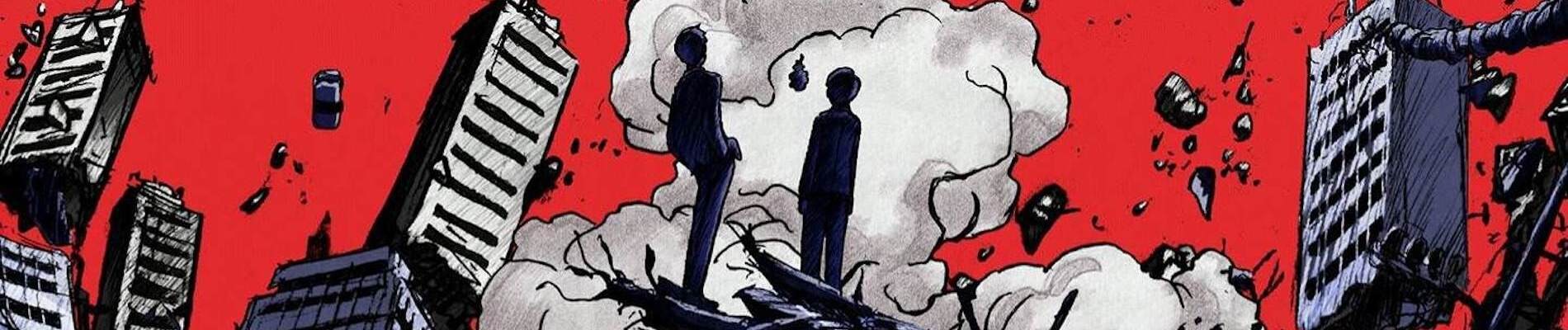
What makes it ache so deeply isn’t its supernatural gloss or slapstick timing—it’s how relentlessly human it feels beneath the psychic glow. This is urban fantasy without escapism: sidewalks crack, rain smells like wet concrete and exhaust, and every “power-up” scene lands like a panic attack disguised as spectacle. You don’t watch Mob’s emotional eruptions—you recognize them. The show doesn’t dramatize adolescence; it documents it, with clinical tenderness and zero condescension. It makes you sit with the exhaustion of self-suppression—the way your chest tightens when you swallow a laugh, bite back a tear, or nod along to someone else’s version of your life. It’s quiet, even in chaos. It’s tired, even when soaring. And above all, it’s honest about how terrifying it is to finally let your voice shake—not with rage, but with relief.
That same emotional DNA flickers in Max Payne, where a man moves through rain-slicked alleys like a ghost haunting his own grief. The description calls him “a fugitive undercover cop framed for murder, hunted by cops and the mob”—but what the player review reveals is deeper: friends passing the controller after each death, turning trauma into shared ritual. Like Mob, Max isn’t defined by his skill—he’s defined by how much he bears. His bullet-time isn’t just gameplay; it’s the elongation of a single breath before collapse. Both Mob and Max live in worlds that refuse to slow down, forcing them to fracture internally while moving forward at full speed. Their power isn’t control—it’s endurance.
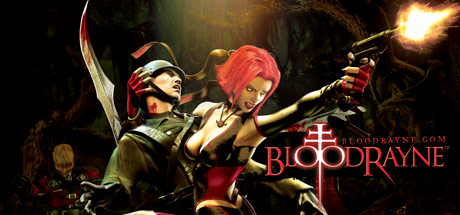
Then there’s BloodRayne (Legacy)—a game dripping with schlock and body horror, yes, but also with something raw: the exhaustion of being weaponized. The description positions Rayne as “a killing machine for The Brimstone Society,” a role she never chose, only inherited. The player review nails it: “This is a very schlocky, one note action game—but it’s very fun. I’m nostalgic for games of this era…” That nostalgia isn’t for polish—it’s for the relief of unburdened expression. Rayne doesn’t brood in silence like Mob; she shreds through enemies with vampiric glee—but both are channeling the same truth: sometimes the only way to survive being treated as a tool is to become the tool so completely it stops hurting. Her gore is Mob’s psychic outburst made visceral, cathartic, absurd—and strangely tender in its refusal to apologize.
Even Call of Duty: World at War, buried under tactical warfare and gritty realism, shares that undercurrent: the description emphasizes immersion in “the most gritty and [un]forgiving” war—but the player review cuts straight to longing: “Best COD game made, shame that the prices for the older ones are so high…” There’s reverence here—not for heroism, but for texture, for the tactile weight of memory. Like Mob staring at his soda can, players remember the feel of those controls, the grain of that gunfire, the way time bent in those corridors—not because it was profound, but because it was real enough to hold onto. Both the anime and the game treat intensity not as spectacle, but as sensory residue—the kind that sticks to your ribs long after the screen goes dark.
These pairings aren’t for fans of “cool powers” or “epic battles.” They’re for the kid who still flinches at loud noises, the adult who rehearses sentences before speaking, the player who pauses mid-game just to watch rain hit a windowpane. They’re for people who know that the loudest moments in life aren’t the ones with shouting—they’re the ones where your throat closes, your hands go cold, and you realize: I’ve been holding my breath for years. That’s the resonance. Not genre. Not mechanics. Just the shared, trembling relief of finally exhaling.
🎮81 Games That Match the Vibe









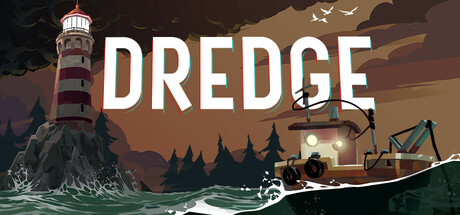

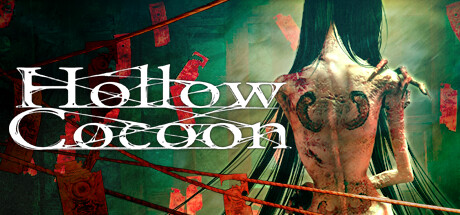
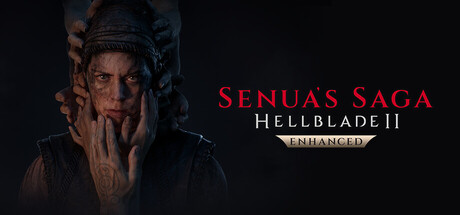


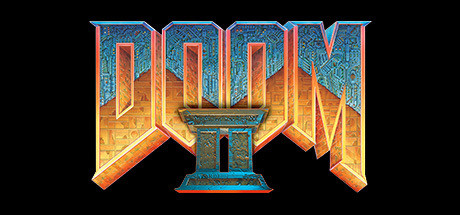


Match Dimensions Explained
❓Frequently Asked Questions
Why does BloodRayne (Legacy) keep showing up in 'Games Like Mob Psycho 100 II' lists?
It’s all about that unhinged, body-horror-meets-occult-energy vibe—like when Mob unleashes his psychic explosion and his limbs distort mid-air. BloodRayne’s over-the-top gore, supernatural Nazi vampires, and Brimstone Society lore tap into the same dark-seinen intensity as Mob’s emotional breakdowns and Kageyama’s psychic rampages. Plus, both lean hard into stylized, almost cartoonish violence that’s absurd *and* unsettling.
Is there a Mob Psycho 100 II video game adaptation?
No—there’s never been an official Mob Psycho 100 II game, and none are announced. The closest you’ll get is how Max Payne mirrors its tone: think of Max’s noir monologues echoing Mob’s quiet internal struggles, or how the slow-mo ‘bullet time’ moments feel like visual stand-ins for Mob’s psychic focus scenes—especially during high-stakes fights where everything narrows to one decisive action.
How does NecroVision compare to Max Payne for Mob Psycho 100 II fans?
NecroVision leans harder into WWI occult chaos—zombie trenches, demonic invasions, and cursed artifacts—while Max Payne nails the brooding, morally gray urban thriller energy, like Mob navigating moral collapse after losing control. If you loved Mob’s quiet rage boiling over in Episode 12, Max Payne’s grim, rain-slicked revenge arc hits that same nerve; NecroVision’s campy, low-budget weirdness is more like Reigen’s chaotic charm meets a Lovecraftian fever dream.
What’s the best game like Mob Psycho 100 II if I want that intense, emotionally raw but stylishly violent vibe?
Max Payne is your strongest match—it’s got the same blend of adult-seinen weight and cinematic, slow-motion action. When Mob finally screams ‘I’M NOT A MONSTER!’ and shatters reality, it lands with the same gut-punch as Max diving through glass while narrating his own unraveling. And yes, that PS2-era co-op nostalgia in the player review? It’s the same warm, gritty familiarity Mob fans crave—just swapped for trenchcoats and .45s instead of school uniforms and psychic static.