ARMA: Combat Operations
Sequel to the highly successful Operation Flashpoint, ARMA: Combat Operations is a first person tactical military shooter on the PC with large elements of realism and simulation. This game features a blend of large-scale military conflict spread across large areas alongside the more close quartered battles.
🎮Game Details
💬What Players Say
"great great great game, tons of fun with this game. for being 6 years old this game is still awsome. the best part is making your own combat situations...."
"Please do not buy this version of the game. Go ahead and buy ARMA: Gold Edition, which includes Armed Assault and Queen's Gambit expansion pack. It's impossible to buy the expansion pack by itself...."
"It's a fun, low-end version of Arma if you can not play the others due to restraints on your pc."
📝Editorial Analysis
The dust hangs. Not the cinematic, sunlit kind—this is the dry, chalky, throat-clogging grit of a Balkan hillside at noon, kicked up by your own boots as you crawl forward on elbows, rifle dragging in the dirt, heart hammering not from adrenaline but from weight: the weight of radio discipline, the weight of knowing your squad’s AI won’t flank unless ordered, the weight of terrain so vast and unscripted that your objective—a single ruined farmhouse—is barely visible on the horizon. That’s ARMA: Combat Operations—not a sprint, not a spectacle, but a slow burn of consequence, built from the official description’s “large-scale military conflict spread across large areas” and the player who calls it “a fun, low-end version of Arma” for those constrained by hardware—real constraints, not imagined ones.
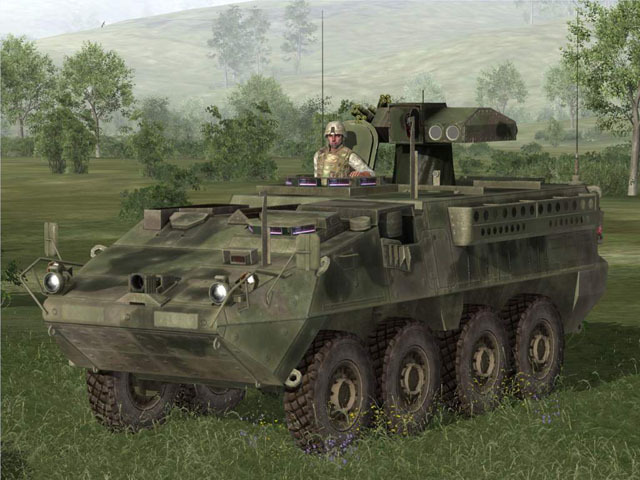
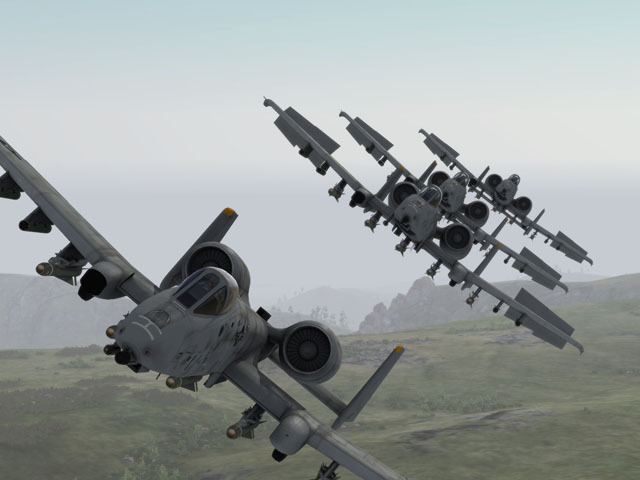
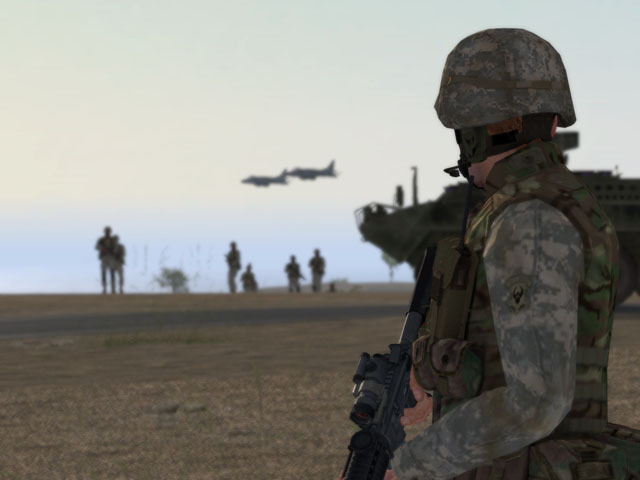
This isn’t about immersion through polish. It’s about immersion through permission: permission to fail silently, to misjudge distance, to call in artillery on the wrong grid because the map is too real, too granular, too indifferent. The feeling isn’t triumph—it’s gravitas. You think about logistics when your medic runs out of morphine. You think about command hierarchy when your CO’s voice crackles over comms with an order you didn’t anticipate—and you obey, not because it’s scripted, but because the simulation demands consistency. There’s no HUD ping, no waypoint arrow—just terrain, compass, and the quiet, grinding tension of tactical warfare as lived experience, not fantasy. It’s adult, not in gore or language, but in its refusal to simplify consequence. Even the player who warns “do not buy this version” does so not from disdain, but from care—because they know how easily the fragile realism collapses without the full toolset. That care is part of the DNA: this world matters, even when it’s rough around the edges.
Mob Psycho 100 II shares that same tactically precise dread. Not in guns—but in body horror as battlefield: limbs elongating mid-air like misfired mortar rounds, psychic energy distorting gravity not for flair, but function, each clash mapped with spatial rigor—distance, cover, line-of-sight—mirroring ARMA’s insistence on real-world physics. The occult here isn’t mystical; it’s operational, treated like another variable in the engagement: thermal bloom, wind speed, psychic resonance frequency. And the tone? Unflinching adult & dark seinen: no catharsis without cost, no victory without collateral damage—both physical and psychological. When Mob braces against a collapsing building, calculating load-bearing stress while dodging debris, it’s the same focused exhaustion you feel lining up a 600-meter shot in ARMA with a trembling hand and no reticle assist.
Tokyo Ghoul √A locks into the same grim register—not with squads, but with isolated precision. The CCG’s raids aren’t swashbuckling; they’re methodical, gear-heavy, and brutally inefficient—flashbangs mis-timed, armor pierced by claws, radios jammed mid-coordination. That’s ARMA’s “close quartered” bleeding into the “large-scale”: chaos contained within strict tactical grammar. The body horror isn’t grotesque for shock—it’s functional, biological warfare made visceral: Kagune membranes flexing like reinforced Kevlar, tendons snapping under strain like overloaded rifle springs. And the setting? A city rendered with oppressive, unromantic detail—the cracked pavement, the flickering streetlights, the way rain slicks concrete just enough to throw off footing—exactly the kind of environmental fidelity ARMA forces you to read, not just see. Both treat violence as labor, not liberation.
This pairing sings for the viewer who watches a sniper scene and counts breaths—not to feel cool, but to feel the lag between decision and impact. For the player who reloads not because the magazine’s empty, but because they chose to conserve ammo three encounters ago, knowing scarcity would bite later. For the person who finds beauty in a perfectly executed fire-and-movement drill, or in Mob’s silent recalibration after a shattered arm regrows wrong. They don’t want power fantasies—they want presence. The kind that lingers in the throat like Balkan dust, sharp and undeniable.
→14 Anime That Match the Vibe

Kageyama’s trembling hands during the Divine Tree arc—sweating, shaking, barely holding himself together—mirror the ARMA player’s first live-fire squad assault: visceral, unscripted, where panic isn’t dramatized but *simulated* in breath control and muscle memory. Unlike most action media, both weaponize **Body Horror & Occult** not for spectacle, but as psychological pressure valves—Mob’s psychic fractures and ARMA’s wound systems treat trauma as embodied, systemic, and stubbornly physical. That Season 2 leans into Kageyama’s quiet unraveling *while* ARMA forces players to manage exhaustion, morale, and miscommunication makes their dark-seinen resonance startlingly precise.
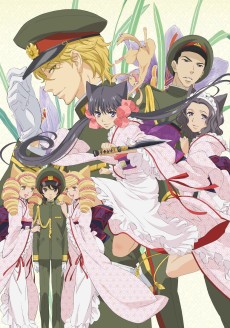
Strategy, precision, and the weight of every decision on the battlefield.

Strategy, precision, and the weight of every decision on the battlefield.

Ken Kaneki’s shattered ribs piercing his skin during the Aogiri raid mirrors ARMA’s unflinching focus on bodily vulnerability amid tactical chaos. Where √A weaponizes body horror to expose the fragility of identity under systemic violence, Combat Operations renders every bullet wound, fatigue-induced tremor, and radio-static miscommunication as visceral stakes—not spectacle. This dark, adult resonance between psychological unraveling and hyper-realistic warfare feels startlingly rare: two works treating trauma as terrain to be navigated, not overcome.
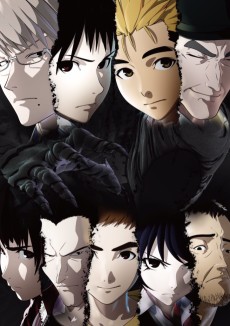
Kei Nagai’s first resurrection—limbs reknitting in clinical silence—mirrors ARMA’s disorienting respawn: no fanfare, just cold terrain, a bleeding HUD, and the weight of tactical consequence. Where ARMA weaponizes realism to evoke visceral dread in squad-level warfare 🎯, *AJIN* transmutes that same bodily fragility into supernatural horror 👻—flesh as expendable resource, command as moral calculus. This pairing shocks because it treats survival not as triumph, but as grim procedural labor across warzones and morgues alike.

Strategy, precision, and the weight of every decision on the battlefield.
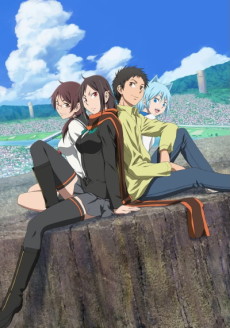
Strategy, precision, and the weight of every decision on the battlefield.

Strategy, precision, and the weight of every decision on the battlefield.
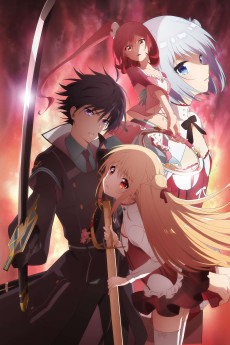
Strategy, precision, and the weight of every decision on the battlefield.

Strategy, precision, and the weight of every decision on the battlefield.
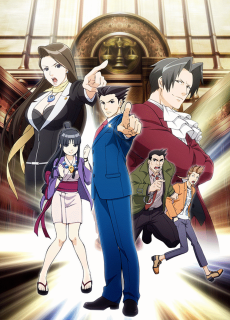

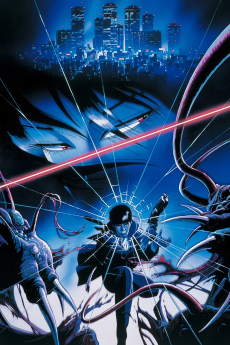
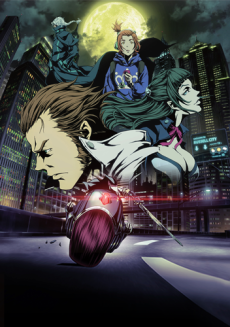
Match Dimensions Explained
❓Frequently Asked Questions
Why does Mob Psycho 100 II show up in anime like ARMA: Combat Operations results?
Because Mob Psycho 100 II’s 'Tactical Warfare' dimension hits hard — especially in Season 2’s climax where Mob and Reigen coordinate precise, high-stakes psychic countermeasures against Dimple’s cult, mirroring ARMA’s squad-level planning and real-time adaptation. The Body Horror & Occult layer (like Mob’s uncontrolled psychic bursts warping flesh and architecture) adds that same visceral, grounded-yet-unsettling tension you get when an ARMA mission goes sideways due to environmental chaos or friendly fire.
Is there an anime adaptation of ARMA: Combat Operations?
No — ARMA: Combat Operations has never been adapted into an anime. It’s a PC tactical shooter sequel to Operation Flashpoint, built around realism, moddability, and large-scale battlefield simulation — not narrative IP. That said, Tokyo Ghoul √A channels its vibe: think the CCG’s methodical raid on the 20th Ward HQ, with radio chatter, cover-based flanking, and escalating casualty awareness — all without flashy superpowers, just grim, weighty consequences.
How does Tokyo Ghoul √A compare to Mob Psycho 100 II for ARMA-style military tension?
Tokyo Ghoul √A leans harder into ARMA’s ‘Tactical Warfare’ DNA — especially in episodes like ‘The 20th Ward Raid’, where investigators move in tight formations, call out positions, suppress fire, and adapt mid-engagement like an ARMA fireteam under pressure. Mob Psycho 100 II is more about chaotic psychic escalation (e.g., Mob’s final clash with Toichiro), while √A mirrors ARMA’s slower-burn realism: limited ammo, visible fatigue, and command hierarchy breaking down under stress.
What’s the best anime like ARMA: Combat Operations if I want that gritty, low-fantasy, squad-level tension?
Tokyo Ghoul √A is your strongest match — it nails the ‘Adult & Dark Seinen’ + ‘Tactical Warfare’ combo with zero hand-holding: watch Kureo Mado issue crisp orders during the Anteiku raid, then get overwhelmed by terrain, intel gaps, and collateral damage — exactly like an ARMA mission where your UAV feed cuts out and the enemy repositions behind rubble. It’s not about power-ups; it’s about positioning, communication, and consequence — just like ARMA’s ‘low-end version’ feel described in player reviews.