
Record of Lodoss War
Created from the aftermath of the last great battle of the gods, Lodoss and its kingdoms have been plagued by war for thousands of years. As a quiet peace and unity finally become foreseeable over the land, an unknown evil begins to stir. An ancient witch has awakened, bent on preserving the island of Lodoss by creating political unbalance throughout the many kingdoms and keeping any one from maintaining central control. Only a mixed-race party of six young champions, led by the young warrior Parn, stand between this new threat and Lodoss' descent back into the darkness of war and destruction.
(Source: Anime News Network)
📺Anime Details
📝Editorial Analysis
The torchlight flickers low over the rain-slicked cobblestones of Flaim, casting long, trembling shadows as Parn grips his sword—not in triumph, but in quiet dread. His knuckles are white. The air smells of wet wool, old iron, and something older: damp earth stirred by buried magic. No grand battle rages here—just six young people huddled under a leaking awning, listening to distant war-drums thud like a failing heart. That moment isn’t about power or prophecy. It’s about weight: the weight of lineage, of half-remembered gods, of a peace so fragile it feels like holding breath underwater.
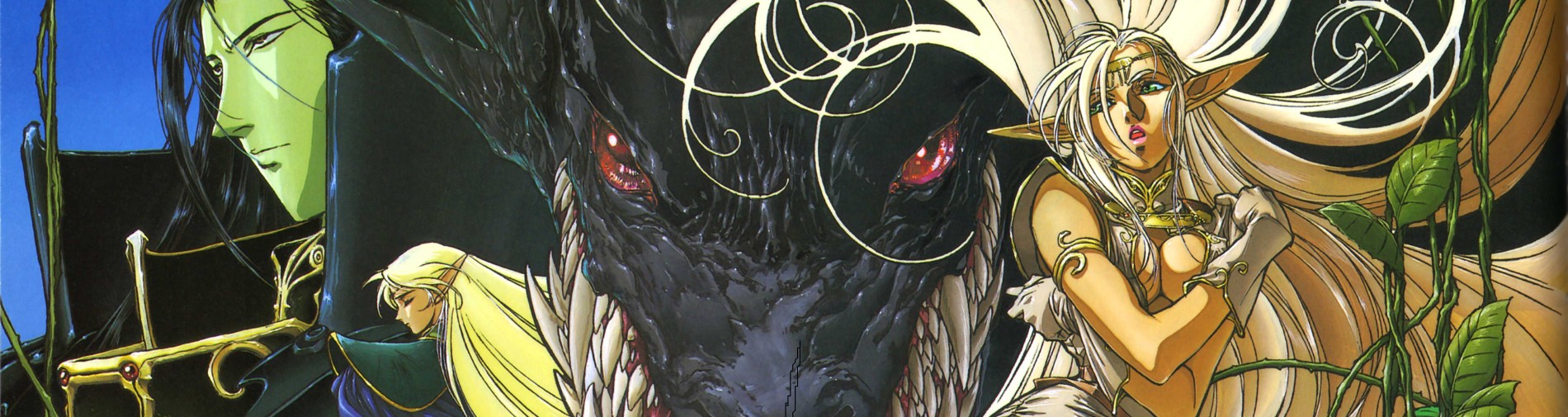
Record of Lodoss War doesn’t trade in spectacle for its own sake. Its fantasy isn’t glittering—it’s grained. You feel the grit of sand in your boots after crossing the desert wastes near Marmo, the ache in your shoulders from carrying a wounded elf through mist-choked woods, the way a witch’s curse doesn’t explode—but settles, like frost on a windowpane, changing how light falls across a face. This is medieval world-building with emotional gravity: every kingdom bears scars from divine wars no one alive witnessed, yet everyone inherits. Magic isn’t flashy incantation—it’s whispered lore, brittle scrolls, a dragon’s sigh that cracks stone. The ensemble cast doesn’t bond over quips; they learn each other’s silences—the dwarf’s clenched jaw before speaking truth, the priestess’s hesitation before invoking a god she’s never seen answer. It makes you think about legacy not as inheritance, but as echo—how history doesn’t end; it just changes key.
That same resonance hums in Hades, where every escape attempt from the Underworld carries the quiet exhaustion of trying—and failing—to outrun inherited fate. The description calls it a “rogue-like dungeon crawler,” yes—but what lands is the emotional rhythm: the repeated descent, the slow accrual of understanding, the way Zagreus’s relationships deepen not through cutscenes, but through fragmented, weathered dialogue between battles. One player admits they “struggled to write a review” because the experience resisted easy summary—just like Parn’s quiet walk home after a victory that feels more like survival. Both works treat myth not as backdrop, but as atmosphere: heavy, breathable, full of voices that won’t quite stop speaking.
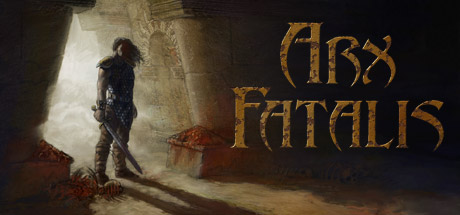
Then there’s Arx Fatalis, whose description names it “a post-apocalyptic fantasy world… brought to the brink of destruction.” That phrase—brought to the brink—mirrors Lodoss’s core tension: not chaos erupting, but order unraveling. Its player review praises “exploration [that] is truly e…”—the sentence cuts off, as if even describing the feeling breaks the spell. Like Lodoss, Arx doesn’t offer clean answers. Its magic system is tactile, flawed, almost biological; its dungeons aren’t puzzles to solve, but spaces to endure. You don’t conquer them—you negotiate with their decay. That’s the same ache Lodoss gives you when watching an elf trace a crumbling mural of a dead god: reverence mixed with exhaustion, wonder edged with grief.
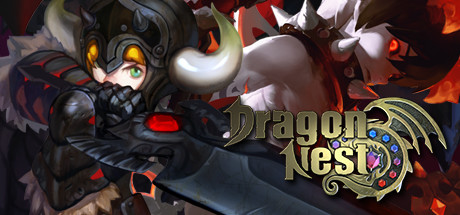
And Dragon Nest, though hampered by login failures in its player review (“white screen you cant click on lmfao…”), still pulses with the same action spectacle dimension—blazingly fast combat fused with “epic story and role-playing elements.” Not spectacle as distraction, but as ritual: the way a well-timed dodge or parry becomes prayer, a physical echo of the characters’ moral choices. In Lodoss, a sword swing matters because it’s tied to who swung it—Parn’s honor, Ghim’s loyalty, Deedlit’s sorrow. Dragon Nest’s combat, per its description, mirrors that: speed and impact serving character, not just score.
This pairing isn’t for fans of “fantasy” as costume. It’s for the ones who pause mid-battle to watch dust motes hang in a sunbeam through a shattered cathedral window—who feel wonder most deeply when it’s laced with weariness, who find courage not in invincibility, but in showing up, again and again, with a dull blade and a full heart. They’re the readers who underline passages about silence in old libraries, the players who replay boss fights just to hear one more line of weary, loving banter between comrades. They don’t want to win the world. They want to hold it, carefully, knowing how easily it might slip through their fingers.
🎮143 Games That Match the Vibe





























































Match Dimensions Explained
❓Frequently Asked Questions
Why does Hades keep coming up in Record of Lodoss War recommendations?
Because both lean hard into mythic storytelling with charismatic, lore-dense characters—like Zagreus bantering with Nyx or Lodoss’s Parn clashing with the dark priest Ashram—and share that same kinetic, action-spectacle combat where every dodge and combo feels weighty. Plus, Hades’ roguelike structure mirrors Lodoss’s episodic, quest-driven pacing, especially in how it layers worldbuilding through repeated runs (think: Kalliope’s tavern tales vs. Slayn’s journal entries).
Is there a Record of Lodoss War game adaptation I can actually play right now?
No official RoLW game exists—but Arx Fatalis is the closest *spiritual* adaptation you’ll find: its grim, post-apocalyptic fantasy world (ruined cities, cults worshipping ancient horrors) echoes Lodoss’s tone, and characters like the mute protagonist navigating political intrigue among warring factions feel straight out of a RoLW novel arc. Even the body horror elements—like mutated cultists crawling from fissures—nod to the darker, more visceral moments in the 'Chronicles of the Heroic Knight' manga.
How does Dragon Nest compare to Loki for someone who loves Lodoss’s fast-paced swordplay and mythic vibes?
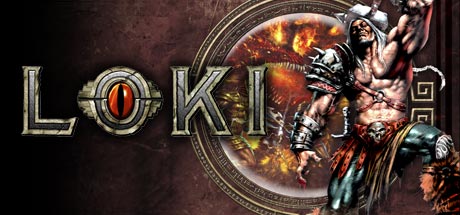
Dragon Nest nails the blistering, combo-heavy melee combat Lodoss fans crave—imagine Parn’s whirlwind slash translated into flashy, screen-filling skill chains against dragons mid-air—while Loki leans more on shallow Diablo-lite mechanics and crashes mid-battle (per that 5/10 review). And unlike Loki’s scattered mythologies, Dragon Nest commits to a cohesive high-fantasy world with guild politics and faction wars that actually *feel* like Lodoss’s Kingdom of Valis unfolding in real time.
What’s the best game like Record of Lodoss War if I want that brooding, candlelit dungeon crawl vibe with serious occult stakes?
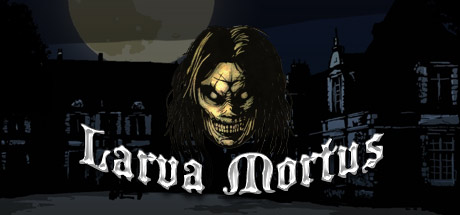
Larva Mortus is your pick—it’s got that oppressive, gothic atmosphere where every corridor drips with dread, and you’re literally exorcising larval abominations that burst from walls (hello, Body Horror & Occult dimension). Its top-down, roguelike structure means no two hunts feel alike, just like exploring the Catacombs of Marmo or the Tower of the Dark God in Lodoss—tense, tactical, and thick with the sense that something ancient is watching from the shadows.