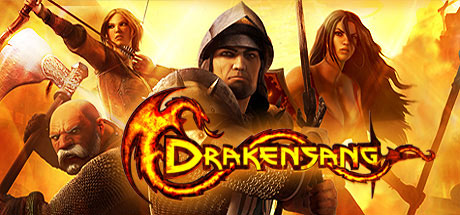
Drakensang
Drakensang is a third-person party-based RPG based on the pen & paper role-play rules of The Dark Eye. Drakensang is the first PC game for over 10 years to be based on Germany's most successful and popular role-play system. Drakensang builds on the pen & paper rules as applied in version 4.0.
🎮Game Details
💬What Players Say
"Played it on release back then and have good memories about it. IMO it's a pity that there ain't more DSA games like this."
📝Editorial Analysis
The first time your party stumbles into that rain-slicked, timber-framed village square—where the tavern sign creaks under a bruised sky and the local apothecary’s chalkboard lists dragonroot tincture and goblin bile antidote—you don’t feel like a hero. You feel small. Grounded. Like you’ve stepped into a living rulebook: every NPC has a guild affiliation, every wound carries bleeding or infection rules, every spell is parsed through mana thresholds and casting time—not flash, but consequence. That’s Drakensang: not spectacle-first, but system-as-soul. The official description nails it—it’s built on The Dark Eye’s v4.0 pen & paper bones, Germany’s most enduring RPG system—and the player review echoes the quiet ache of its rarity: “a pity that there ain’t more DSA games like this.” Not flashy. Not trend-chasing. Just there, thick with lore-weight and procedural sincerity.
What makes it breathe isn’t high fantasy grandeur—it’s texture. The feeling of turning a page in a leather-bound bestiary and recognizing the goblin’s stat block because you just rolled to resist its fear aura twice in the last dungeon. It’s the weight of inventory management when your dwarf insists on carrying three extra hammers “just in case,” and the quiet pride when your scholar finally deciphers the runic ward—not with a cutscene, but with a successful Intelligence check and a whispered translation. There’s no hand-holding awe. Instead, there’s gravitas: the sense that magic is rare, dangerous, and bound by arithmetic; that honor codes aren’t plot devices but mechanical constraints; that darkness isn’t stylized—it’s logistical. You don’t defeat evil with a beam of light. You negotiate treaties with werewolf clans after verifying their bloodline purity via ritual scroll, then roll to avoid silver poisoning from the ceremonial dagger you were gifted. It’s patient, dense, earned.
That same DNA hums in The Seven Deadly Sins the Movie: Prisoners of the Sky—not in its aerial battles, but in how the Sky Clan’s ancient laws govern everything: inheritance rites, exile protocols, even the way grief is ritualized in silence before combat. The JRPG Narrative dimension isn’t about turn-based menus—it’s about narrative structures where rules shape emotion, where a character’s power is inseparable from their covenant. Likewise, Garo: The Animation doesn’t just use dark fantasy aesthetics—it weaponizes them structurally: the Madōgu’s activation requires precise incantation and moral alignment checks; a hero’s transformation fails if their resolve wavers mid-ritual—mirroring Drakensang’s insistence that willpower is quantifiable, not cinematic. And Ranking of Kings? Its entire emotional engine runs on systemic vulnerability: Bojji’s speechlessness isn’t a quirk—it’s a mechanical limitation that reshapes every conversation, every battle plan, every moment of trust. Like Drakensang, it treats disability, class, and lineage not as flavor, but as narrative gravity—pulling story downward into consequence, not upward into spectacle.
This isn’t for the viewer who wants lightning-fast escalation or the player who skips dialogue for loot. It’s for the one who replays a tavern scene twice to catch how the barkeep’s guild insignia changes depending on whether you passed the merchant’s reputation check. It’s for the person who keeps a notebook not for spoilers—but for tracking which NPCs share surnames, suspecting dynastic ties long before the quest log confirms it. It’s for fans of quiet intensity, of moral arithmetic, of stories where the most devastating moment isn’t a villain’s monologue—but the soft thud of a failed diplomacy roll that dooms an entire valley to winter famine. They’re the ones who’ll pause mid-battle in Black Clover, not to admire the magic effects, but to count how many mana crystals the protagonist should have left—then exhale, relieved, when the math holds. They love the weight—the way a single die roll in Drakensang, a single vow in Garo, a single signed treaty in Ranking of Kings, makes the world feel real, not rendered. Not perfect. Not easy. But true.
→69 Anime That Match the Vibe
Found family dynamics, turn-based drama, and the weight of saving the world on young shoulders.
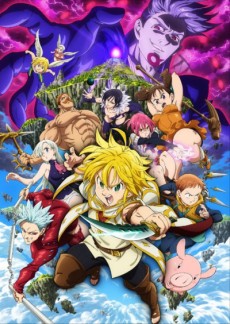
Sky Palace’s floating ruins—where gravity bends and ancient sky-fish lore bleeds into divine punishment—echo Drakensang’s Aventuria: a world where magic is codified yet perilous, and every dungeon crawl risks cosmic consequence. ✨ JRPG Narrative binds them: Meliodas’s fractured heroism mirrors Gorion’s flawed party leadership, both navigating moral labyrinths where choices ripple across realms. Unlike typical dark fantasy, their shared weight comes from systems—TDE rules in Drakensang, the Sky Palace’s celestial laws—making fate feel earned, not arbitrary.
Found family dynamics, turn-based drama, and the weight of saving the world on young shoulders.
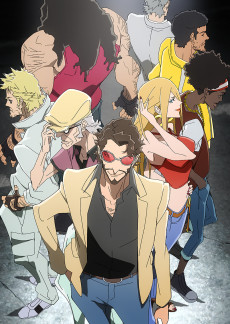
Found family dynamics, turn-based drama, and the weight of saving the world on young shoulders.
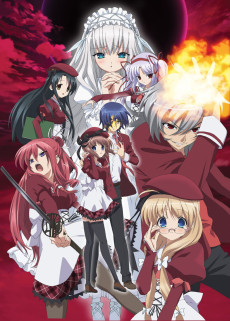
Found family dynamics, turn-based drama, and the weight of saving the world on young shoulders.
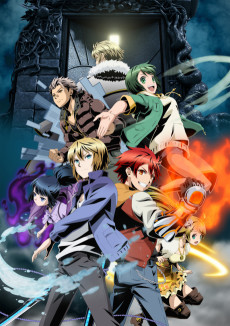
Found family dynamics, turn-based drama, and the weight of saving the world on young shoulders.
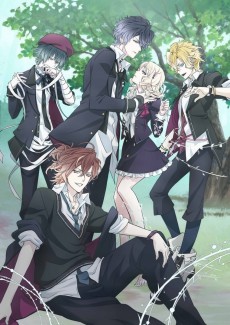
Found family dynamics, turn-based drama, and the weight of saving the world on young shoulders.
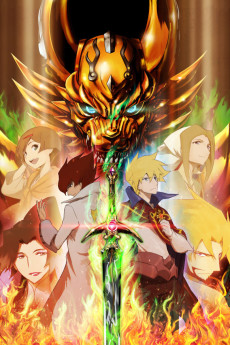
Garo’s opening witch hunt—where Makai Priests are branded heretics by the very crown they serve—mirrors Drakensang’s morally gray quests in Aventuria, where noble decrees often mask corruption. Unlike most JRPG narratives, both commit to dark fantasy not through gore alone, but through institutional betrayal: Leomar’s quiet despair as his order is hunted echoes the player’s party confronting a “just” magistrate who sanctions torture. This shared tension between duty and disillusion makes their resonance feel urgent, not nostalgic.
Found family dynamics, turn-based drama, and the weight of saving the world on young shoulders.
Found family dynamics, turn-based drama, and the weight of saving the world on young shoulders.






![Fate/stay night [Heaven’s Feel] III. spring song](https://s4.anilist.co/file/anilistcdn/media/anime/cover/large/bx21719-MSdTlkno0Z0u.jpg)








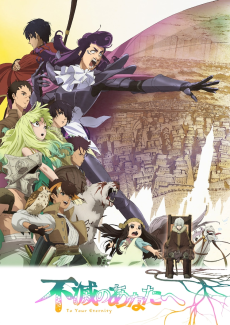
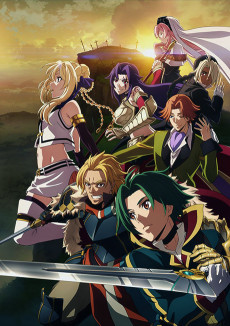
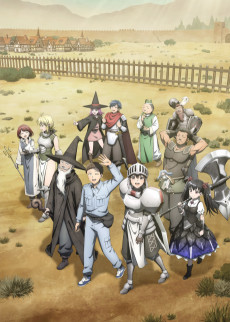






Match Dimensions Explained
❓Frequently Asked Questions
Why is Garo: The Animation considered similar to Drakensang?
Garo nails that same gritty, mythic Dark Fantasy vibe as Drakensang—think the cursed armor and shadowy Beasts in Garo’s ‘Crimson Moon’ arc mirroring how Drakensang’s party battles corrupted mages and ancient undead using The Dark Eye’s detailed combat rules. Both lean hard into morally grey heroes, like Kouga’s lone-wolf grit matching Drakensang’s player-built warrior who might choose mercy or steel depending on their alignment roll.
Is there an anime adaptation of Drakensang?
Nope—Drakensang has never been adapted into an anime. It’s stayed true to its roots as a PC RPG based on Germany’s The Dark Eye pen & paper system (v4.0), which explains why fans keep hunting for anime with that same grounded-yet-mystical JRPG Narrative feel—like Ranking of Kings, where Bojji’s silent determination and the kingdom’s layered lore echo Drakensang’s party-driven storytelling and tactical world-building.
How does The Slayers compare to Drakensang in tone and magic systems?
Don’t let the slapstick fool you—The Slayers’ magic is *deeply* system-driven, just like Drakensang’s: Lina’s incantations follow strict verbal/elemental rules (Fireball → Dragon Slave), mirroring how Drakensang’s spellcasters must manage Astra points and attribute checks per The Dark Eye v4.0. Both balance high-stakes dark fantasy (e.g., the Chaos Beast arc in Slayers vs. Drakensang’s Shadow Realm dungeon) with sharp, character-led wit—especially when Gourry’s sword-swinging chaos clashes with Lina’s precision, much like a Drakensang tank-and-mage duo bickering mid-battle.
What’s the best anime like Drakensang if I want slow-burn worldbuilding and party banter?
Ranking of Kings is your perfect match—Bojji’s journey from silent prince to leader mirrors Drakensang’s party growth, especially how Kage’s quiet loyalty and Daida’s gruff mentorship echo the bonds you forge between your warrior, mage, and rogue across Drakensang’s sprawling Aventuria map. Every political negotiation in the Ring Kingdom feels like a dialogue tree from Drakensang’s tavern quests, and the way the show reveals lore through subtle flashbacks? That’s pure The Dark Eye v4.0 worldbuilding energy.