
Black Clover
In a world where magic is everything, Asta and Yuno are both found abandoned at a church on the same day. While Yuno is gifted with exceptional magical powers, Asta is the only one in this world without any. At the age of fifteen, both receive grimoires, magic books that amplify their holder’s magic. Asta’s is a rare Grimoire of Anti-Magic that negates and repels his opponent’s spells. Being opposite but good rivals, Yuno and Asta are ready for the hardest of challenges to achieve their common dream: to be the Wizard King. Giving up is never an option!
(Source: Crunchyroll)
📺Anime Details
📝Editorial Analysis
The first time Asta’s black grimoire screams—a raw, guttural vibration tearing from the pages as he’s pinned beneath a noble’s spell—the air doesn’t just crackle. It shatters. Not with elegance or control, but with something jagged and desperate: a boy who’s spent fifteen years being told his existence is a mistake, finally roaring back—not with magic, but with refusal. That sound isn’t power unlocking. It’s identity *forged in the gap between what the world demands and what he refuses to become.
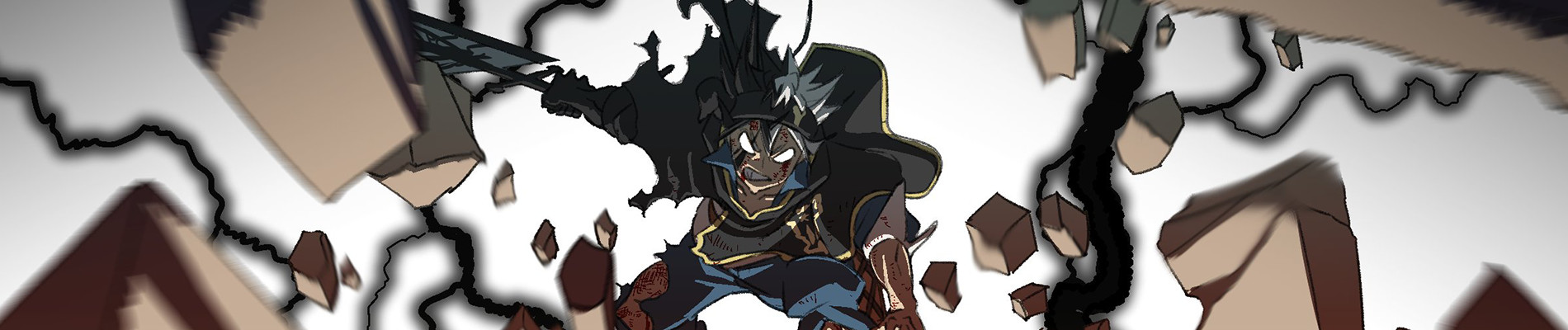
That’s the heart of Black Clover: not just shōnen escalation, but relentless emotional velocity. It makes you feel seen in your scrappiness, charged by your stubbornness, hollowed out by loss—and then, instantly, stitched back together by the weight of someone else’s hand on your shoulder. This isn’t quiet introspection or grim fatalism. It’s the sweat-slick grip of a training partner’s palm, the shared silence after a funeral where no one speaks because the grief is too loud, the way laughter bursts right after a near-death fall—not to dismiss pain, but to defy its permanence. It’s found family as kinetic force: every alliance, every rivalry, every oath sworn over burnt rice and lukewarm tea lands with physical heft. You don’t just watch Asta climb—you feel the calluses splitting on your own palms.
Which is why The Witcher 3: Wild Hunt resonates so deeply—not because of elves or demons, but because of how it holds consequence. Geralt tracks Ciri across a war-torn, monster-infested continent, yes—but the player review notes it’s the emotional narrative that lingers, the DLC arriving 11 years later like a promise kept. That’s Black Clover’s rhythm: long arcs where loyalty isn’t declared, it’s tested in mud, blood, and bad jokes; where “revenge” curdles into something heavier, more tender—like Asta standing guard over a sleeping Yuno not as a rival, but as a brother who remembers the church steps they both crawled up. The game’s weight isn’t in its scale, but in its refusal to let stakes stay abstract. Neither does the anime.
Then there’s Dragon Age: Origins, where the player review highlights the pause attack mechanic—a tactical breath before chaos—that “help[s] a lot to strategist your tactic.” That’s pure Black Clover pacing: the split-second stillness before Asta lunges—not because he’s calculating angles, but because he’s remembering how Noelle’s voice cracked when she first summoned water, how Mimosa’s hands shook holding her first healing herb, how Finral’s grin never wavers even as his ribs grind under impact. The ensemble cast isn’t window dressing; it’s the architecture of resilience. Every party member in Dragon Age carries legacy, trauma, and quiet devotion—and the pause button lets you feel that weight before the next swing. So does Black Clover, in every frame where a squad shares a single ration bar, or where a silent nod passes between mages who’ve fought side-by-side for ten episodes without once saying “I trust you.”
Even The Witcher: Enhanced Edition Director's Cut, praised for making players “realize why team Yenn and not team Tress is a thing,” taps that same emotional gravity. It’s not about shipping—it’s about who stays. Who shows up, again and again, with flawed love, inconvenient truths, and unshakeable presence. That’s Asta dragging himself across rubble to shield Luck, or Secre choosing to stand beside the Black Bulls instead of above them—not for glory, but because belonging hurts less than isolation. The review calls it an “amazing gem”—and gems aren’t polished by perfection. They’re formed under pressure, with fractures that catch the light.
This pairing isn’t for fans of “power fantasy” alone. It’s for the person who’s ever been the last picked, the only one without the gift, the one who learned love through shared exhaustion—not grand declarations. It’s for the player who pauses mid-battle not to optimize damage, but to watch their companions’ idle animations: the way Morrigan rolls her eyes, how Geralt adjusts his sword belt when he thinks no one’s looking, how Asta’s grin widens just as Yuno’s hair flicks gold in the sun. It’s for anyone who believes strength isn’t the absence of breaking—it’s the sound of the pieces clicking back together, louder, sharper, together.
🎮43 Games That Match the Vibe



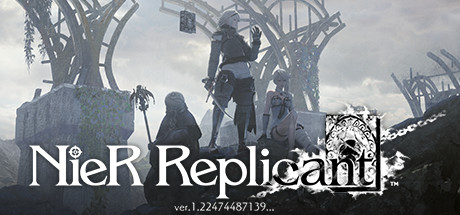
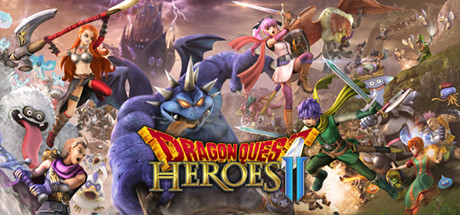
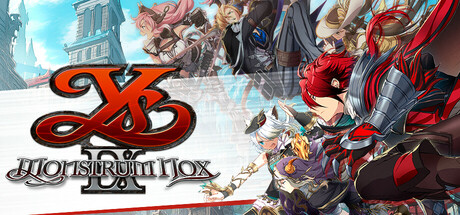

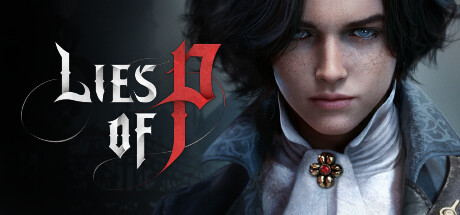





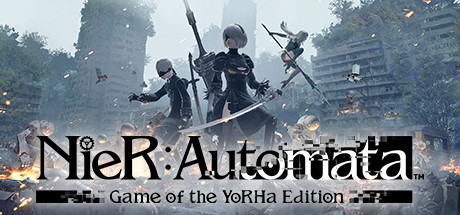
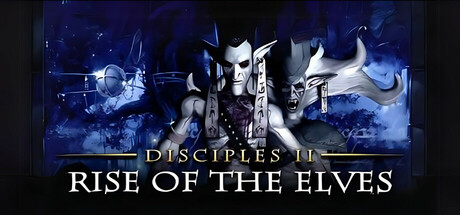
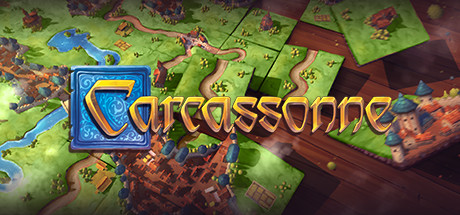
Match Dimensions Explained
❓Frequently Asked Questions
Why does The Witcher 3 keep coming up when I search for games like Black Clover?
Because both lean hard into Dark Fantasy with morally grey magic systems and emotionally charged character arcs—like Geralt’s desperate, tender hunt for Ciri mirroring Asta’s relentless drive to master anti-magic despite being born without it. The Witcher 3’s political intrigue in Skellige or Novigrad also echoes Black Clover’s kingdom rivalries and magic council power struggles.
Is there a Black Clover mobile game or official anime adaptation game?
No official Black Clover mobile or console game exists—but fans craving that same high-stakes magical combat and squad-based progression often pivot to Dragon Age: Origins. Its pause-and-attack system lets you command your party like Asta rallying the Black Bulls, and choices (like siding with the Dalish elves or dwarven nobles) deliver the same weighty, consequence-driven storytelling as Black Clover’s major arc decisions.
How does Assassin's Creed: Director's Cut Edition compare to The Witcher 2 for Black Clover fans?
Assassin’s Creed leans into Political Thriller vibes—think stealthy, parkour-fueled tension in Jerusalem’s crowded markets—while The Witcher 2 doubles down on Dark Fantasy grit, like Geralt’s brutal, choice-heavy trial in Flotsam or the morally devastating massacre at Loc Muinne. If you love Black Clover’s blend of flashy magic duels *and* heavy political scheming, Witcher 2 nails the latter far more precisely, though AC’s fast-paced action scratches the ‘cool powers + secret societies’ itch.
What’s the best game like Black Clover if I want emotional hype and found-family vibes?
Dragon Age: Origins is your top pick—especially if you play as the elven Warden or dwarf noble, building loyalty with Alistair, Morrigan, or Leliana through heartfelt campfire talks and life-or-death sacrifices. That slow-burn bond with your party mirrors how Asta wins over Yami, Noelle, and even rivals like Secre—plus its JRPG Narrative depth means every companion has layered motivations, just like the Black Bulls’ messy, loving chaos.