Disciples III: Reincarnation
"Disciples III: Reincarnation" offers a revamped and enhanced version of "Disciples III: Renaissance" plus the addon "Resurrection" with all new features, a revised battle engine and all new graphics.
🎮Game Details
💬What Players Say
"DO NOT BUY. Games will not save on systems with Windows 10 or 11. The file path it looks for no longer exists due to documents being reoriented to One Drive."
📝Editorial Analysis
The frustration of clicking “Save Game” and watching the cursor spin—then nothing. No confirmation, no file appearing in your Documents folder, just silence where memory should live. That hollow click echoes louder than any battle cry in Disciples III: Reincarnation, because the game’s most visceral moment isn’t a dragon’s roar or a necromancer’s incantation—it’s the quiet, grinding dissonance between intention and execution: you want to preserve your campaign, your choices, your slow-burn conquest across a war-scarred continent—and the system refuses to let you. The official description promises “a revamped and enhanced version” with “all new graphics” and a “revised battle engine,” but what lingers is the player review’s raw, unvarnished truth: “DO NOT BUY. Games will not save on systems with Windows 10 or 11.” That broken promise—not of lore, but of continuity—is the emotional bedrock. It’s the feeling of standing before a grand, weathered cathedral gate, hand outstretched, only to find the latch rusted shut.
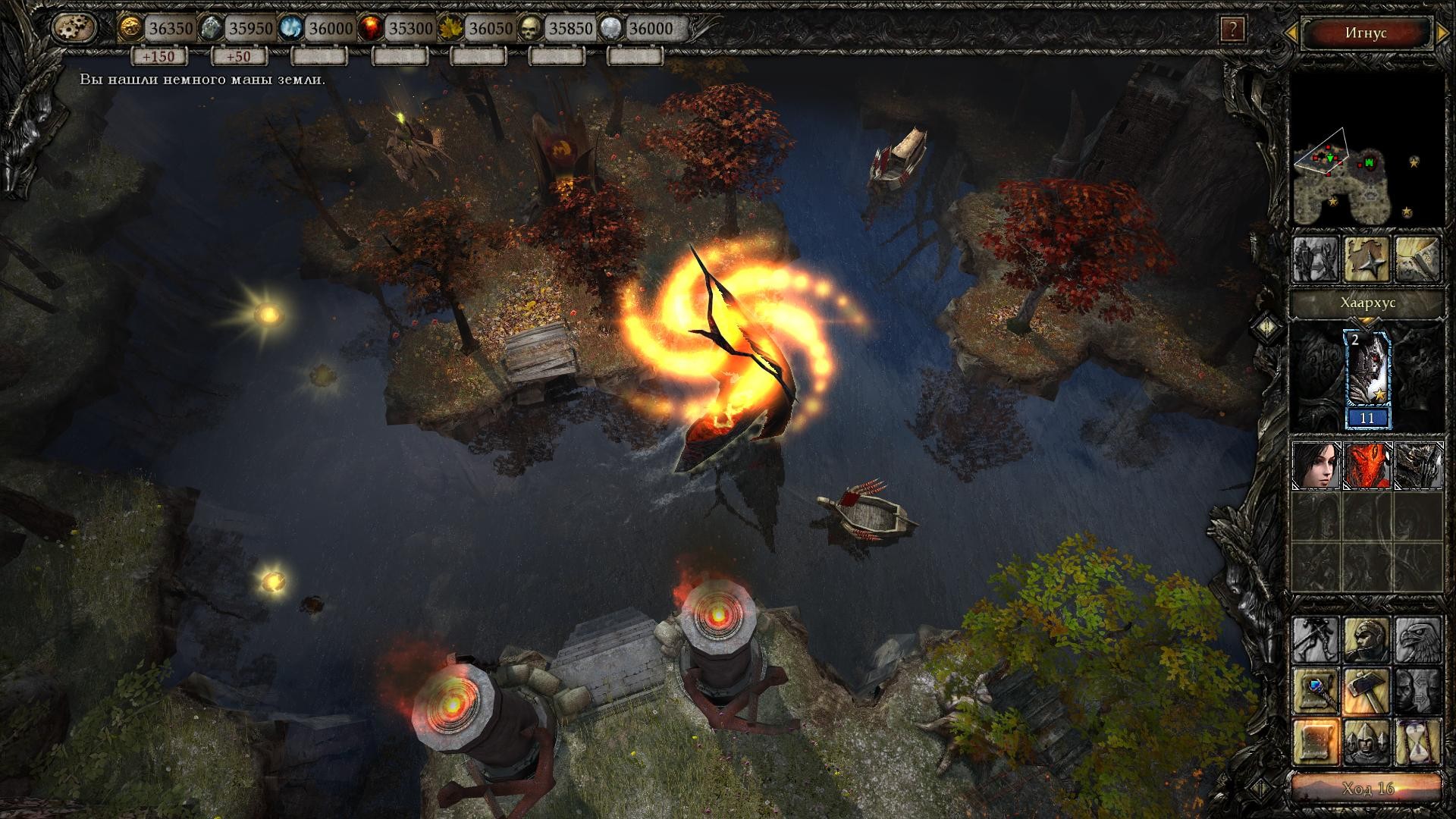
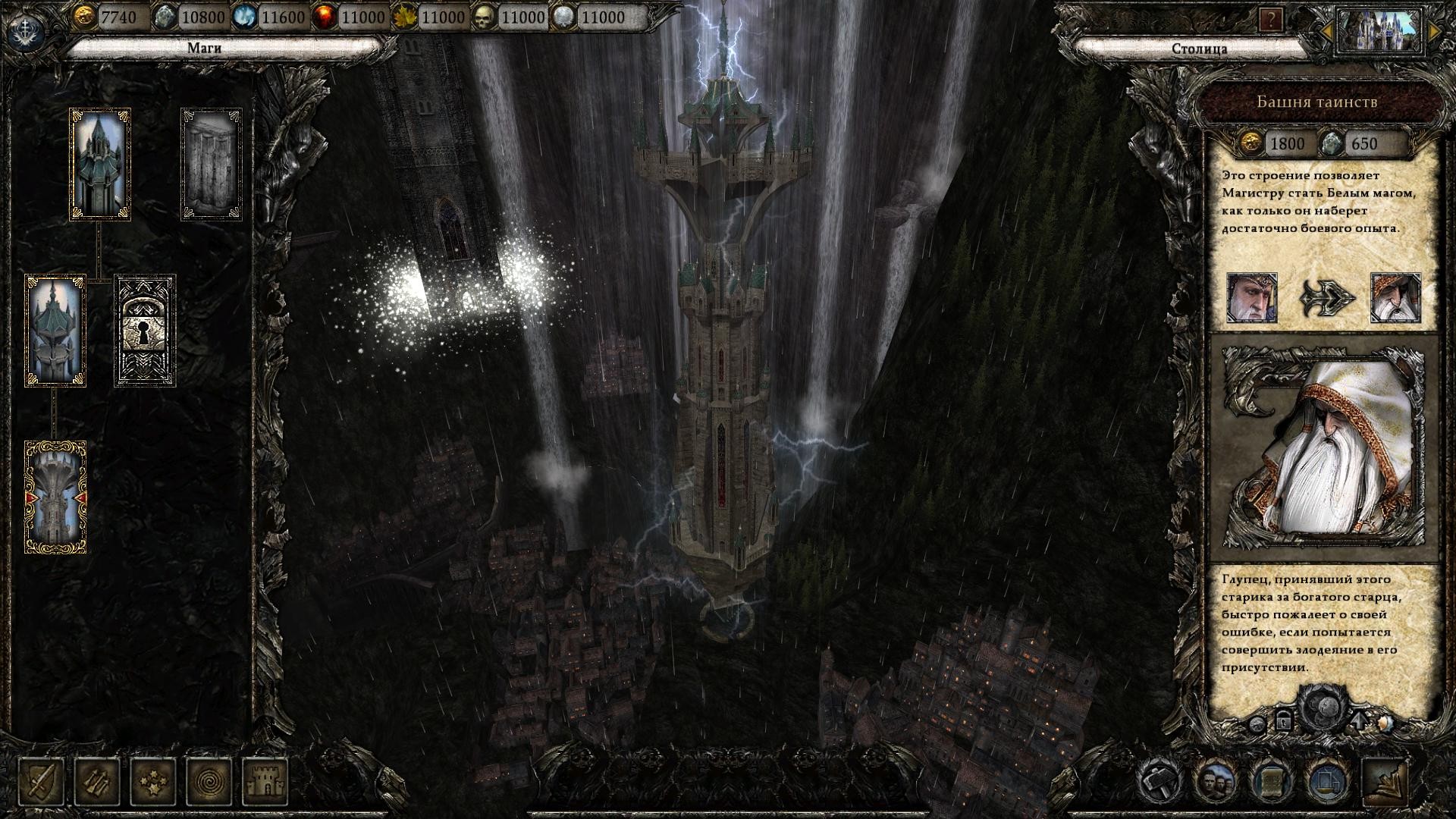
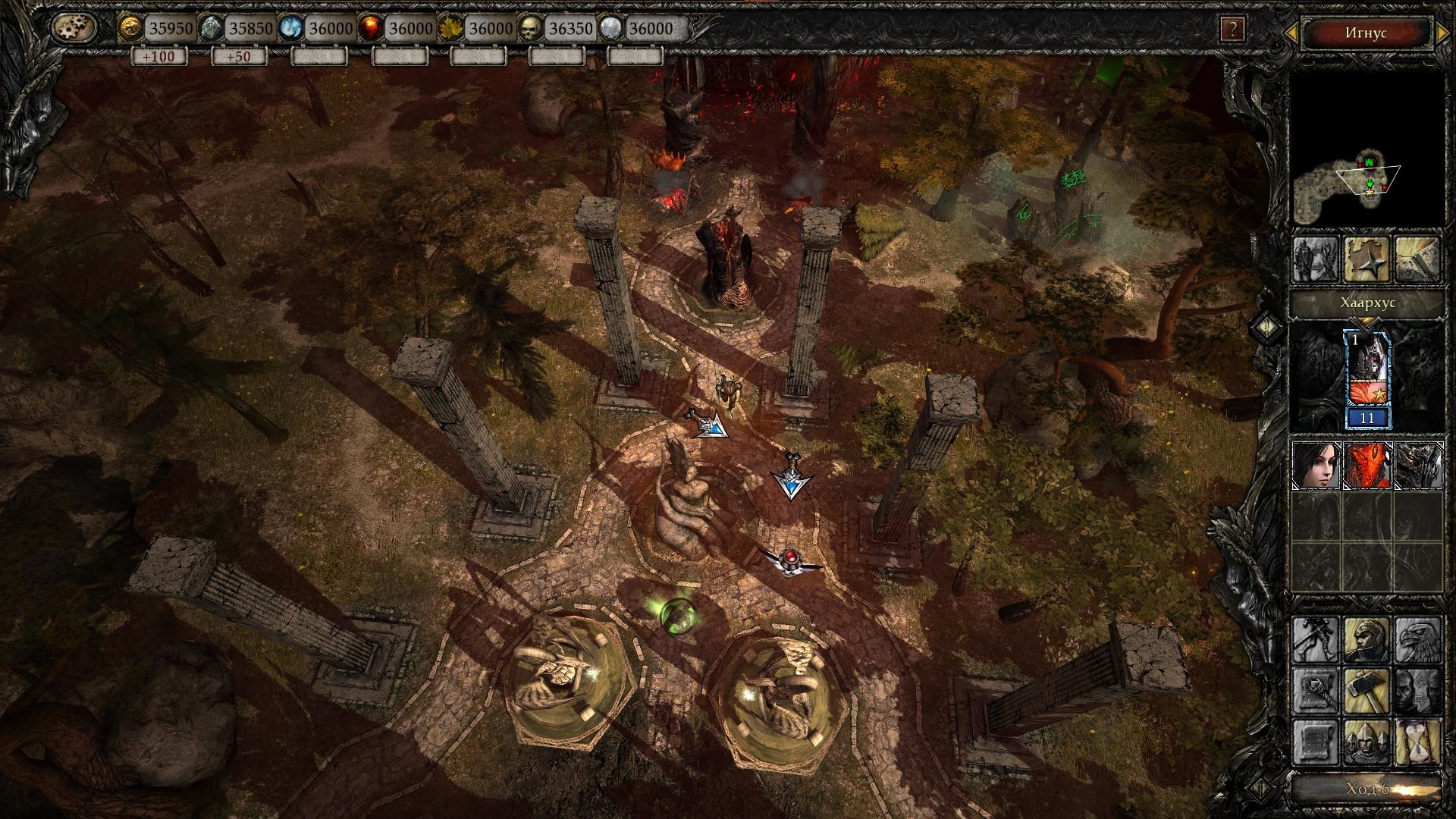
This isn’t about polish or power fantasy. It’s about weight. The weight of legacy—of a series that carries decades of turn-based strategy DNA, now straining under modern OS shifts. It’s the weight of interruption: a world built for deep, deliberate pacing, yet constantly undermined by technical fragility. You feel the gravity of consequence—not from a boss’s death blow, but from knowing your next move might vanish forever. There’s a melancholy reverence here, like tracing faded ink on an old map: the ambition is epic, the execution fractured, and the resulting atmosphere is thick with longing—for stability, for coherence, for the quiet satisfaction of a saved game slot glowing softly in the dark.
That same longing hums through The Seven Deadly Sins the Movie: Prisoners of the Sky. Its sky-island ruins aren’t just set dressing—they’re monuments to fallen empires and broken covenants, echoing the game’s own sense of inherited struggle. Both treat narrative as layered sediment: past wars bleed into present skirmishes, and every character’s loyalty feels hard-won, not granted. The JRPG Narrative dimension isn’t about menu screens—it’s about consequence as texture, where even a minor ally’s backstory reshapes how you read a battlefield. Likewise, Garo: The Animation shares that dark fantasy resonance—not in gore, but in moral erosion. Its armored warriors don’t just clash; they carry curses in their gauntlets, mirroring how Disciples III: Reincarnation’s factions (the undead legions, the zealous human crusaders, the ancient elven remnants) aren’t archetypes but wounded ideologies, each convinced their suffering justifies dominion. And Ranking of Kings, with its deceptively soft lines and devastating emotional restraint, nails the same core tension: a world where power is measured in scars, not stats, and where vulnerability isn’t weakness—it’s the only thing that makes victory matter. Its protagonist’s quiet determination mirrors the player’s stubborn refusal to quit, even when the save function fails.
Who lives for this? Not the casual browser seeking seamless spectacle. It’s the person who keeps a notebook beside their keyboard—not for攻略, but to transcribe dialogue they loved, or sketch faction sigils from memory. It’s the viewer who watches Record of Lodoss War and doesn’t just see elves and dragons, but feels the ache of a generation rebuilding after cataclysm—because they’ve spent hours manually backing up .sav files to Dropbox, just to hold onto a single, fragile thread of story. They love the grit beneath the grandeur, the way beauty persists despite the cracks—not because it’s perfect, but because it endures. They don’t need flawless code. They need truth: that some worlds are worth fighting for, even when the system won’t remember your name.
→36 Anime That Match the Vibe
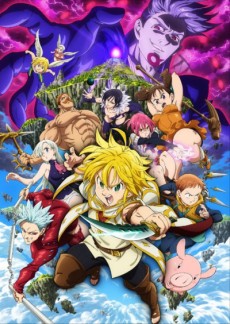
Sky Palace’s floating ruins—where Meliodas battles sky-dwelling warriors amid crumbling celestial architecture—echo Disciples III: Reincarnation’s layered battlefields, where tactical skirmishes unfold across gothic citadels and mist-shrouded necropolises. This shared dark fantasy aesthetic isn’t just visual: both commit to morally weighty stakes, with Hawk’s earnest loyalty mirroring the game’s faction-driven loyalties amid resurrection magic and fallen divinities. Unlike lighter isekai, their JRPG narrative DNA insists that power demands sacrifice—and every victory scars the world.
Dark worlds where beauty and brutality coexist — every victory comes at a cost.
Dark worlds where beauty and brutality coexist — every victory comes at a cost.
Dark worlds where beauty and brutality coexist — every victory comes at a cost.

Dark worlds where beauty and brutality coexist — every victory comes at a cost.
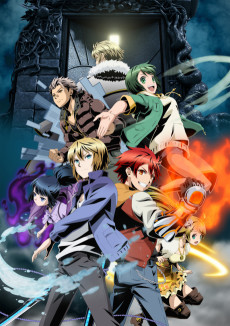
Dark worlds where beauty and brutality coexist — every victory comes at a cost.

Dark worlds where beauty and brutality coexist — every victory comes at a cost.
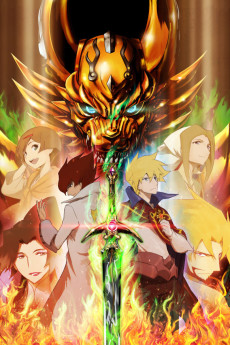
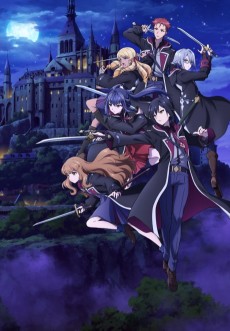
Garo’s opening witch hunt—where Makai Priests are branded heretics—mirrors Disciples III’s grim moral calculus: every faction’s “righteous” crusade bleeds into tyranny. Unlike most dark fantasy, both anchor their JRPG narrative in tragic institutional collapse, not lone heroes. That shared tension—between duty and dogma, light and sanctioned violence—makes their resonance startlingly precise, not just atmospheric.

Dark worlds where beauty and brutality coexist — every victory comes at a cost.

Dark worlds where beauty and brutality coexist — every victory comes at a cost.











![Fate/stay night [Heaven’s Feel] III. spring song](https://s4.anilist.co/file/anilistcdn/media/anime/cover/large/bx21719-MSdTlkno0Z0u.jpg)


Match Dimensions Explained
❓Frequently Asked Questions
Why is Ranking of Kings recommended for Disciples III: Reincarnation fans?
Because both lean hard into tragic royal succession drama with tactical consequences—like Bojji’s silent but precise combat mirroring the game’s turn-based precision, and the way the kingdom’s crumbling politics echo Disciples III’s faction wars. You’ll recognize that same weighty JRPG narrative rhythm in episodes where Kage’s loyalty tests mirror the game’s moral alignment choices during diplomacy scenes.
Is there an anime adaptation of Disciples III: Reincarnation?
No—there’s no official anime adaptation, and none of the top matches (like Garo: The Animation or Record of Lodoss War) are based on the game. They’re standalone anime that happen to share its dark fantasy tone and JRPG storytelling DNA—think Lodoss War’s slow-burn war councils and battlefield magic spells feeling like direct lifts from Disciples III’s spell-casting UI and unit deployment screens.
How does The Slayers compare to Disciples III: Reincarnation in terms of tone and pacing?
It’s a sharper contrast than you’d expect: Slayers leans into chaotic comedy and over-the-top magic bursts (like Lina’s Dragon Slave incinerating a whole canyon), while Disciples III is grim and methodical—but both use JRPG narrative scaffolding: party banter between battles, class-based party roles (Lina as mage, Gourry as warrior), and world-ending stakes that escalate just like the Resurrection expansion’s final campaign arc.
What’s the best anime like Disciples III: Reincarnation if I want that brooding, morally grey ‘fallen kingdom’ vibe?
Garo: The Animation—it nails that exact mood: golden armor tarnished by betrayal, cursed relics echoing Disciples III’s artifact system (like the Sacred Relics in Resurrection), and fight choreography that feels like watching a tactical battle unfold frame-by-frame. When León fights in the rain-lit ruins of Valeria in episode 12? That’s the same oppressive, lore-heavy atmosphere as the game’s Ashen Wastes campaign.