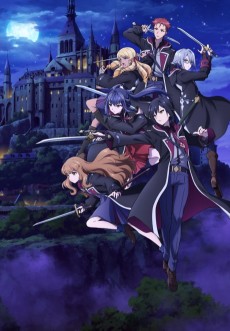
Reign of the Seven Spellblades
📺Anime Details
📝Editorial Analysis
The scent of rain on hot stone. A boy’s knuckles white on the hilt of a blade that hums—not with magic, but with silence. Not the absence of sound, but the weight of something withheld: a vow, a grief too sharp to name, a love that refuses to be bent into romance. That’s the first breath of Reign of the Seven Spellblades—not spectacle, not exposition, but stillness before fracture.
This isn’t fantasy as escape. It’s fantasy as pressure chamber. The academy isn’t just a school—it’s a stage where every hallway echo carries consequence, every sparring match doubles as confession, every shared glance between teens holds the tremor of identity forged in fire and refusal. You feel the ache of restraint—the way a character’s hand doesn’t reach out, the way a laugh cuts short when someone misreads their orientation, the way vengeance simmers not in roaring fury but in precise, asexual discipline. It’s dignity as resistance, quiet as weapon, samurai ethos stripped of romantic obligation—a world where power isn’t measured in who you love, but in what you protect without needing to claim it.
That emotional DNA pulses strongest in Baldur’s Gate 3, where romance options exist—but so does the profound relief of choosing none, of building trust through shared trauma, tactical loyalty, or silent understanding across a campfire. Its 85-score resonance isn’t about matching swords to spellblades; it’s in how both treat intimacy as multidimensional terrain: a dwarf’s gruff loyalty, a tiefling’s guarded wit, a companion’s unspoken history—all mirror the ensemble’s layered bonds, where affection lives in shared silence, not scripted confessions. The player review’s mention of “pause attack mechanic” echoes the anime’s deliberate pacing—moments stretched taut, decisions weighted, consequences unfolding in real time, not cutscene.
Then there’s Dragon Age: Origins, scoring 84 and described as asking: “What will be said about the hero who turned the tide?” That question lands like a blade sheathed—not flashy, but final. The player’s note about loving the pause mechanic “to strategize your tactic” mirrors how Reign of the Seven Spellblades frames swordplay: less about speed, more about intention. Every parry is a choice. Every stance is a boundary. And like the Fifth Blight’s legacy being shaped by quiet choices—not grand declarations—the anime’s revenge arc unfolds through restraint, through protecting others instead of consuming oneself. The “Emotional Narrative” dimension isn’t tearful monologues—it’s the way a non-romantic bond deepens over repaired armor, shared watch shifts, the unspoken weight of carrying memory together.
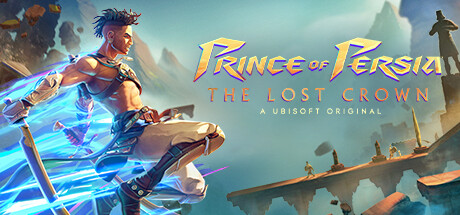
Even Prince of Persia, rebooted and separated from past lore, shares that physical poetry of consequence. Its 84-score “Action Spectacle” isn’t just acrobatics—it’s momentum as morality. A leap isn’t just movement; it’s commitment. A reversal isn’t just evasion; it’s refusal to fall. The player’s note about “new lands and a brand new story” resonates with how Reign of the Seven Spellblades treats its world: not as inherited myth, but as ground being reclaimed—by teens who rewrite tradition with every unsheathed blade, every unspoken truth held steady. The samurai aesthetic isn’t costume—it’s grammar. Every bow, every grip, every stillness speaks a language older than romance, older than revenge: I am here. I choose this.
Who lives for this? Not just fans of swords or spells—but those who’ve ever held their breath mid-sentence, chosen silence over performance, loved fiercely without labeling it, fought not for glory but for the right to stand unmoved. The viewer who feels seen when a character says nothing—and everything—when they sheathe their blade not in victory, but in recognition. The player who pauses mid-battle not to win, but to decide what kind of person survives. This pairing isn’t about genre alignment. It’s about emotional fidelity: stories that treat tenderness as tactical, identity as unshakeable terrain, and courage as the quietest kind of thunder.
🎮69 Games That Match the Vibe



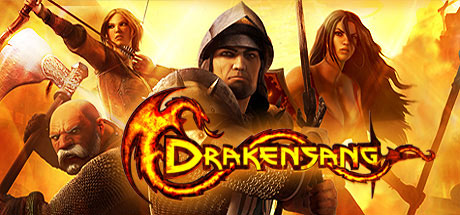
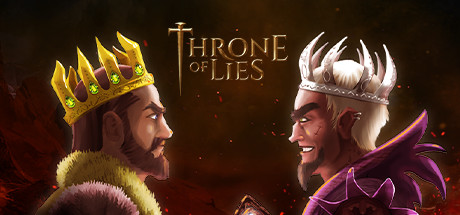
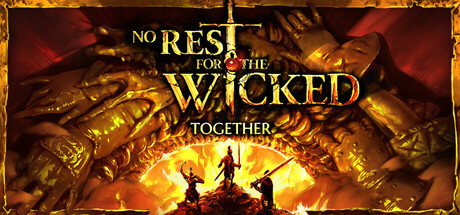
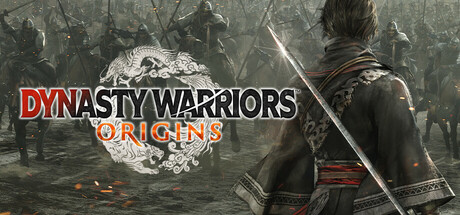

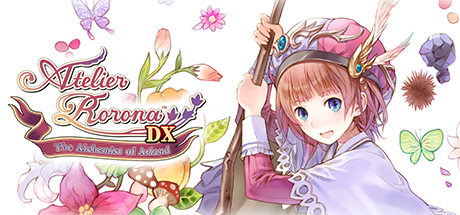



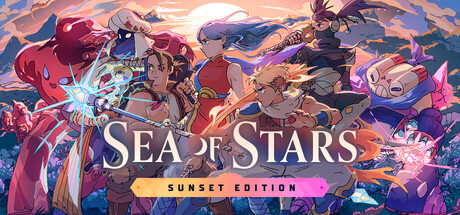



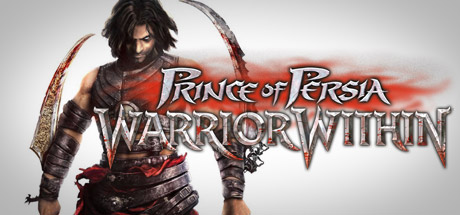
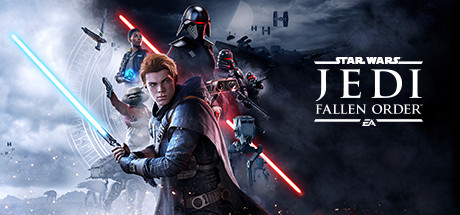

Match Dimensions Explained
❓Frequently Asked Questions
Why does Reign of the Seven Spellblades feel so much like Dragon Age: Origins during the Korcari Wilds campfire scenes?
Because both lean hard into intimate, emotionally charged party banter and moral weight—like when Alistair debates sacrificing himself at the end of the Wilds, or when your Warden chooses who lives or dies in that fog-shrouded camp. Dragon Age: Origins nails that same slow-burn camaraderie and pause-and-plan combat (its tactical pause lets you queue up Morrigan’s hexes or Leliana’s arrows mid-battle), which mirrors Spellblades’ turn-based spellweaving with character-specific resonance chains.
Is there an anime or manga adaptation of Reign of the Seven Spellblades?
No official anime or manga adaptation exists yet—but if you're craving that same lush, emotionally layered storytelling with shoujo-tinged romance and dark fantasy stakes, Baldur's Gate 3 hits *exactly* that vibe: think Astarion’s morally gray confessions under candlelight or Shadowheart’s conflicted devotion, all wrapped in hand-painted cutscenes and branching dialogue that reshapes relationships scene-by-scene.
How does Burning Horns: A Bara Isekai JRPG compare to Reign of the Seven Spellblades in terms of emotional depth and worldbuilding?
Both dive deep into trauma-informed character arcs and gothic, lore-dense settings—but Burning Horns leans into bara-coded intimacy and quiet, simmering vulnerability (like Kaito’s slow trust-building with his horned mentor in the Ashen Monastery), while Spellblades favors ensemble-driven political tension. They share that rare JRPG Narrative + Emotional Narrative + Dark Fantasy trifecta, scoring identically at 84 and earning praise for 'moments where silence speaks louder than spells.'
What’s the best game like Reign of the Seven Spellblades if I want action spectacle *and* dark fantasy without losing narrative weight?
Monster Hunter: World is your sweet spot—it swaps spellblades for colossal wyverns and layered ecosystem combat, but keeps that same oppressive, awe-filled dark fantasy tone (think the Rotten Vale’s fungal decay mirroring Spellblades’ cursed Hollowspire). Its story unfolds through environmental storytelling and hunter journal entries, while still delivering jaw-dropping set pieces like the Nergigante’s vertical arena clash—pure Action Spectacle fused with JRPG Narrative heft.