
Overlord™: Raising Hell
How evil can you get? Discover how corruptible you are in Overlord, the twisted fantasy action adventure where you can be evil (or really evil). In the game's seriously warped fantasy world, players will become the Overlord and get first-hand experience of how absolute power corrupts absolutely.
🎮Game Details
💬What Players Say
"I recived overlrod and the Dlc for a total of 5NZD and I have to say this game so far I am loving, the story the humor, it give off Strong Fable vibes, it can be really frustating as I've had to restart missions because I didn't have any blues left but it's a good game none the less"
"It’s quality is very steady and thus can make it a bit boring to play at times, until you do any of the DLC content in which the high in quality is the regular game’s norm with being down right terrible as the low. Not a fan of the minions slowly getting further from you when you’re walking as they seem to be a little slower than your movement speed, nor them taking a minion spot when they’re lost and not returning to you. For smelting you’ll want to use only greens and browns at either 50/50 or higher amount of browns and don’t make anything until arcanum to save gold and the axe is deemed the best weapon in the game...."
"i played this game when i was a kid and thought it was hard but playing it now as a 25 year old man it was pretty easy the worst part of this game is knowing i could be spending my time playing overlord 2 i know this game looks like a dark rpg but its realy a puzzle game also the dlc stuff was kinda boring and the comedy is kinda dated but his game has heart that you don't realy see anymore AND I LIVE THE MINIONS"
📝Editorial Analysis
The first time you send your minions to toss a peasant into a pit—not because he’s dangerous, but because his hat is slightly crooked—you feel it: that low, warm hum of moral slippage. Not grand villainy, not world-ending rage—but the quiet, giggling ease with which power hollows out conscience. That’s Overlord™: Raising Hell, not as a title, but as a sensation: the velvet drag of corruption, the way absolute authority doesn’t roar—it yawns, stretches, and casually rearranges reality to suit its mood. The official description nails it: “How corruptible you are” isn’t rhetorical. It’s diagnostic. And when one player says it “gives off Strong Fable vibes”, they’re naming that same delicious, uncomfortable friction—the smirk behind the satire, the warmth of the hearth just before the fire swallows the village.
This isn’t grimdark. It’s playfully rotten. The atmosphere isn’t built on dread or despair, but on lighthearted entitlement: the Overlord’s tower hums with bureaucratic evil—minions bicker over loot distribution while a goblin files tax forms in blood ink; a giant mushroom garden grows from cursed compost, tended by a skeleton who sighs about overtime. Player reviews confirm the tonal tightrope: “frustrating” yet “loving”, “steady” yet “boring… until the DLC kicks in”—because the DLC doesn’t just raise stakes, it amplifies the absurdity, making the baseline “down right terrible” (in the best possible way). You don’t feel heroic. You don’t even feel like a tyrant. You feel like someone who just discovered they can unplug the morality switch—and forgot where the reset button is. It makes you laugh, then pause, then laugh again, lower this time. That’s the feeling: complicit delight.
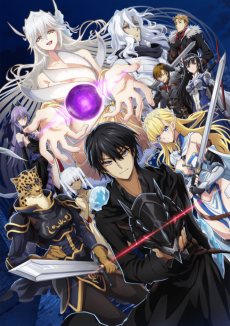
The Eminence in Shadow Season 2 shares that exact DNA—not in plot, but in rhythm. Both weaponize self-awareness as comedy: Cid Kagenou’s entire existence is a performance of competence so excessive it loops back into parody, just as the Overlord’s “evil” is less ideology than aesthetic choice, dressed in gothic flair and delivered with a shrug. They both thrive in Comedy & Parody and Dark Fantasy, where blood splatters in slow motion and someone makes a pun about arterial spray. The Action Spectacle isn’t about stakes—it’s about flair: a minion swarm choreographed like ballet, Cid’s shadow clones fanning out like ink dropped in water. Style is substance. Evil isn’t feared—it’s curated.
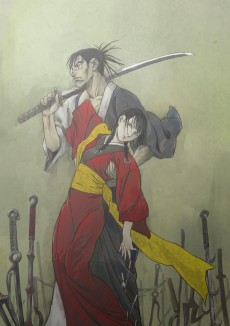
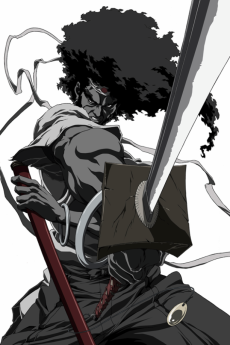
The Elusive Samurai matches even more intimately in texture. Its Edo-period setting feels like a warped mirror of Overlord™: Raising Hell’s fantasy world: bureaucracy masquerading as order, honor codes bent like wet reeds, and violence that’s sudden, brutal, yet somehow light. When the protagonist dodges a sword strike by tripping into a stack of sake barrels—shattering them mid-air, drenching three guards, then bowing apologetically before snapping their necks—that’s the same tonal whiplash: playful, precise, deeply unsettling. Both live in Comedy & Parody and Dark Fantasy, where the joke lands because you recognize how thin the line is between farce and fatality. Neither asks you to condemn the chaos—they invite you to appreciate its timing.
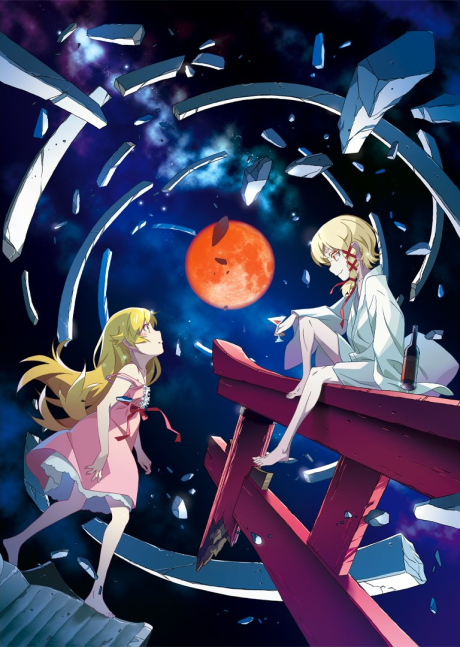
And Zoku Owarimonogatari, though quieter, pulses with the same nervous energy. Its Comedy & Parody isn’t slapstick—it’s linguistic, psychological, recursive. Like the Overlord watching his minions misinterpret an order and spiral into increasingly elaborate, catastrophic obedience, Araragi’s monologues loop inward until logic curdles into something else. Both exist in Dark Fantasy not through monsters, but through unreliable perception: what’s real? What’s performance? What’s just easier to believe? The game’s frustration (“I’ve had to restart…”) mirrors the anime’s exhaustion—less at difficulty, more at the sheer effort of maintaining any consistent moral posture when the system rewards collapse.
This pairing isn’t for fans of cathartic justice or clean arcs. It’s for the person who rewinds a cutscene just to watch a goblin trip over his own tail one more time, who pauses The Elusive Samurai to google whether that historical reference was actually ironic, who feels a jolt—not of horror, but of recognition—when Zoku Owarimonogatari’s narrator admits, “I’m not lying. I’m just editing.” It’s for those who understand that the most dangerous corruption isn’t loud. It’s the kind that comes with a wink, a chuckle, and a very reasonable-sounding justification—delivered, always, just as the floor gives way beneath you.
→201 Anime That Match the Vibe
Connected through 3 aesthetic dimensions.
Connected through 3 aesthetic dimensions.
Connected through 3 aesthetic dimensions.
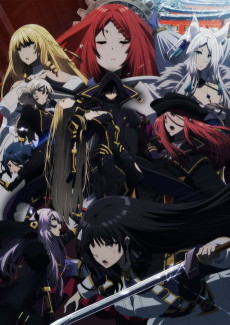
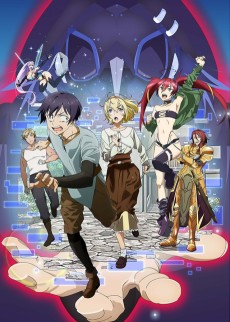
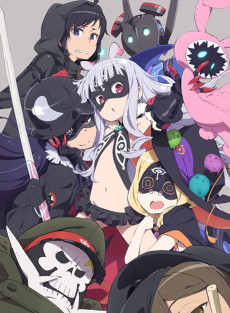
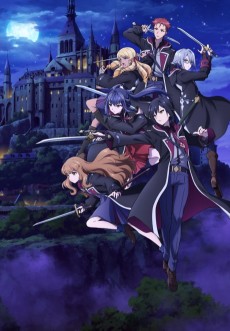
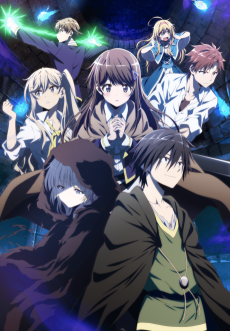
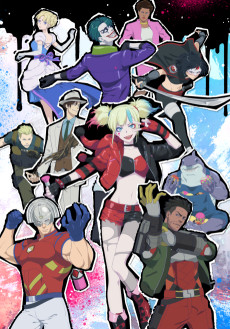
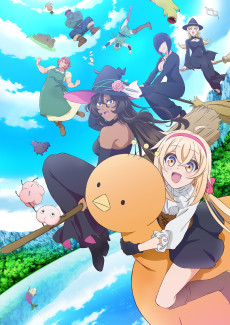
Cid Kagenou’s deadpan monologues about “perfect evil” while casually vaporizing cultists mirror Overlord’s dark fantasy satire—where every “villainous” choice is framed as pragmatic world-building. Unlike most dark fantasies, Season 2 leans hard into absurd bureaucratic villainy: Shadow Garden’s covert ops unfold like Overlord’s tower management, blending ⚔️ Dark Fantasy with 😂 Comedy & Parody through escalating, self-aware overkill. That shared delight in weaponizing tropes—evil as aesthetic, competence as comedy—makes their resonance unexpectedly sharp.
Connected through 3 aesthetic dimensions.

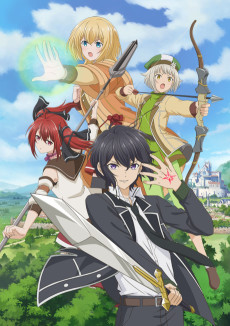
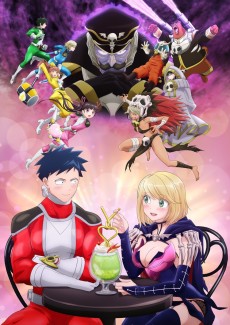
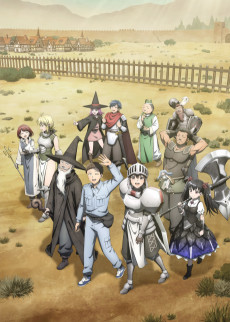
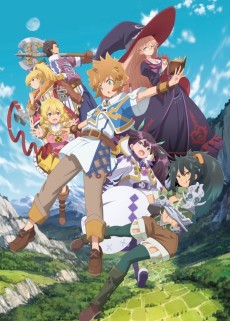
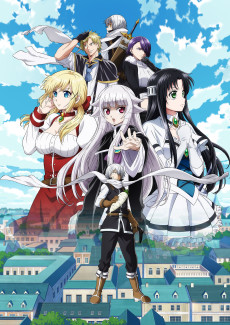
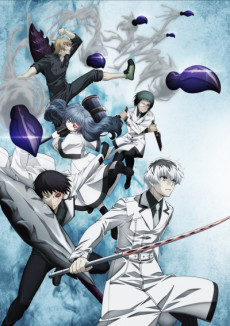
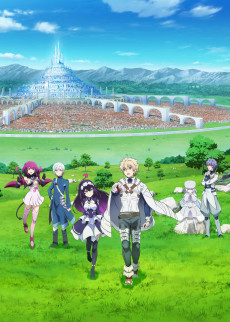
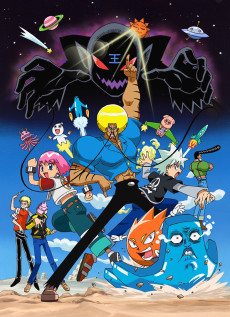
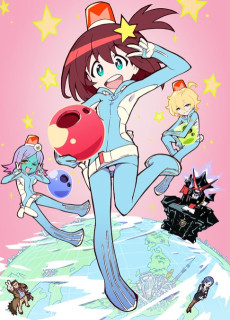
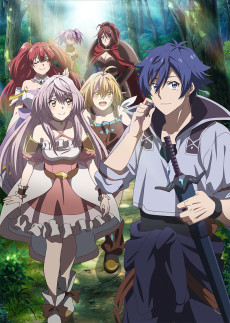
What if heroic sacrifice just made you *angrier*? Togo Asagaki’s resurrection as a vengeful, rule-breaking overlord mirrors the game’s gleeful subversion of fantasy tropes—where “evil” isn’t edgy but *exhaustingly bureaucratic*. Unlike most isekai heroes, Togo weaponizes his Ranger discipline like a corrupted Overlord commander, turning comedy & parody into tactical cruelty. This pairing thrills because it treats dark fantasy not as grimdark posturing, but as systemic satire—where every explosion 💥 serves punchlines *and* power plays.
Connected through 3 aesthetic dimensions.
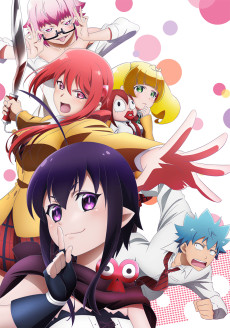
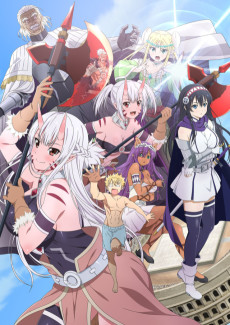
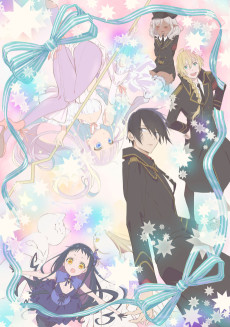
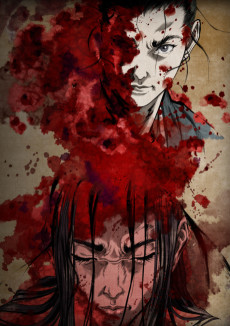
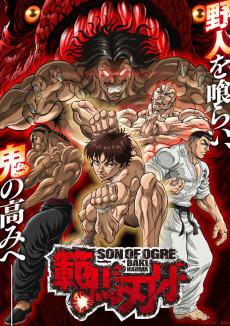
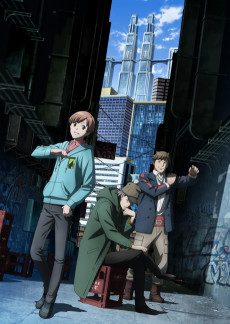
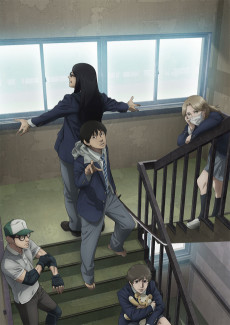
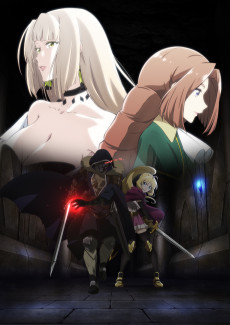
Houjō Tokiyuki’s grim, rain-slicked flight through Kamakura’s collapsing gates mirrors the Overlord’s throne room—both arenas where loyalty curdles into farce. 😂 Comedy & Parody erupts not despite the darkness but *through* it: Takauji’s treason is played with slapstick timing, while the Overlord’s “evil” monologues undercut themselves with bureaucratic absurdity. Where most dark fantasy leans grim, these works weaponize irony—making betrayal feel like a punchline and conquest look suspiciously like paperwork.
Connected through 3 aesthetic dimensions.
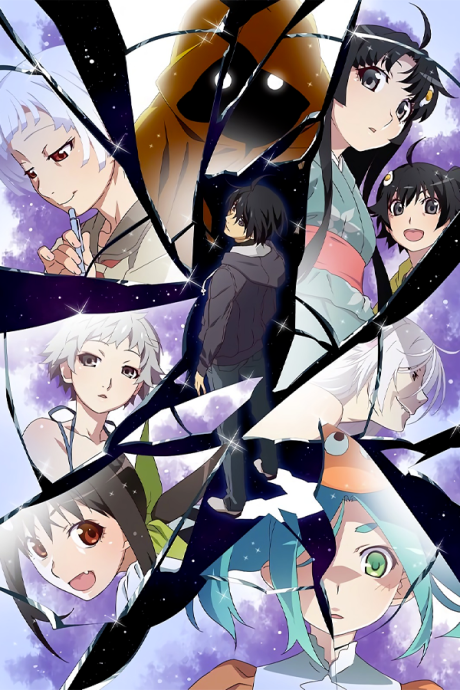
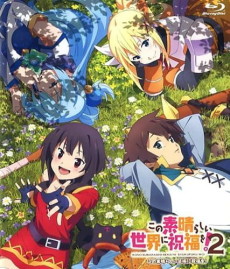
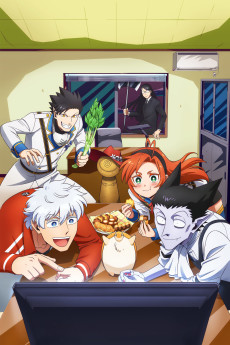
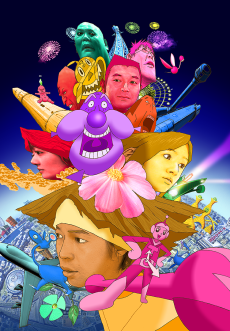
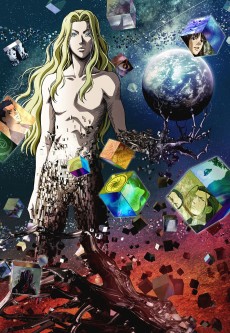
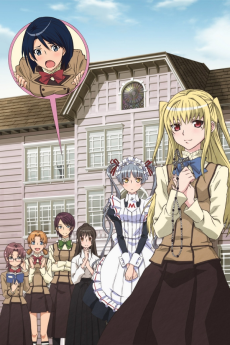
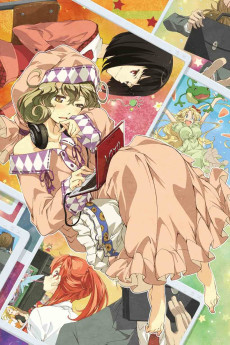
Koyomi’s hollow post-graduation morning—staring at an empty classroom while the world forgets him—mirrors the Overlord protagonist’s chillingly quiet ascension to godlike power in a dead empire. 😂 Where *Raising Hell* weaponizes absurdity to parody dark fantasy tropes, *Zoku Owarimonogatari*’s *Koyomi Reverse* arc uses deadpan comedy to dissect existential rot beneath polite supernatural surfaces. Their resonance lies in how both wield irony as armor: one laughs while conquering, the other while unraveling—dark fantasy not as spectacle, but as sustained, unsettling stillness.




































![Fate/stay night [Heaven’s Feel] III. spring song](https://s4.anilist.co/file/anilistcdn/media/anime/cover/large/bx21719-MSdTlkno0Z0u.jpg)
















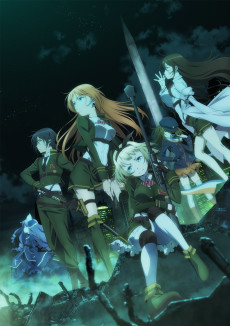
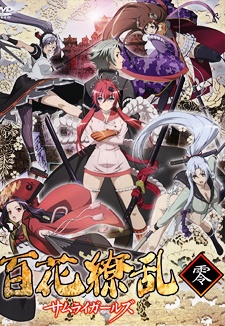


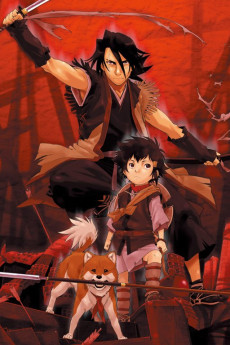
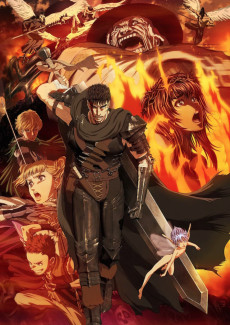
Match Dimensions Explained
❓Frequently Asked Questions
Why is The Eminence in Shadow Season 2 recommended for fans of Overlord: Raising Hell?
Because both lean hard into the 'evil overlord fantasy' with a wink—Shadow’s Cid Kagenou, like Overlord’s protagonist, builds a secret empire while pretending to be clueless, and his absurdly over-the-top monologues ('I am the shadow that walks among light!') mirror the game’s self-aware villainy. Plus, the Season 2 arc where he manipulates entire factions from behind the scenes—complete with dramatic cloaks, whispered orders, and zero consequences—hits the same power-fantasy + dark comedy sweet spot as Overlord’s tower-building and minion-sacrificing mechanics.
Is there an anime adaptation of Overlord: Raising Hell?
Nope—Overlord: Raising Hell is *not* related to the Overlord anime (which adapts the light novel about Ainz Ooal Gown). This is a totally separate thing: it’s the 2007 cult classic *Overlord* game (the one with the floating skull helmet and minions you literally toss into lava), and its only ‘anime-like’ companions are tonally matched shows like *The Red Ranger Becomes an Adventurer in Another World*, where the protagonist weaponizes cringe, bureaucracy, and sheer audacity to dominate a fantasy world—just like your Overlord tossing goblins into chasms to test gravity.
How does The Elusive Samurai compare to Overlord: Raising Hell in terms of tone and vibe?
They’re both dark fantasy comedies where the protagonist treats chaos like a spreadsheet—Kage no Tenshi in *The Elusive Samurai* constantly schemes, lies, and backstabs while maintaining perfect deadpan composure, much like how Overlord’s player-character calmly orders a village’s ‘re-education’ while sipping tea in their skull throne. And just like Overlord’s DLC ramping up the stakes and absurdity, *The Elusive Samurai*’s later arcs escalate from petty cons to full-blown political sabotage—with the same gleeful amorality.
What’s the best anime like Overlord: Raising Hell if I want that ‘corruptible power fantasy’ mood?
Go straight to *Zoku Owarimonogatari*—yes, really. It’s got that same unsettling blend of razor-sharp parody, psychological unease, and characters who *choose* darkness with chilling calm (like Ougi Oshino’s manipulative, fourth-wall-bending monologues). While it’s less about minions and more about linguistic mind games, its ‘power corrupts absolutely’ energy matches Overlord’s darkest moments—like when you realize your Overlord isn’t just evil… they’re *bored*, and that’s somehow scarier than any dragon.