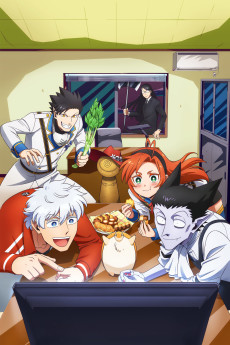
The Vampire Dies in No Time
Legendary vampire hunter Ronaldo finds an unlikely (and unwilling) ally in Draluc, the world’s weakest vampire who turns to dust at the slightest attack. Together they’re in for more hilarious misadventures than you can shake a stake at, including enemy vampires, axe-wielding editors, and other pains in the neck.
(Source: Funimation)
📺Anime Details
📝Editorial Analysis
The sound of Draluc poofing into glittering dust—again—while Ronaldo sighs and pulls out a broom. Not a dramatic disintegration, not a tragic fade, but a soft, absurd pfft, like a dandelion clock caught in a breeze, followed by the clatter of a dropped stake and the distant, unbothered clack-clack of an editor’s axe chopping through a manuscript page. That’s the heartbeat of The Vampire Dies in No Time: not danger, but dust. Not dread, but disruption. A vampire who doesn’t hiss—he sneezes. A hunter who doesn’t sharpen stakes—he files expense reports.
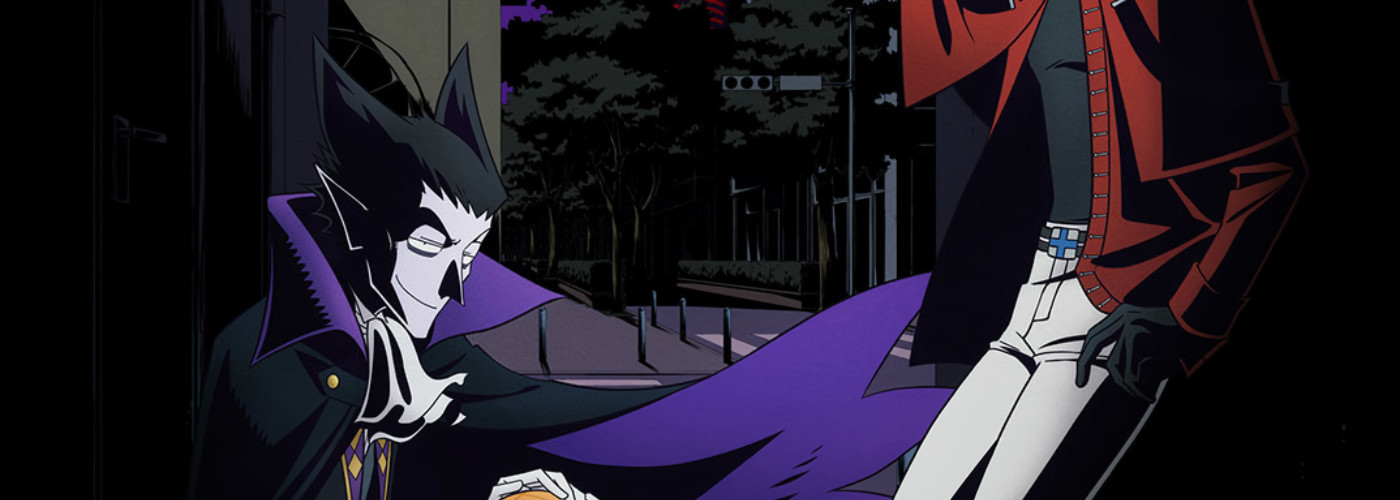
What makes this anime vibrate at such a singular frequency isn’t its urban fantasy setting or even its slapstick—it’s the lightness it carries despite the supernatural weight it’s supposed to bear. Vampires should loom. They should haunt. Here, they bicker over rent, get scolded by editors, and panic when their cape gets caught in a revolving door. The world is saturated with lore—ancient bloodlines, cursed artifacts, predatory hierarchies—but none of it sticks. It slips. You feel relief, not tension. You think about how exhausting it must be to maintain gravitas when your entire existence hinges on not sneezing near a draft. It’s surreal not because it’s illogical, but because it refuses to take its own mythology seriously—not as mockery, but as affectionate exhaustion. Like laughing while folding laundry you’ve folded a thousand times before.
That same emotional DNA flickers in Prince of Persia, where player reviews note it’s “the 3rd reboot… a new prince, new lands and a brand new story completely separate from the sands…”—a franchise that keeps releasing itself from its own legacy, trading mythic weight for buoyant, almost playful reinvention. Its comedy and parody dimension isn’t just tone; it’s structural. Like Draluc dissolving mid-monologue, the Prince stumbles, flips, recovers—never broken, always bouncing. Both works treat grand tradition like a costume you can trip over, then laugh while adjusting the collar.
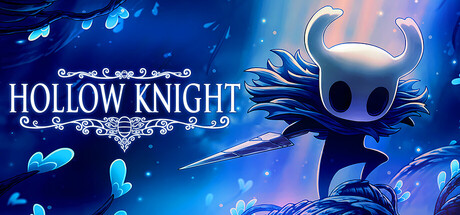
Then there’s Hollow Knight, whose description promises “an epic action adventure through a vast ruined kingdom of insects and heroes,” yet player reviews glow with “Beautiful art style. Great OST. Lovely story.” That dissonance—the lovely nestled inside the ruined, the heroic threaded through the tainted—mirrors how The Vampire Dies in No Time treats its own darkness: as set dressing, not substance. Draluc lives in a gothic mansion full of cobwebs and stained glass, but he uses the stained glass to project cat memes onto the ceiling. Hollow Knight’s melancholic exploration feels tender, not oppressive—like walking through a cathedral that’s also someone’s cluttered, beloved attic. So does Draluc’s castle, where ancient curses are filed under “Pending Revisions.”
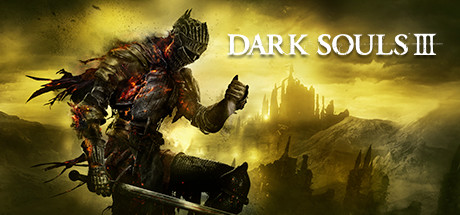
Even DARK SOULS™ III, with its grim tagline “Embrace The Darkness!”, shares this quiet kinship—not in tone, but in emotional rhythm. Player reviews don’t dwell on difficulty or lore dumps; one reflects: “Why Do We Still Reach for the Fire When It Is Dying?” That’s not despair—it’s devotion, stubborn and soft. Ronaldo doesn’t hunt Draluc because he’s evil. He hunts him because he’s there, because the job exists, because dust needs sweeping. Their partnership thrums with the same weary, persistent care: showing up, again and again, for something fragile, ridiculous, and utterly yours.
This pairing sings loudest for the viewer who laughs with the monster—not at him—and the player who saves the world not with a roar, but with a sigh, a shrug, and a perfectly timed dodge. For the person who finds holiness in mundane persistence: the editor swinging her axe not to kill, but to cut unnecessary exposition; the prince flipping past ruins like they’re speed bumps; the knight lighting a candle in a crumbling chapel just to see if the flame holds. They’re all doing the same thing—keeping the light light, the dark manageable, and the dust brief. Because sometimes the bravest thing isn’t surviving the night—it’s choosing to sweep it, chuckle, and make coffee.
🎮31 Games That Match the Vibe












Match Dimensions Explained
❓Frequently Asked Questions
Why does Hollow Knight feel like The Vampire Dies in No Time even though it’s so dark?
Great question—it’s all about that specific blend of melancholic exploration and deadpan absurdity. Like when the Nailmaster Mato silently offers you increasingly ridiculous nail arts while the world crumbles around you, or how the Dream Nail lets you poke into characters’ surreal, emotionally raw inner monologues—just like Rook’s over-the-top reactions to mundane vampire bureaucracy. Hollow Knight nails (pun intended) the same tonal whiplash: gorgeous, somber insect ruins paired with bizarre humor and deeply human vulnerability.
Is there an anime or game adaptation of The Vampire Dies in No Time?
No official anime or game adaptation exists yet—but Prince of Persia (2024) is the closest *spiritual* match fans keep mistaking for one. Its rebooted Prince constantly breaks the fourth wall with sarcastic asides during parkour sequences (like dodging a collapsing pillar while muttering 'Oh, *really*, gravity?'), and the whole tone leans hard into comedy & parody—just like Tatsuhiko’s vampire-slaying slapstick. Even the player review calls it 'a new prince, new lands, and a brand new story completely separate'—which feels very on-brand for TVDITN’s self-aware chaos.
How is Sacred Gold different from DARK SOULS™ III if they both have Dark Fantasy vibes?
Sacred Gold leans into janky, campy fantasy—imagine fighting lumbering ogres while your UI glitches mid-battle and your inventory vanishes (per that player review calling it 'full of jank, bugs and not very stable'). DARK SOULS™ III, meanwhile, weaponizes its darkness with precision: every bonfire rest, every hollowed NPC whispering cryptic lore, and that iconic 'Embrace The Darkness' tagline deliver tightly wound melancholic exploration. Both share the dim, oppressive atmosphere—but Sacred Gold is like watching a B-movie horror flick; DSIII is the arthouse version where even the loading screens feel like elegies.
What’s the best game like The Vampire Dies in No Time if I just want chaotic, fast-paced comedy?
Go straight to Prince of Persia (2024)—it’s the only match on the list with Comedy & Parody as a core dimension (and a 73 score, highest on the list). Think rapid-fire banter between the Prince and his snarky companion while flipping off crumbling walls, rewinding time mid-air to mock a guard’s failed lunge, or using environmental gags like dropping chandeliers *just* to hear them yell 'Not the chandelier!' It’s got that same irreverent energy as Tatsuhiko dodging fangs with a grocery bag—no grimdark pauses, just relentless, stylish, self-aware chaos.