Psychonauts
A Psychic Odyssey Through the Minds of Misfits, Monsters, and Madmen. This classic action/adventure platformer from acclaimed developers Double Fine Productions follows the story of a young psychic named Razputin.
🎮Game Details
💬What Players Say
"This game allows in-depth milking of certain highly creamy men, his utters are beautifully rendered."
"The level of creativity, humor and deeply philosophical wisdom in this unseeming platformer is criminally underrated."
"When I played this as a wee baby on PlayStation 2 it BLEW my mind, but drove me a bit crazy on the controls. Happy to report it controls pretty great overall on PC, better than it did back in the day. Come for an amazing story, wonderful gameplay, imaginative worlds, and great writing...."
📝Editorial Analysis
You’re floating—no, drifting—through a hallway made of giant, crumbling teeth, the floor sticky with something that smells like burnt sugar and regret. Razputin’s bare feet pad softly as he tiptoes past a weeping, sentient jawbone humming a lullaby in a minor key. This isn’t horror. It’s tender. It’s absurd, yes—but also aching, like finding your childhood diary open to a page where you confessed you were afraid of silence. That’s Psychonauts: not just a psychic odyssey through the minds of misfits, monsters, and madmen—but a pilgrimage through the soft, squishy, unvarnished interiority of people who’ve built entire worlds inside their heads just to survive being seen.
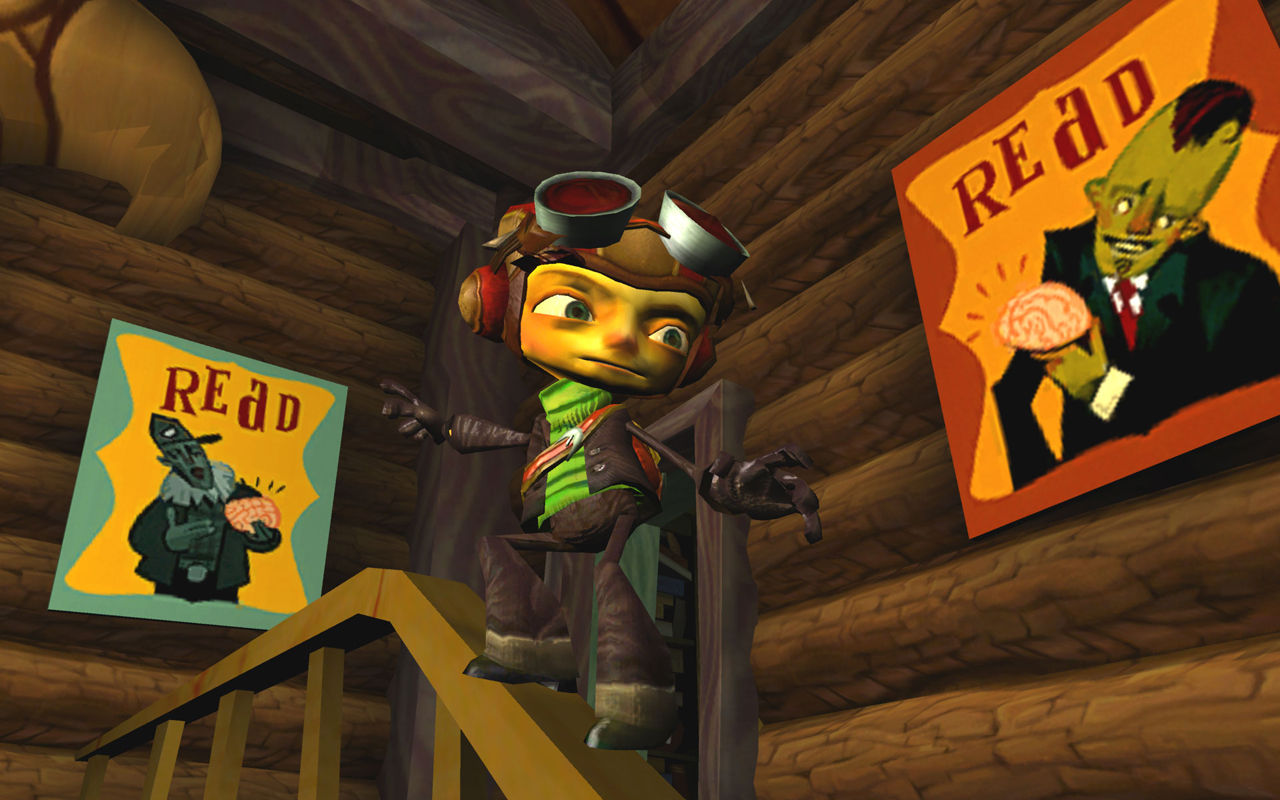
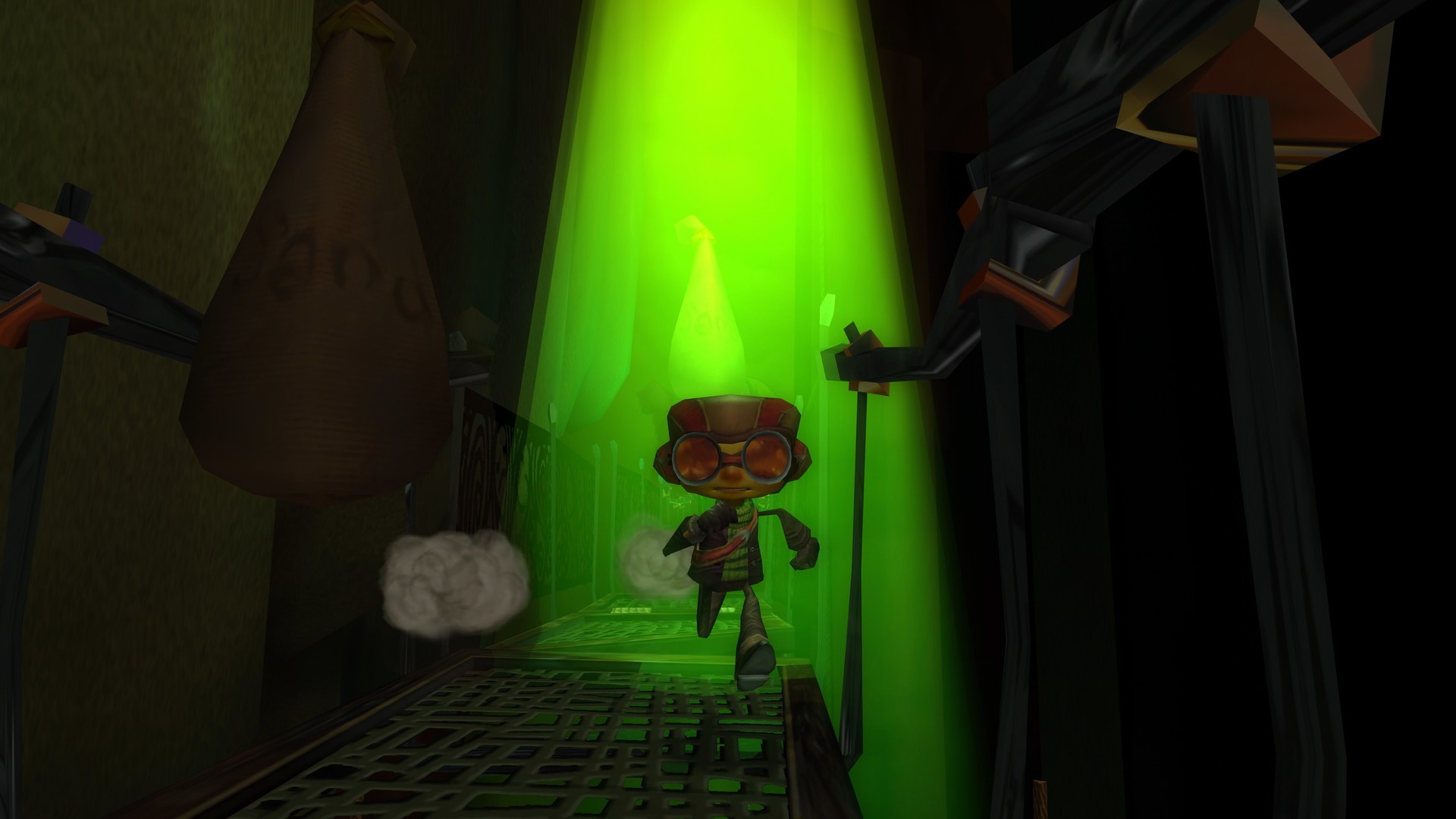
What makes this game vibrate at that particular frequency isn’t its platforming or psychic powers—it’s how it treats psychological fragility as sacred terrain. The official description names the cast: misfits, monsters, madmen—but the player reviews reveal the real heartbeat: “deeply philosophical wisdom in this unseeming platformer,” “BLEW my mind, but drove me a bit crazy on the controls.” That duality is the core feeling: exhilaration tangled with vulnerability, wonder edged with disorientation. You don’t conquer these minds—you witness them. You hold space for a man whose brain is a Soviet-era bureaucracy run by literal paperclips, or a girl whose trauma manifests as a glittering, suffocating avalanche of unspoken words. There’s no villainous mastermind pulling strings—just the quiet, devastating weight of how people stay whole when they’re not quite whole. It’s melancholic, yes—but never despairing. It’s comedic, but never cruel. It’s adult, not because it’s graphic, but because it trusts you to sit with ambiguity—to laugh at a dancing cactus while feeling your throat tighten at what it represents.
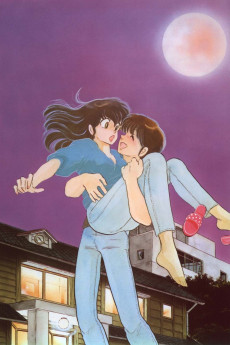
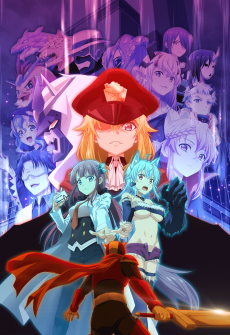
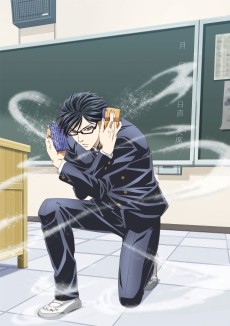
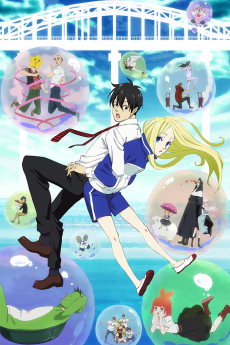
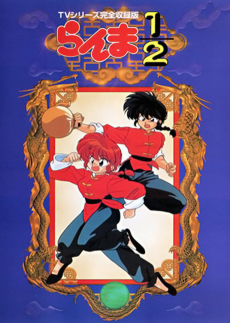
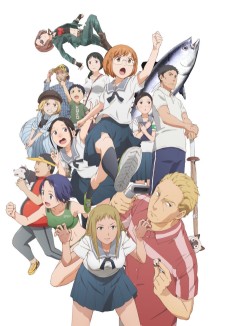
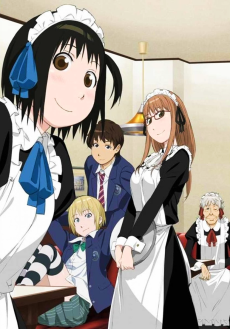
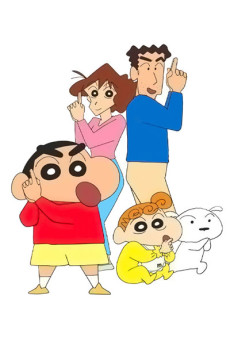
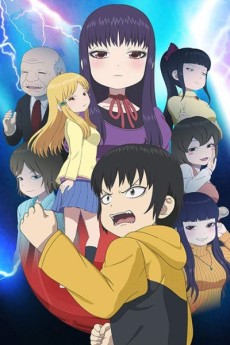
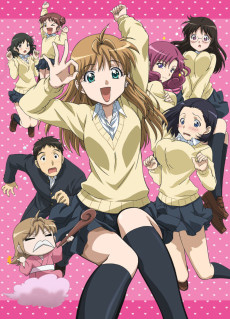
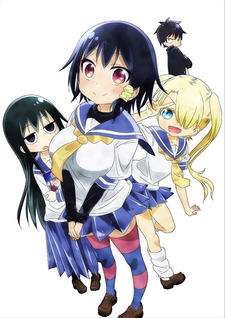
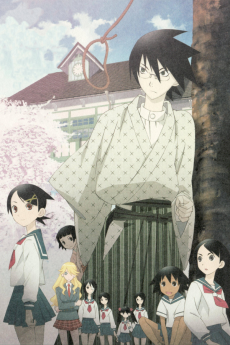
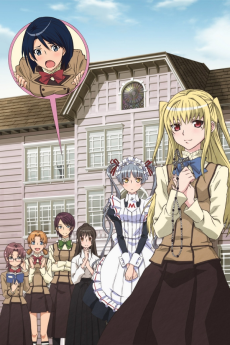
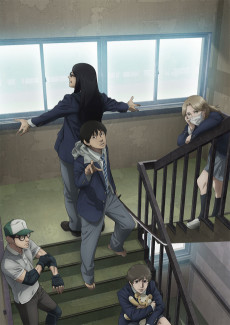
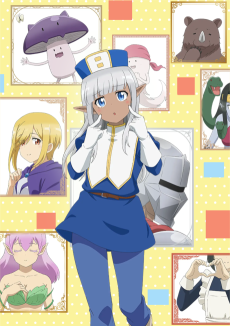
That same emotional architecture hums in The Comic Artist & His Assistants, where every gag about deadline panic or awkward flirtation lands because it’s rooted in real creative exhaustion and quiet longing. Like Raz navigating Coach Oleander’s militarized ego or Sasha’s hyper-rational fortress, the anime frames neuroses as architectural features, not flaws—buildings you walk through, admire, sometimes get lost inside. The shared dimension isn’t just Comedy & Parody; it’s how both use parody as empathy, mocking the surface so gently that the tenderness underneath becomes undeniable. Then there’s Arakawa Under the Bridge, where a community of outcasts lives under a bridge—not as metaphors, but as neighbors. Its Melancholic Exploration lives in the way Nino’s alien logic slowly reveals deep grief, just as Raz uncovers the sorrow beneath Boyd’s conspiracy theories or Dogen’s stoicism. Both treat strangeness as a language, not a barrier—and treat healing as collaborative, messy, and often hilarious. And Maison Ikkoku, with its slow-burn ache and deeply human stumbles, mirrors Psychonauts’ refusal to rush emotional resolution. Godai’s fumbling, year-long hesitation isn’t comic relief—it’s recognition. Like Raz learning to listen instead of leap, the anime finds profundity in pause, in the space between intention and action, in the softness of trying again.
This pairing sings for the person who cries during a perfectly timed pratfall, who bookmarks pages about cognitive behavioral therapy and re-watches the same 30-second anime scene five times because of how the light falls on a character’s eyelash. It’s for the late-night thinker who’s equal parts fascinated and heartbroken by how people construct meaning—whether it’s via psychic acrobatics across a crumbling cerebellum or two adults silently sharing tea while pretending not to notice each other’s trembling hands. It’s for those who know that melancholy and mirth aren’t opposites—they’re the same breath, inhaled and exhaled in the same fragile, funny, gloriously imperfect human body.
→146 Anime That Match the Vibe

Connected through 3 aesthetic dimensions.
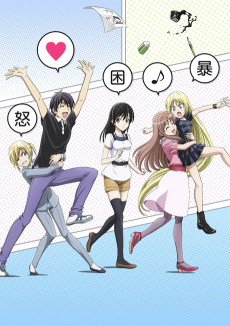
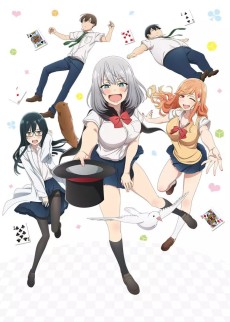
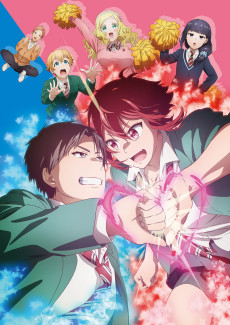
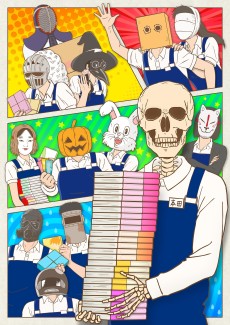
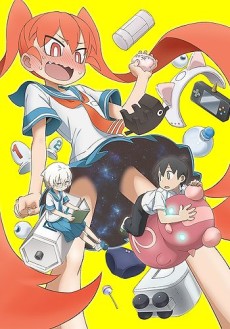
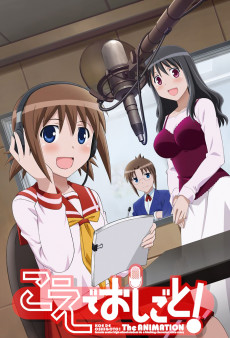
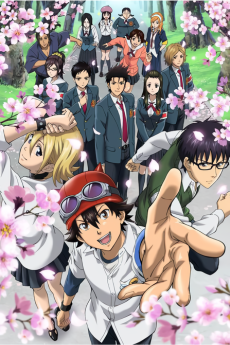
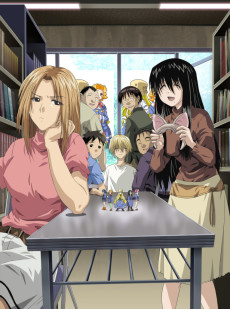
Ashisu’s earnest attempts to model emotional authenticity for Aito—like when she reenacts romantic tension in his studio—echo Raz’s vulnerable dives into fractured psyches, where comedy masks deep melancholic exploration. Unlike most workplace comedies, both treat creative block not as gag fodder but as psychic terrain demanding empathy and absurd courage. That shared blend of 😂 Comedy & Parody and 🌿 Melancholic Exploration makes their tonal whiplash feel startlingly sincere—not ironic, but tenderly human.

Connected through 3 aesthetic dimensions.

Connected through 3 aesthetic dimensions.

Connected through 3 aesthetic dimensions.

Connected through 3 aesthetic dimensions.
Connected through 3 aesthetic dimensions.
Connected through 3 aesthetic dimensions.

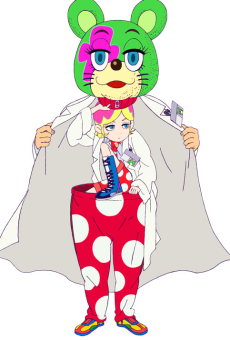
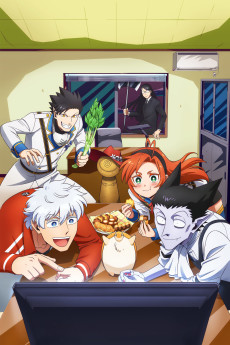
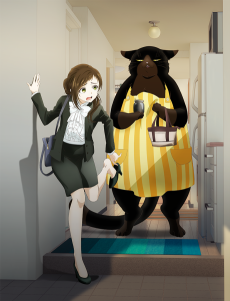
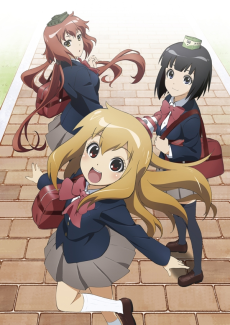
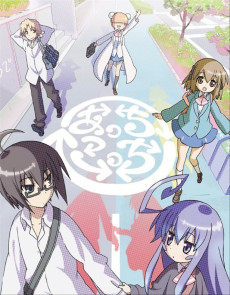
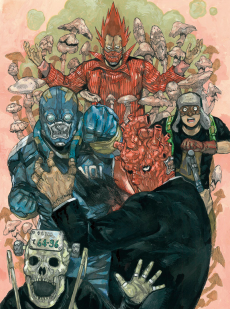
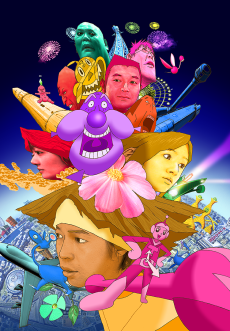
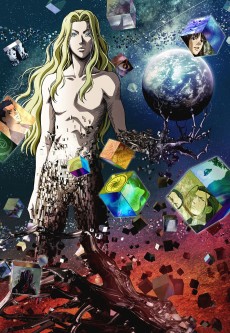
Nino’s bridge-dwelling commune—where logic dissolves into ritual, trauma wears clown makeup, and love blooms in absurd debt—isn’t just whimsy: it’s a psychic landscape rendered in pastel surrealism, echoing Raz’s descent into Coach Oleander’s warped military-mind fortress. 😂 Comedy & Parody here isn’t mere gag delivery—it’s structural armor shielding melancholic exploration of alienation, neurodivergence, and the quiet terror of “normalcy.” Unlike most rom-coms, *Arakawa Under the Bridge*’s first season leans into its own instability, much like *Psychonauts* treats mental illness not as metaphor but as terrain—vivid, dangerous, and deeply human.
Connected through 2 aesthetic dimensions.





































































Match Dimensions Explained
❓Frequently Asked Questions
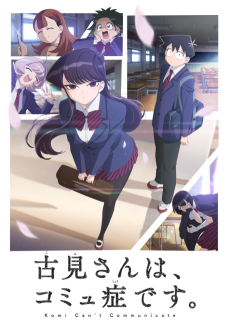
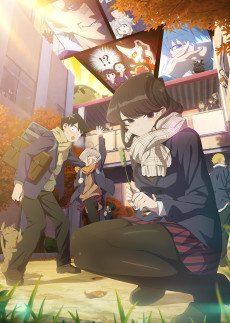
Why is Komi Can’t Communicate recommended for fans of Psychonauts?
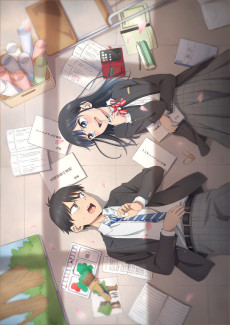
Because both dive deep into the messy, tender interior lives of socially anxious outsiders—Razputin navigating psychic trauma and Komi grappling with crippling social anxiety—while wrapping heavy emotional beats in absurd, visually inventive comedy (like Komi’s silent panic spirals mirroring Raz’s surreal mindscapes in the Thorney Towers asylum). The show even has its own 'mental world' equivalent: those gorgeous, wordless fantasy cutaways where Komi imagines perfect conversations—kinda like how Raz projects his confidence into a glittering psychic shield.
Is there an anime adaptation of Psychonauts?
Nope—no official anime adaptation exists (and honestly, it’d be wild to see Double Fine’s stop-motion-meets-surrealist-paint aesthetic translated to cel animation). But if you’re craving that same vibe of off-kilter humor + melancholic heart + deeply weird character psychology, Arakawa Under the Bridge nails it—especially with Nino’s delusional, fairy-tale logic clashing against gritty riverside reality, much like Raz’s earnestness bumping up against the Psychonauts’ chaotic bureaucracy.
How does The Comic Artist & His Assistants compare to Psychonauts in tone?
Both weaponize cringe comedy to explore creative burnout and identity—but where Psychonauts uses psychic powers as literal metaphors for mental health (e.g., Raz confronting his dad’s ‘Censorship’ boss fight), TCA&HA goes darker and more adult, with scenes like Eiji’s breakdown over manga deadlines echoing Raz’s PS2-era frustration with clunky controls… except here the 'controls' are his own self-sabotaging ego and the suffocating weight of industry expectations.
What’s the best anime like Psychonauts if I want something uplifting but emotionally raw?
Go straight to Maison Ikkoku—it’s got that same bittersweet warmth: Yusaku’s goofy, persistent hope mirrors Raz’s relentless optimism, while Kyoko’s quiet grief over her late husband feels as real and unvarnished as Raz’s childhood longing for parental validation. And just like how Psychonauts turns therapy into a psychedelic platforming gauntlet, Maison Ikkoku transforms mundane moments—making tea, missing a bus—into tiny, resonant emotional victories.