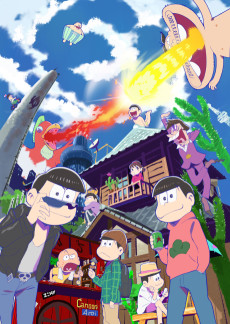
Mr. Osomatsu
The Matsuno sextuplets (leader Osomatsu, wannabe tough guy Karamatsu, straight man Choromatsu, cynical Ichimatsu, cheerfully stupid Jyushimatsu and lovable spoiled Todomatsu) are now in their 20s, still living together in the same house as NEETs. Their neighbors still include such eccentric characters as fish market idol Totoko, loud bucktoothed troublemaker Iyami, tiny rival Chiba, wacky inventor Dekapan, and giant mouthed glutton Dayon.
Join the Matsuno siblings as they overcome mundane hurdles in their daily lives, such as finding employment, figure out who should pay the bar bill, and who should get the extra pastry!
📺Anime Details
📝Editorial Analysis
The fridge light flickers on at 3:17 a.m. Osomatsu stands barefoot in the yellowed linoleum, shirt untucked, holding a half-eaten melon soda that’s gone warm and flat. Behind him, the hallway groans — Karamatsu’s snoring vibrates the doorframe, Choromatsu mutters about rent in his sleep, and somewhere, Todomatsu is crying softly over a dropped pudding cup he refuses to clean up. There’s no punchline. No cutaway gag. Just the hum of the aging refrigerator, the sticky residue on the counter, and the quiet, exhausting weight of being twenty-six and still sharing one bathroom with five brothers who treat adulthood like a costume they tried on once and immediately discarded.
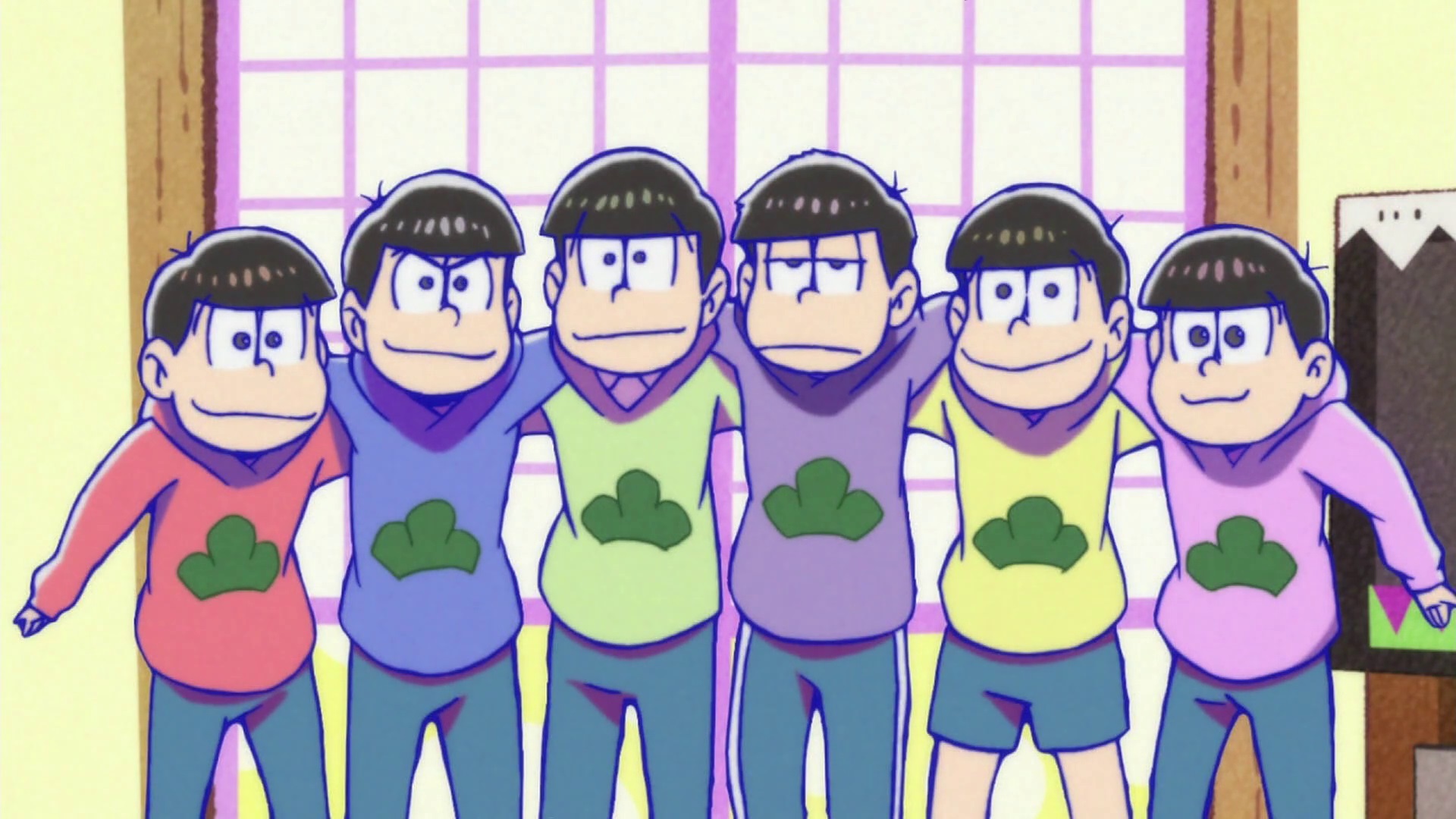
That’s the feeling Mr. Osomatsu lives inside: melancholic exploration of stagnation — not as tragedy, but as texture. It’s not about failing to grow up; it’s about how deeply, hilariously, and tenderly you can nest inside your own inertia. The surreal comedy isn’t random — it’s pressure-release valve steam hissing from the radiator of late-capitalist drift. The slapstick doesn’t land like cartoon violence; it lands like a sigh after tripping over the same loose floorboard for eleven years. You don’t laugh at the Matsuno sextuplets — you laugh with them, breathless and slightly ashamed, because their hikikomori rhythms echo your own unspoken pauses: the third rerun of the same cooking show, the unread job application draft, the way you reorganize your bookshelf instead of calling your mother back. It’s warm, yes — but also aching, familiar, softly devastating.
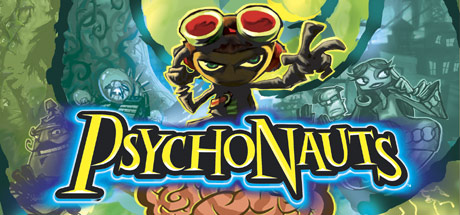
That emotional DNA — comedy as camouflage for quiet existential weariness, parody as both shield and mirror — pulses in surprising places. Take Psychonauts: its description calls it “A Psychic Odyssey Through the Minds of Misfits, Monsters, and Madmen.” Not heroes. Not villains. Misfits. And the player review — bizarrely phrased, yes — fixates on “milking… highly creamy men” and “utters beautifully rendered,” which sounds absurd until you remember Jyushimatsu’s vacant grin mid-airplane crash or Ichimatsu’s deadpan monologue about the philosophical implications of convenience store rice balls. Both Psychonauts and Mr. Osomatsu treat inner chaos not as pathology, but as landscape — absurd, tactile, strangely dignified. They explore mental clutter with the same affectionate irreverence: one with psychic acrobatics through neurotic thought-bubbles, the other with Osomatsu using a vacuum cleaner as a jetpack to escape responsibility.
Then there’s Garry’s Mod, described simply as “a physics sandbox. There aren’t any predefined aims or goals. We give you the tools and leave you to play.” That’s the Matsuno house distilled: no quest markers, no XP, no narrative urgency — just six grown men, a wobbly table, a suspiciously sentient potted plant, and infinite permutations of what if we glued Iyami’s hat to the ceiling fan? The player review mentions S&Box’s “disappointing unoptimized and Ai filled release” — a sharp, weary aside about modern systems failing to replicate something raw and player-led. That’s the same energy as Dekapan’s malfunctioning inventions or Dayon’s inexplicable mouth-based gravity well: joy born not from polish, but from permission to fumble, to break, to rebuild badly, again and again.
Even Bully: Scholarship Edition, with its focus on “the hilarity and awkwardness of adolescence,” resonates — not because the Matsunos are teens, but because Jimmy Hopkins’ schoolyard survival tactics mirror theirs: pranks as diplomacy, dodgeball as negotiation, saving nerds as performative altruism masking deep communal loyalty. The player review complains about crashes on PC but praises the Steam Deck experience — a detail that mirrors Mr. Osomatsu’s own tonal whiplash: chaotic, glitchy, technically rough around the edges, yet somehow more alive in its imperfections. Both understand that sincerity wears clown makeup here — and the funniest moments arrive when the mask slips just enough to reveal exhaustion, tenderness, or a shared shrug at the sheer ridiculousness of trying.
This pairing isn’t for fans of tidy arcs or triumphant growth. It’s for the person who’s laughed until they cried watching Todomatsu sob over a broken toy robot while simultaneously calculating his overdue utility bill. It’s for the player who booted up Just Cause 2 not for the revolution, but to spend three hours dangling a dictator from a hot air balloon while listening to lo-fi hip-hop. It’s for anyone who’s ever felt the sweet, heavy relief of doing absolutely nothing — and known, deep in their bones, that nothing is where the real world hums loudest.
🎮10 Games That Match the Vibe







Match Dimensions Explained
❓Frequently Asked Questions
Why is Prince of Persia listed as similar to Mr. Osomatsu when it’s so serious?
Great question—it’s not about tone alone! Mr. Osomatsu thrives on chaotic sibling dynamics and absurd, escalating set-pieces (like the brothers turning a bathhouse into a slapstick warzone), and Prince of Persia’s reboot leans hard into *melancholic exploration* and *comedy & parody*—especially in its self-aware cutscenes where the Prince groans at his own destiny or gets roasted by side characters like Zola. That same blend of existential sighing + sudden ridiculousness? Totally Osomatsu energy.
Is there a Mr. Osomatsu video game adaptation?
No official Mr. Osomatsu game exists—but Bully: Scholarship Edition is the closest spiritual cousin you’ll get. Think Jimmy Hopkins’ sarcastic eye-rolls, pranking preps in Bullworth Academy hallways, and that weirdly heartfelt melancholy beneath the chaos—just like the Osomatsu brothers mocking each other while secretly needing one another. Even the dodgeball minigame feels like a direct nod to their group-vs-group shenanigans.
Psychonauts vs. Garry’s Mod—which is more like Mr. Osomatsu?
Psychonauts wins *narrowly* for vibe-match: both dive headfirst into surreal, character-driven absurdity—Raz exploring Coach Oleander’s delusional military-musical mind feels like watching Choromatsu hallucinate a kabuki showdown. Garry’s Mod is pure sandbox chaos (yes, hilarious), but Psychonauts has actual narrative rhythm, emotional whiplash, and *melancholic exploration* baked into every level—just like an Osomatsu episode pivoting from fart jokes to quiet shots of the brothers staring blankly at rain.
What’s the best ‘Mr. Osomatsu mood’ game if I just want chaotic, low-stakes fun?
Just Cause 2—hands down. Forget story; it’s all about leaning into the nonsense: grapple-hooking a flaming rhino onto a parade float, then detonating it mid-air while yelling at your own explosion. That same gleeful, consequence-free escalation? Exactly how the Osomatsu brothers turn a simple tea break into a full-blown yakuza satire with improvised weapons and zero regard for continuity. Plus, its 64-score ‘Comedy & Parody’ rating nails the vibe.