
Garry's Mod
Garry's Mod is a physics sandbox. There aren't any predefined aims or goals. We give you the tools and leave you to play.
🎮Game Details
💬What Players Say
"I never bothered writing a review for this for whatever reason, but now that S&Box is out to a disappointing unoptimized and Ai filled release I guess its as good a time as any. I've played this game a good chunk of my life if the hours didnt give it away, I learned level design and gamedev through here, and yeah it has a lot of problems, the engine can be frustrating, a little bit old, the communities a bit odd, but since Little Big Planet I have never seen a game unlock this much creative potential in me and other people maybe ever. Every day there's new maps to explore, new models, new content made by a hardworking passionate community, all for free, and sure, some of those maps may be terrible, but for every kid's first liminal scary level there's a genuine gem out there that will leave you impressed, either through sheer originality or technical prowess, or both...."
"Always wanted this game when i was a little kid, anddd finally got it :))), and yes its still amazing"
"Been playing Garry's Mod since the early free versions. Greatest game ever made. Nuff said."
📝Editorial Analysis
A cardboard box, duct-taped to a shopping cart, balanced precariously on a stack of cinderblocks—then launched sideways by a ragdoll’s flailing leg as gravity reasserts itself with cruel, giggling indifference. That’s not a mission. Not a cutscene. Not even a glitch you report. It’s just there, humming in the silence between mouse clicks and keyboard taps—the quiet thrill of pure, unscripted possibility. That’s Garry's Mod: a physics sandbox where “goals” are whispered rumors, and the official description confirms it plainly—“There aren’t any predefined aims or goals. We give you the tools and leave you to play.” One player, scrolling past years of unreviewed awe, finally writes: “I never bothered writing a review for this for whatever reason…”—as if the game resists summary, like trying to bottle static electricity. Another, decades deep into its early free versions, declares it “Greatest game ever made. Nuff said…”, the ellipsis hanging like smoke after a firecracker. And a third, wide-eyed at last holding the keys: “Always wanted this game when i was a little kid, anddd finally got it :))), and yes its still amazing…”—that double “d”, that smiley, that breathless colon—this isn’t nostalgia. It’s recognition.
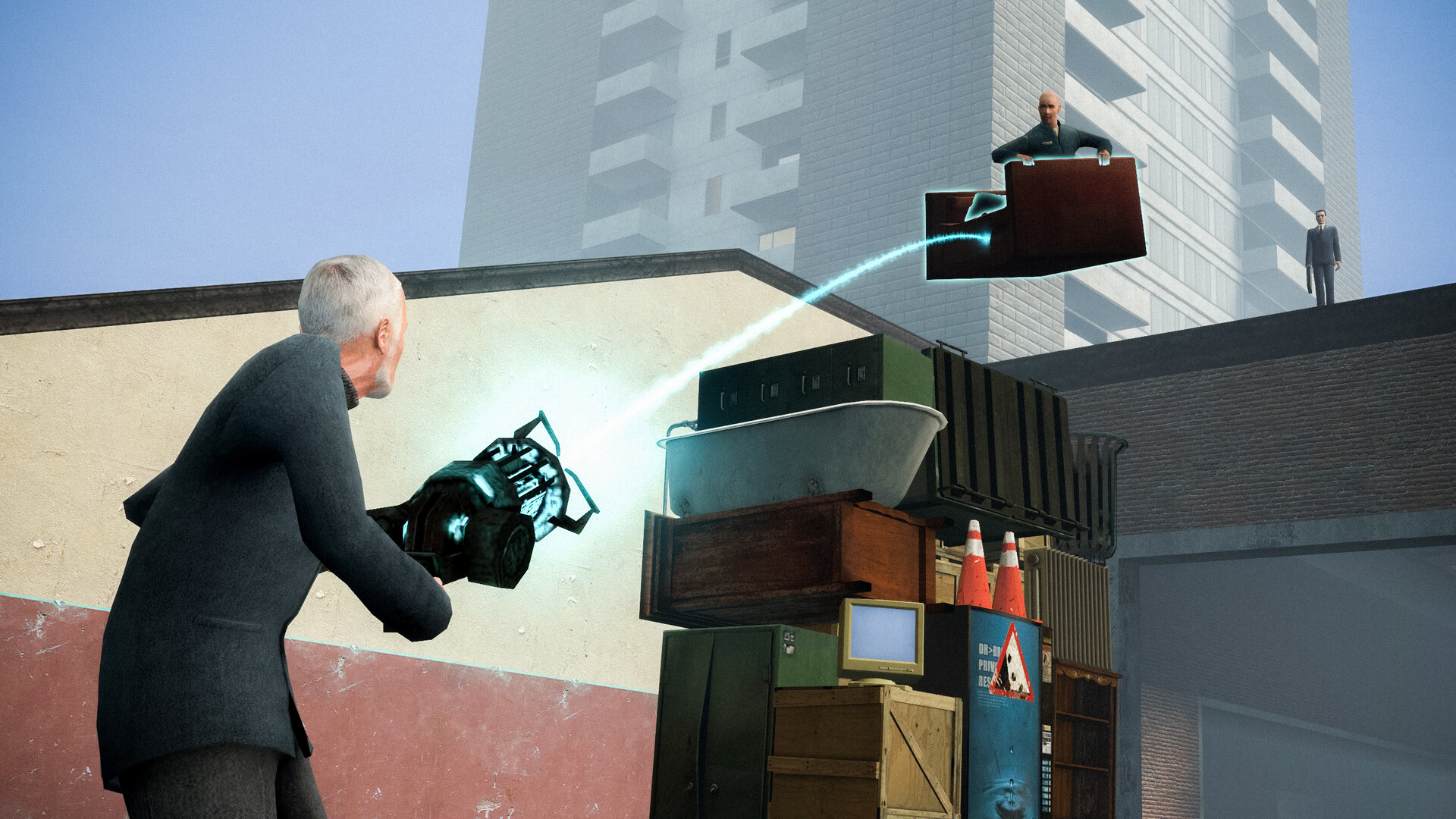
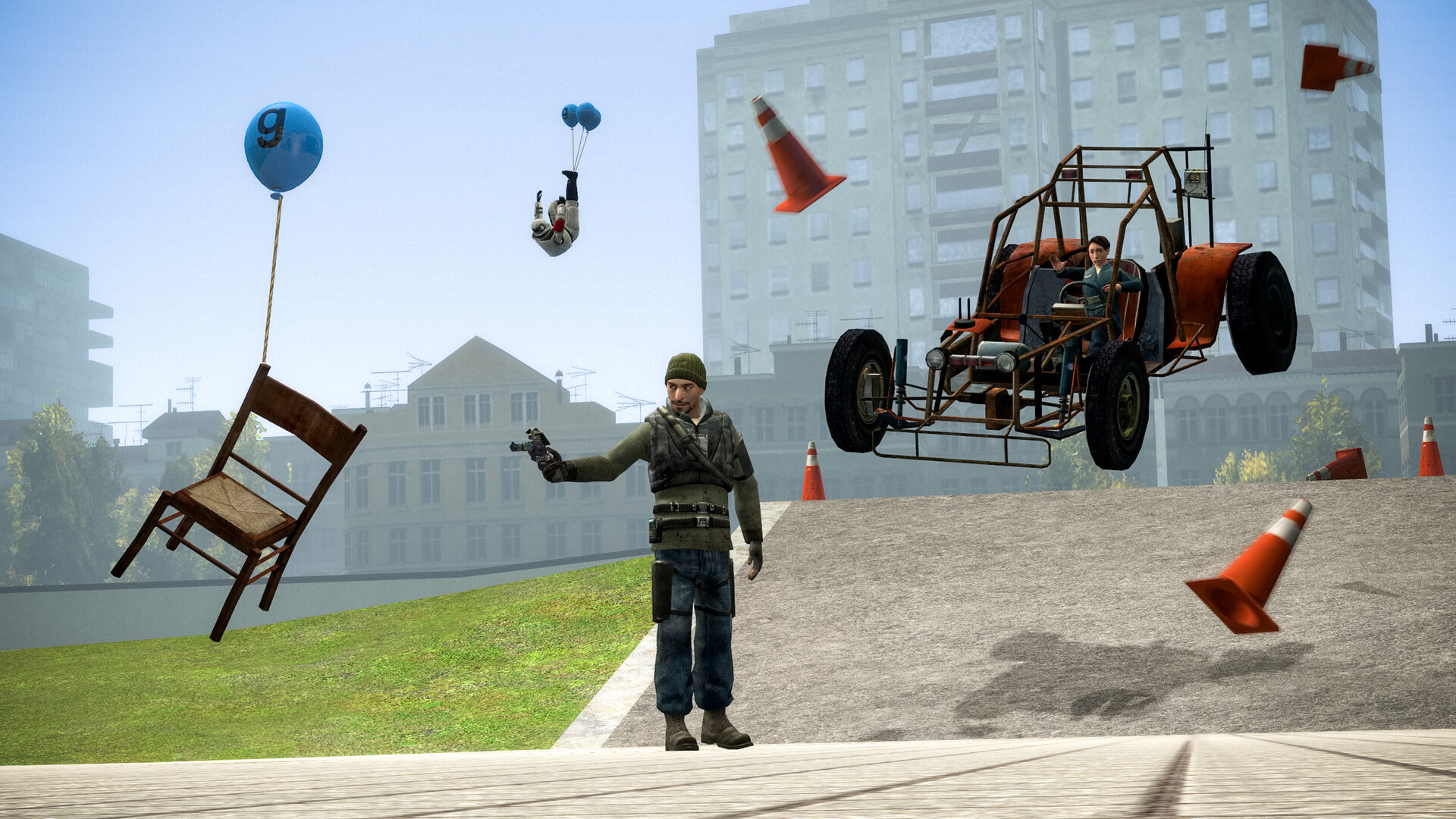
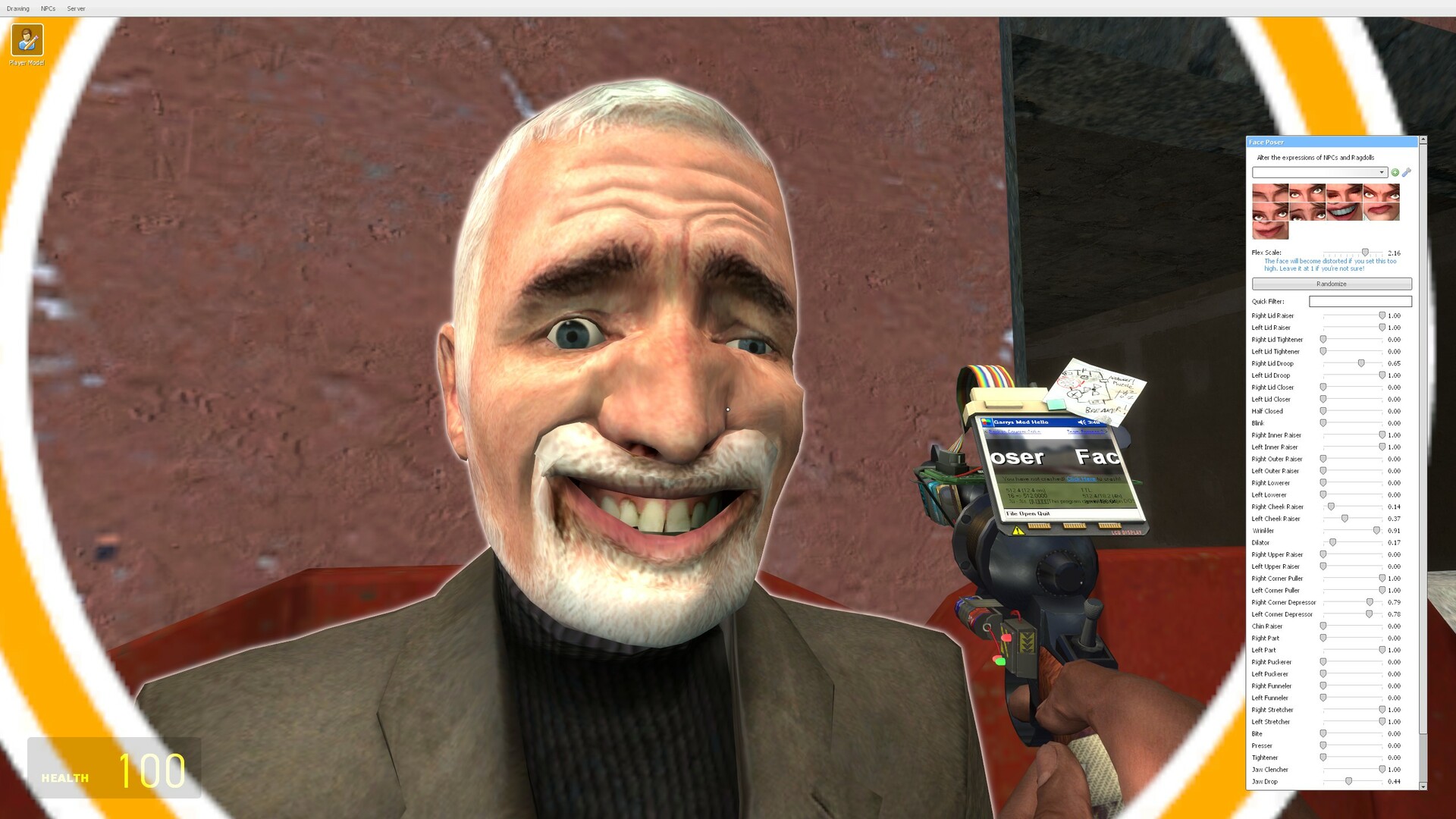
What Garry's Mod makes you feel isn’t triumph or dread or even flow—it’s permission. Permission to fumble, to misfire, to build something absurdly fragile just to watch it collapse with satisfying, clattering honesty. There’s no tutorial voiceover whispering “this is how you win.” There’s only the low hum of the engine, the soft thunk of a prop landing, the sudden, startling whoosh of a ragdoll tumbling down stairs you didn’t mean to make a slide. It’s deeply melancholic exploration: you wander empty maps, not searching for loot, but for resonance—how a chair tilts, how light catches dust in a sunbeam through a broken window, how a single wheel spins endlessly in vacuum. It’s survival & crafting, yes—but survival of attention, of curiosity; crafting not of gear or levels, but of moments that exist only because you nudged them into being. And it’s comedy & parody, always—never mean-spirited, but tenderly absurd, like watching your own childhood logic made manifest in rubber-physics form.
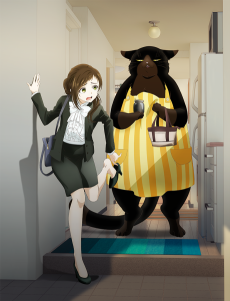
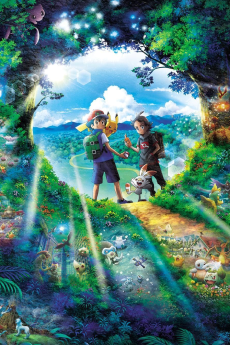
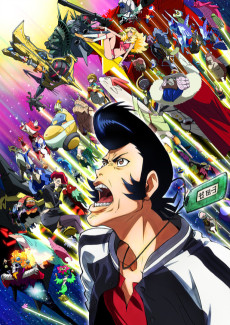
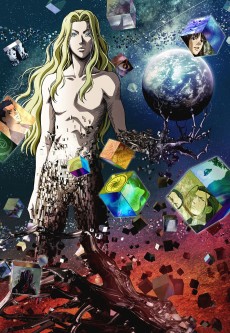
That emotional DNA pulses strongest in Humanity Has Declined, where fairy bureaucrats file paperwork while civilization quietly unravels—and the tone mirrors Garry's Mod’s gentle chaos: bureaucratic rigidity colliding with slapstick entropy, all wrapped in a hushed, almost sorrowful wonder. Both treat collapse not as tragedy, but as texture—something to poke, rearrange, laugh with, not at. Then there’s Zom 100: Bucket List of the Dead, where the zombie apocalypse becomes a canvas for defiant, handmade joy—building a raft from scrap, staging impromptu concerts in abandoned malls. Like Garry's Mod, it trades survival mechanics for survival spirit: the real craft isn’t barricades, but meaning, assembled one ridiculous, heartfelt choice at a time. And Sonny Boy, with its drifting, logic-defying island and kids improvising rules as reality frays—its melancholic exploration feels kin to wandering Garry's Mod’s empty train yards at dusk, dragging a piano behind a jeep just to hear how the notes warp in motion. No exposition needed. Just presence. Just play as existential posture.
This pairing isn’t for the completionist who needs trophies or the lore-hunter parsing timelines. It’s for the person who pauses mid-game to watch rain hit a windshield they didn’t ask for, then spends twenty minutes adjusting the droplet density. It’s for the anime viewer who rewinds not to catch dialogue, but to study how a character’s hair floats just so during a silent walk home—because that float holds more truth than any monologue. It’s for the kid who still keeps a shoebox full of bottle caps, string, and bent paperclips—not for anything in particular, but because what if? What if you tied this to that? What if you dropped it here? What if you let go—and just watched? That’s the shared breath between Garry's Mod and these shows: the sacred, unhurried space where meaning isn’t found, but fashioned, one wobbly, joyful, heartbreaking, utterly unnecessary thing at a time.
→147 Anime That Match the Vibe

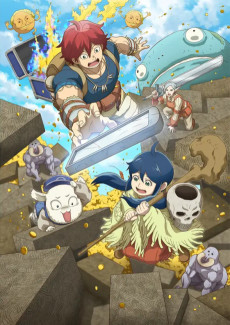
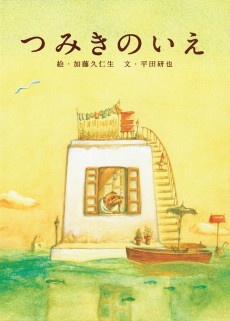
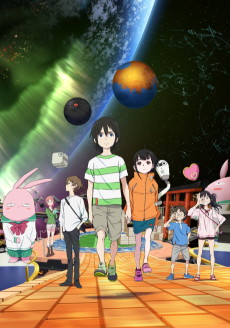
That eerie, quiet shot of the Fairy Village’s abandoned playground—swings creaking in wind, half-buried toys—mirrors Garry’s Mod’s empty spawn room: a blank physics canvas where meaning isn’t given, but *assembled*. 😂 Comedy & Parody thrives in both when characters (or players) improvise absurd rituals—like the Fairy’s bureaucratic tea ceremonies or stacking ragdolls into jury-rigged cranes—to stave off entropy. Unlike most survival stories, neither offers progress; they luxuriate in melancholic exploration, treating collapse not as tragedy, but as permission to tinker.

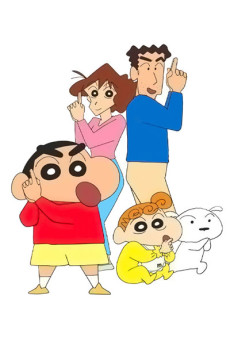
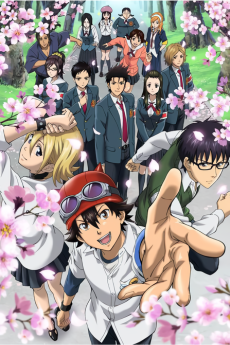
Sena Kobayakawa’s frantic, physics-defying zigzags through towering defenders mirror Garry’s Mod’s chaotic ragdoll ballet—where gravity, momentum, and sheer absurdity collide in real time. Unlike most sports narratives that glorify polished strategy, *Eyeshield 21* leans hard into slapstick parody 🤣, just as GMod invites players to weaponize comedy through unintended collisions and wobbling contraptions. This mutual love of competitive chaos—where victory emerges from glorious failure—makes their resonance unexpectedly profound.
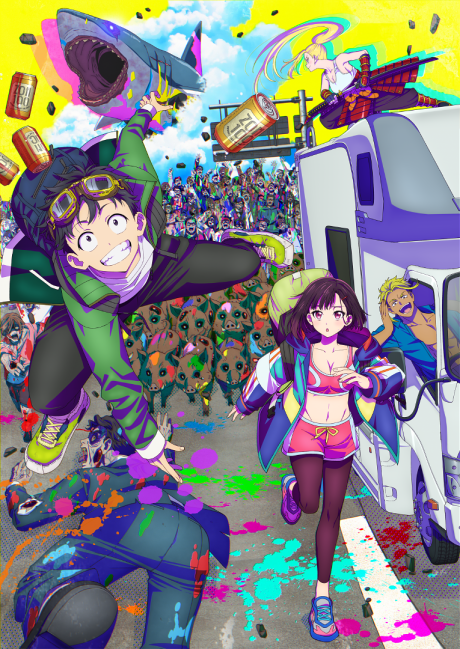
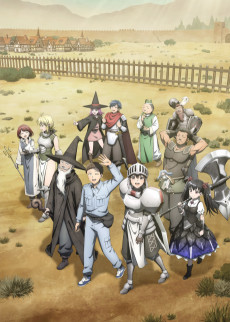
Akira’s giddy, improvised raft-building on the zombie-choked river—duct tape, scrap wood, sheer absurd hope—feels like a Garry’s Mod session where physics glitches become gospel. Unlike most apocalypse stories fixated on grim efficiency, *Zom 100* and Garry’s Mod bond through 😂 Comedy & Parody: they treat survival not as mastery, but as collaborative, chaotic play—where a corpse becomes a puppet, a vending machine a siege engine, and liberation blooms in the glitch between intention and entropy. That shared refusal to take stakes seriously is quietly revolutionary.

Connected through 2 aesthetic dimensions.

Connected through 2 aesthetic dimensions.


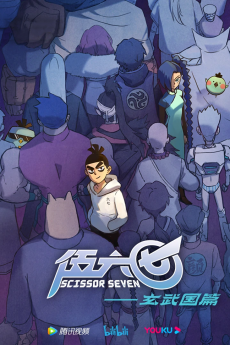
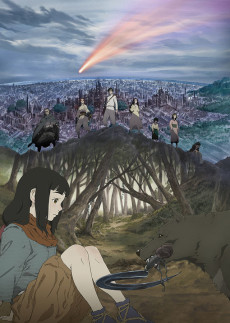
Nagara’s quiet stare into the void of the drifting school—where physics unravels and meaning must be *built*, not found—echoes Garry’s Mod’s empty spawn point: no objectives, just gravity, joints, and the eerie weight of possibility. 😂 Comedy & Parody surfaces not as relief, but as destabilizing friction—like students weaponizing absurdity against existential drift, or players strapping rockets to chairs just to watch coherence collapse. Where most survival stories demand resource hoarding, both trust melancholic exploration 🌿 as the only viable craft.

Connected through 2 aesthetic dimensions.

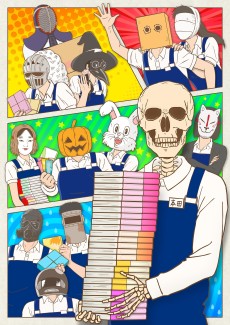
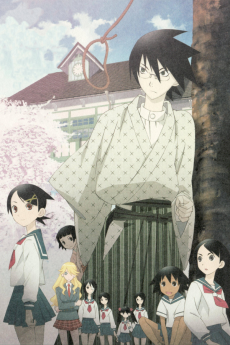
Aoyama’s absurdly precise throw-in—measured down to the millimeter, executed with surgical gloved hands—mirrors Garry’s Mod’s physics playground where players obsess over angling a ragdoll just so before launching it into orbit. 😂 Comedy & Parody thrives in both: one weaponizes soccer’s rules as farce, the other treats gravity and joints as punchlines. Unlike most sports anime or sandbox games, neither just *uses* systems—they gleefully dissect and reassemble them until logic collapses into laughter.

Connected through 2 aesthetic dimensions.













































































































Match Dimensions Explained
❓Frequently Asked Questions
Why is Humanity Has Declined considered the top anime like Garry's Mod?
Because it mirrors Garry's Mod’s sandbox freedom and tonal whiplash—like when the fairy characters casually rebuild society from scrap in Episode 12 using duct tape, broken toys, and existential dread. Its 'Melancholic Exploration' and 'Survival & Crafting' dimensions directly echo how players in Garry's Mod jury-rig contraptions just to watch them collapse beautifully.
Is there an anime adaptation of Garry's Mod?
No—Garry's Mod has never been adapted into an anime (and honestly, that’s probably for the best; imagine trying to animate the chaos of a ragdoll catapulting off a physics glitch in Episode 3 of Zom 100). But anime like Sonny Boy come close: its kids spontaneously warp reality with no rules or tutorials, just like jumping into GMod with zero objectives and all the tools.
How does Zom 100 compare to Sonny Boy for Garry's Mod fans?
Zom 100 leans harder into joyful, tactile 'Survival & Crafting'—think Akira crafting a zombie-proof scooter out of shopping carts and duct tape in Episode 7—while Sonny Boy trades physical tinkering for metaphysical sandboxing, like Nagara bending pocket-dimension logic to build floating islands out of pure improvisation. Both score 76 and 75 respectively in the same core dimensions, but Zom 100 feels more hands-on, Sonny Boy more head-spinning.
What’s the best anime like Garry’s Mod if I want that ‘melancholic but playful’ vibe?
Komi Can’t Communicate—it’s got that exact bittersweet warmth: Komi’s silent, elaborate attempts to connect (like building a tiny paper diorama to express feelings in Episode 14) mirror GMod’s quiet, creative problem-solving amid emotional weight. It scores 72 in both 'Comedy & Parody' and 'Melancholic Exploration', hitting that same gentle, off-kilter sincerity fans love in early GMod playthroughs where you just… make things because it feels right.