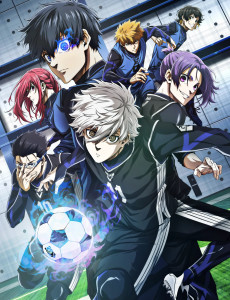
BLUE LOCK THE MOVIE -EPISODE NAGI-
My life was full of boredom. Until I met him.
“That’s a hassle.”
That was second-year high schooler Nagi Seishirou’s favorite phrase as he lived his dull life. Until Reo Mikage, a classmate who dreamed of winning the World Cup, discovered Nagi’s hidden skill, inspiring him to play soccer and share his outstanding talent. Nagi is pulled into Reo's world of soccer and out of his leisurely lifestyle. What fate awaits this prodigy in BLUE LOCK?: A world he’s never known.
(Source: Crunchyroll, edited)
📺Anime Details
📝Editorial Analysis
The screen holds on Nagi’s hand—palm up, fingers slack—as a soccer ball drops from the sky in slow motion. Not a kick, not a save, just reception. His wrist barely bends. The ball settles like it’s always belonged there. That’s the moment: no fanfare, no crowd roar, just the quiet thump of leather on skin and the sudden, dizzying weight of potential. He doesn’t smile. He blinks. And says, “That’s a hassle.” — not as refusal, but as recoil against the sheer intensity of being seen.
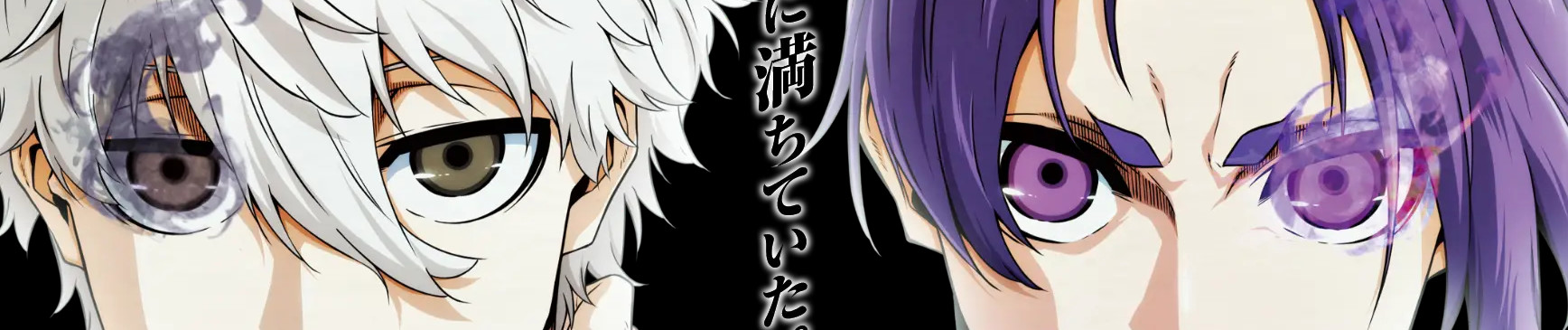
This isn’t about football as sport. It’s about the suffocating, electric pressure of being measured. Every frame of BLUE LOCK THE MOVIE -EPISODE NAGI- hums with that tension—the kind that lives in the silence between heartbeats, in the way Reo’s gaze doesn’t waver, in how Nagi’s boredom isn’t emptiness but resistance to demand. It makes you feel exposed, even as a viewer—like your own latent capacity is being quietly, relentlessly appraised. There’s no safety in mediocrity here; there’s only the vertigo of giftedness pulled into focus, and the terrifying relief of finally having somewhere to aim. It’s not inspiration—it’s interrogation. Not hope, but reckoning.
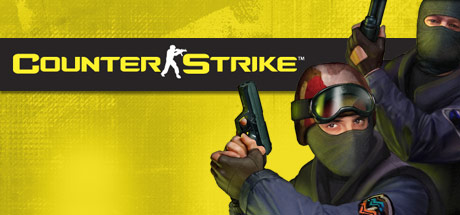
That feeling—the razor’s edge between apathy and obsession, where talent isn’t celebrated but weaponized, where every interaction is a silent calibration of worth—echoes sharply in Counter-Strike. Its description calls it “an incredibly realistic brand of terrorist warfare” and “team-based” strategy—but what the player review nails is the devotion: “Wasted ‘half’ my life in this game, plan to waste other half too.” That’s Nagi’s arc in microcosm: surrendering leisure to something that demands absolute presence, where split-second decisions carry existential weight—not because lives are at stake, but because identity is. The same hyper-focused discipline, the same ritualized preparation, the same way a single misstep unravels everything—that’s the shared breath.
Then there’s Counter-Strike: Condition Zero, described as “the ultimate 2000s time capsule that proved Counter-Strike could be a brilliant single-player game.” The player review calls it a time capsule—not for nostalgia, but for proof: proof that structure, repetition, and escalating stakes can forge meaning even in isolation. Like Nagi practicing alone in empty fields, or rehearsing footwork while staring blankly at his phone—his early skill isn’t flashy; it’s embedded, unconscious, waiting for context to activate it. Condition Zero’s Tour of Duty isn’t about story—it’s about layered pressure, mission after mission tightening the vise. Just like Blue Lock’s world doesn’t reward passion—it rewards response under duress. Both are training grounds disguised as arenas.
And Team Fortress 2, with its “nine distinct classes [providing] a broad range of tactical abilities and personalities,” mirrors Blue Lock’s ensemble logic—not as diversity for flavor, but as collision points. The player review calls the community “chaotic… gay, artistic, furries, and love men”—but what matters is the density of identity, the way each class (like each Blue Lock trainee) isn’t just a role but a stance, a philosophy of engagement. Scout’s speed, Heavy’s endurance, Spy’s deception—they’re not archetypes; they’re temperaments made kinetic. Nagi doesn’t fit any mold—he breaks them. So does TF2’s absurd, physics-defying combat: it’s not realism, it’s personality amplified until it becomes strategy. Both reject uniformity—not to celebrate individualism, but to force irreducible friction as the engine of growth.
This pairing isn’t for fans of “sports anime” or “competitive shooters.” It’s for the person who’s ever stared at their own hands and wondered what they’re capable of if no one’s watching—then felt a jolt when someone did. It’s for the late-night solo grinder who treats practice like prayer, the one who finds calm in high-stakes precision, the quiet observer who flinches at praise because it feels like exposure. It’s for those who don’t seek victory—they seek confirmation: that their stillness wasn’t emptiness, but coiled readiness. That their “hassle” was just the first syllable of a name they haven’t learned yet.
🎮14 Games That Match the Vibe




Match Dimensions Explained
❓Frequently Asked Questions
Why does the Nagi vs. Reo match in BLUE LOCK THE MOVIE feel so intense compared to other soccer scenes?
It’s all about that razor-thin margin between genius and collapse—Nagi’s solo run mirrors Counter-Strike’s high-stakes bomb defusal: one misstep, one mistimed flashbang (or misplaced pass), and the whole play unravels. The tension isn’t just visual—it’s systemic, like lining up a perfect AWP shot in Counter-Strike: Source where recoil control, map knowledge, and teammate callouts (like Reo’s off-ball movement) make or break the moment.
Is there a BLUE LOCK video game adaptation with Nagi as a playable character?
No official BLUE LOCK game exists yet—so no Nagi, no Reo, no Isagi on console or PC. But if you want that same explosive, hyper-competitive energy *right now*, Counter-Strike delivers it best: think Nagi’s icy focus translated into clutch 1v5s on Dust II, or Reo’s tactical awareness mirrored in CT-side rotations and smokes—just swap cleats for kevlar and passes for molotovs.
How does Counter-Strike compare to Team Fortress 2 for capturing BLUE LOCK’s team-dynamics-and-rivalry vibe?
Counter-Strike nails BLUE LOCK’s cutthroat intensity—every round feels like a Nagi vs. Reo duel where positioning, timing, and psychological pressure decide everything. Team Fortress 2 is more chaotic fun (think goofy training camp antics), but lacks that surgical, high-stakes tension; TF2’s ‘love men’ and hat economy can’t replicate the bone-dry silence before Nagi’s final dribble like CS’s tense bombsite holds can.
What’s the best game like BLUE LOCK THE MOVIE -EPISODE NAGI- if I want that ‘cold focus under pressure’ vibe?
Counter-Strike is your absolute go-to—especially Counter-Strike: Source. Its clean hit registration, minimal HUD, and reliance on raw aim + communication mirror Nagi’s silent, unblinking precision during his solo run against Reo. One review even calls it ‘pure CS experience’—no fluff, no cheaters, just you, your crosshair, and that same heart-pounding weight of every single decision.