Team Fortress 2
Nine distinct classes provide a broad range of tactical abilities and personalities. Constantly updated with new game modes, maps, equipment and, most importantly, hats!
🎮Game Details
💬What Players Say
"The game runs great even on a laptop it's fun and chaotic, love it. The community is gay, racist, sexist, gay, artistic, gay, furries, and love men. It is a 10/10 The Big Cheese approves."
"1. log in game 2. join 2fort 3...."
"looking at this game so far , i never expected to see facists , woke people and furries at the same time in one place , excellent homosexual gameplay tho , all of the 9 mercs are equally as gay , but after 1000 hours , i am finally not a virgin anymore , thanks tf2"
📝Editorial Analysis
The conga line forms mid-battle on 2fort—Heavy’s minigun whirring, Scout sprinting backward while juggling a sentry gun, Medic cackling as he Ubercharges a Spy who’s definitely not a Spy—and then the whole lobby implodes: friendlies fire, someone yells “HEAVY IS SPY” three times in rapid succession, and the chat floods with “FASCIST”, “WOKED”, “FURRY”, “GAY”, “GAY”, “GAY”, and finally, “EXCELLENT HOMOSEXUAL GAMEPLAY THO”. That’s not chaos—it’s ritual. It’s the official description’s “nine distinct classes” colliding with player review 2’s frantic, numbered collapse of order, where identity, intent, and allegiance dissolve into pure, looping absurdity. The hats aren’t accessories; they’re liturgy. The update patches aren’t patches—they’re sermons.
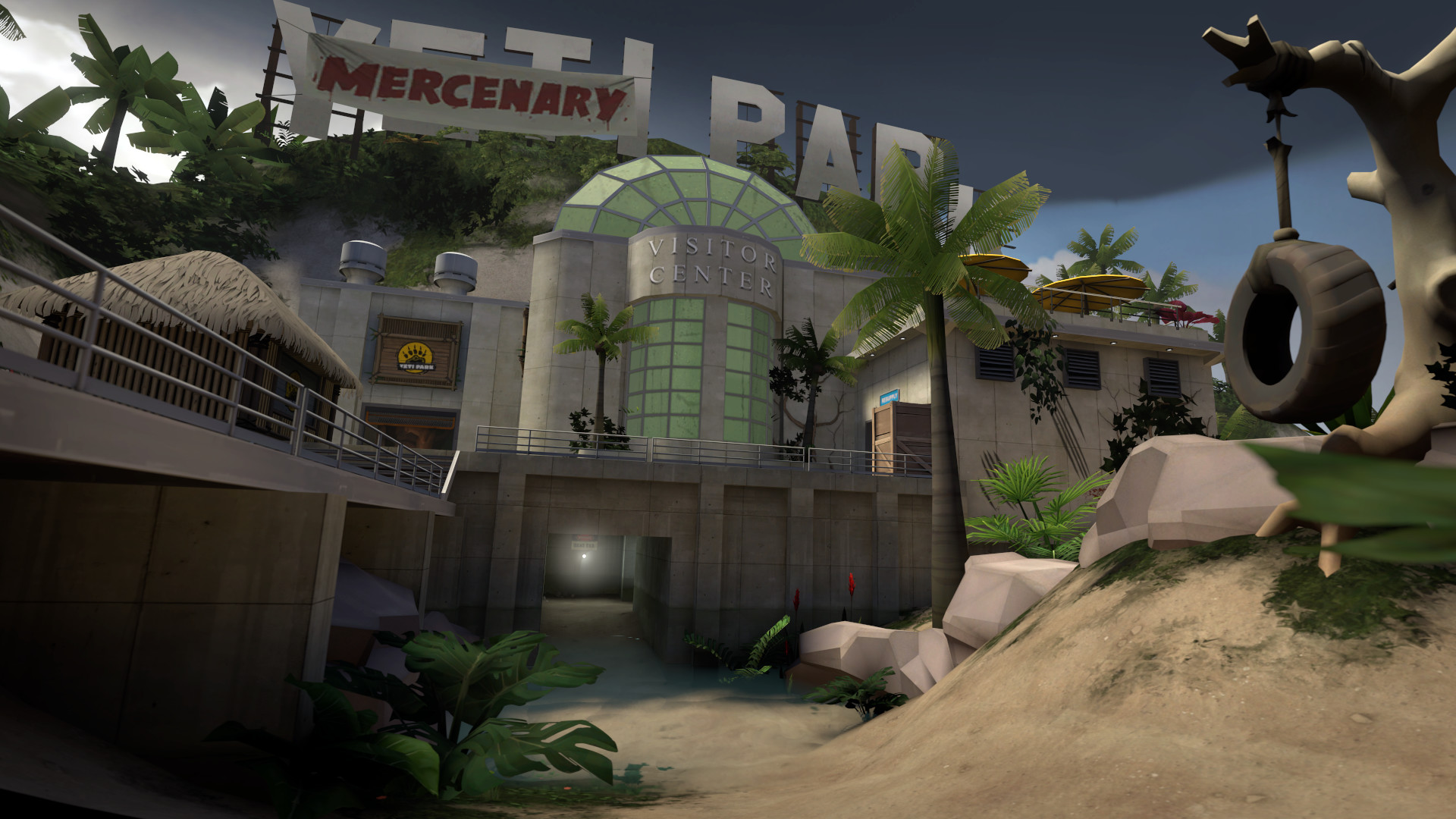
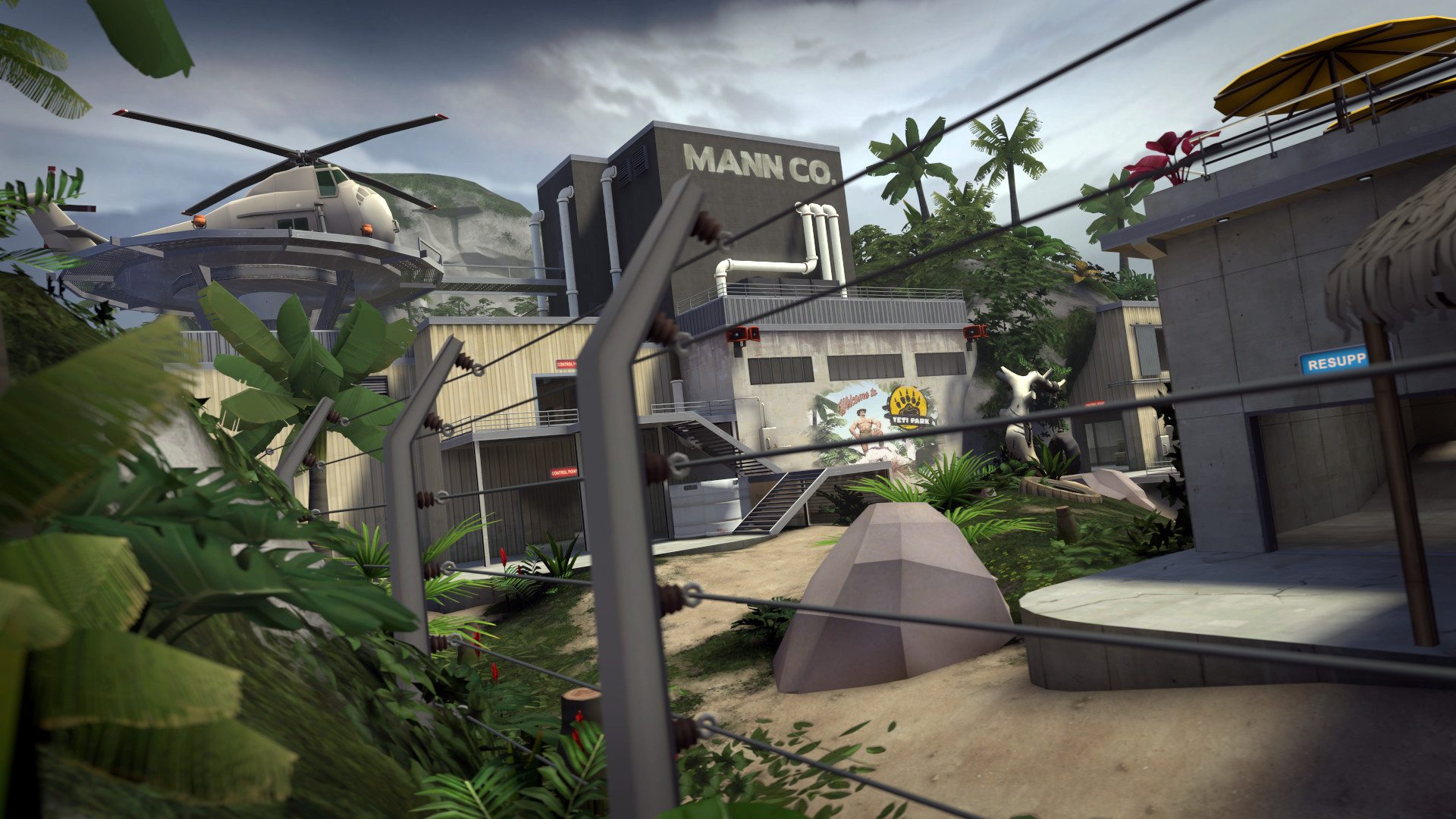
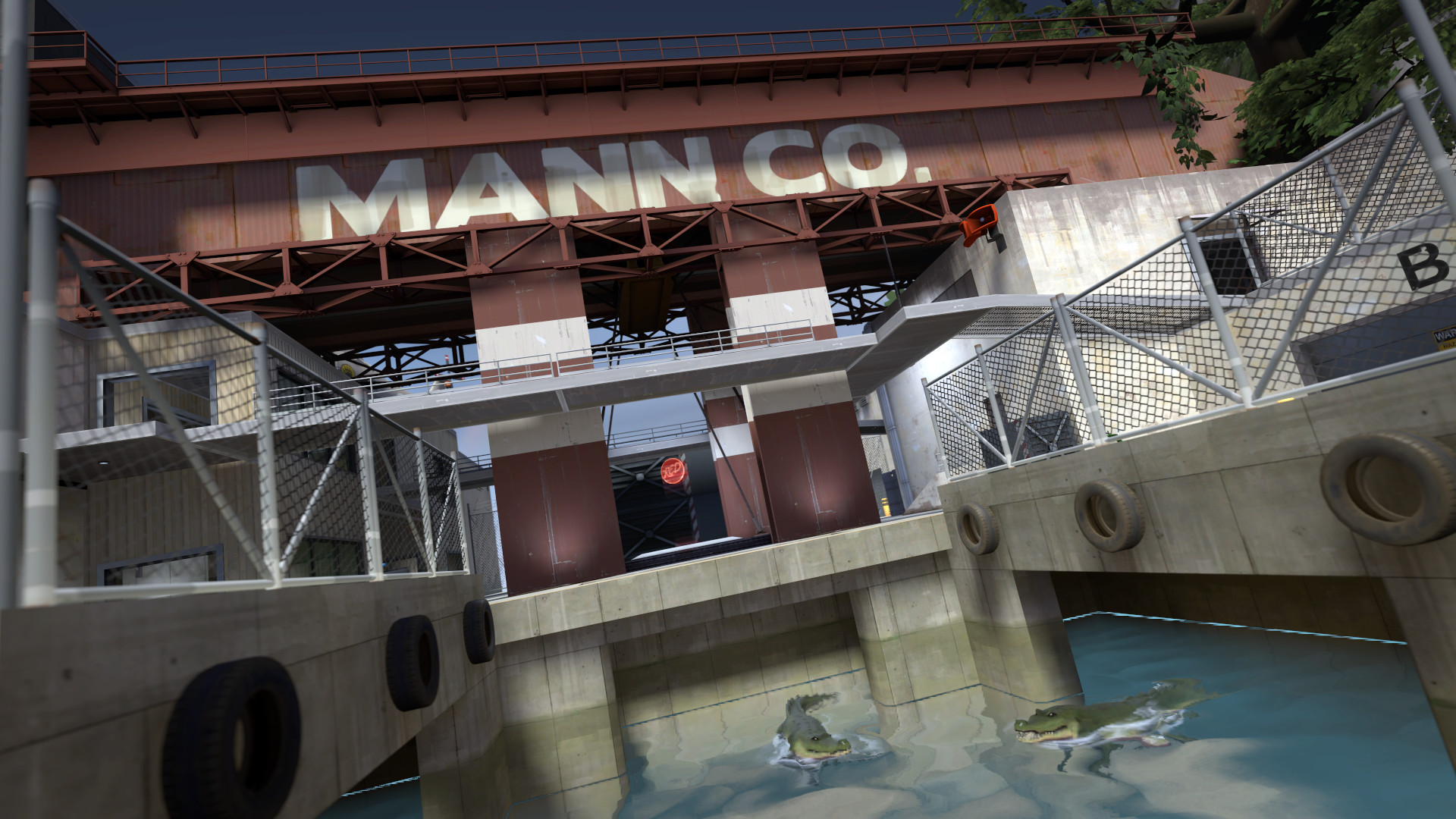
What makes Team Fortress 2’s atmosphere singular isn’t its cartoonish art or class-based shooter roots—it’s the deliberate, joyful erosion of coherence. You don’t play to win; you play to witness the system fail beautifully. The game runs “great even on a laptop”, but its soul lives in the lag-smeared betrayal of a Heavy who is, in fact, a Spy—again, again, again—until the distinction between deception and devotion blurs. It makes you feel giddy, disoriented, seen, and mocked, all at once. It doesn’t ask you to believe in lore or stakes—it asks you to believe in the shared hallucination of a lobby that collectively agrees, for six minutes, that yes, the Pyro is definitely a god, and also definitely a duck, and also definitely holding hands with the Engineer under the intel room. There’s no irony here—only sincerity dressed in glitter and grenades. The community isn’t “gay, racist, sexist, gay, artistic, gay, furries, and love men” as contradiction—it’s polyphonic, unedited, vibrating at too many frequencies at once. That’s not toxicity—it’s density. A live wire humming with too much life to ground.
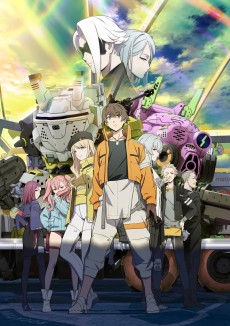
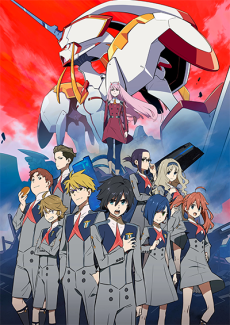
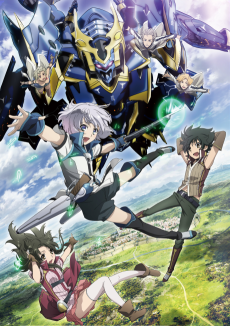
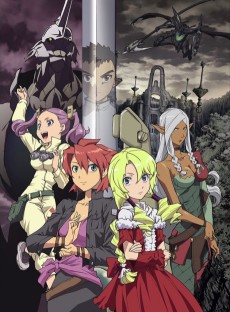
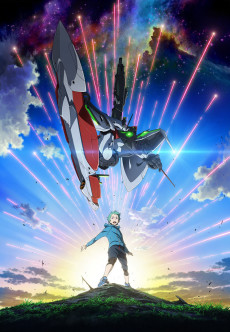
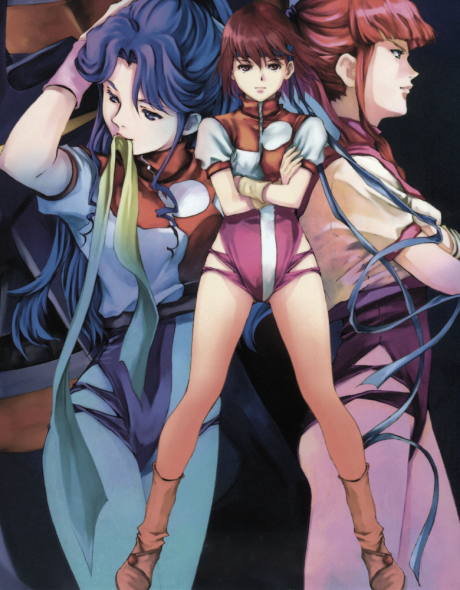
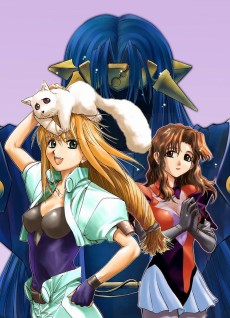
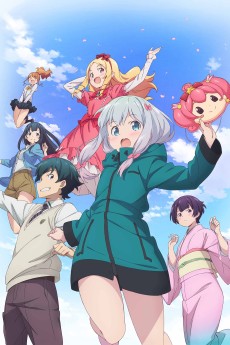
That same voltage crackles through Gridman Universe, where kaiju battles double as high-school theater rehearsals and mecha cockpits open into anime convention floors—tactical warfare fused with comedy & parody until genre itself becomes a costume you try on, discard, and wear backwards. Like TF2’s classes, Gridman’s pilots don’t just pilot—they perform, and the line between mission objective and meme is drawn in eyeliner and duct tape. Then there’s Re:CREATORS, where characters from manga, games, and light novels crash into our world—not to conquer, but to argue about narrative rights, to duel with fanfiction logic, to treat canon like a hat you can swap mid-fight. Its mecha & military sci-fi framework is just scaffolding for something far more tender and unstable: the collective act of making meaning together, badly, loudly, and without permission. And Cross Ange: Rondo of Angel and Dragon—yes, with its aerial dogfights and political betrayals—lands hardest because it weaponizes tactical warfare as emotional choreography: every formation break, every dropped sword, every shouted confession mid-barrage mirrors TF2’s “whole lobby fights each other aga…” moment—not as failure, but as relational grammar. Here, combat isn’t about victory—it’s how characters touch when language fails.
Who loves this? Not just fans of shooters or mecha. It’s the person who saves screenshots of their Steam chat after a 2fort conga, not for the killfeed—but for the typo-riddled, caps-locked, emotionally unhinged poetry of “THE BIG CHEESE APPROVES”. It’s the viewer who watches Knights of Sidonia’s silent, drifting spacewalks and feels less lonely than during its loud, clashing battle sequences—because both TF2 and Sidonia understand that survival & crafting isn’t about building ships or sentries—it’s about building a shared syntax, however broken, however glitter-drenched. It’s the one who hears “excellent homosexual gameplay tho” not as provocation, but as recognition: that joy, desire, rage, and absurdity aren’t separate notes—they’re the same chord, struck hard, over and over, until the whole room starts humming along.
→149 Anime That Match the Vibe
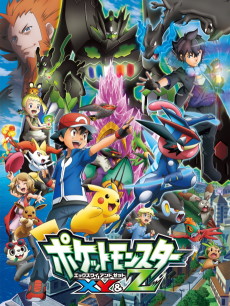
Connected through 3 aesthetic dimensions.
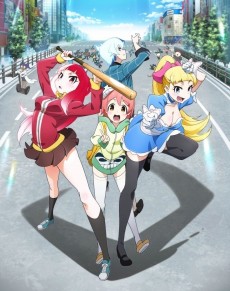
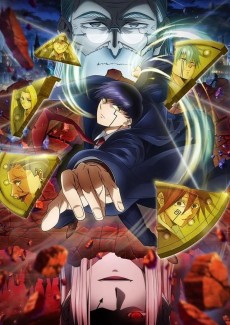
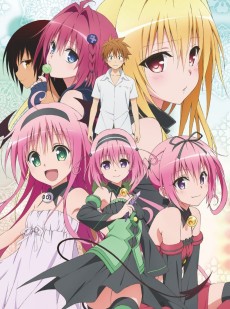
Connected through 2 aesthetic dimensions.
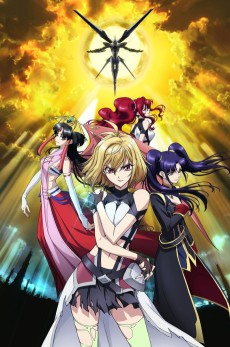
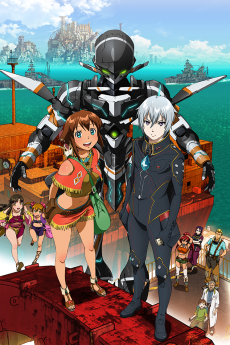
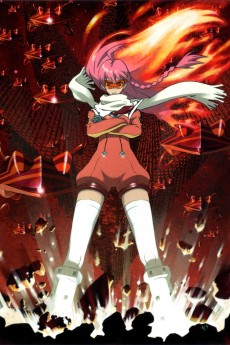
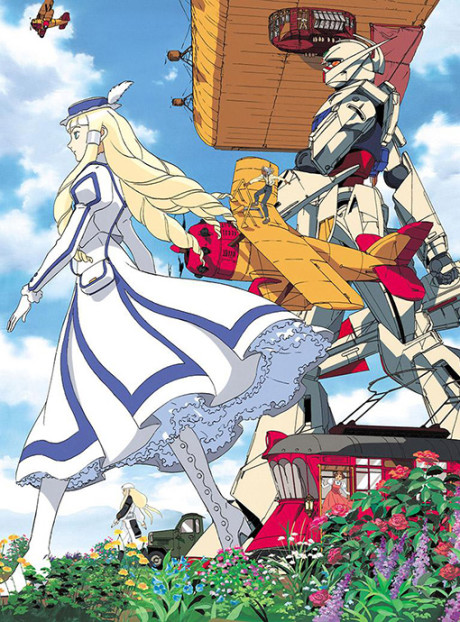
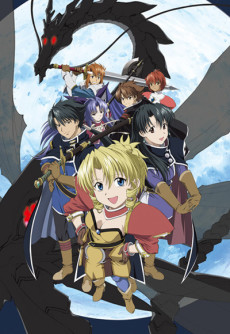
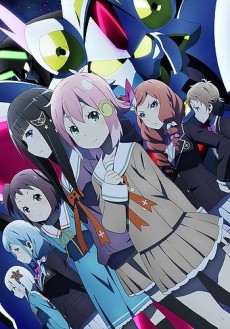
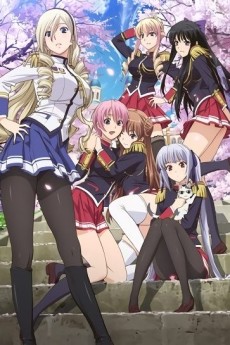
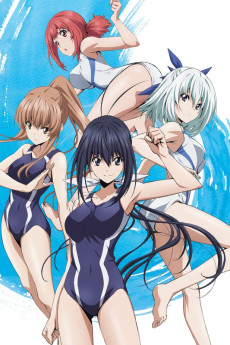
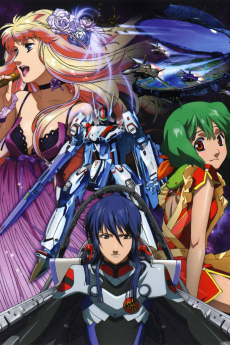
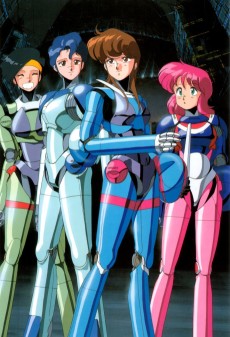
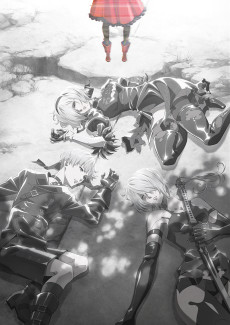
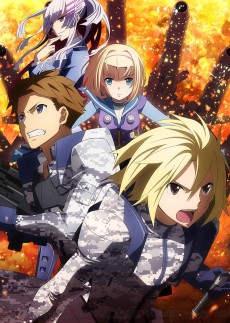
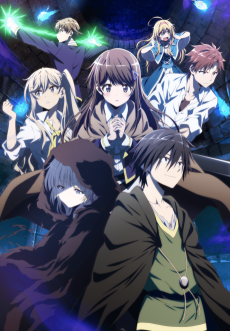
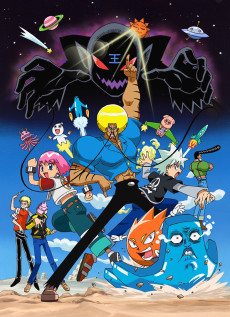
Angelise’s humiliating public stripping of royal status mirrors Scout’s perpetual underdog swagger—both weaponize absurdity to deflect trauma. Where TF2’s chaotic payload pushes parody into tactical warfare, Cross Ange’s mecha dogfights escalate with the same cartoonish physics and over-the-top class-based roles (e.g., Ange’s “rare unit” status echoing Heavy’s niche dominance). Their shared comedy isn’t just tonal—it’s structural: military sci-fi rigor bent until it snaps into farce.
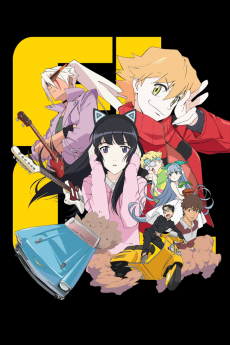
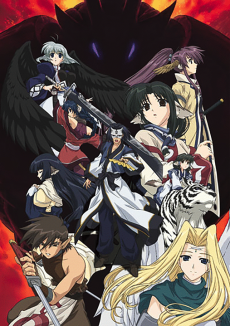
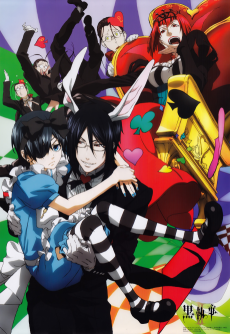
Connected through 2 aesthetic dimensions.
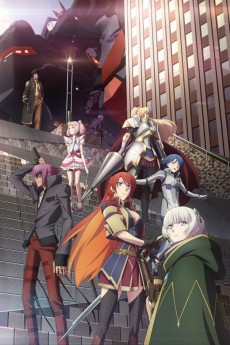
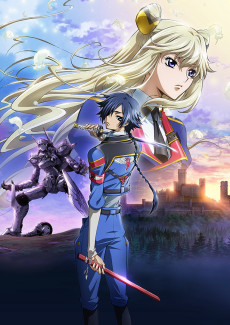
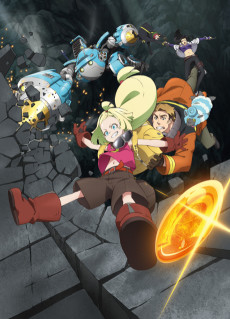
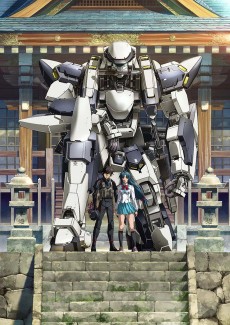
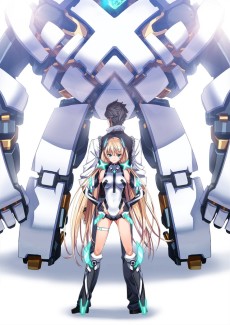
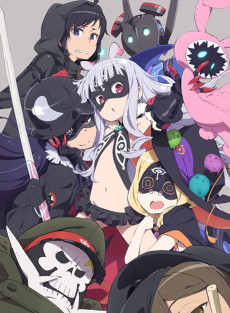
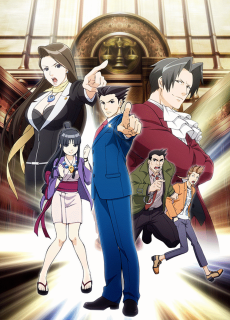
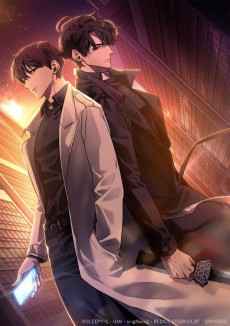
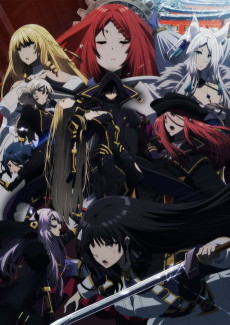
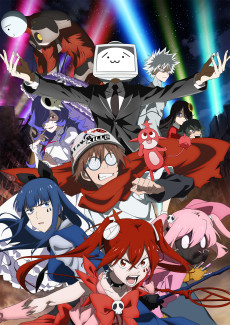
What if a cartoonish pyro’s flamethrower blast—suddenly framed in *Re:CREATORS*’s stark, mecha-infused courtroom scene—became evidence of narrative sovereignty? Both weaponize absurdity: TF2’s hat-obsessed chaos and *Re:CREATORS*’s escalating military sci-fi thriller treat parody not as relief but as ideological armor. That shared 😂 Comedy & Parody dimension lets them pivot from slapstick to existential stakes without breaking tone—making the resonance deeply structural, not just superficial.
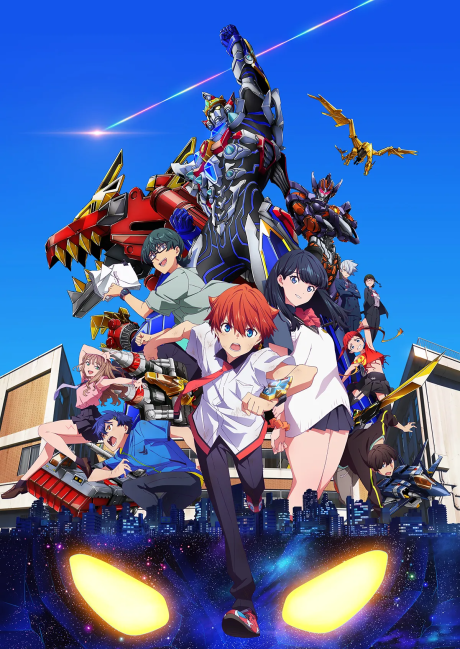
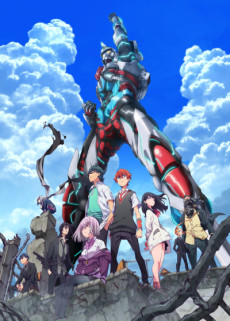
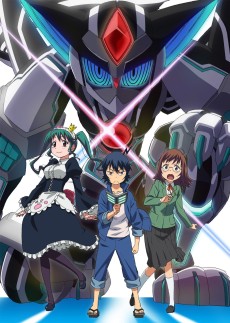
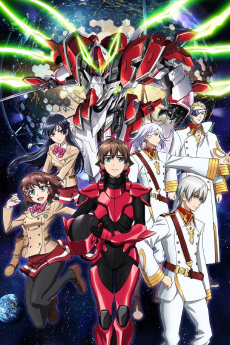
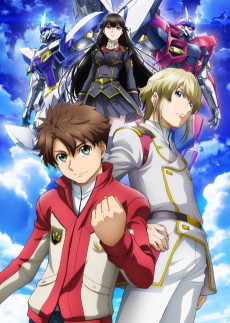
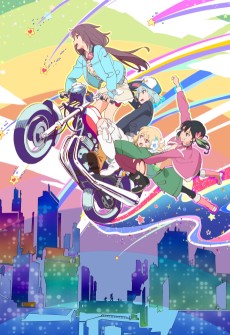
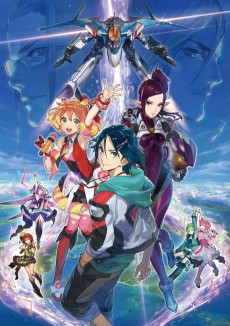
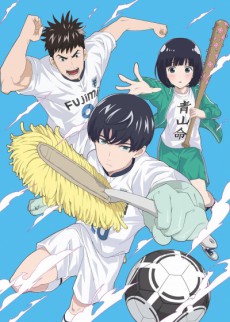
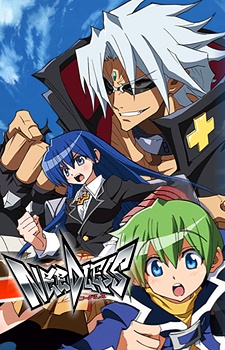
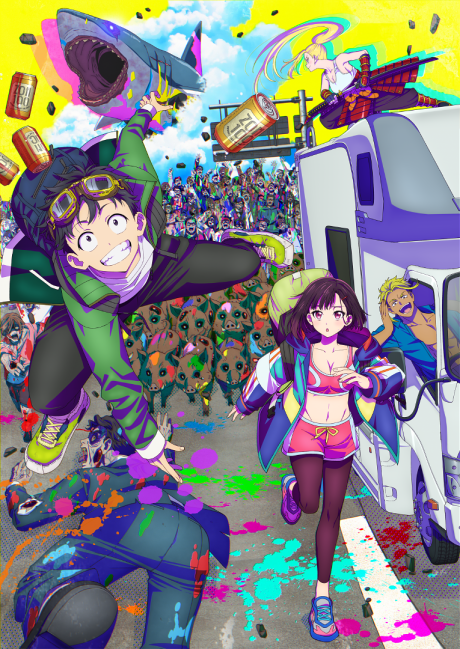
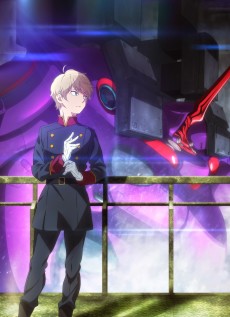
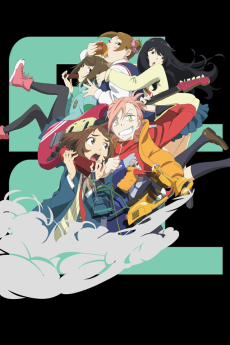
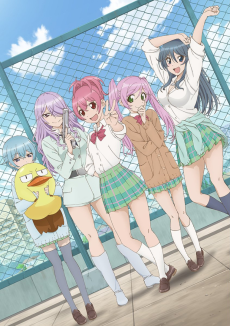
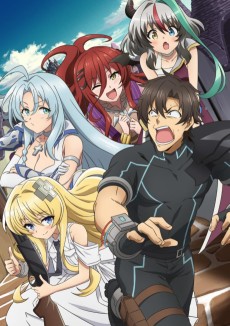
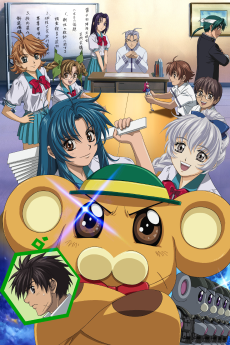
Rikka’s deadpan delivery while adjusting her headset mirrors Scout’s manic energy mid-rocket-jump—both weaponize absurdity to defuse tension. Unlike most mecha fare, *Gridman Universe*’s theatrical film leans into military sci-fi parody with self-aware mech choreography that winks at TF2’s nine-class tactical chaos and hat-based identity politics. This resonance isn’t coincidence: both treat combat as collaborative farce where personality *is* the payload.
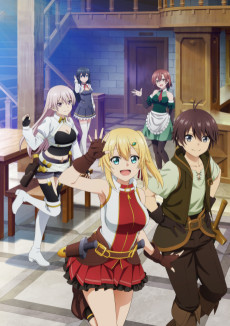
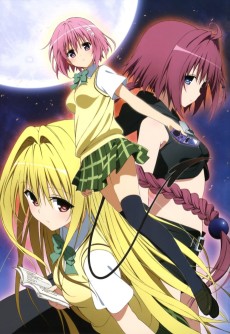
Connected through 2 aesthetic dimensions.

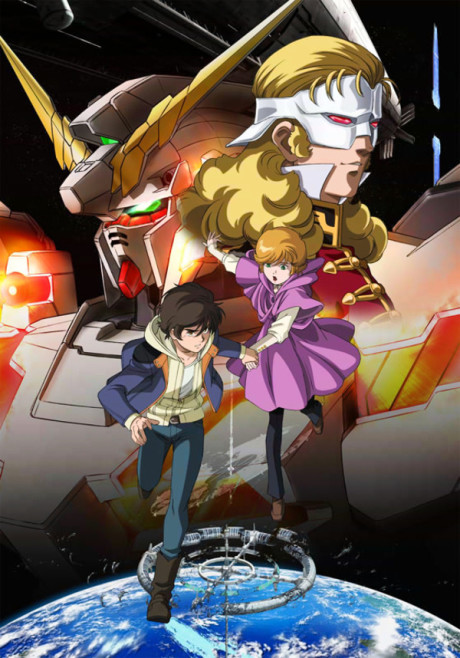
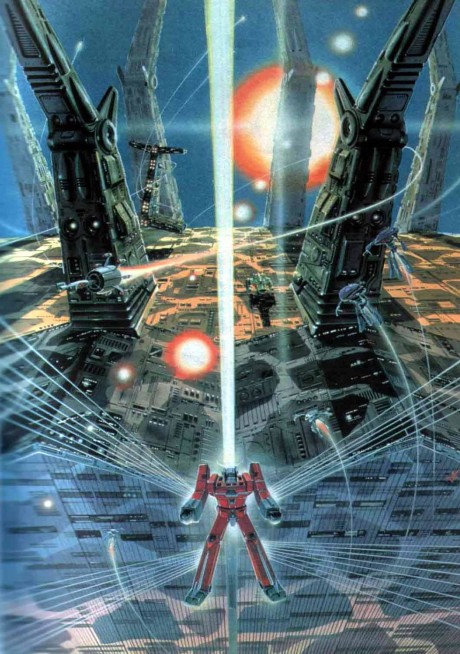
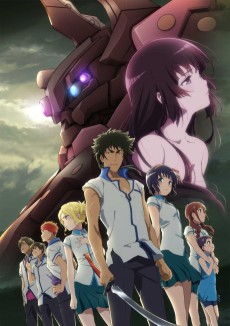
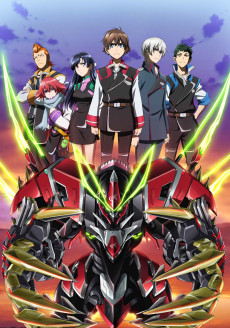
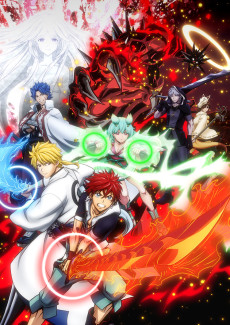
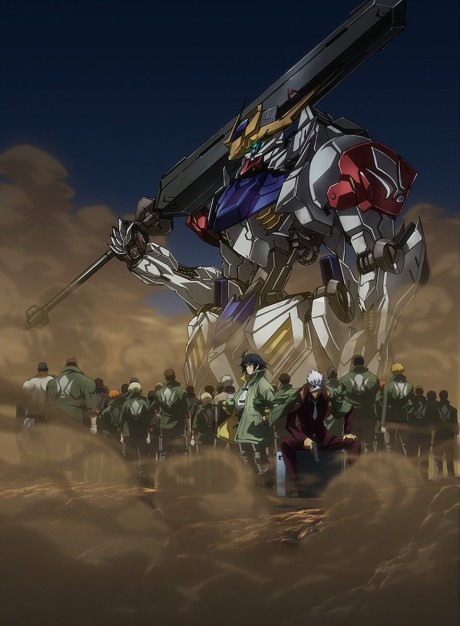
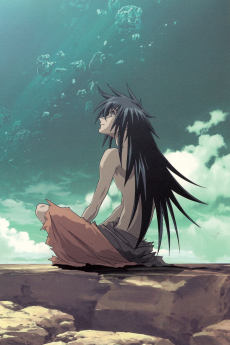
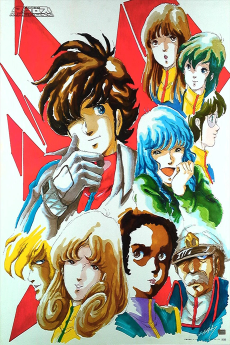
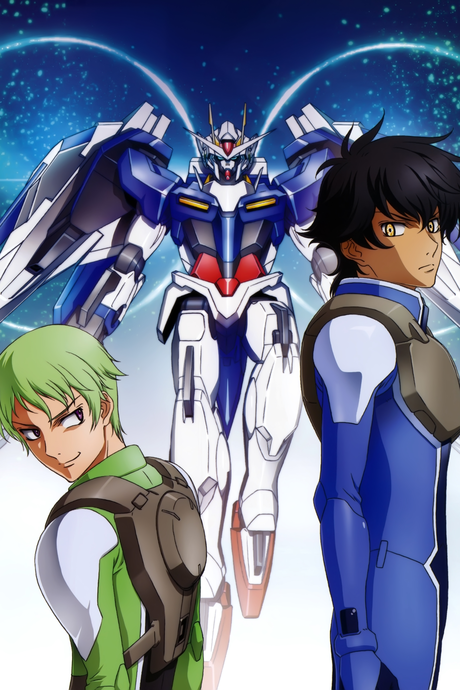
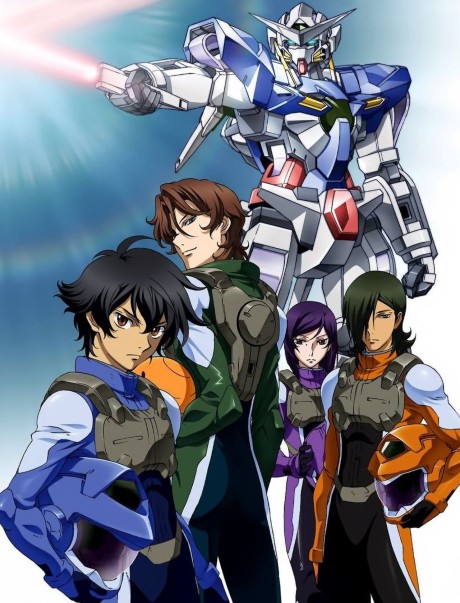
Ryoma Nagare’s grim reunion with Benkei and Hayato—scarred, distrusted, and thrust into a biomechanical hellscape—mirrors the Heavy’s weary loyalty amid TF2’s chaotic, hat-fueled absurdity. Unlike most mecha or team shooters, both weaponize military sci-fi not for clean heroism but for fractured camaraderie forged in survival and makeshift adaptation. That shared dimension—*Survival & Crafting*—makes their resonance startling: one patches Getter Robo’s failing systems mid-battle while the other swaps miniguns for wrenches and scrap metal hats.
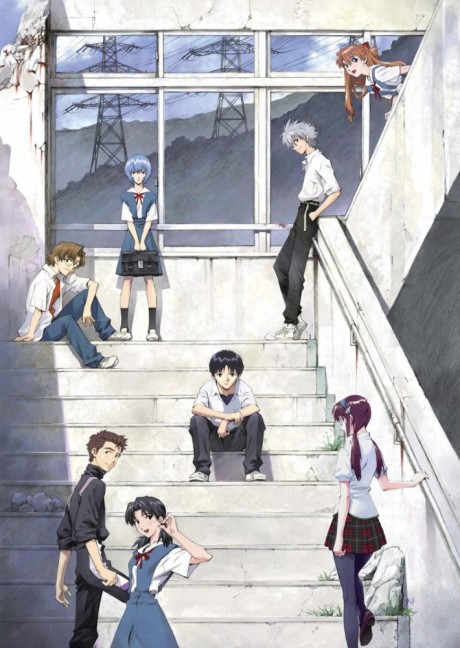
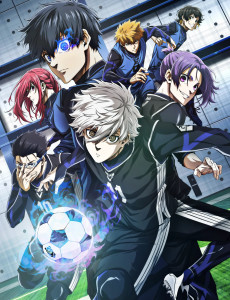
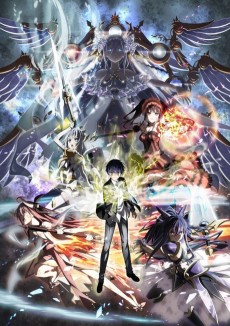
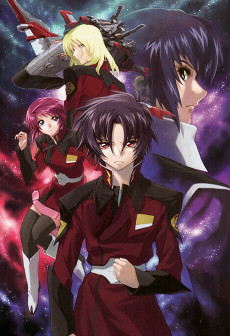
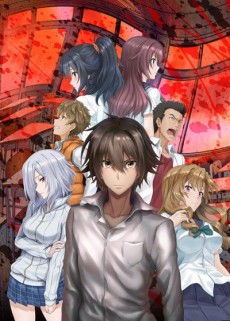
Shinji’s trembling hands gripping the Eva-01 controls mirror Heavy’s sweaty grip on his minigun—both confront existential dread through absurdly oversized hardware. Unlike most mecha or shooter media, *Evangelion: 2.0* and *TF2* weaponize comedy to fracture trauma: Shinji’s breakdowns cut against slapstick Angel disintegrations, while Scout’s frantic yelps punctuate chaotic payload pushes. This shared **Tactical Warfare** irony—where survival hinges on coordination yet collapses into personality-driven chaos—makes their tonal whiplash not a flaw, but a precise, darkly human calibration.
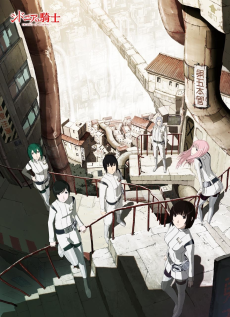
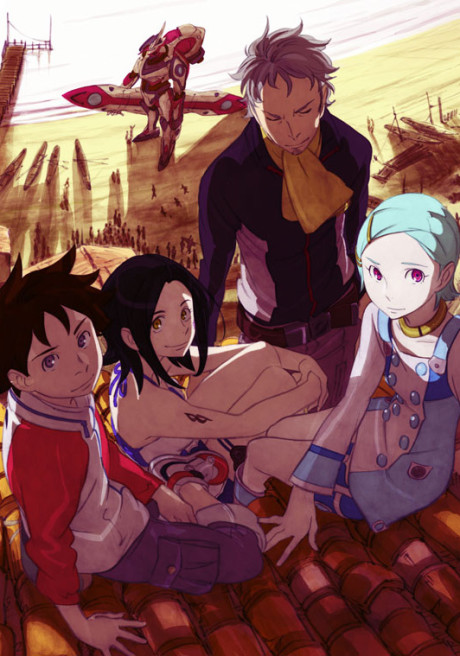
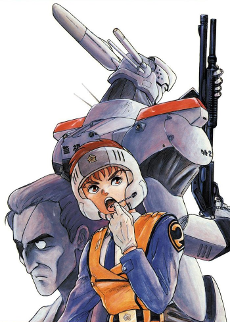
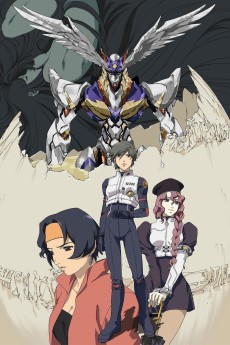
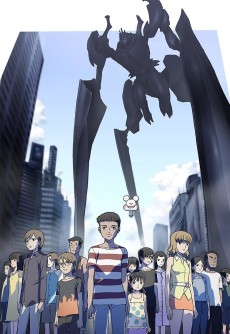
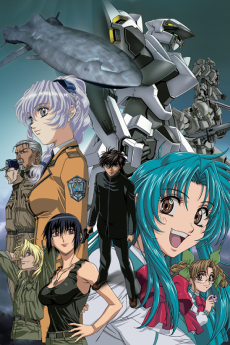
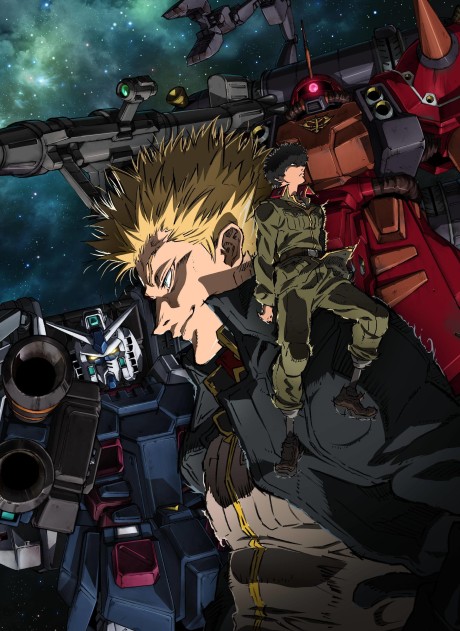
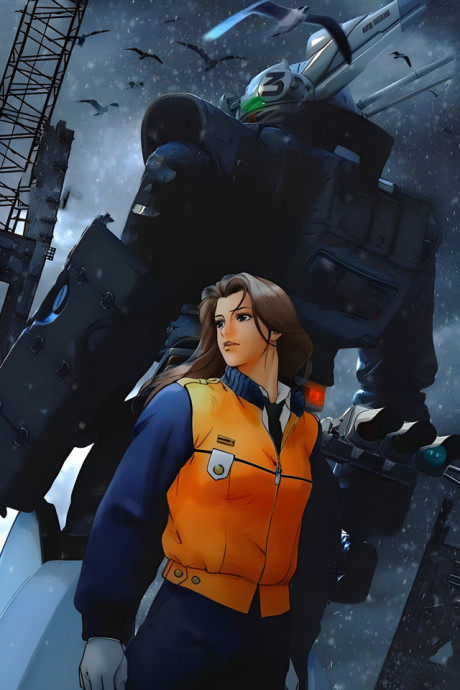
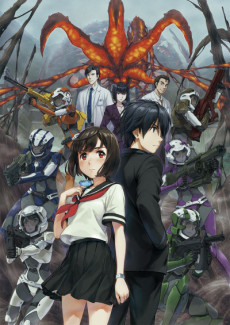
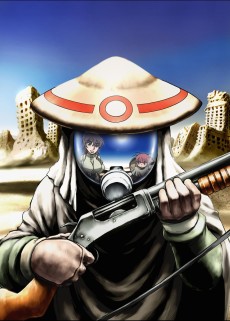
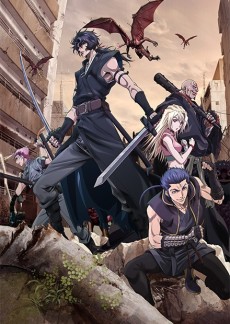
A battered, jury-rigged Sidonia maintenance bot—welding torch sputtering in zero-G—mirrors the Engineer’s sentry gun humming to life amid rubble in Dustbowl. Where TF2’s nine classes embody tactical specialization through absurdly distinct loadouts and personalities, *Knights of Sidonia*’s crew operates like a living class roster: Nagate’s adaptive piloting, Tsumugi’s sensor mastery, and Hoshijiro’s brute-force mecha combat all echo TF2’s **Tactical Warfare** DNA—but grounded in desperate, claustrophobic survival. That shared tension—between chaotic improvisation and rigid military sci-fi structure—makes their resonance startlingly precise, not just thematic but *mechanical*.










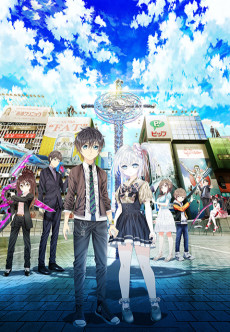
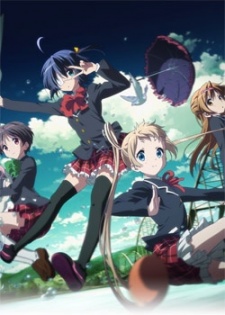
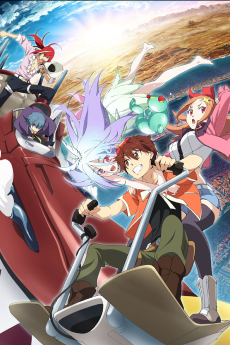











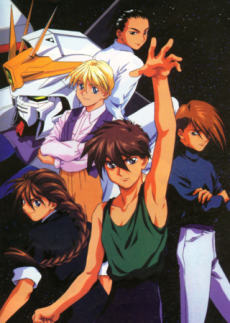
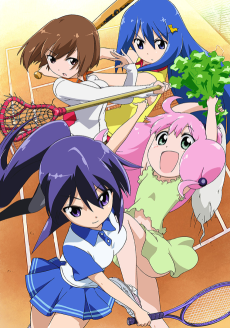


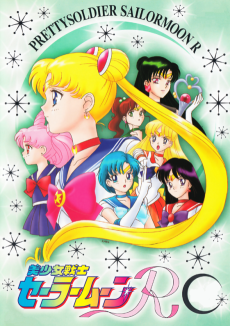

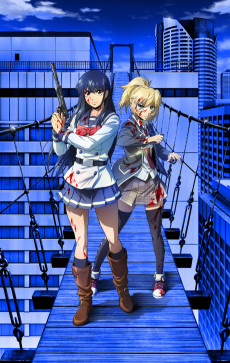








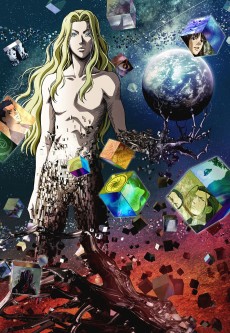


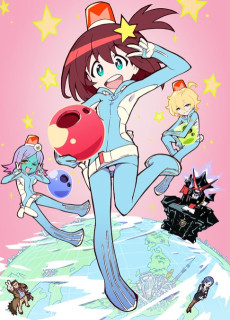
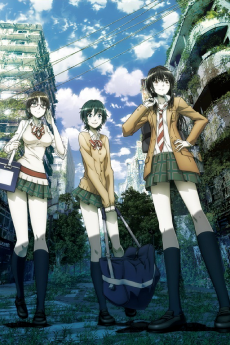
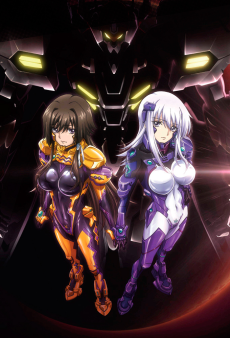
Match Dimensions Explained
❓Frequently Asked Questions
Why does Gridman Universe feel so much like playing TF2 with mechs?
Because just like TF2’s nine distinct classes, Gridman Universe gives you wildly different pilots and kaiju—like Akane’s hyper-competent yet deadpan Gridman vs. Rikka’s chaotic, improv-heavy Chrome Falcon—each with unique tactical roles and absurdly over-the-top personalities. The show even mirrors TF2’s ‘conga’ energy: that scene where the entire cast accidentally syncs up to destroy a monster while yelling nonsense? Pure 2fort lobby chaos.
Is there an anime adaptation of Team Fortress 2 itself?
No official anime adaptation exists—but Cross Ange: Rondo of Angel and Dragon is basically what TF2 would look like if Valve licensed it to Sunrise. Ange’s squad has nine core pilots (Ange, Tusk, Salia, etc.), each with class-coded combat styles—Tusk’s tanky, slow-charging melee is pure Heavy, while Salia’s sniper precision and dry one-liners scream Sniper—and the whole thing runs on escalating absurdity, hats-as-status-symbols, and constant faction infighting like a 2fort conga gone interstellar.
How accurate is Re:CREATORS compared to TF2’s vibe?
Dead-on for the ‘gay, artistic, furries, and love men’ energy—especially in how characters weaponize personality over power. Mira’s flamboyant swordplay and theatrical taunts mirror Scout’s cocky speed and voice lines, while Sota’s earnest, hat-obsessed devotion to his creations feels like a wholesome, canon version of the Big Cheese approving everything. It’s not about realism—it’s about identity-first combat, exactly like TF2’s ‘all 9 mercs are equally as gay’ ethos.
What’s the best anime like TF2 if I want chaotic team fights and zero chill?
Knights of Sidonia—hands down. Think of Nagate’s rookie mistakes triggering a full-squad miscommunication during the Gauna swarm assault (episode 13), or the entire bridge crew screaming over each other mid-battle like a 2fort lobby after ‘heavy is spy’ hits critical mass. It’s got Tactical Warfare mechanics (real-time evasion windows, limited ammo, class-like pilot roles), plus that same ‘log in → join fight → immediate friendly fire’ adrenaline rush—just with more mecha and less conga (but honestly, the Gorgon dance sequence is close).