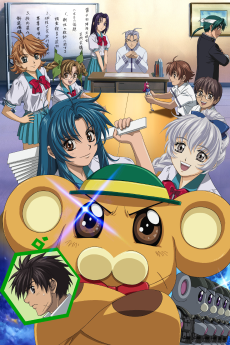
Full Metal Panic? Fumoffu
It's back-to-school mayhem with Kaname Chidori and her war-freak classmate Sousuke Sagara as they encounter more misadventures in and out of Jindai High School. But when Kaname gets into some serious trouble, Sousuke takes the guise of Bonta-kun - the gun-wielding, butt-kicking mascot. And while he struggles to continue living as a normal teenager, Sousuke also has to deal with protecting his superior officer Teletha Testarossa, who has decided to take a vacation from Mithril and spend a couple of weeks as his and Kaname's classmate.
(Source: Anime News Network)
📺Anime Details
📝Editorial Analysis
The cafeteria at Jindai High explodes—not with gunfire, but with Kaname’s voice, sharp as a snapped ruler, as Sousuke—still wearing his ill-fitting Bonta-kun mascot suit, helmet askew, one foam paw clutching a thermos of miso soup—tries to “neutralize” a rogue lunch tray using Mithril-grade tactical assessment. His radio crackles: “Target is non-hostile. Repeat: non-hostile. It is lunch.” He pauses. Tilts his head. The foam ear flops sideways. Kaname grabs the thermos. The tray clatters. Someone laughs—nervous, disbelieving, utterly alive in that absurd, suspended second where war training and teenage reality collide like mismatched puzzle pieces.
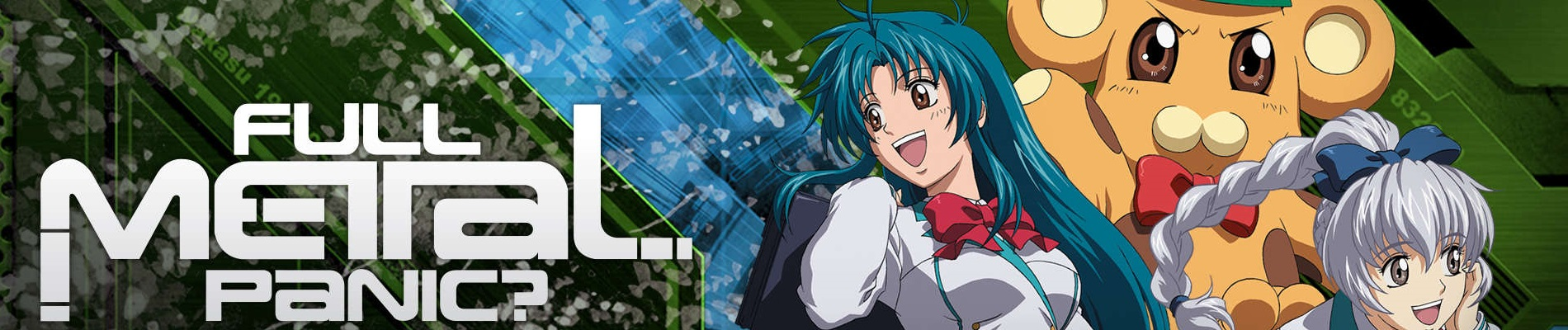
That’s the feeling: delicate imbalance. Not chaos for its own sake, but the constant, breathless tension between two irreconcilable logics—one forged in desert firefights and encrypted comms, the other in pop quizzes and stolen glances over bentō boxes. Full Metal Panic? Fumoffu doesn’t soften Sousuke’s military rigidity; it amplifies it by dropping him into contexts where his instincts are catastrophically, hilariously wrong. You don’t laugh at him—you laugh with the sheer, fragile relief of watching something rigid bend without breaking, of seeing sincerity weaponized as slapstick, of romance blooming not despite the absurdity, but through it, like stubborn weeds cracking concrete. It’s warm, deeply human, and precisely calibrated—every gag lands because the emotional stakes (Kaname’s exasperation, Sousuke’s quiet devotion, the unspoken fear beneath the farce) are real, even when the situation involves a delinquent gang mistaking Bonta-kun for a rival mascot cult leader.
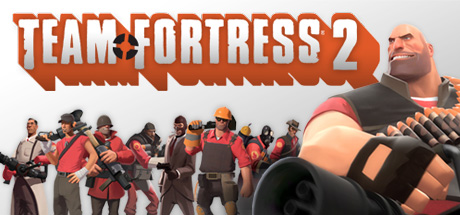
That same delicate imbalance hums in Team Fortress 2. Its nine classes aren’t just roles—they’re walking, talking, hat-obsessed paradoxes: the Medic healing while cackling about “übercharging” allies into temporary invincibility, the Pyro setting friends ablaze with cheerful, muffled giggles, the Soldier launching himself skyward on rocket-jump physics that defy every law except fun. Like Sousuke analyzing cafeteria acoustics before attempting a stealthy rice-ball retrieval, TF2’s tactical warfare is filtered through pure, unhinged parody. The player review nails it: “love it. The community is gay, racist, sexist, gay, artistic, gay, furries, and love men.” That messy, contradictory, defiantly alive energy—the collision of serious mechanics (flanking, class synergy, map control) with surreal, character-driven nonsense—is pure Fumoffu DNA. It’s strategy dressed in clown makeup, competence wrapped in glorious, intentional failure.
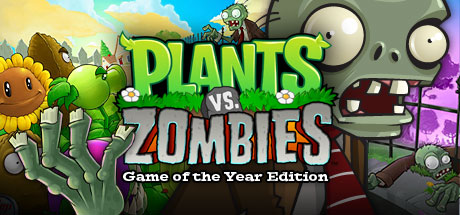
Then there’s Plants vs. Zombies GOTY Edition, where the apocalypse arrives via lawn gnomes and disco-dancing zombies, and your defense is a sunflower that photosynthesizes while a pea-shooting plant fires tiny green projectiles. The description says it outright: “Zombies are invading your home, and the only defense is your arsenal of plants!” It’s the ultimate escalation of domestic absurdity—turning the mundane (a suburban yard) into a surreal, brightly colored warzone governed by its own goofy, internal logic. Just like Sousuke treating Kaname’s locker as a potential hostile entry point or deploying reconnaissance drones (a.k.a. borrowed hamsters in tiny vests) to track her after-school route, PvZ weaponizes the ordinary until it feels strangely inevitable. The player review’s frustration—“EA and brapcap don’t even know how to remaster 2009 2d mobile games without bloating filesizes…”—mirrors Fumoffu’s own gentle mockery of over-engineered seriousness; both thrive in the space where earnest effort meets inherent, charming ridiculousness.
And Just Cause 2? “Dive into an adrenaline-fuelled free-roaming adventure with 400 square miles of rugged terrain and hundreds of weapons and vehicles.” Its entire existence is a love letter to consequence-free escalation: grapple-hooking onto a tank, then yanking it off a cliff while firing rockets mid-air, all set against a backdrop of palm trees and improbable explosions. Sousuke’s Bonta-kun rampages—leaping from rooftops in foam armor, deploying smoke pellets during a bake sale, interpreting Kaname’s sigh as a distress signal requiring immediate, over-the-top intervention—share that same gleeful, physics-defying commitment to the bit. The review calls it “a fun b-movie game with lots of stunts and explosions”—exactly the tonal sweet spot where Fumoffu lives: high-stakes feeling, low-stakes outcomes, wrapped in relentless, affectionate parody.
This pairing isn’t for the casual observer. It’s for the person who cries laughing when Sousuke tries to flirt using a field manual, who spends twenty minutes in TF2 perfecting a Spy disguise only to immediately get headshotted, who plants a cherry bomb next to a zombie just to watch the cartoonish explosion, who jumps off a mountain in Just Cause 2 purely to see if their parachute opens just right. It’s for those who find profound comfort in the sincerity within the silly—who understand that the most human moments often arrive disguised as utter, beautiful nonsense.
🎮14 Games That Match the Vibe

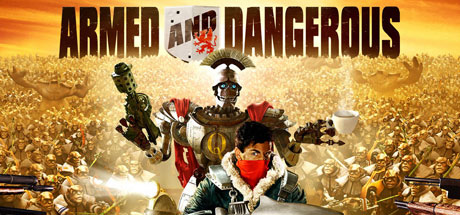
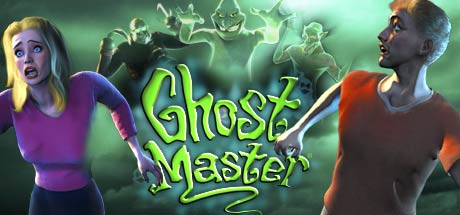

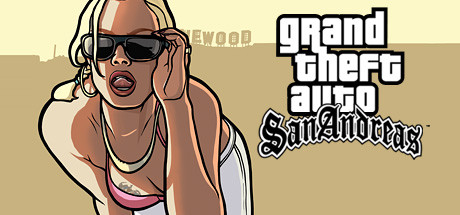
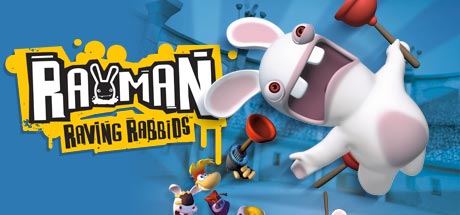
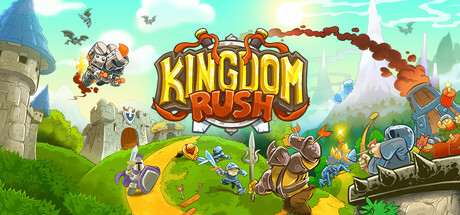
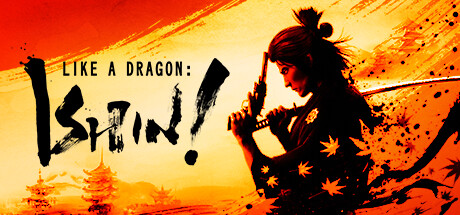
Match Dimensions Explained
❓Frequently Asked Questions
Why does Team Fortress 2 feel so much like Fumoffu’s tone and pacing?
Because TF2 nails Fumoffu’s exact brand of chaotic, character-driven parody—think Melfi’s deadpan snark meeting Heavy’s absurdly over-the-top bravado, or the Spy’s constant, flustered lying mirroring Sousuke’s disastrously literal interpretations of social cues. The maps (like Dustbowl or 2Fort) even echo Fumoffu’s school-and-suburb backdrops, but turned into slapstick warzones where a single rocket jump can send you flying mid-argument—just like when Sousuke accidentally launches himself off the roof trying to 'secure the perimeter' during lunch.
Is there a Full Metal Panic? Fumoffu video game adaptation?
No—there’s never been an official Fumoffu game adaptation. But Ghost Master® is the closest spiritual cousin: you play as an unseen, mischievous force manipulating civilians in Gravenville, just like how Fumoffu treats the entire cast as unwitting pawns in Sousuke’s increasingly unhinged 'tactical operations'. When you possess a gremlin to sabotage a teacher’s coffee maker while he lectures on 'proper conduct', it’s pure Fumoffu energy—deadpan chaos with zero consequences.
How is Just Cause 2 different from Armed and Dangerous® if both are tactical parody games?
Armed and Dangerous® leans hard into absurdist, fourth-wall-breaking satire—the Lionhearts constantly mock their own quest, like when Gristle sighs 'We’re fighting robots *again*? Did nobody read the manual?'—very Fumoffu’s self-aware classroom gags. Just Cause 2, meanwhile, swaps irony for gleeful, physics-defying spectacle: Rico’s grappling hook yanking a tank into a volcano isn’t mocking tropes—it *is* the trope, dialed to 11, like Sousuke deploying a grenade launcher to stop a runaway bicycle.
What’s the best game like Fumoffu if I want that 'awkward school comedy meets military farce' vibe?
Plants vs. Zombies GOTY Edition—seriously! Think about it: your lawn is the high school courtyard, sunflowers are the oblivious teachers, and zombies shuffling in slow-mo with traffic cones on their heads? That’s literally Fumoffu’s 'zombie apocalypse' energy—absurd stakes, zero real danger, and every battle feels like Sousuke trying to 'defend' the cafeteria line with a toaster. Even the peashooter’s repetitive *pew-pew* mimics his over-engineered, comically ineffective solutions to minor problems.