Grand Theft Auto: San Andreas
Five years ago Carl Johnson escaped from the pressures of life in Los Santos, San Andreas... a city tearing itself apart with gang trouble, drugs and corruption. Where filmstars and millionaires do their best to avoid the dealers and gangbangers. Now, it's the early 90s. Carl's got to go home.
🎮Game Details
💬What Players Say
"[h2]tl;dr[/h2] ah ♥♥♥♥, here we go again ... timeless open-world masterpiece packed with insane freedom, detail, and personality [h2]Overview[/h2] Grand Theft Auto: San Andreas follows Carl “CJ” Johnson as he returns to Los Santos after his mother’s death. What starts as a personal visit quickly turns into a full-blown rise through the criminal underworld, spanning multiple cities and regions...."
"GOATed radio stations, def the best in the series and prob never gonna be topped. SA pushed the boundaries of GTA's gameplay in every way possible, RPG mechanics, prop interactions, fully seamless map... it's crazy how many of that deep, slow-burn content got totally gutted in the sequels just to cater to shorter attention spans...."
"Grand Theft Auto: San Andreas Review — 21/10 One of the best games ever made. From the tutorial to the ending, it’s just awesome. Maybe it’s nostalgia, maybe the game really is that good — probably both...."
📝Editorial Analysis
The first time you pull up to Grove Street in the rain—tires hissing on wet asphalt, Radio Los Santos bleeding static and Snoop Dogg’s voice curling through the cracked window—you’re not just back in Los Santos. You’re back in your own past. That’s the gut-punch of Grand Theft Auto: San Andreas: five years gone, a city fraying at the seams, and Carl “CJ” stepping off the bus like he’s walking into a memory he tried to outrun. The official description nails it: “a city tearing itself apart with gang trouble, drugs and corruption.” Not abstract chaos—tearing. Real, ragged, bodily. And the player reviews? They don’t praise mechanics first—they praise feeling: “ah ♥♥♥♥, here we go again…”, “timeless open-world masterpiece packed with insane freedom, detail, and personality”, “21/10… maybe it’s nostalgia, maybe the game really is that good — probably…”. That hesitation—maybe, probably—is the emotional signature. It’s not just joy or triumph. It’s recognition. A shiver when the bass drops on K-JAH West, when CJ’s mom’s voice echoes in a flashback, when the map unfolds seamless and sun-bleached and heavy with consequence.
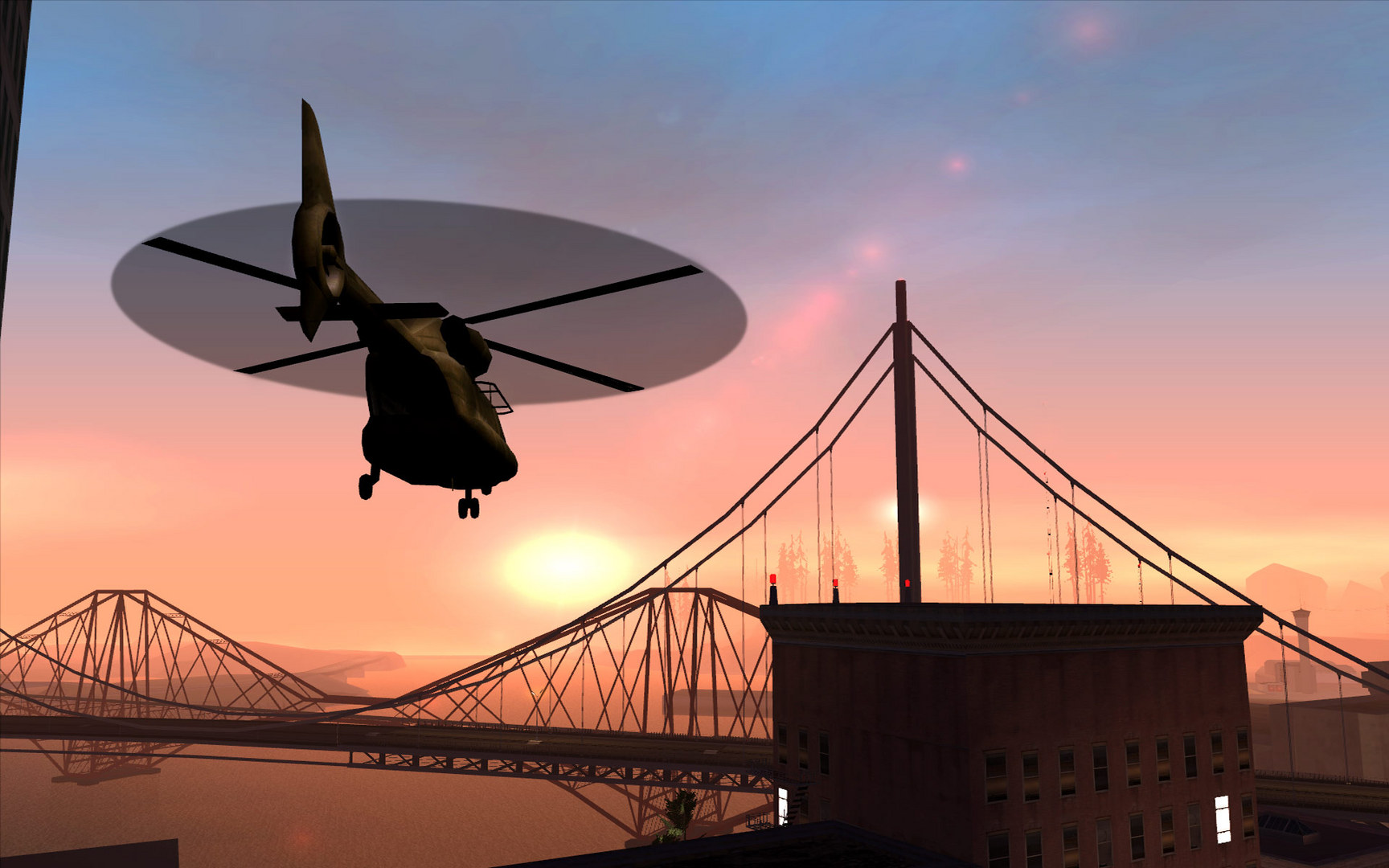
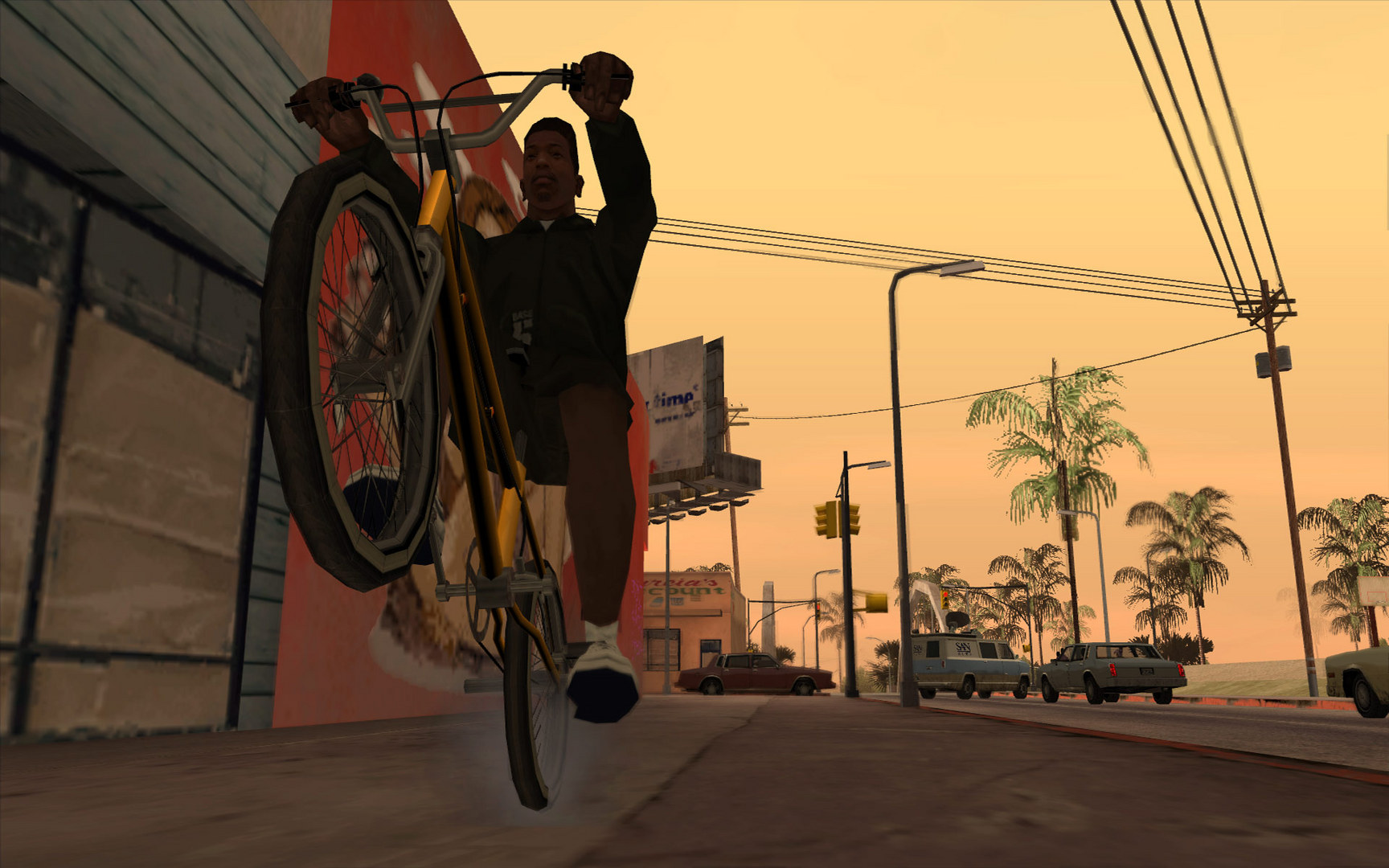
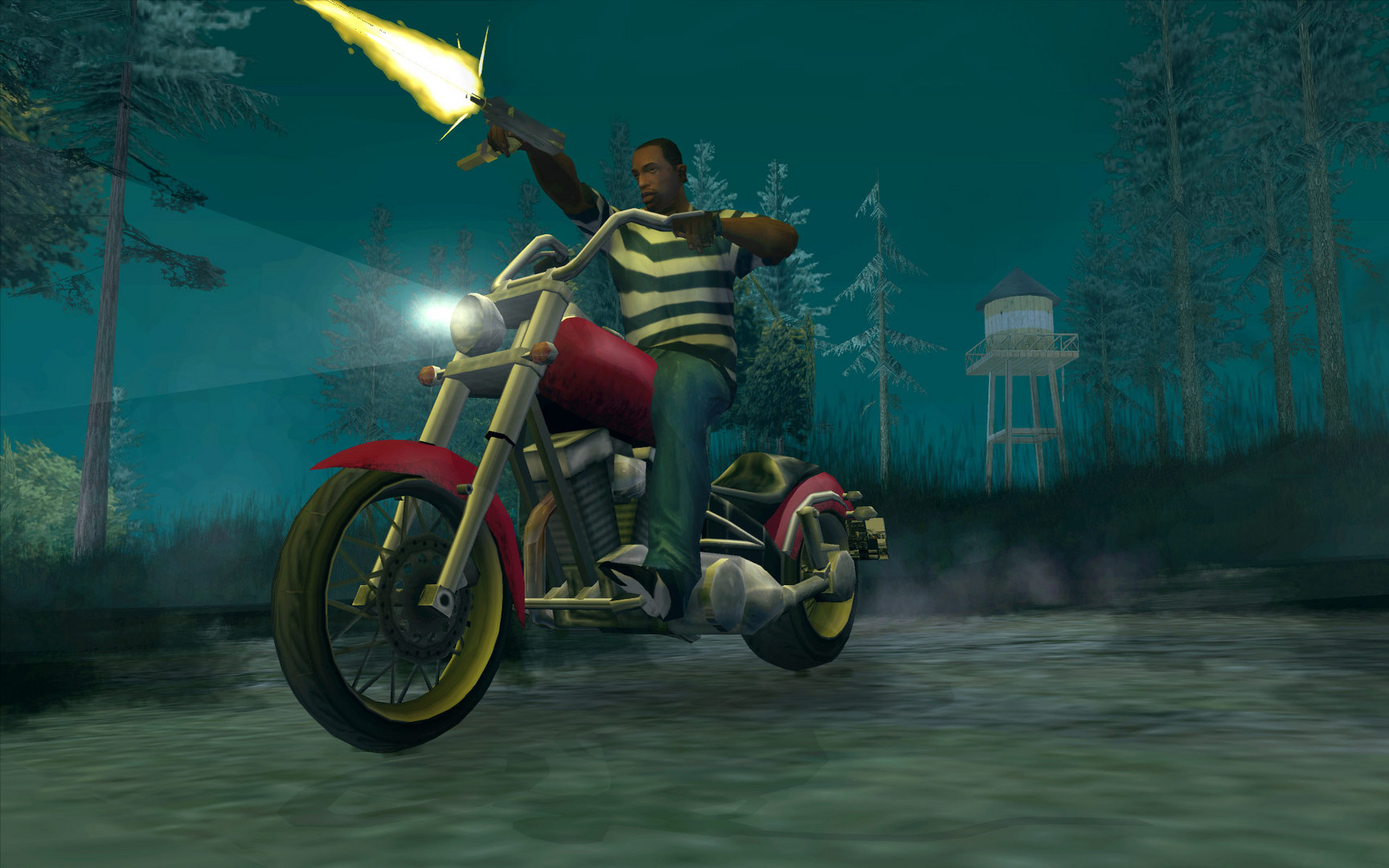
What makes Grand Theft Auto: San Andreas vibrate at this frequency isn’t its open world—it’s how that world breathes. It’s the weight of legacy: every graffiti tag, every rival gang’s territory line, every radio DJ’s offhand comment about “the old days” presses down like humidity before a storm. It’s neon noir not as aesthetic but as atmosphere—glittering surfaces over rot, streetlights reflecting in puddles full of cigarette butts and broken glass, filmstars sipping champagne while sirens wail three blocks over. It’s deeply adult, not for shock value, but for its refusal to simplify loyalty, grief, or systemic betrayal. And yet—it’s funny. Not slapstick, but wry, lived-in, absurd: CJ doing lunges in the gym, getting scolded by his parole officer while holding a chicken, the sheer ridiculousness of flying a jetpack over Mount Chiliad. That tonal duality—gritty and goofy, traumatic and tactically playful—is the core emotional DNA. It doesn’t ask you to choose between sincerity and satire. It insists you hold both, simultaneously.
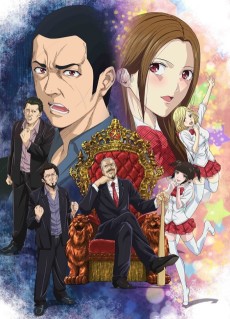
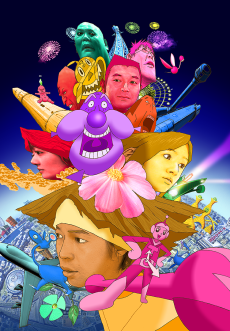
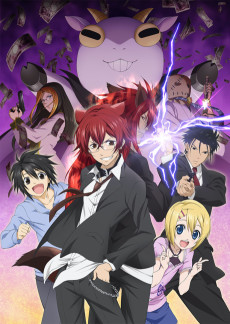
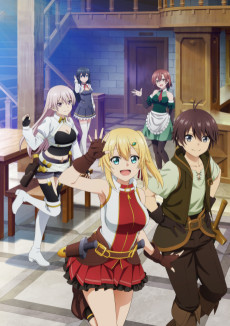
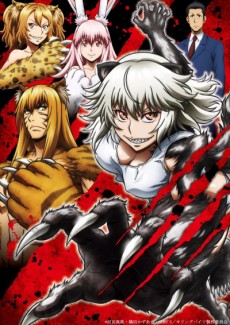
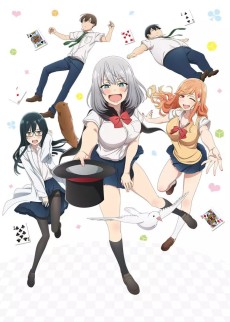
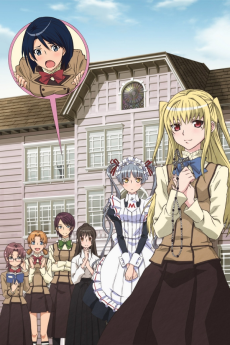
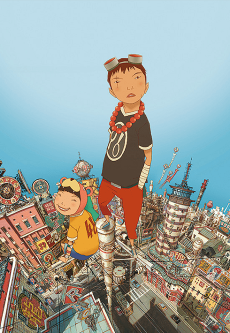
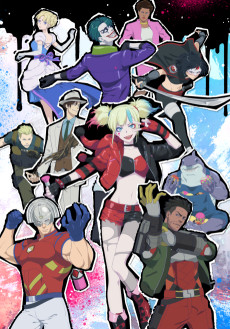
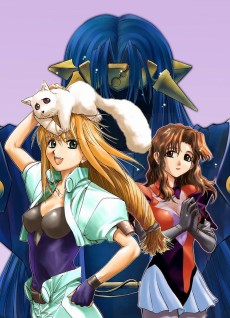
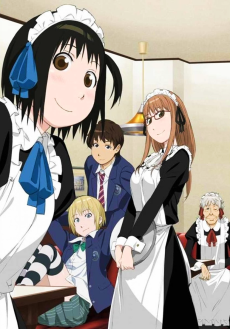
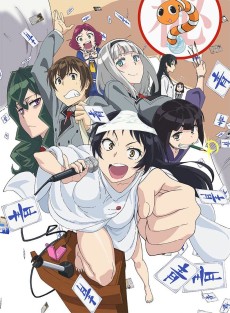
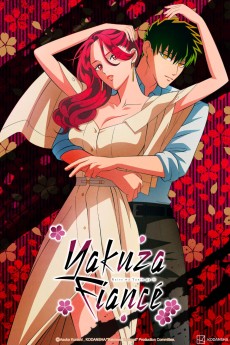
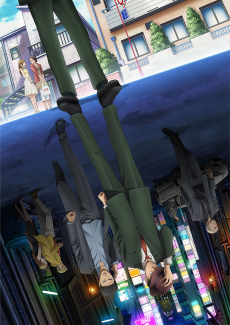
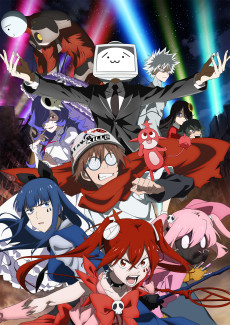
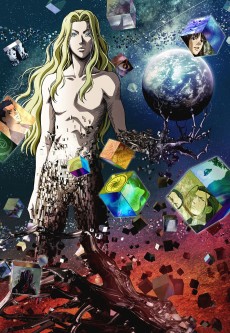
That exact tension lives in MARRIAGETOXIN, where tactical warfare unfolds amid parody so sharp it draws blood—and yet the neon-drenched cityscapes feel like they’d flicker under the same smoggy LA sunset as San Andreas. Its Neon Noir isn’t mood lighting; it’s moral ambiguity rendered in electric pink and bruised violet, just like CJ navigating a deal that could save Grove Street or bury it deeper. Then there’s Paprika, whose Adult & Dark Seinen layer cuts deep—not with gore, but with the quiet horror of eroded identity, of dreams colonized by systems bigger than you. Like CJ remembering his brother’s last words while staring at a billboard advertising “New Los Santos,” Paprika makes you feel the weight of being watched, manipulated, rewritten—by gangs, by cops, by your own memories. And Akiba Maid War? Pure Tactical Warfare meets Comedy & Parody, where maid outfits double as tactical gear and every coffee shop skirmish feels like a turf war scaled down to cosplay size—but the Neon Noir is unmistakable: glittering arcades hiding surveillance, cheerful jingles masking desperation, the same exhausted, we’re-all-faking-it-to-make-it energy CJ radiates after a 3 a.m. drive-by.
This pairing isn’t for people who want clean allegories or tidy morals. It’s for the ones who laugh while their chest tightens—who recognize the absurdity of putting on a suit to negotiate with a corrupt cop, then pause mid-sentence because the radio just played a song from their childhood. It’s for players who replay Grand Theft Auto: San Andreas not to “win,” but to sit on that hilltop overlooking Ganton, listening to K-Rose, watching the fog roll in off the ocean, feeling the ache of home as both sanctuary and sentence. It’s for viewers who watch SPY x FAMILY’s grocery run escalate into a silent ballet of espionage and parental panic—and smile, not because it’s light, but because it’s true: life is that layered, that precarious, that vibrantly, messily human. These aren’t stories about heroes conquering worlds. They’re about people trying to keep their block, their family, their self intact—under neon, under pressure, under the low, steady hum of a city that never sleeps, never forgives, and somehow, impossibly, keeps playing your song.
→159 Anime That Match the Vibe

Connected through 3 aesthetic dimensions.

Connected through 3 aesthetic dimensions.

Connected through 3 aesthetic dimensions.

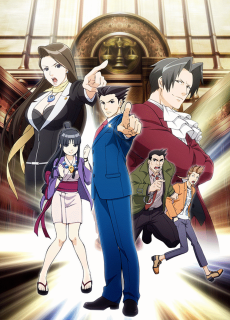
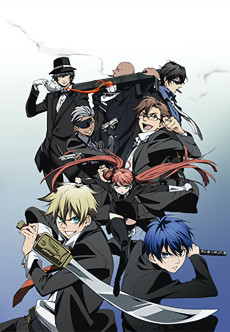
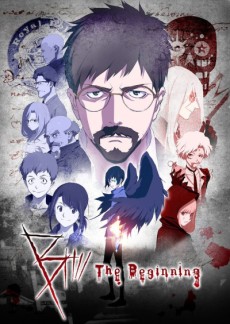
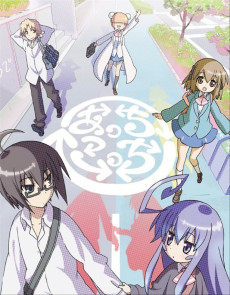
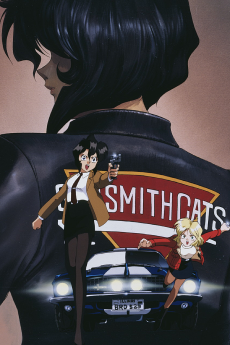
Carl Johnson’s desperate sprint through Los Santos’ rain-slicked, neon-drenched alleys mirrors Hikaru’s chaotic antidote-brewing in a poison-lab lit by flickering kanji signs—both worlds weaponize 🌃 Neon Noir to frame moral ambiguity as spectacle. Where San Andreas layers satire atop systemic collapse, MARRIAGETOXIN’s Poison Masters deploy absurd tactical warfare—like a rooftop tea ceremony that escalates into smoke-bomb romance sabotage—proving 😂 Comedy & Parody isn’t relief from stakes, but their very grammar. That friction between lethal tradition and self-aware farce makes their resonance unexpectedly sharp: decay wears sequins in both.
Connected through 3 aesthetic dimensions.

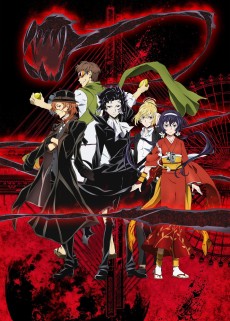
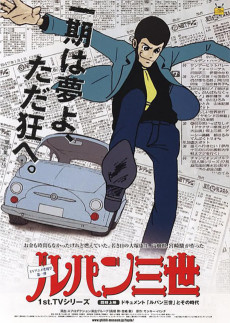
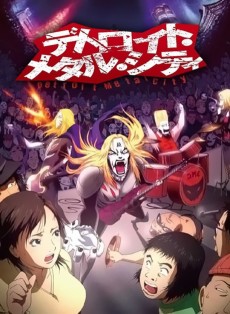
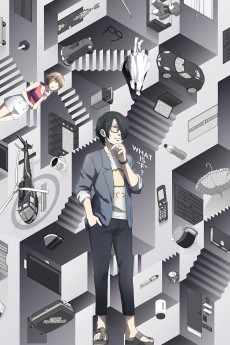
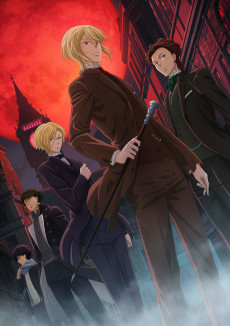
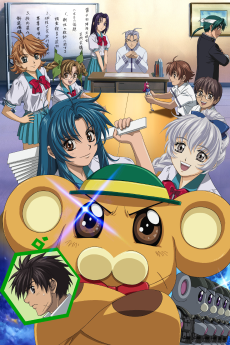
San Andreas’ crackling neon noir—where Carl’s drive-by in the Grove Street cul-de-sac bleeds into flickering TV static—meets Paprika’s surreal dream-parade where reality unravels like rewound VHS tape. 😂 Comedy & parody surface in both: CJ’s absurdly escalating gang-war satire mirrors Paprika’s carnival of distorted pop-culture archetypes, from dancing office drones to a giggling, giant parade float that *is* the subconscious made manifest. Unlike most psychological thrillers, neither flinches from the grotesque joy in collapse—making their shared darkness feel dangerously, exhilaratingly alive.
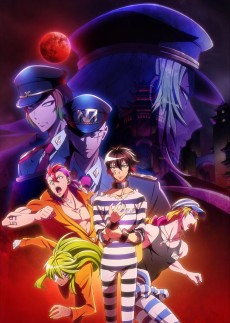
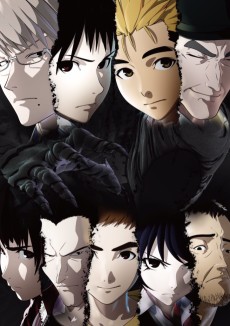
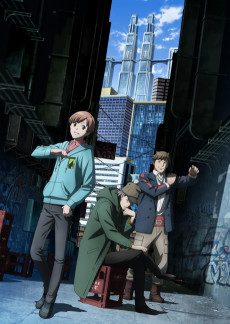
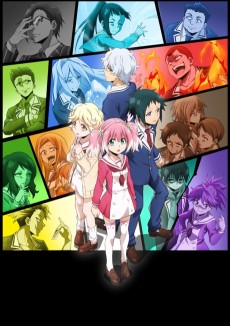
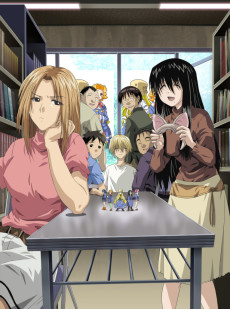
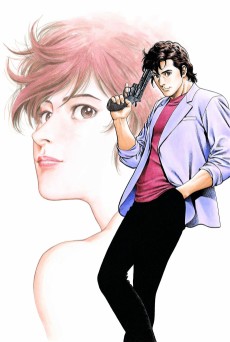
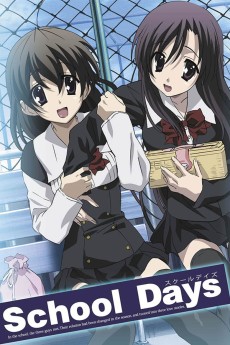
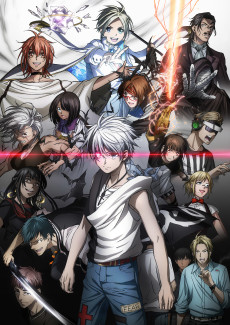
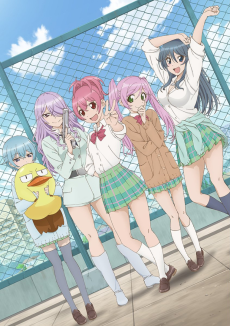
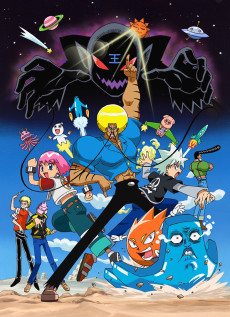
Neon-drenched irony pulses through both: Carl Johnson’s return to a fractured Los Santos mirrors Nanba Prison’s false calm before the ex-guard’s coup in *Part Two*. Where San Andreas weaponizes parody to dissect systemic rot, *NANBAKA*’s comedy—especially the inmates’ absurdly coordinated chaos—mirrors GTA’s tonal whiplash, grounding its neon noir in shared satire of institutional farce. That collision of grim setting and gleeful subversion makes their resonance startlingly precise.
Connected through 2 aesthetic dimensions.

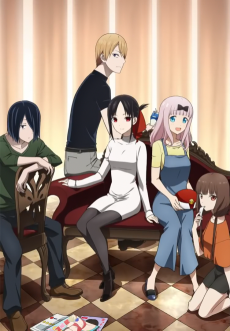
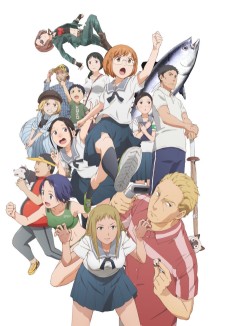
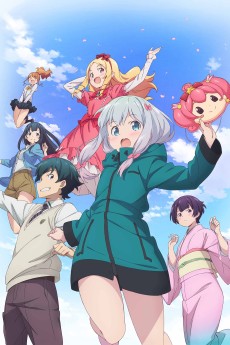
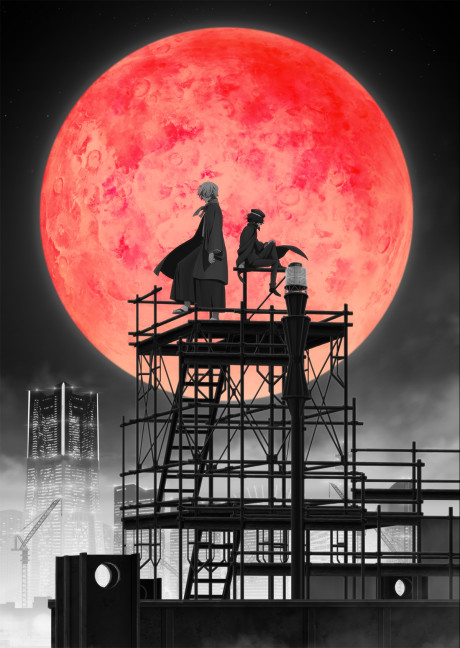
Carl Johnson’s desperate drive through neon-drenched Grove Street—radio crackling with satire—mirrors Anya’s wide-eyed, telepathic chaos during the Eden College field trip in *SPY x FAMILY* Season 2. Where tactical warfare meets slice-of-life absurdity, both weaponize 😂 Comedy & Parody to expose systemic rot: CJ dismantles corrupt cops and gangs while Loid navigates Cold War espionage with a toddler’s snack-based negotiation tactics. It’s startling how deeply their neon noir worlds lean on vulnerability masked as bravado—Carl’s grief, Anya’s fear of abandonment—turning trauma into darkly buoyant resilience.
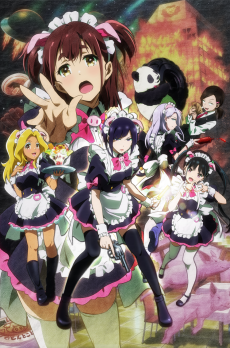
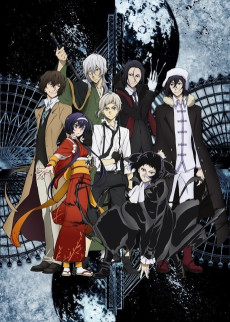
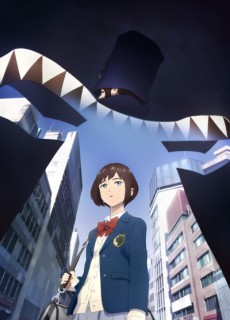
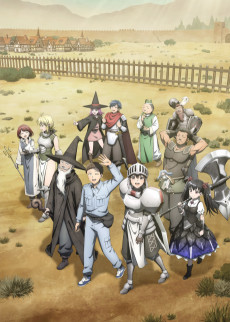
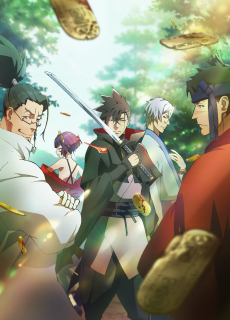
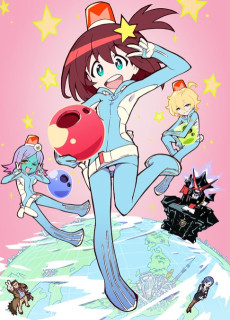
Neon-drenched alleyways pulse with the same manic energy in San Andreas’ Grove Street and Akihabara’s maid café district—where Carl’s drive-by ambushes mirror Nagomi’s synchronized mop-swing takedowns. 😂 Comedy & Parody binds them: GTA’s satirical radio ads (“K-Jah West”) and Akiba Maid War’s deadpan maid combat choreography both weaponize absurdity to expose systemic rot beneath glittering surfaces. Unlike most crime sagas, neither flinches from showing how poverty, policing, and performance trap characters in cycles they must outmaneuver—not just survive.


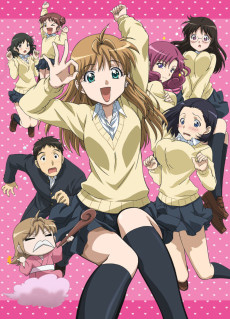
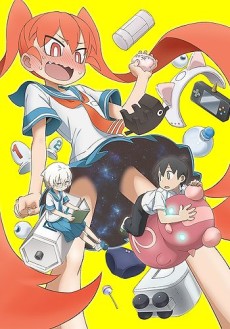
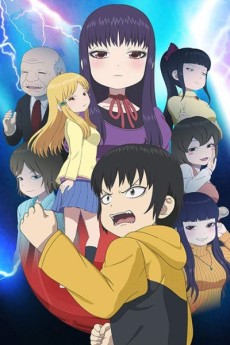





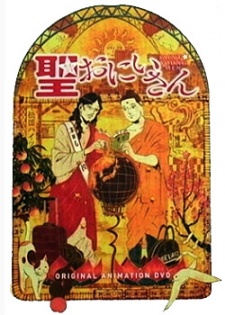








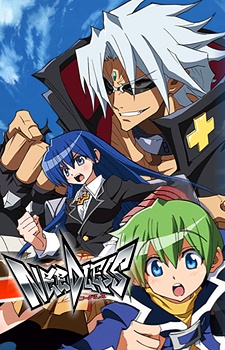
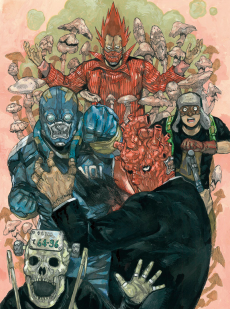
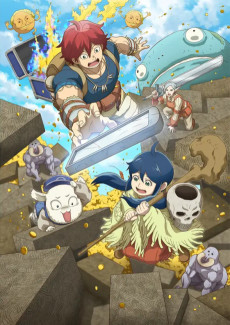























































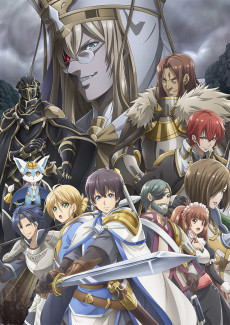
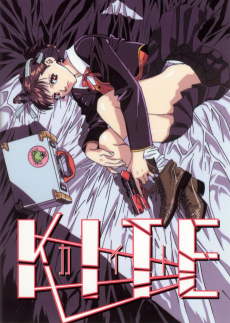
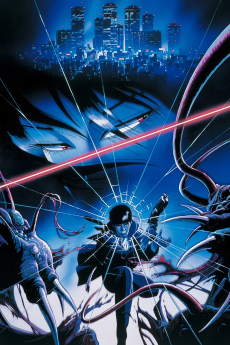
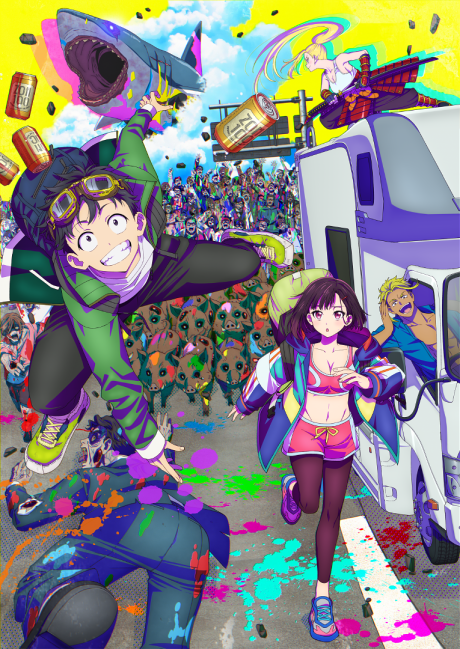



Match Dimensions Explained
❓Frequently Asked Questions
Why is Paprika compared to GTA: San Andreas when it’s a surreal dream-heist anime?
Great question — it’s all about that *early-90s Los Santos vibe meets layered, lived-in worldbuilding*. Like CJ navigating gang territories, radio stations, and shifting allegiances across a seamless map, Paprika drops you into a dense, tactile Tokyo where every alley, broadcast signal, and bureaucratic corridor feels deliberately placed and narratively charged. The film’s neon-noir palette, analog tech aesthetic (think CRT monitors and cassette tapes), and themes of systemic corruption vs. personal agency hit the same gut-level resonance as SA’s critique of media, policing, and urban decay — just with dream logic instead of drive-bys.
Is there an anime adaptation of Grand Theft Auto: San Andreas?
Nope — Rockstar has never licensed or produced an official anime adaptation of San Andreas (or any GTA title). What *does* exist are unofficial stylistic matches like SPY x FAMILY and Akiba Maid War, which nail SA’s signature blend: over-the-top action rooted in grounded social tension, RPG-like character progression (Loid’s spy ‘stats’, Anya’s telepathy stamina), and that unmistakable early-90s ‘neon noir’ texture — think CJ’s denim jacket, the crackle of K-JAH West radio, and the way both shows weaponize satire without losing emotional weight.
How does NANBAKA - Part Two compare to MARRIAGETOXIN for GTA: SA energy?
NANBAKA leans harder into SA’s *gang politics and prison-to-street power shifts*: imagine CJ’s Grove Street rebranding arc mirrored in Nanbaka’s Unit 13 building rivalries, guard betrayals, and improvised heists using everyday objects (like CJ hotwiring a bus or using a fire extinguisher as a weapon). MARRIAGETOXIN swaps that for SA’s *satirical bureaucracy and absurd escalation* — think CJ getting drafted into the military or running a restaurant, but with wedding planners deploying tactical smoke bombs and love contracts as legal weapons. Both nail the ‘comedy & parody + neon noir’ combo, but NANBAKA’s got more of that gritty, low-rung hustle; MARRIAGETOXIN’s pure satirical chaos.
What’s the best anime like GTA: San Andreas if I want that ‘driving through Los Santos at night, K-JAH West blasting’ mood?
Akiba Maid War — hands down. It’s got the same *seamless, kinetic city navigation*, where every street corner feels alive with factions (maid gangs instead of Grove Street vs. Ballas), plus that addictive ‘radio station’ energy via its hyper-stylized fight commentary and diegetic J-pop/hip-hop collabs. Watch episode 4’s rooftop chase — the camera swoops like CJ’s bike jump on Gant Bridge, the lighting’s all purple-neon-and-concrete, and the soundtrack drops like a perfect K-JAH West transition. It doesn’t copy SA — it *feels* like SA’s soul remixed into anime form.