
The Red Ranger Becomes an Adventurer in Another World
Togo Asagaki was the Red Ranger in a heroic Ranger squad. During their final battle against an evil organization, he gave his life to guarantee their triumph. But fate had other plans, and he found himself reborn in an entirely different world. Embracing his new role as an adventurer, he transforms into Kizuna Red and continues his pursuit of justice, helping those in need.
(Source: Crunchyroll)
📺Anime Details
📝Editorial Analysis
The desert wind kicks up dust that stings Togo Asagaki’s eyes—not as a dying Red Ranger, but as Kizuna Red, mid-henshin, golden light flaring against cracked earth and bleached sky. His suit doesn’t gleam like polished steel; it hums with warm, slightly frayed energy—like a beloved toy robot recharged one last time. He doesn’t shout a battle cry. He sighs, adjusts his wrist communicator (which blinks erratically), and steps forward—not toward a towering kaiju, but toward a trembling child hiding behind a sun-baked adobe wall. That moment isn’t about power scaling or lore dumps. It’s about continuity: the same quiet gravity in his shoulders, the same unspoken vow held across worlds, across deaths, across formats.

What makes The Red Ranger Becomes an Adventurer in Another World vibrate so distinctly isn’t its tokusatsu scaffolding or isekai setup—it’s the tenderness beneath the spectacle. This anime treats heroism not as escalation, but as repetition with care: same pose, same color, same moral center—but now with sand in the joints, magic that sputters like old wiring, and justice delivered via shared water rations and patched sandals. It’s surreal because it refuses to let go of sincerity—even when the world is absurd, even when the rules are broken, even when the henshin sequence glitches for half a second. You don’t laugh at Togo. You laugh with him, breath catching on the edge of something aching and real: the relief of being recognized again, even if no one here knows your name.
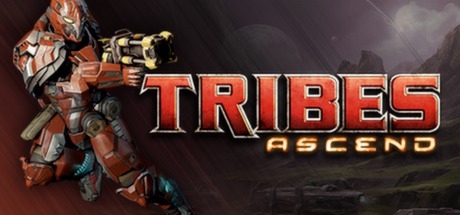
That emotional DNA pulses strongest in Tribes: Ascend—not for its mecha or military trappings, but for how players describe its feeling: “Man, I used to love this game. Just mindless fun.” That phrase—mindless fun—isn’t dismissal. It’s devotion to rhythm, to muscle memory, to the pure kinetic joy of strafing downhill at impossible speed, weapon fire stitching light across snowfields. Like Kizuna Red’s transformations, it’s ritualistic, almost devotional—a loop you return to not for story, but for embodied certainty. The game’s unrealized potential (“it could have been expanded”) mirrors the anime’s gentle refusal to over-explain its own logic: both trust you to feel the truth before you parse it.
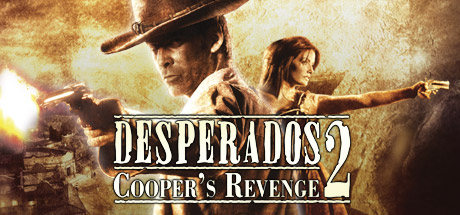
Then there’s Desperados 2: Cooper's Revenge, where players note it arrived “during a time when everything…”—a trailing-off that lands like a sigh. That hesitation? It echoes Togo’s first days in the desert world: disoriented, competent but context-less, moving through systems he knows how to use, even if their purpose has shifted. The game’s tactical precision—pausing time to line up a perfect lasso shot across a saloon balcony—is kin to Kizuna Red calculating wind speed before launching a rescue rope across a canyon. Both prize intentional stillness inside chaos, and both wear their Western frontier aesthetic not as genre cosplay, but as emotional geography: wide-open spaces where morality isn’t shouted, but measured, step by careful step.
And Rise of the Argonauts, with its king-turned-quester swearing vengeance “to restore her life”—that raw, mythic grief folded into action-spectacle? It shares the anime’s quiet insistence that loss isn’t erased by rebirth. Jason carries Iolcus in his posture just as Togo carries his squad’s final stand in the way he checks his comms—just in case. Player reviews praise how it “does ancient history right,” not through accuracy, but through emotional fidelity: gods feel vast, choices feel heavy, and every sword swing carries weight because the heart behind it matters. So does every henshin. So does every canteen passed to a stranger.
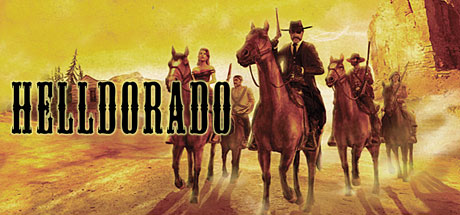
This pairing isn’t for fans of “power fantasies” or “lore dumps.” It’s for the ones who pause mid-gameplay to watch the sunset over Helldorado’s Santa Fe—just because it feels like breathing. For the ones who replay Tribes’ opening map not for rank, but for the thrum of the skis hitting snow. For the ones who remember exactly where they were when Togo, newly reborn, kneels in the dust—not to fight, but to tie a child’s sandal strap with hands that once sealed dimensional rifts. They recognize the same thing across mediums: that heroism isn’t about changing the world. It’s about keeping your promise, tenderly, stubbornly, in the same voice, no matter how many worlds it takes.
🎮58 Games That Match the Vibe







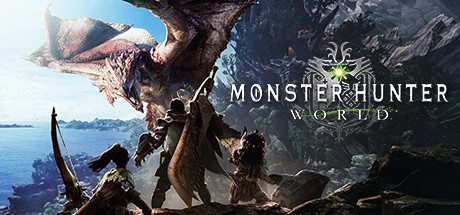
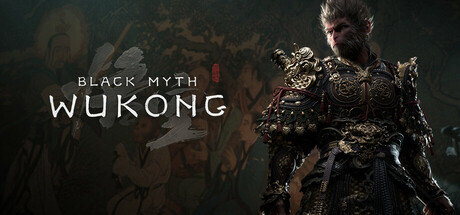

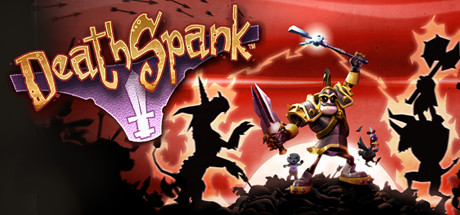
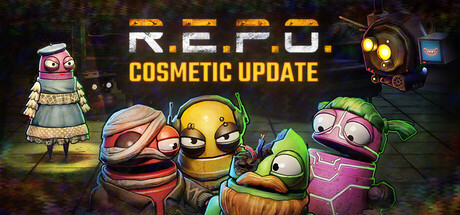













Match Dimensions Explained
❓Frequently Asked Questions
Why does Tribes: Ascend show up in 'Games Like The Red Ranger Becomes an Adventurer in Another World'?
Because both lean hard into over-the-top action spectacle with heroic, larger-than-life characters—think Red Ranger’s flashy mecha combat mirrored in Tribes: Ascend’s jetpack-fueled, team-based sci-fi skirmishes across massive arenas. It’s not about lore depth like the isekai story, but that same adrenaline rush of being a skilled, visually distinct hero dominating chaotic battles.
Is there a Western-style anime adaptation of Desperados 2 or Helldorado?
No—neither Desperados 2: Cooper's Revenge nor Helldorado has been adapted into an anime. They’re pure tactical Western games: Helldorado is actually a standalone expansion to Desperados 2, dropping you into 1883 Santa Fe with a crew of outlaws and sharpshooters, solving missions through stealth, timing, and environmental takedowns—not anime tropes.
How does Loki compare to Rise of the Argonauts for myth-based action RPG vibes?
Both drop you into rich mythological worlds—Loki lets you play as a Norse fighter, Egyptian priestess, or Celtic warrior across globe-spanning fantasy locales, while Rise of the Argonauts puts you in Jason’s sandals, hunting artifacts and battling gods to resurrect your fiancée. But Rise leans more into ancient-history authenticity (per that player review), whereas Loki feels more like a glitchy, Diablo-esque romp with mythic window dressing.
What’s the best game on this list if I want tactical, slow-burn Western vibes like the Red Ranger’s strategic planning before big fights?
Go straight to Desperados 2: Cooper's Revenge—it’s all about deliberate, pause-and-plan tactics in gorgeous 3D frontier towns, where you control a posse with unique skills (like Doc’s healing or Isabelle’s disguises) to outsmart outlaws. Helldorado builds on that same foundation as its expansion, so either gives you that grounded, methodical Western tension—no isekai flash, just smart, dusty, high-stakes decision-making.