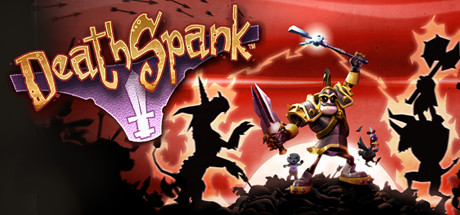
DeathSpank
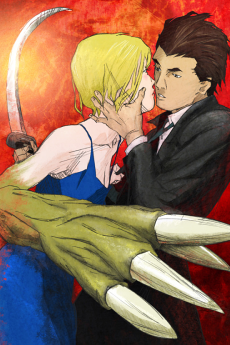
For uncounted years, DeathSpank has been a Dispenser of Justice, a Vanquisher of Evil, and a Hero to the Downtrodden.
🎮Game Details
💬What Players Say
"[h1][i]“Never pay more than 20 bucks for a computer game.”[/i] ~Guybrush Threepwood[/h1] Even though I was in my 20s already, I still managed to make one heck of a lot of good memories in the 2000s. Of that specific kind you may call nostalgic...."
"Deathspank is still funny. It's funny that they made Thongs of Virtue another game because they didn't want the game to be too big so that it could be easily downloadable at xbox live arcade. Thongs of Virtue is like Act II and III of Deathspank the original game...."
"This game is honestly a gem. I really didn't expect too much from an ARPG with 2010 bacon humor but the game [i] hooked me.[/i] It has a certain charm about it that fills me with a sense nostalgia that only the [i] Xbox Arcade era [/i] of games could properly give me...."
📝Editorial Analysis
You’re sprinting across a sun-bleached desert plateau, sandals flapping, sword held high—not because you’re about to slay a dragon, but because you just stole a goat and the town guard is yelling something about “unlicensed pastoral interference.” DeathSpank doesn’t pause for exposition. He dispenses justice, yes—but it’s the kind that arrives mid-air, mid-punch, mid-sentence fragment, delivered with the breathless absurdity of someone who’s been doing this for uncounted years and still hasn’t figured out how pants work. That’s the game’s heartbeat: not lore, not stakes, but velocity + nonsense, all wrapped in a grin so wide it threatens structural integrity.
What makes DeathSpank’s atmosphere unique isn’t its ARPG bones—it’s the lightness. It’s the feeling of flipping through a comic book drawn by a caffeinated bard who’s read too many fantasy paperbacks and then immediately forgot their plots. Player reviews call it “nostalgia,” but not for any one era—it’s nostalgia for tone: the 2000s-era joy of downloading something small, weird, and unapologetically yours, like a $20 Xbox Live Arcade gem that dared to name its sequel Thongs of Virtue—not as a joke, but as a policy decision, because the original had to stay lean enough to fit. That’s not just economy of design—it’s emotional economy. No fat, no filler, no reverence. Just pure, fizzy charm, bubbling up from the sheer audacity of treating heroism like a slightly dented lunchbox you carry around while muttering about socks.
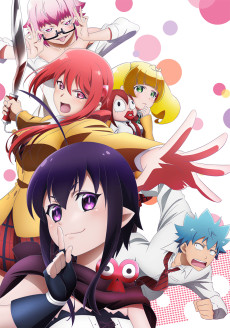
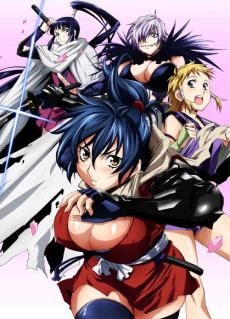
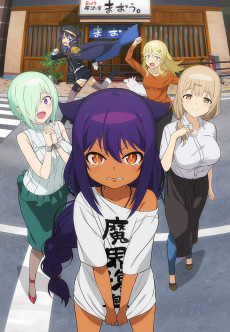
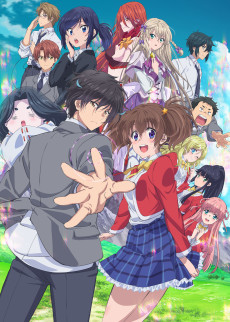
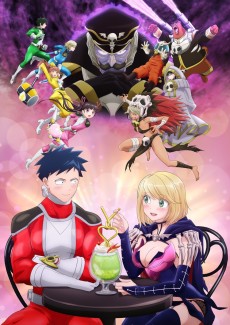
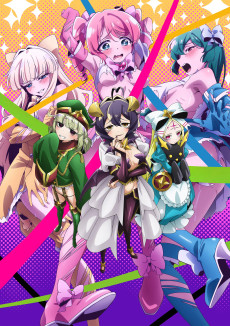
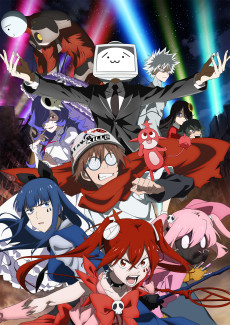
That same DNA pulses in Kill la Kill: GOODBYE AGAIN, where every punch lands like a cartoon anvil dropped from a sitcom cloud—spectacle and parody fused into a single glittering, screaming gesture. Ryuko doesn’t defeat enemies with strategy; she defeats them with volume, with fabric physics, with the sheer audacity of wearing her power like a bad attitude. Like DeathSpank, she’s a walking contradiction: mythic and ridiculous, world-ending and perpetually mid-stumble. Then there’s The Great Jahy Will Not Be Defeated!, where fallen demon queen Jahy loses her powers, her throne, and her dignity—all while trying to navigate apartment hunting and microwave instructions. Her rage isn’t tragic; it’s comic velocity, identical to DeathSpank’s sprinting goat heist—both characters treat cosmic collapse like a minor scheduling conflict. And I Parry Everything? Its entire premise is built on action as punctuation: every sword clash is a gag, every dodge a non sequitur, every boss fight a vaudeville routine dressed in samurai robes. All three anime share DeathSpank’s refusal to let tone settle—no gravity, no solemnity, just motion, mischief, and unrelenting, grinning momentum.
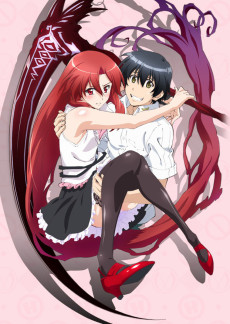
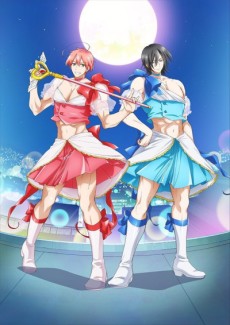
This isn’t for people who want lore dumps or emotional realism. It’s for the ones who remember buying a game in 2010 because the box art looked like it had been scribbled on during a sleepover—and then played it three nights straight, laughing aloud at lines they couldn’t quote but felt in their ribs. It’s for viewers who watch Princess Tutu and don’t just see ballet—they feel the wobble between tragedy and tap-dance, the way heartbreak and pratfall occupy the same breath. It’s for fans of The Red Ranger Becomes an Adventurer in Another World, who thrill not at the isekai setup, but at how quickly the show abandons “hero’s journey” for “hero’s misplaced lunch order.” These pairings belong to people who crave joy with teeth, who find sincerity in silliness, who know that the most honest kind of heroism sometimes wears sandals, shouts nonsense, and pauses mid-battle to admire a particularly well-polished thong. They’re not chasing depth—they’re chasing spark, bounce, the electric, irrepressible feeling that the world is ridiculous, and therefore, gloriously, yours to tilt.
→63 Anime That Match the Vibe
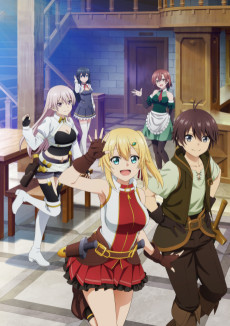
Connected through 2 aesthetic dimensions.
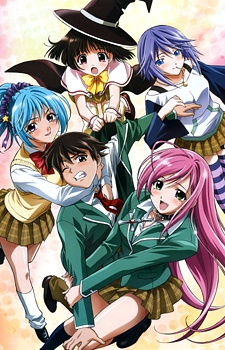
Connected through 2 aesthetic dimensions.
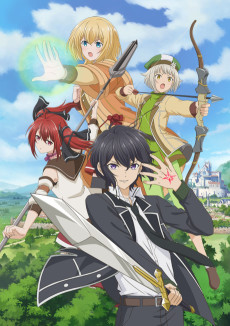
Connected through 2 aesthetic dimensions.
Connected through 2 aesthetic dimensions.
Connected through 2 aesthetic dimensions.
Connected through 2 aesthetic dimensions.
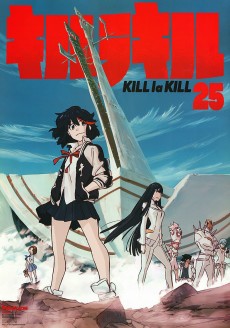
DeathSpank’s over-the-top “Dispenser of Justice” monologue—delivered mid-air while juggling flaming swords—mirrors the OVA’s final battle where Ryuko and Satsuki duel atop a collapsing, neon-drenched skyscraper, both screaming absurdly earnest one-liners. Where most parodies wink at genre tropes, these two weaponize Comedy & Parody as kinetic choreography: DeathSpank’s fourth-wall-shattering gags sync with GOODBYE AGAIN’s rapid-fire visual gags (like Mako’s sudden, gravity-defying snack break mid-fight). It’s surprising how deeply their shared commitment to action-as-satire—unmoored from consequence or logic—makes them feel like spiritual siblings.
Connected through 2 aesthetic dimensions.
Connected through 2 aesthetic dimensions.






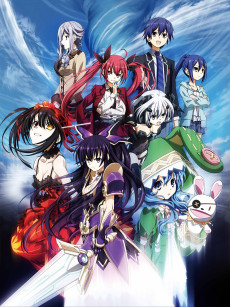
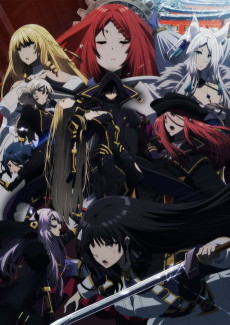
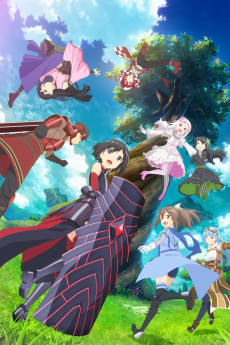
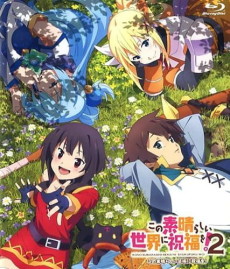




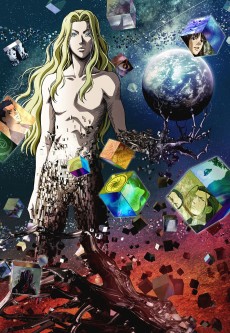

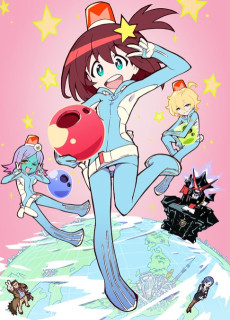
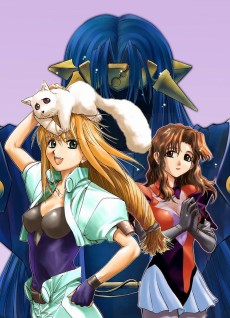



Match Dimensions Explained
❓Frequently Asked Questions
Why does Kill la Kill get recommended for DeathSpank fans?
Because both lean hard into over-the-top parody with absurd power systems—like Ryuko’s sentient scissor-blade transforming into a giant mecha, mirroring DeathSpank’s ‘Thongs of Virtue’ escalating into reality-bending gear upgrades. The tone is spot-on too: think DeathSpank yelling ‘I AM THE DISPENSER OF JUSTICE!’ right before a ridiculous slow-mo spin-kick—exactly the energy of Satsuki’s ‘FINAL FIGHTING TECHNIQUE’ speeches and Mako’s unblinking deadpan reactions.
Is there an anime adaptation of DeathSpank?
Nope—DeathSpank never got an anime adaptation, but that’s why fans lean into shows like *The Red Ranger Becomes an Adventurer in Another World*, which mirrors the game’s self-aware ARPG satire: a hero who’s all swagger and questionable gear (like his ‘Cape of Mild Inconvenience’) stumbling through tropes just like DeathSpank does with loot drops and quest givers who vanish mid-sentence.
How does I Parry Everything compare to Princess Tutu for DeathSpank vibes?
Both nail the ‘silly-but-skilled’ combat rhythm, but *I Parry Everything* leans harder into DeathSpank’s janky, physics-defying action—like its protagonist deflecting lasers with a frying pan while yelling nonsense battle cries—whereas *Princess Tutu* swaps slapstick for theatrical whimsy (think Duck’s ballet-fueled transformations echoing DeathSpank’s ‘Heroic Pose’ animations and sudden costume swaps mid-boss fight).
What’s the best anime like DeathSpank if I want that nostalgic 2000s ‘bacon humor’ + ARPG charm?
Go straight to *The Great Jahy Will Not Be Defeated!*—it’s got the same ‘hero down on their luck but still shouting catchphrases’ energy as DeathSpank, especially when Jahy tries to rebuild her demon empire using bargain-bin magic items (her ‘Sword of Slightly Improved Sharpness’ feels ripped from the Thongs of Virtue DLC). And like DeathSpank’s ‘nostalgia that fills me with a certain charm’, Jahy’s whole arc taps into that warm, slightly goofy early-2010s anime comfort.