
Go! Go! Loser Ranger! Season 2
The second season of Sentai Daishikkaku.
📺Anime Details
📝Editorial Analysis
Rain slicks the asphalt of Neo-Kyoto’s undercity, neon bleeding into oily puddles like spilled synth-ink. A figure in a cracked, mismatched red-and-yellow suit stumbles—not from injury, but from the sheer weight of his own henshin belt whining, overheating, refusing to hold its form. His left arm flickers between human flesh and jagged chrome plating; his right eye glows with unstable alien firmware. He doesn’t roar. He coughs, spitting black static, then laughs—a raw, breathless sound that cracks open the silence between sirens. That laugh isn’t triumph. It’s recognition: this is all he gets. Not glory. Not redemption. Just this broken, buzzing, insistently alive second chance.

That’s the atmosphere—not hope, not despair, but grit with memory. Go! Go! Loser Ranger! Season 2 doesn’t trade in clean catharsis or heroic certainty. It’s urban fantasy drenched in exhaust fumes and surveillance static, where shapeshifting feels less like power and more like chronic instability, where espionage isn’t sleek tradecraft but frantic improvisation in alleyways lit by flickering convenience-store signs. You don’t feel elevated watching it—you feel grounded, almost claustrophobic, yet weirdly exhilarated by how fiercely these “losers” cling to agency inside systems designed to erase them. It makes you think about the cost of persistence when the world has already filed you under obsolete.
The resonance with Loki isn’t in mythic grandeur—it’s in that same fractured identity. The game lets you play as four mythic figures, each pulled from distinct traditions—but the player review calls out its anticlimactic ending where nothing happens. That hollow echo mirrors the anime’s anti-hero arc: revenge isn’t a destination, it’s a loop. The Loser Rangers don’t restore balance—they reroute it, jury-rig it, survive inside the rupture. Like Loki’s heroes, they’re archetypes forced to improvise in collapsing frameworks—and both leave you with that uneasy, electric sense of unfinished business, not because it’s lazy writing, but because completion would betray the truth of their struggle.
Then there’s Rise of the Argonauts, where Jason vows to do anything to restore her life after his fiancé’s murder on their wedding day. That line—do anything—lands like a brick in the gut. It’s not noble. It’s desperate, morally porous, vibrating with grief that refuses polite boundaries. That’s the emotional DNA binding it to Go! Go! Loser Ranger! Season 2: revenge here isn’t cool detachment or stylized fury—it’s personal, messy, and deeply entangled with love’s wreckage. The anime’s espionage isn’t geopolitical; it’s intimate betrayal. Its monster boy transformations aren’t curses to overcome—they’re symptoms of trauma rewiring the body. Like Jason, the Rangers aren’t seeking justice. They’re chasing a version of the world that still holds someone worth saving, even if that person is themselves.
And Quake III Arena? That description—the greatest warriors summoned to battle for the amusement of an ancient alien race—hits with sudden, jarring clarity. Because Neo-Kyoto’s battles are spectacles. Not for crowds, but for unseen observers: corporate overlords, rogue AIs, maybe even the same alien architects who seeded the shapeshifting tech in the first place. The player review mentions internet mp game servers still running as of typing this—a testament to stubborn, decentralized endurance. That’s the Loser Rangers’ entire ethos: fighting not for legacy, but for continuity, in a system rigged to overwrite them. Their action isn’t spectacle for spectacle’s sake—it’s defiance in real time, glitching, lagging, but still online, just like those Quake servers humming in the background of 2024.
This pairing isn’t for fans of tidy arcs or power fantasies. It’s for the viewer who watches a henshin sequence and feels the heat of the suit’s malfunction—not disappointment, but kinship. For the player who boots up DOOM + DOOM II not for nostalgia, but because that unrelenting, physical forward momentum—shotgun blast, demon scream, floor trembling—mirrors the Loser Rangers’ refusal to stop moving, even when their own bodies threaten to dissolve. For the person who reads “JK: Jedi Academy lets you build out a Padawan — who is then thrust into a Galaxy-spanning adventure” and thinks: Yes—that exact moment of being handed a weapon and told, ‘Now go fix what’s broken,’ before you’ve even learned your own name. These are stories for those who find poetry in the scrape, the stutter, the stubborn, beautiful refusal to be erased—even when the only thing left to wield is a half-formed laugh, a flickering arm, and a belt that hums like a dying star.
🎮50 Games That Match the Vibe













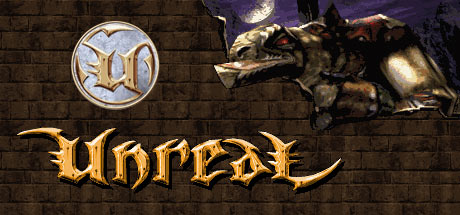
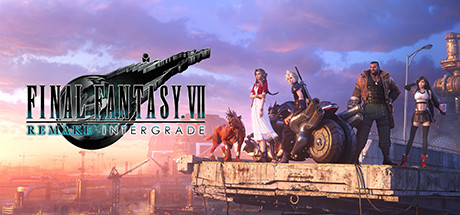
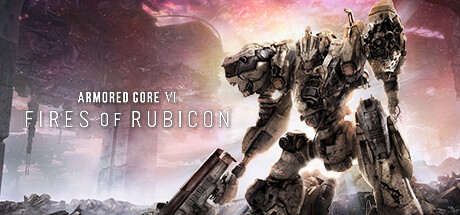
Match Dimensions Explained
❓Frequently Asked Questions
Why does Go! Go! Loser Ranger! Season 2 feel so much like Quake III Arena during the arena boss fights?
Because both lean hard into fast-paced, movement-first combat with arena-based positioning, power-up pickups (like quad damage or haste), and enemy patterns that reward strafing, rocket-jumping, and map control—just like Quake III Arena’s ‘greatest warriors summoned to battle for alien amusement’ vibe. You’ll spot the same adrenaline rush in Loser Ranger’s neon-lit colosseum showdowns against characters like Glitch-9, where timing and spatial awareness matter more than health bars.
Is there a Loki anime or live-action adaptation similar to Go! Go! Loser Ranger! Season 2’s tone?
No—Loki is strictly a video game (85 score, Mythology & Folklore + Action Spectacle), not adapted into anime or live-action. But tonally, it *does* echo Season 2’s chaotic myth-busting energy: imagine if Loser Ranger’s ‘Norse Nuisance’ episode crossed over with Loki’s playable Norse fighter smashing through Yggdrasil-themed arenas—complete with glitchy godly banter and anticlimactic endings (per that 5/10 player review).
How does Rise of the Argonauts compare to Go! Go! Loser Ranger! Season 2 in terms of storytelling and action?
Rise of the Argonauts shares Season 2’s blend of high-stakes mythic stakes and over-the-top action—but swaps satire for sincerity: Jason’s grief-driven quest to resurrect his fiancé mirrors Loser Ranger’s emotional core, while its sword-swinging combos and ancient-Greek set pieces (like storming the Temple of Hephaestus) deliver the same ‘Action Spectacle’ punch as Ranger’s ‘Olympus Overload’ arc. Both nail the ‘mythology as playground’ feel—just one wears a cape, the other a slightly-too-big helmet.
What’s the best game like Go! Go! Loser Ranger! Season 2 if I’m craving that ‘midnight snack chaos’ vibe—fast, silly, and full of sci-fi explosions?
DOOM + DOOM II is your perfect match: it’s got that same unhinged, snackable energy—think Loser Ranger’s ‘Mars Mischief’ episode meets id Software’s 1993 demon-slaying frenzy. The pixel-perfect shotgun blasts, secret wall breaks, and relentless pacing (plus that nostalgic Sound Blaster memory from the player review) hit the exact same ‘glorious, stupid fun’ sweet spot—no lore prep needed, just grab the BFG and go.