Quake
Developed by the award-winning id Software, Quake® is the ground-breaking, original dark fantasy first-person shooter that inspires today’s retro-style FPS games. With Quake (Enhanced), experience the authentic, updated, and visually enhanced version of the original.
🎮Game Details
💬What Players Say
"Quake is a really fun fast paced FPS, with really great combat, weapons, and the maps are one of the best parts of the game, since it's like Doom, except it's a Lovecraft version of it. Definitely recommend this game."
"Do you know a more perfect game? Just you, your trusted gun, and a bunch of hellish enemies, and no explanation! [quote]Follow us for more stupidly fun [url=https://store...."
"You boot it up and immediately the game sprints at you like an angry Rottweiler made of polygons. The shotgun still sounds like someone slamming a fridge door. The ogres still throw grenades like they’re trying to win a workplace team‑building exercise...."
📝Editorial Analysis
You boot it up and immediately the game sprints at you like an angry Rottweiler made of polygons. The shotgun still sounds like someone slamming a fridge door. There’s no tutorial, no exposition—just you, your trusted gun, and a bunch of hellish enemies, and no explanation. That first corridor in Quake isn’t just a level—it’s a throat ripped open, exhaling black mist and static. You’re not eased in; you’re launched, raw and unmoored, into a Lovecraft version of Doom: geometry that breathes wrong, textures that look like dried blood under candlelight, and enemies whose limbs don’t obey gravity or sanity. It’s not horror as dread—it’s horror as velocity, as recoil, as the sheer physical shock of hearing an ogre throw a grenade like it’s hurling a cursed brick through your skull.
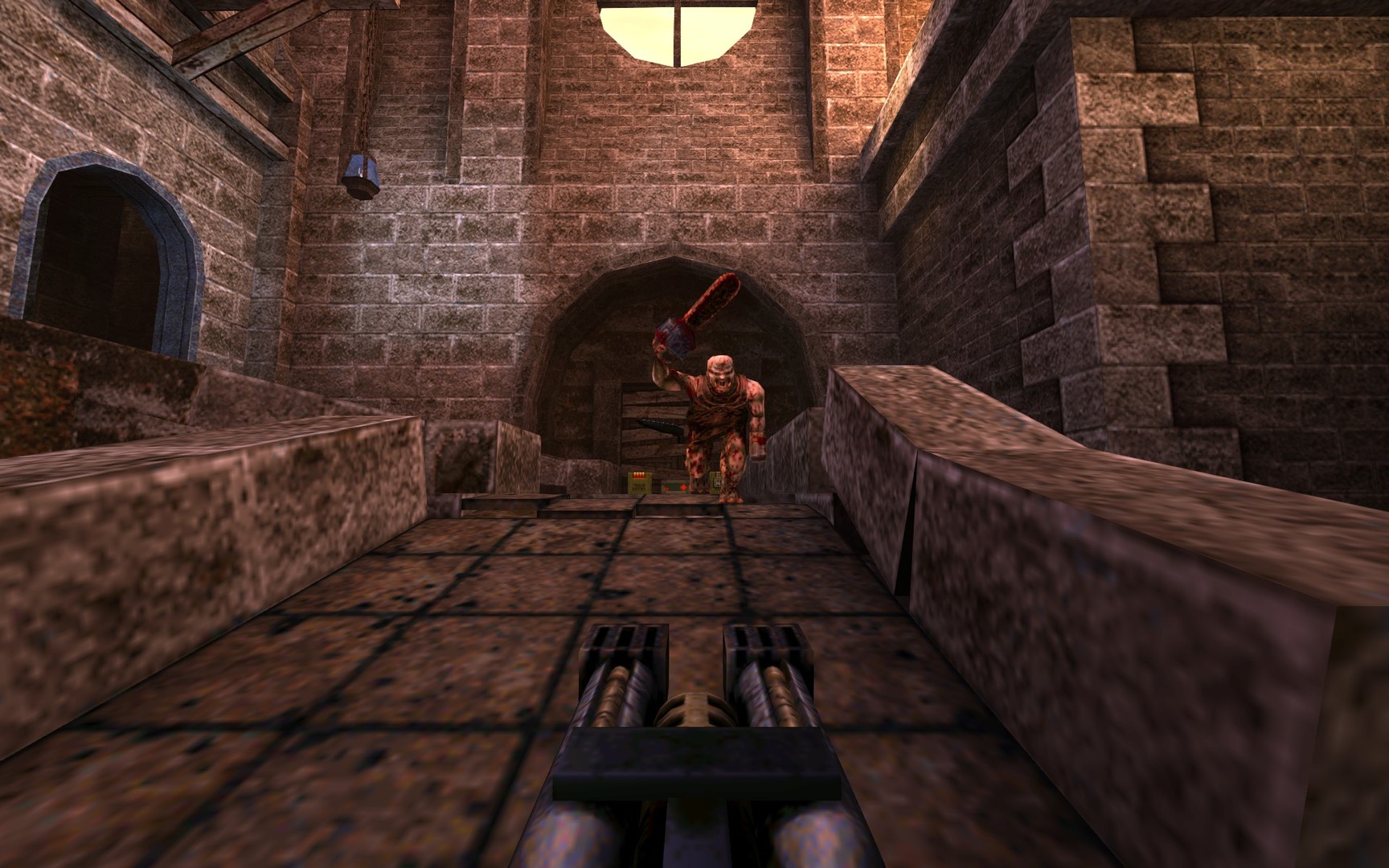
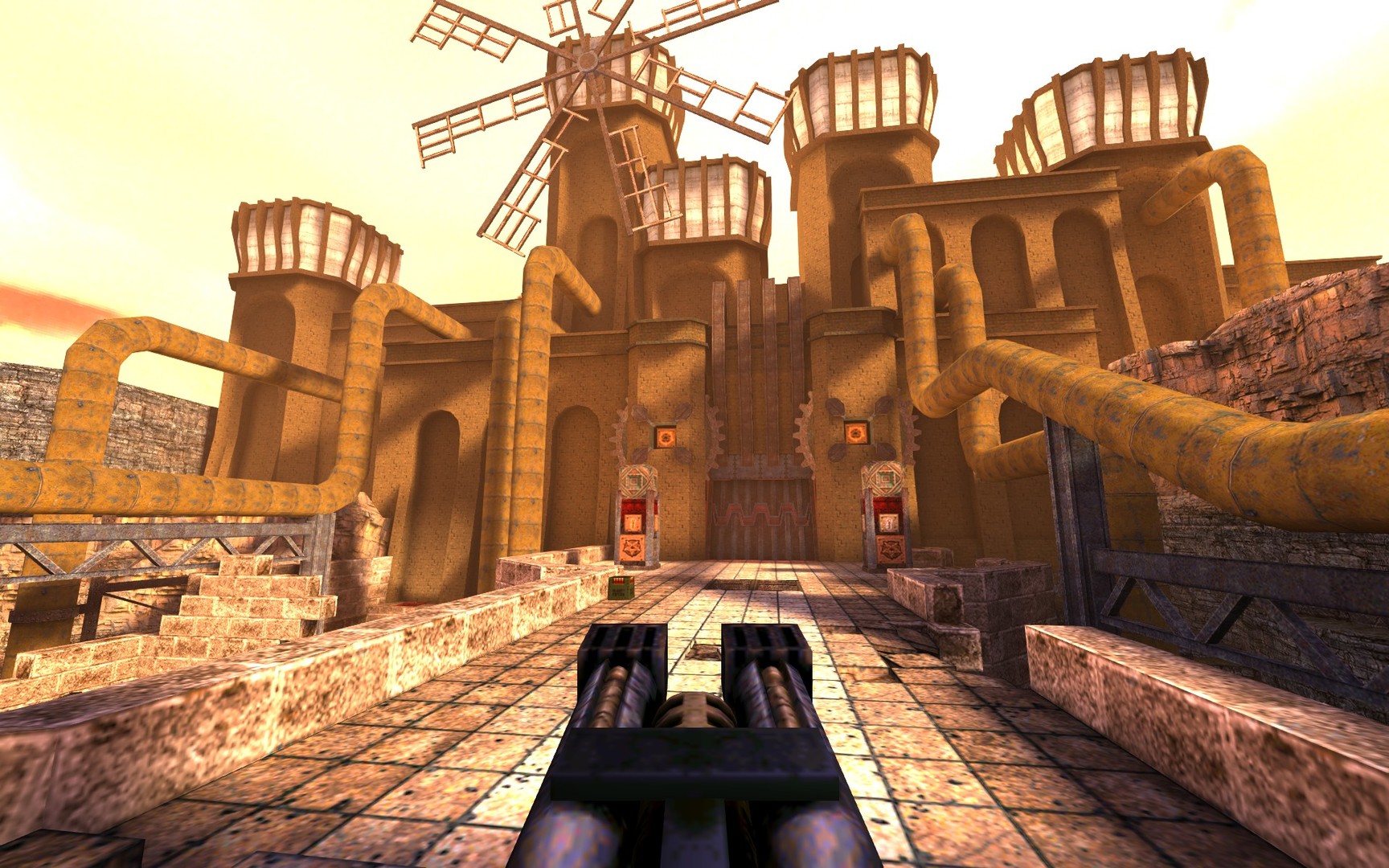
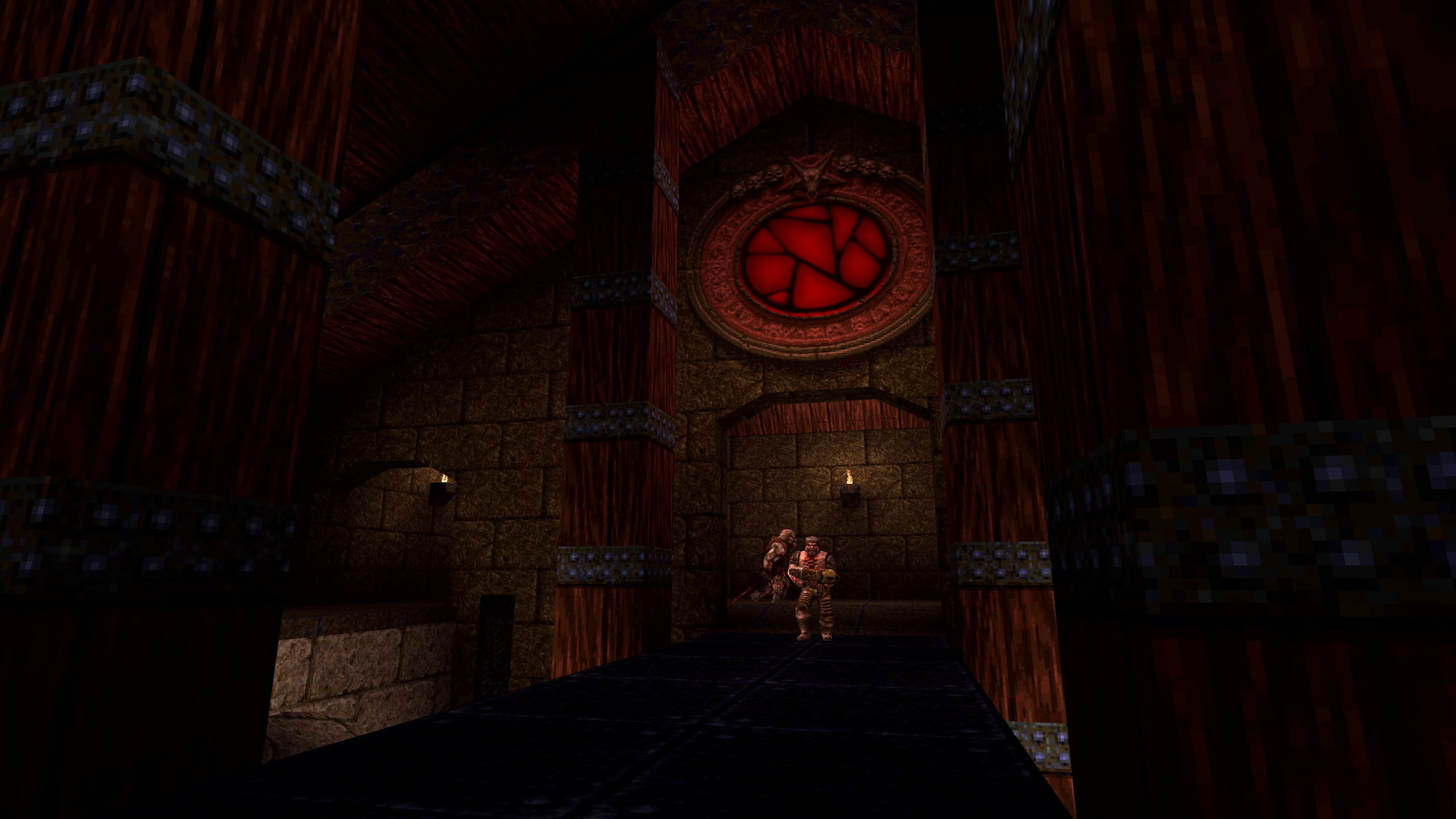
What makes Quake’s atmosphere unique isn’t its gothic architecture or its occult bestiary—it’s how it weaponizes disorientation as intimacy. This isn’t a world you observe; it’s one you stumble through, lungs tight, fingers sticky on the mouse, every jump a gamble against physics that feel less like rules and more like suggestions whispered by something ancient and indifferent. The darkness isn’t atmospheric—it’s textural: thick, oily, punctuated only by the strobing muzzle flash of your nailgun or the sickly green pulse of a shambler’s spell. You don’t learn the lore—you feel it in your wrists, in the way the screen shakes when a fiend teleports behind you, in how the music doesn’t score the action but infects it—low, droning, like stone grinding against bone. It makes you think about thresholds—not narrative ones, but sensory ones: where control ends, where the body rebels, where the line between shooter and possessed blurs.
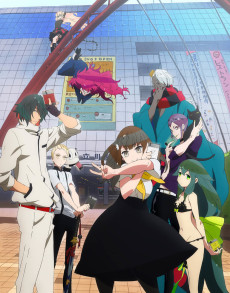
That same fever-dream intensity lives in Gintama.: Slip Arc, where body horror isn’t just grotesque—it’s slippery, absurd, and violently kinetic. A character’s arm dissolves into ink mid-swing; another’s face splits open to reveal a second mouth screaming in perfect sync with the first—not for shock, but because reality itself is fraying at the seams. Like Quake, it refuses exposition: you don’t get why the alien parasites are fused with Edo-era samurai—you just see the wet, clicking joints and hear the wet thwip of a severed tendon snapping back like rubber. Both share that same unapologetic physicality: every hit lands with weight, every transformation feels like a violation of anatomy, and every fight is less choreography than collision.
Heaven Official's Blessing Season 2 channels Quake’s emotional DNA in its quietest moments—when Xie Lian stands alone in a ruined celestial hall, his armor cracked, his sword humming with unstable energy, and the air itself begins to breathe around him. The occult here isn’t ritualistic—it’s ambient, seeping from the walls like damp, carrying whispers in dead languages. The body horror isn’t gore; it’s erosion—the slow peeling of divinity from flesh, the way a god’s hand might flicker between translucent and rotting, just for a frame. Like Quake’s maps, this world feels built wrong: staircases spiral into themselves, corridors double back without logic, and every shadow holds something that shouldn’t be able to stand upright. Both refuse to explain—they trust you to feel the wrongness in your molars.
And then there’s Bleach, specifically the Soul Society arc’s collapsing architecture—the way Seireitei fractures like Quake’s own crumbling citadels, bridges snapping mid-stride, towers folding inward like origami dipped in acid. Ichigo’s bankai doesn’t glow—it shrieks, a sonic distortion that vibrates your ribs just like Quake’s thunderous railgun report. The hollows aren’t monsters; they’re anatomical errors: masks that don’t fit, limbs grafted sideways, mouths where eyes should be—all echoing Quake’s lovecraftian design philosophy: terror not from the unknown, but from the misassembled. Their fights don’t pause for dialogue—they accelerate, bodies becoming blurs, swords turning into afterimages, just like Quake’s sprint-and-shoot rhythm where thought is too slow and instinct is the only compass.
This pairing isn’t for fans of tidy mythologies or polished power systems. It’s for the person who craves friction: the player who replays the same Quake map three times just to land that perfect rocket-jump off a crumbling pillar, the viewer who rewinds Heaven Official’s Blessing to watch the exact microsecond Xie Lian’s hair turns white—not for plot, but for the weight in his shoulders, the tremor in his breath before he swings. It’s for those who don’t want to understand the horror—they want to taste the static, feel the shotgun’s slam in their jaw, and know, deep in their spine, that some doors shouldn’t open—and some games, some anime, don’t let you close them again.
→54 Anime That Match the Vibe

The body as a site of transformation and terror — both push physical boundaries.
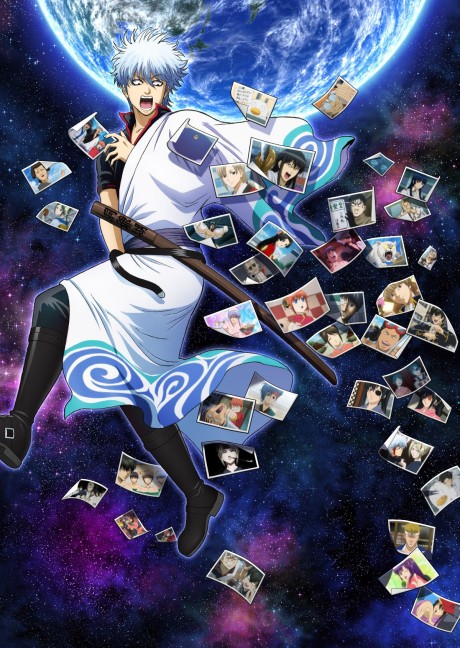
Porori’s watery *plop* in *Gintama.: Slip Arc*’s quiet interludes echoes Quake’s subterranean dread—where body horror & occult textures warp flesh and geometry alike. Unlike most sci-fi, both weaponize disorientation: Quake’s inverted gravity and Gintama’s sudden tonal lurches into surreal space opera fracture coherence on purpose. This mutual embrace of unstable physics and grotesque transformation makes their resonance startlingly visceral—not just aesthetic, but existential.

The body as a site of transformation and terror — both push physical boundaries.

The body as a site of transformation and terror — both push physical boundaries.
The body as a site of transformation and terror — both push physical boundaries.
The body as a site of transformation and terror — both push physical boundaries.

The body as a site of transformation and terror — both push physical boundaries.

The body as a site of transformation and terror — both push physical boundaries.

The body as a site of transformation and terror — both push physical boundaries.
The body as a site of transformation and terror — both push physical boundaries.






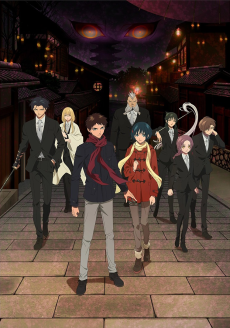


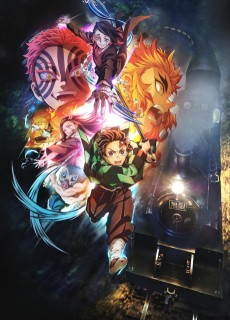


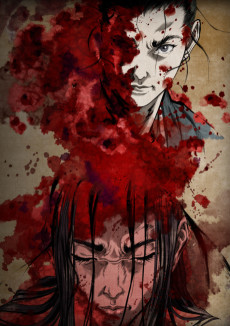



![Fate/stay night [Heaven’s Feel] III. spring song](https://s4.anilist.co/file/anilistcdn/media/anime/cover/large/bx21719-MSdTlkno0Z0u.jpg)









Match Dimensions Explained
❓Frequently Asked Questions
Why is Gintama. on the 'Anime Like Quake' list when it's a comedy?
Because the Slip Arc dives hard into Body Horror & Occult with that grotesque, Lovecraftian demon invasion—think of the parasite-infected citizens melting and reforming mid-battle, or Gintoki’s brutal, no-holds-barred duel against the biomechanical Ketsuno in the ruined Edo streets. It matches Quake’s ‘sprint-at-you-like-an-angry-Rottweiler’ energy and shares that same visceral, weapon-heavy Action Spectacle—even if it swaps shotguns for wooden swords and sarcasm.
Is there an anime adaptation of Quake?
Nope—Quake has never been adapted into an anime. But the 'Anime Like Quake' list curates shows that *feel* like playing Quake: fast, disorienting, body-horror-drenched combat with zero exposition. Heaven Official’s Blessing S2 nails this—especially the Bone City arc where Xie Lian’s swordplay blurs into polygonal chaos, and the Hollows’ shifting, fleshy forms echo Quake’s ogres and shambler enemies tearing through geometry.
How does Demon Slayer Mugen Train Arc compare to Bleach for Quake vibes?
Both hit Body Horror & Occult + Action Spectacle, but Mugen Train leans harder into Quake’s oppressive, claustrophobic dread—like Enmu warping the train’s layout in real time while Tanjiro’s head spins mid-air, mirroring Quake’s gravity-defying map design and sudden enemy ambushes. Bleach’s Soul Society arc has bigger set pieces, but Mugen Train’s tight, looping space and relentless pace (that final battle where Rengoku’s flame *shatters* the ceiling like a quake) feels more authentically ‘Doom meets Lovecraft’.
What’s the best anime like Quake if I want that ‘no explanation, just chaos’ vibe?
Hell’s Paradise S2—it drops you straight into the Shinsenkyo’s flesh-forest with zero hand-holding, just visceral, weapon-first action: Asaemon’s blade cleaving through biomechanical beasts, Natsuo’s blood-slicked acrobatics, and enemies that *reform* like Quake’s shamblers after being blown apart. It’s pure ‘you, your trusted weapon, and hellish enemies’—no lore dumps, just sprinting, shooting (well, slashing), and surviving the next corridor of nightmare.