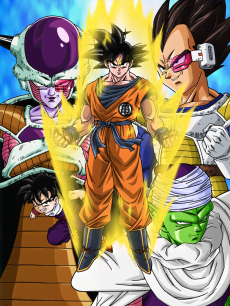
Dragon Ball Z Kai
A remastered version of Dragon Ball Z that adheres more to the manga's story. This version includes newly recorded dialog by the original voice actors, new sound effects, new OP/ED sequences, and a brand new HD video transfer.
📺Anime Details
📝Editorial Analysis
The screen flares white—not with blinding light, but with heat. Goku’s fist cracks the air as he charges Cell, not with rage, but with a quiet, terrible focus. No music swells. Just wind, breath, and the low, guttural hum of ki coiling like live wire under his skin. In Dragon Ball Z Kai, that moment isn’t spectacle for spectacle’s sake—it’s consequence made kinetic. The sweat on his brow is real because the voice actor just re-recorded it, raw and ragged, decades later. The HD transfer doesn’t polish away the tremor in his jaw; it amplifies it. This isn’t nostalgia remastered. It’s memory re-anchored.
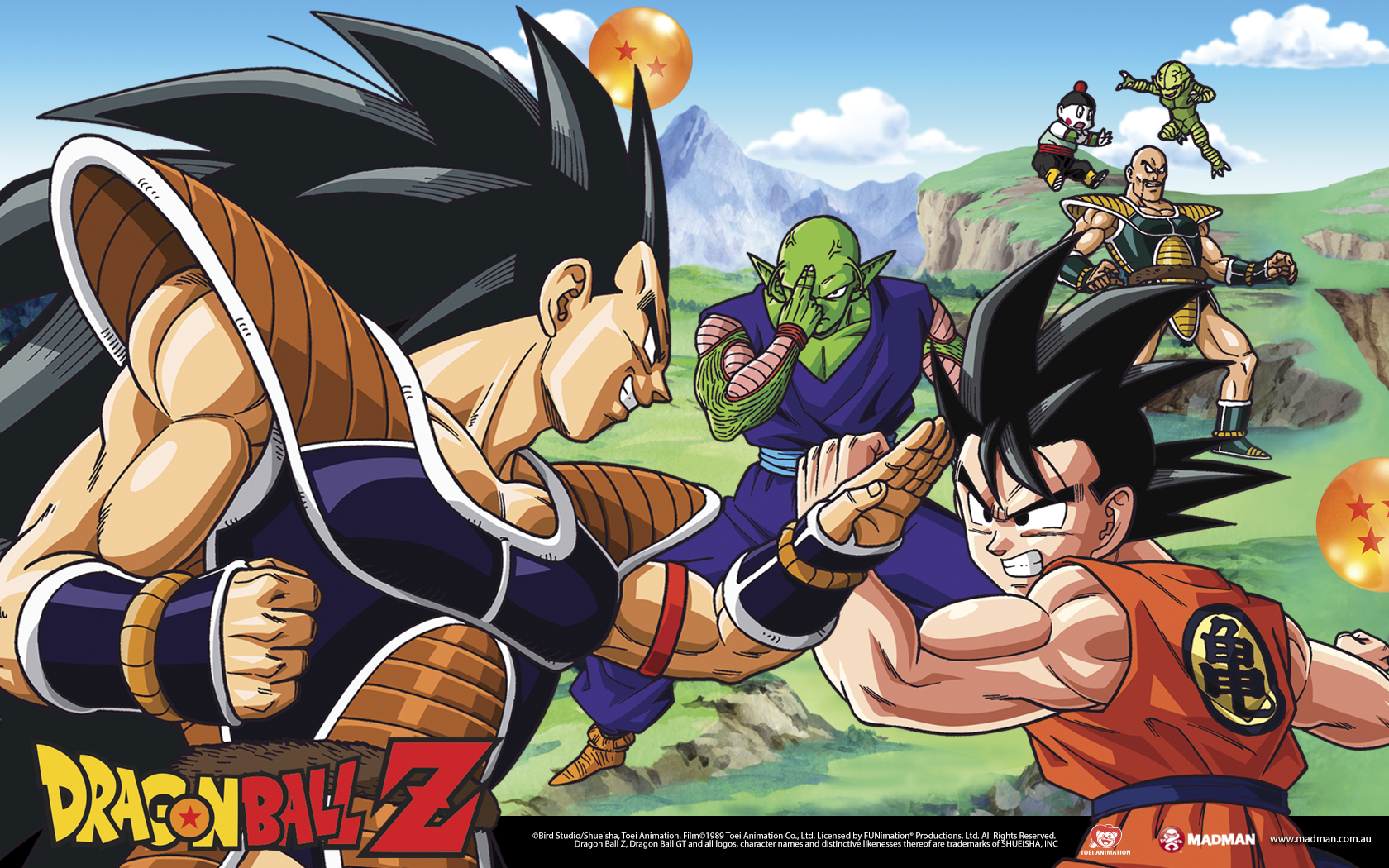
What makes Dragon Ball Z Kai vibrate at this frequency isn’t its shōnen tropes or alien battles—it’s how deeply it trusts time as an emotional medium. The time skips aren’t plot devices; they’re gaps you feel in your ribs. You watch Gohan grow from child to warrior not through montage, but through the subtle shift in Masako Nozawa’s voice—softer, then harder, then weary in ways only someone who’s lived those years could deliver. The urban fantasy isn’t magic in alleyways—it’s Capsule Corp’s gleaming labs humming beside suburban rooftops, where artificial intelligence (Bulma’s tech, Future Trunks’ warnings) doesn’t feel futuristic—it feels domestic, inevitable, quietly unsettling. You don’t just watch power escalate—you feel the weight of its cost, measured in breaths held, in silences after explosions, in the way Vegeta stares into space after victory, not before.
That same gravity pulses in BioShock Infinite. Its description names “Time & Memory” as core—not as gimmicks, but as architecture. Booker DeWitt doesn’t just rescue Elizabeth; he unravels himself across fractured timelines, and the player review admits: “I know that some people are still bitter about the Bioshock Infinite we could have gotten.” That ache—the gap between what was and what might have been—is pure Dragon Ball Z Kai. Both works force you to sit inside regret that isn’t abstract, but textured: the rust on a weapon, the static on a radio, the exact pitch of a voice you haven’t heard in twenty years.
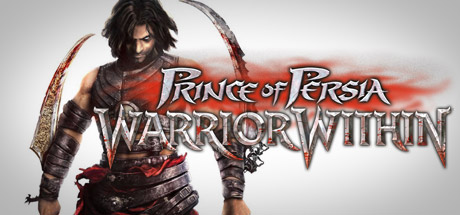
Then there’s Prince of Persia: Warrior Within, where the Dahaka isn’t chasing the Prince—it’s chasing time itself, an immortal embodiment of consequence. The player review says: “Dahaka chase is still as goated as it was before”—not because it’s flashy, but because it haunts. Like Cell’s regeneration or Frieza’s return, it refuses to let the past stay buried. The game’s dim of “Time & Memory” isn’t decorative; it’s visceral dread made physical—the scrape of claws on stone, the Prince’s ragged sprint through crumbling corridors, every jump a gamble against inevitability. That’s the same pulse that makes Dragon Ball Z Kai’s fight scenes land: not just speed, but history bearing down.
And Unreal Tournament: Game of the Year Edition? Its description calls it “the original King of the Hill in the frag-or-be-fragged multiplayer gaming world”—pure, unvarnished action spectacle. But the player review doesn’t praise graphics or lore. It says: “Excellent classic game to remind you of the good’ole days…” That’s the key. Dragon Ball Z Kai doesn’t erase the 90s filler—it reclaims it, refines it, honors its place in collective muscle memory. Like UT’s arena combat, its fights aren’t about realism—they’re about rhythm, timing, escalation, the shared breath before the combo lands. Both understand that spectacle only resonates when it’s built on shared language, not just shared visuals.
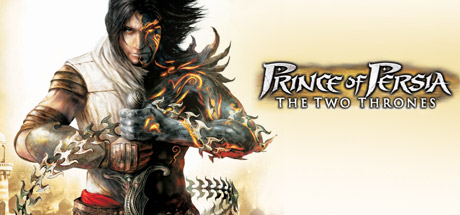
This isn’t for fans who want clean lore dumps or tidy endings. It’s for the ones who replay Prince of Persia: The Two Thrones not for the story, but to feel that exact moment the Prince’s dual blades lock mid-air—hesitation made visible. It’s for the person who watches Dragon Ball Z Kai’s Saiyan Saga not to see Goku win, but to hear the slight crack in his voice when he tells Krillin, “I’m not coming back this time.” That pause—that tiny, human fracture in the myth—is where all these works live. They’re for viewers and players who don’t just consume stories, but hold them, turning over their weight, their scars, their stubborn, beautiful refusal to let time erase what mattered.
🎮119 Games That Match the Vibe















Match Dimensions Explained
❓Frequently Asked Questions
Why does the Dahaka chase in Prince of Persia: Warrior Within feel so intense compared to other DBZ Kai-style fights?
Because it’s a relentless, time-bending pursuit—Dahaka phases through walls and rewinds your mistakes, mirroring how Goku’s near-death moments in Kai force rapid adaptation. Unlike static boss battles, Warrior Within’s chase sequences demand split-second parkour, dodges, and sand-powered rewinds—just like Kai’s high-stakes, momentum-driven fights (e.g., Vegeta vs. Nappa). It nails that breathless, survivalist energy without needing ki blasts.
Is there a Dragon Ball Z Kai game adaptation for PC or modern consoles?
No official Kai-specific game exists—Bandai Namco never adapted the remastered anime as a standalone title. The closest are older DBZ games like Budokai Tenkaichi 3 (which covers Kai’s early arcs) or the newer Sparking! ZERO—but none replicate Kai’s tighter pacing, recap-free storytelling, or focused character arcs like the ones you get in TimeShift™’s tight 4-hour time-manipulation campaign.
How does Prince of Persia: The Two Thrones compare to Warrior Within for DBZ Kai fans who love transformation moments and inner conflict?
Two Thrones wins for emotional duality—it literally splits the Prince into two playable personas (light/dark) mid-fight, echoing Kai’s focus on Goku’s struggle with rage (like during the Frieza Saga) or Gohan’s suppressed power. Warrior Within has raw intensity, but Two Thrones mirrors Kai’s thematic weight: think Kaileena’s sacrifice paralleling Krillin’s death, or the Dark Prince’s outbursts feeling like Vegeta’s pride-fueled meltdowns—both scored at 83 and rooted in Time & Memory + Action Spectacle.
What’s the best game like Dragon Ball Z Kai if I want that same hype, fast-paced, no-slow-mo-feel but with sci-fi stakes instead of martial arts?
TimeShift™ is your pick—it’s got that same ‘every second matters’ urgency as Kai’s fight pacing, but swaps ki blasts for time-rewind guns and dystopian soldiers. You’ll sprint past collapsing labs, freeze enemies mid-leap, and rewind *your own death* like Goku rewinding his fatal hit from Frieza—tight, 4-hour, and built for adrenaline junkies who loved Kai’s razor-sharp editing and escalating stakes.