X3: Reunion
X3: Reunion continues the epic space saga, blending deep space trading and intense real-time combat. Explore a vast universe, establish your empire, and shape the new frontier. With enhanced graphics and intricate economies, it's a journey of strategy, simulation, and interstellar intrigue.
🎮Game Details
💬What Players Say
"Nope. When I get dialogue (potentially important to the story) I want to hear that dialogue. And not have the music drown out said dialogue...."
📝Editorial Analysis
The silence after the jump. Not true silence—just the low thrum of your ship’s core, the faint hiss of recycled air, and then, suddenly, the swelling score drowning out the captain’s voice as he tries to tell you something vital about the Khaak incursion near Argon Prime. You lean in, squinting at the HUD, but the music swells like a tide—melancholic, insistent, refusing to yield even as the words blur into texture. That moment—frustrating, immersive, lonely—is X3: Reunion in its purest form: a universe so vast and self-absorbed that even narrative urgency gets swallowed by atmosphere.
What makes X3: Reunion’s atmosphere unique isn’t its scale—it’s how that scale presses in. You’re not a hero carving legend across star systems; you’re a trader recalibrating cargo manifests at 3 a.m., watching supply chains ripple across sectors while distant wars flicker on news tickers. The official description calls it “interstellar intrigue,” but the player review nails the emotional friction: dialogue matters, yet the game treats it like ambient noise—like overhearing a conversation through a bulkhead. That dissonance—between intention and immersion, between story and simulation—creates a rare kind of wistfulness. You feel like someone who arrived just after the myth ended: the frontier is already mapped, the empires already calcified, and your empire-building is less conquest than quiet stewardship. It’s not lonely because you’re alone—it’s lonely because the universe hums with activity you’re only half-hearing, half-understanding, always slightly out of sync.
That same melancholic exploration pulses through Children of the Sea, where the ocean isn’t a setting but a sentient, breathing archive—and the characters drift through it like echoes trying to remember their own names. Like X3: Reunion, it trusts silence more than exposition; meaning accrues in glances, in shifts of light, in the weight of unspoken history. Neither gives you answers—you piece together cosmology from debris: a damaged freighter’s log, a coral reef blooming over submerged ruins. Both make wonder feel heavy, not light.
Then there’s Blood Blockade Battlefront & Beyond, which shares X3: Reunion’s love of layered urbanity disguised as chaos—except here, the city is the cosmos. Libra’s streets teem with interdimensional cartels, alien bureaucrats, and coffee-shop philosophers debating entropy over espresso. Just like X3: Reunion’s economy—a living organism reacting to your micro-decisions—the show’s world breathes because its rules are dense, not arbitrary. When Leonardo stares down a rift opening over Shibuya Crossing, it’s not spectacle—it’s logistics. Same as when you reroute titanium shipments to stabilize a sector’s weapon prices before the Paranid fleet arrives. Both treat consequence as quiet, cumulative, inescapable.
Even Space Dandy 2, with its neon absurdity, taps the same nerve—not through grandeur, but through drift. Dandy floats between gigs, never quite landing, never quite understanding the stakes—much like your first hundred hours in X3: Reunion, bouncing between missions, misreading faction reputations, buying a destroyer because the interface made it look like a good idea. The melancholy isn’t in failure—it’s in the gentle, persistent gap between intention and comprehension. You want to grasp the whole system, but the universe keeps revealing new layers: a hidden trade route, a silent distress beacon, a line of dialogue you missed because the music rose just so.
This isn’t for players who crave clarity or catharsis. It’s for the ones who replay the intro cutscene three times—not to catch the plot, but to sit with that muffled voice again, to feel the ache of proximity without connection. It’s for viewers who rewatch Children of the Sea’s final dive not for resolution, but for the way the water darkens just before the light fades. It’s for people who find comfort in systems too large to master—because in their complexity, there’s permission to be small, to observe, to orbit rather than arrive. They don’t need to win. They just need to keep listening, even when the music drowns out the words.
→16 Anime That Match the Vibe
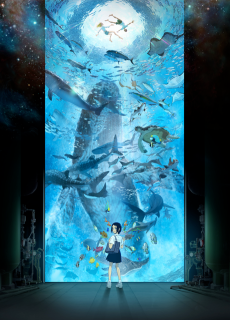
Ruka’s breathless dive into the ocean’s indigo void mirrors the silent, awe-struck drift of a lone trader ship through X3: Reunion’s star-dusted nebulae—both moments pulse with 🌿 Melancholic Exploration. Unlike most sci-fi epics fixated on conquest, each embraces vastness not as territory to claim, but as mystery to inhabit: Umi and Sora’s fluid, wordless communion with deep-sea life echoes the player’s quiet sovereignty over empty sectors, where empire-building feels less like domination than tender stewardship. That shared hush—between cosmic scale and intimate wonder—is unexpectedly profound.

Connected through 2 aesthetic dimensions.

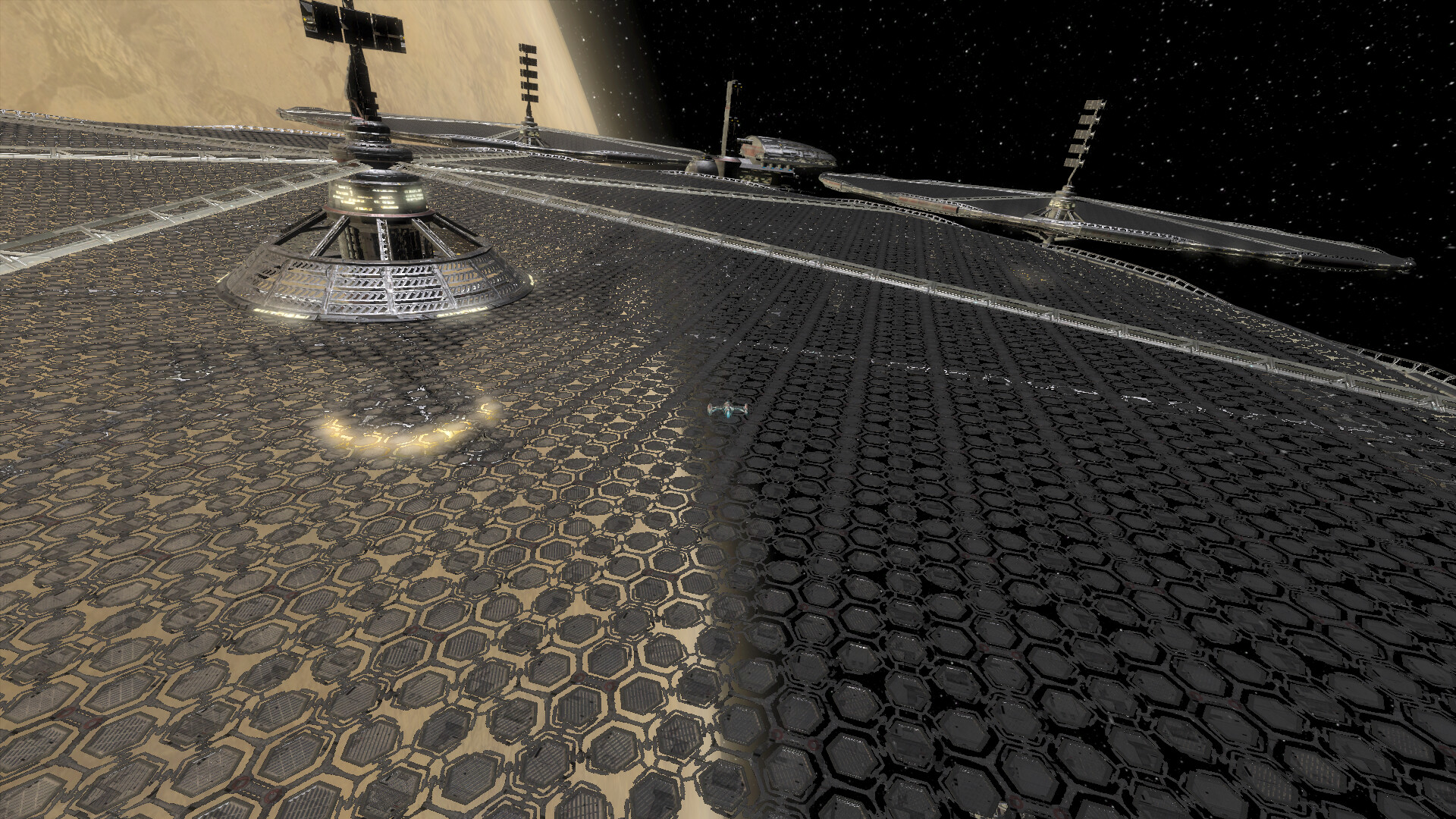
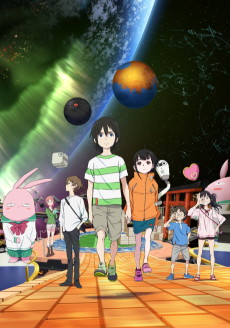
A drifting freighter in X3: Reunion’s silent Kuiper Belt—cold, uncharted, humming with lonely automation—mirrors Mikan’s quiet walks through the empty school corridors in the *Darkness* OVAs, where even crowded hallways feel hollow. Unlike most sci-fi pairings, their resonance isn’t in spectacle but in 🌿 Melancholic Exploration: both linger on the weight of choice amid vast systems—empire-building or emotional vulnerability—where scale amplifies solitude. That shared hush beneath chaos makes the connection unexpectedly poignant.

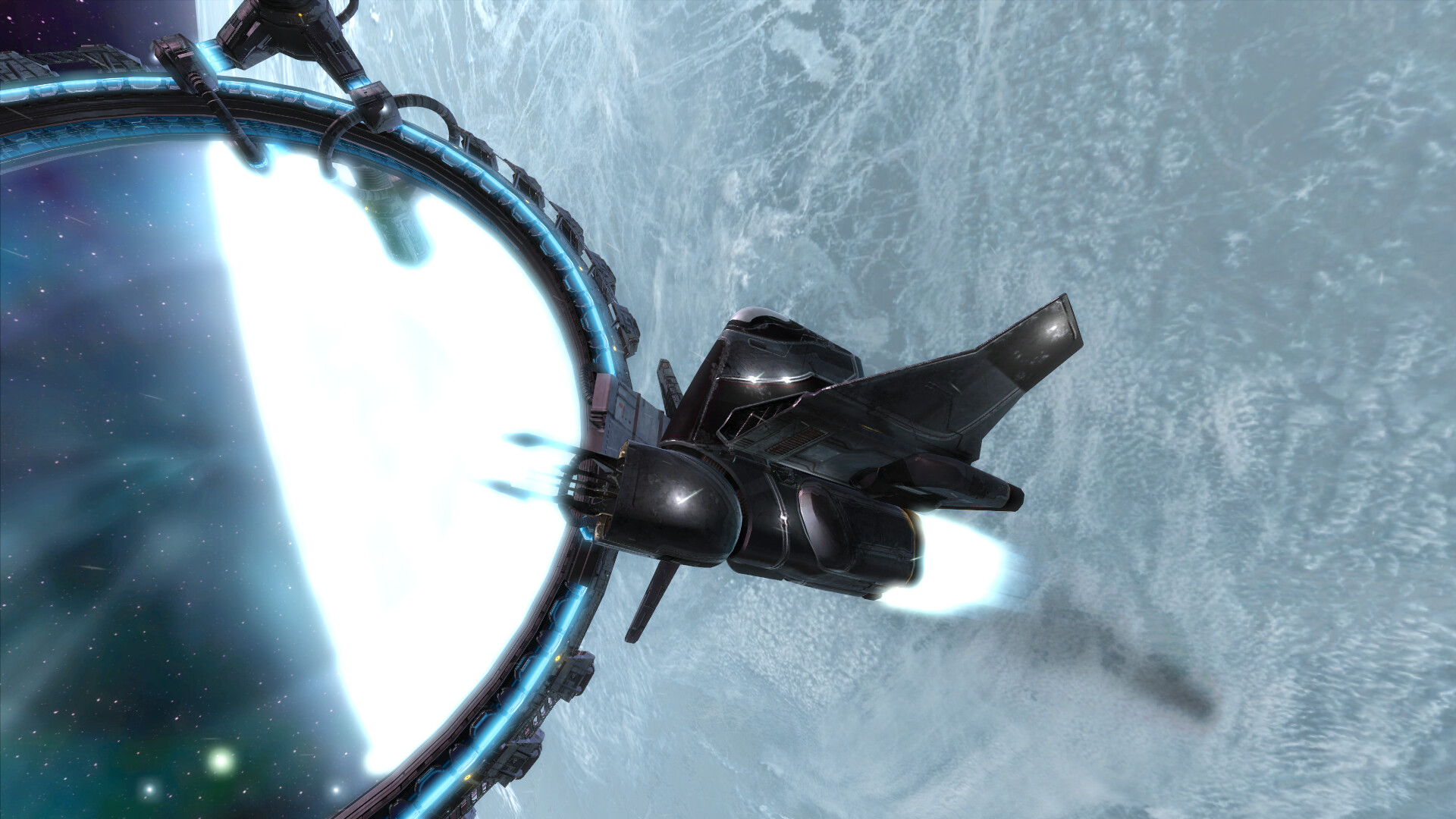
That hollow hum of the *X3: Reunion* jump drive—cutting through silent nebulae as you chart a lonely trade route—echoes the quiet dread beneath Libra’s café chatter in *Blood Blockade Battlefront & Beyond*. Unlike most space operas or urban monster shows, both dwell in melancholic exploration: the game’s vast, indifferent cosmos mirrors the anime’s sealed New York, where humanity negotiates fragile normalcy beside cosmic wounds. It’s startling how deeply both find awe in bureaucratic survival—be it managing freight contracts across sectors or filing interdimensional incident reports at Hellsalem’s Lot.
Connected through 2 aesthetic dimensions.
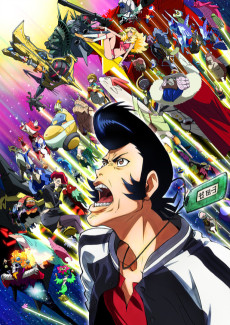
That drifting, rain-slicked neon bazaar in *Space Dandy* Season 2’s “The Space-Time Traveler’s Wife” episode—where time folds and vendors sell regrets—echoes the quiet melancholy of piloting a lone freighter through X3: Reunion’s empty Kuiper Belt sectors at dusk. 🌿 Melancholic Exploration isn’t just backdrop; it’s the shared breath between Dandy’s hollow grin and the player’s silent empire-building amid indifferent stars. Unlike most space adventures, neither offers easy conquest—only fragile meaning stitched across cosmic scale and solitude.

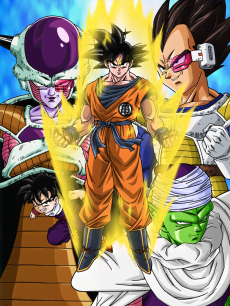
Goku’s solitary childhood in the woods mirrors the X3: Reunion pilot’s first silent drift through an uncharted nebula—both are melancholic explorations of selfhood against cosmic scale. Unlike most shōnen or space sims, neither glorifies conquest; Bulma’s Dragon Ball quest and the player’s slow empire-building unfold with quiet reverence for discovery over domination. That shared 🌿 Melancholic Exploration makes their sci-fi vastness feel intimate, not empty.

Connected through 2 aesthetic dimensions.

Connected through 2 aesthetic dimensions.

Connected through 2 aesthetic dimensions.


Match Dimensions Explained
❓Frequently Asked Questions
Why is Children of the Sea recommended for X3: Reunion fans?
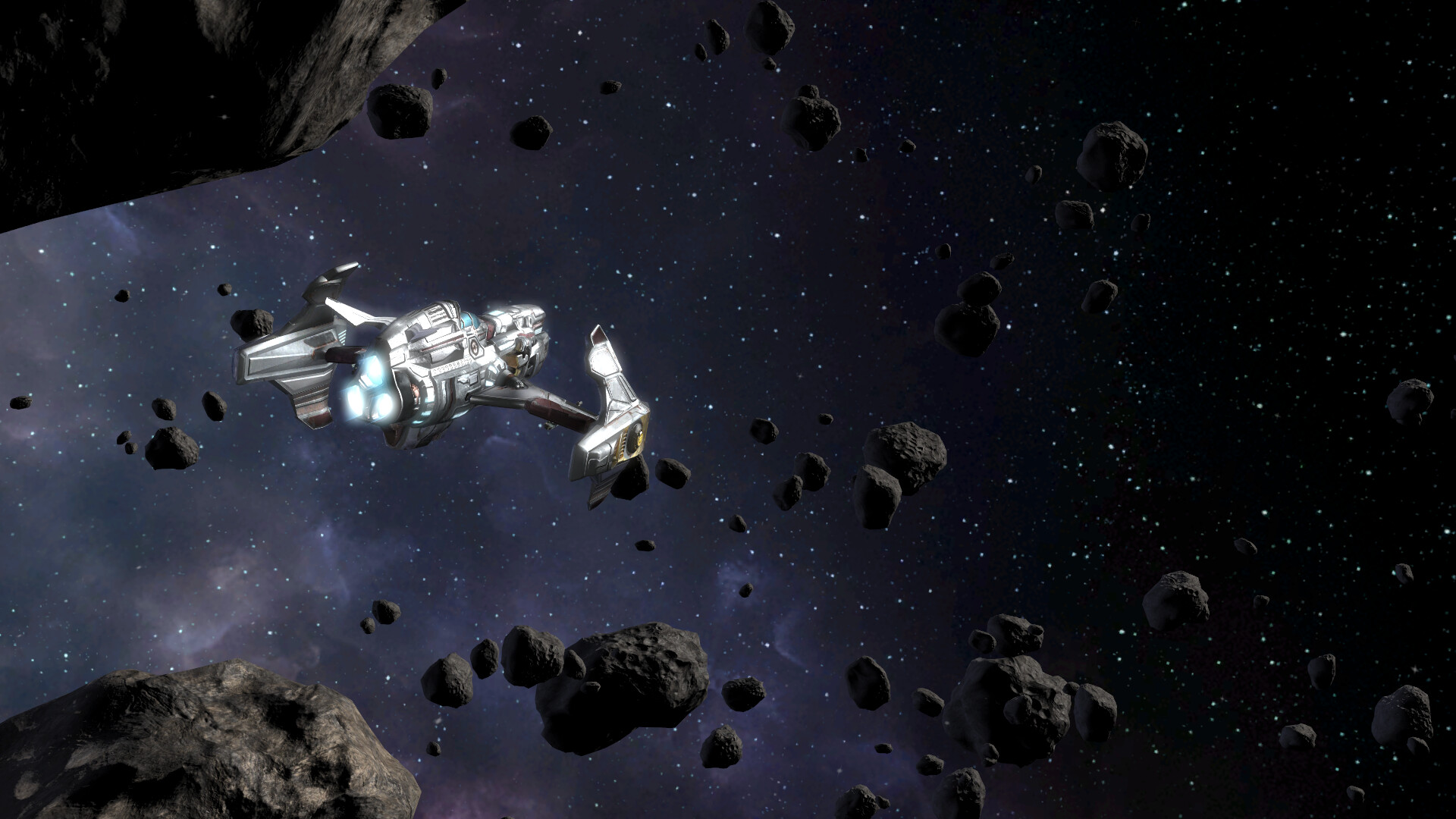
Because both lean hard into melancholic exploration of vast, mysterious spaces—like when Ruka floats weightlessly in the ocean’s abyss mirroring X3’s silent drift through asteroid fields near Argon Prime. The slow-burn awe, quiet character introspection, and emphasis on scale over exposition (think Kaito’s wordless star-gazing vs. X3’s unguided first jump into the Teladi sector) hit the same emotional frequency.
Is there an anime adaptation of X3: Reunion?
Nope—X3: Reunion has never been adapted into an anime. But if you love its blend of lonely spacefaring and systemic depth, Blood Blockade Battlefront & Beyond nails that vibe: think Leonardo’s silent, rain-slicked rooftop vigil over Hellsalem’s Lot echoing your solo patrol in a Mamba fighter near the Omicron Lyrae nebula—same sense of being small but consequential in a sprawling, lived-in cosmos.
How does Space Dandy 2 compare to X3: Reunion in tone and pacing?
Space Dandy 2 trades X3’s methodical empire-building for absurdist, episodic joyrides—but they share that ‘wandering frontier’ soul. Like when Dandy’s ship drifts past a sentient nebula while humming off-key, it mirrors X3’s unplanned detours: say, stumbling on a derelict Teladi freighter mid-trade run and spending 20 minutes scanning debris instead of docking at Albion. Both reward curiosity over checklist completion.
What’s the best anime like X3: Reunion if I want that quiet, reflective spacefaring mood?
To LOVE-Ru Darkness OVA—it’s unexpectedly perfect. Forget the harem tropes; focus on Yami’s lone flight through the void in Episode 5, her ship’s cockpit lit only by console glows as she drifts past a fractured moon—exactly like those hushed moments in X3 when you pause mid-combat near the Sol System’s edge, watching distant freighters blink across the HUD while ambient synth hums. That shared stillness amid cosmic scale? Chef’s kiss.