
Cowboy Bebop
Enter a world in the distant future, where Bounty Hunters roam the solar system. Spike and Jet, bounty hunting partners, set out on journeys in an ever struggling effort to win bounty rewards to survive.
While traveling, they meet up with other very interesting people. Could Faye, the beautiful and ridiculously poor gambler, Edward, the computer genius, and Ein, the engineered dog be a good addition to the group?
📺Anime Details
📝Editorial Analysis
The cigarette smoke hangs in the zero-G cabin of the Bebop, curling like a question mark above Spike’s half-lit face as the ship drifts past a derelict orbital station—its skeletal frame silhouetted against the bruised purple of deep space. No music swells. Just the low hum of failing life support, the faint clink of Jet’s coffee mug on the console, and the quiet whirr-click of Ein’s tail thumping once against the floor. That silence isn’t empty. It’s weighted—full of debts unpaid, names unspoken, futures already buried.
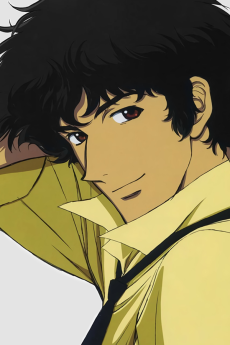


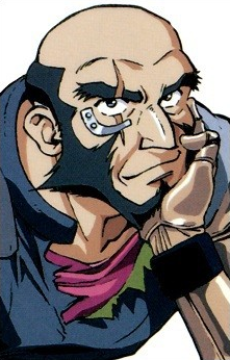
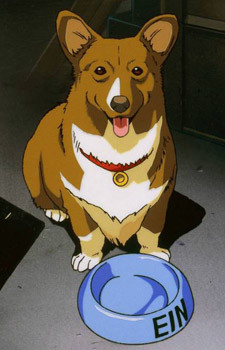
What makes Cowboy Bebop ache so deeply isn’t its jazz soundtrack or its space-western trappings—it’s how it treats time like a wound that never scars over. Every bounty job is a detour from grief. Every new planet is just another mirror reflecting what the crew left behind: Spike’s fractured past, Faye’s erased memory, Jet’s quiet disillusionment, Edward’s rootless brilliance. There’s no grand arc toward redemption—just melancholic exploration, moment to moment, orbit to orbit, each episode a self-contained sigh in a universe that doesn’t pause for mourning. It’s noir not because of trench coats and rain-slicked alleys, but because it sees beauty in decay, intimacy in distance, and family in the fragile, temporary alignment of broken people who choose to share a rust-bucket ship instead of vanishing into the static.
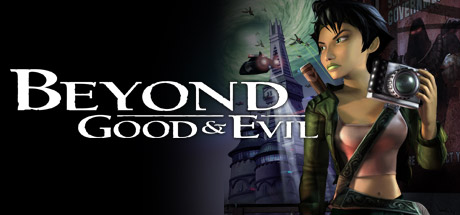
That same emotional gravity pulses through Beyond Good and Evil™, where Jade moves through a neon-drenched alien world not as a savior, but as a witness—her camera clicking like a heartbeat amid crumbling infrastructure and state lies. The description calls it an “investigative reporter” story; the player review calls it “crazyyy,” but what lingers is the emotional narrative: Pey’j’s loyalty, the quiet exhaustion in Jade’s shoulders when she lowers her lens, the way hope flickers—not as triumph, but as stubborn persistence. Like Spike choosing to walk away from Vicious one last time, Jade chooses to keep filming even when the truth hurts more than silence.
Then there’s Tank Universal, whose description nails it: “Explore a rich virtual sci-fi 3D world… large-scale tank combat.” But the player review cracks it open—“Play cool tank game with dad when you were 6… Love the cool sound effects, and the colors. time goes on; loose access to game. Grew up dad passes away…” That line isn’t about gameplay—it’s about melancholic exploration and sci-fi & space as vessels for memory. Just as the Bebop’s corridors hold echoes of Jet’s old ISS crew or Spike’s vanished dojo, Tank Universal’s humming chassis and saturated vectors hold a childhood warmth now irrevocably distant. Both ask you to move forward inside machines that remember what your hands used to know.
And Second Sight, with its “atmospheric, psychological thriller narrative” and “paranormal psychic abilities,” lands in that same dim, smoky corner of the psyche where Cowboy Bebop lives. The player says it’s “one of my favourite games of all time… despite its age and wonky mechanics… loved this game for its story and mec…”—that “mec” (mechanics) isn’t polished, but it works, like the Swordfish II’s rattling hydraulics or the Bebop’s temperamental espresso machine. Its noir isn’t visual shorthand—it’s structural: fragmented memories, unreliable perception, the slow dawning that the enemy might be inside your own skull. Like Spike staring at his reflection in a bar mirror, wondering if the man looking back is real—or just the ghost he’s been chasing.
This isn’t for fans of tidy resolutions or power fantasies. It’s for the person who replays the Bebop’s final shot—the empty chair at the table, the untouched cup—then closes their eyes and hears the bassline fade into static. It’s for the one who still has their dad’s old Tank Universal CD case tucked in a drawer, or who paused Second Sight mid-mission just to watch rain slide down a virtual window. It’s for anyone who finds beauty in the worn grooves of a record, comfort in the smell of ozone and old wiring, and family not in blood—but in the shared, unspoken understanding that some journeys don’t end. They just… drift. And that’s enough.
🎮105 Games That Match the Vibe
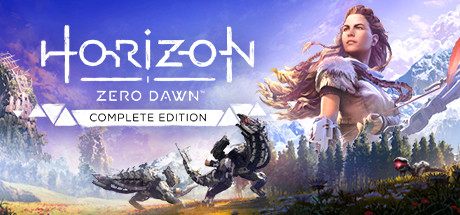






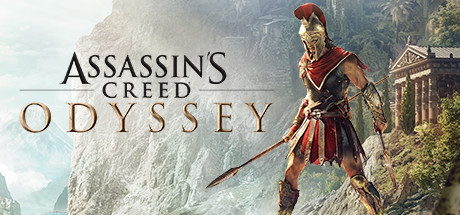














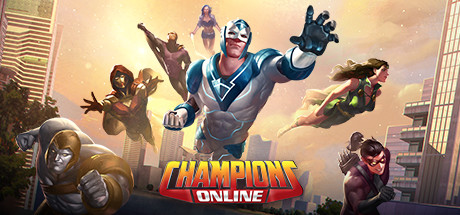



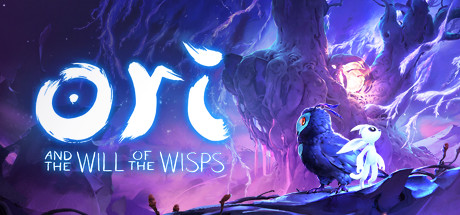
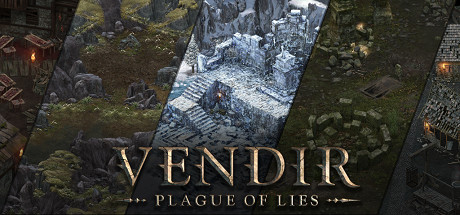
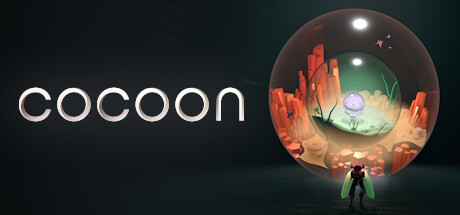

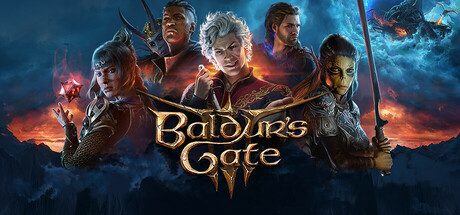


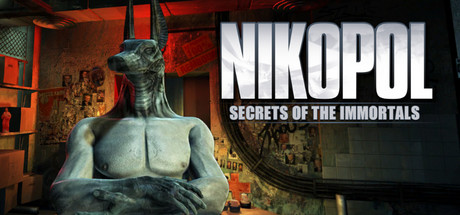

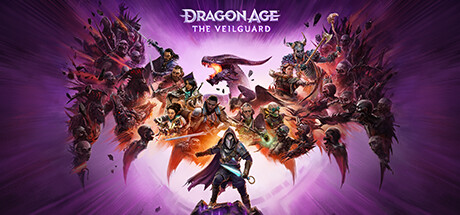
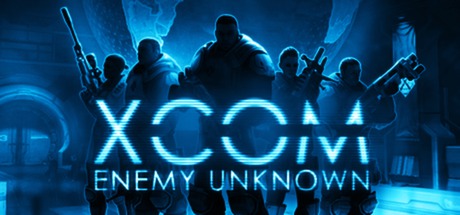
















Match Dimensions Explained
❓Frequently Asked Questions
Why does Beyond Good and Evil feel so much like Cowboy Bebop despite having no space cowboys?
It nails that same melancholic exploration and neon-noir mood—Jade’s quiet moments on the docks of Hillys, investigating corruption while listening to jazzy synth tracks, echo Spike’s brooding city strolls in Mars’ rain-slicked alleys. The emotional narrative hits hard too, especially with Pey’j’s loyalty and the bittersweet tone of the 20th Anniversary Edition’s remastered cutscenes—just like how Cowboy Bebop balances action with sudden, gut-punch vulnerability.
Is there a Cowboy Bebop video game adaptation?
No official Cowboy Bebop game exists—not from Bandai Namco, Aniplex, or any licensed developer. Fans have long hoped for one, but the closest you’ll get are tonally aligned experiences like Rogue Trooper (with its lone-warrior-on-a-poisoned-planet vibe) or Second Sight (its psychic stealth and moody, rain-drenched sci-fi corridors feel like a live-action Bebop episode directed by Watanabe).
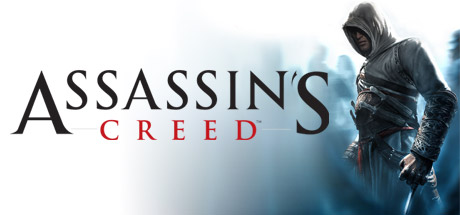
Beyond Good and Evil vs. Assassin’s Creed: which one captures Cowboy Bebop’s ‘laid-back but lethal’ energy better?
Beyond Good and Evil wins hands-down—it’s got Jade’s effortless cool, investigative pacing, and that signature blend of jazz-infused calm and sudden, scrappy combat (like her staff takedowns echoing Spike’s martial precision). Assassin’s Creed leans harder into tactical warfare and historical weight, with Altaïr’s rigid mission structure and parkour-heavy chases feeling more like *Samurai Champloo* meets *Assassin’s Creed*, not Bebop’s loose, improvisational flow.
What’s the best game like Cowboy Bebop if I just want that lonely, rainy-space-noir vibe?
Tank Universal is your unexpected gem—its virtual sci-fi world glows with Tron-meets-Bebop neon, and cruising through desolate digital landscapes in your tank, listening to ambient synth pulses and distant radio chatter, mirrors Spike staring out the Swordfish II cockpit at a dying star. That melancholic exploration + sci-fi & space combo (plus those haunting player memories of playing it with a loved one) hits the exact wistful, atmospheric note Bebop fans crave.