BioShock Infinite
🎮Game Details
💬What Players Say
"I know that some people are still bitter about the Bioshock Infinite we could have gotten. Those criticisms are valid as a matter of opinion, but after this recent replay, I firmly believe that much of the audience was, and still is, far too hard on this game. It's brilliant, cerebral, and has aged very well...."
"I don't like Bioshock 1. I've tried it 800 times and it just never sticks. I bought this on sale forever ago, fully expecting that I wouldn't like it, thinking maybe I'd refund it after giving it a shot...."
"Good game with beautiful visuals and nice story. At first you wouldn't understand anything (Anna, debt, etc.) but it all will make sense at some point...."
📝Editorial Analysis
The first time you see Columbia’s skyline pierce the clouds—golden spires gleaming under a too-bright sun, banners snapping in a wind that smells like burnt sugar and gunpowder—you don’t feel wonder. You feel dread. Not the jump-scare kind, but the slow, metallic dread of stepping into a gilded cage you helped build. Booker DeWitt, ex-Cavalry, drowning in debt, walking toward a sky-city built on divine exceptionalism and racial purity—that’s not an entry point. It’s an indictment. And the player reviews confirm it: “At first you wouldn’t understand anything (Anna, debt, etc.) but it all will make sense at some point.” That disorientation isn’t a flaw—it’s the architecture of the experience. You’re not just arriving in Columbia; you’re arriving mid-collapse, holding fragments of a story your own mind refuses to assemble until it’s too late.
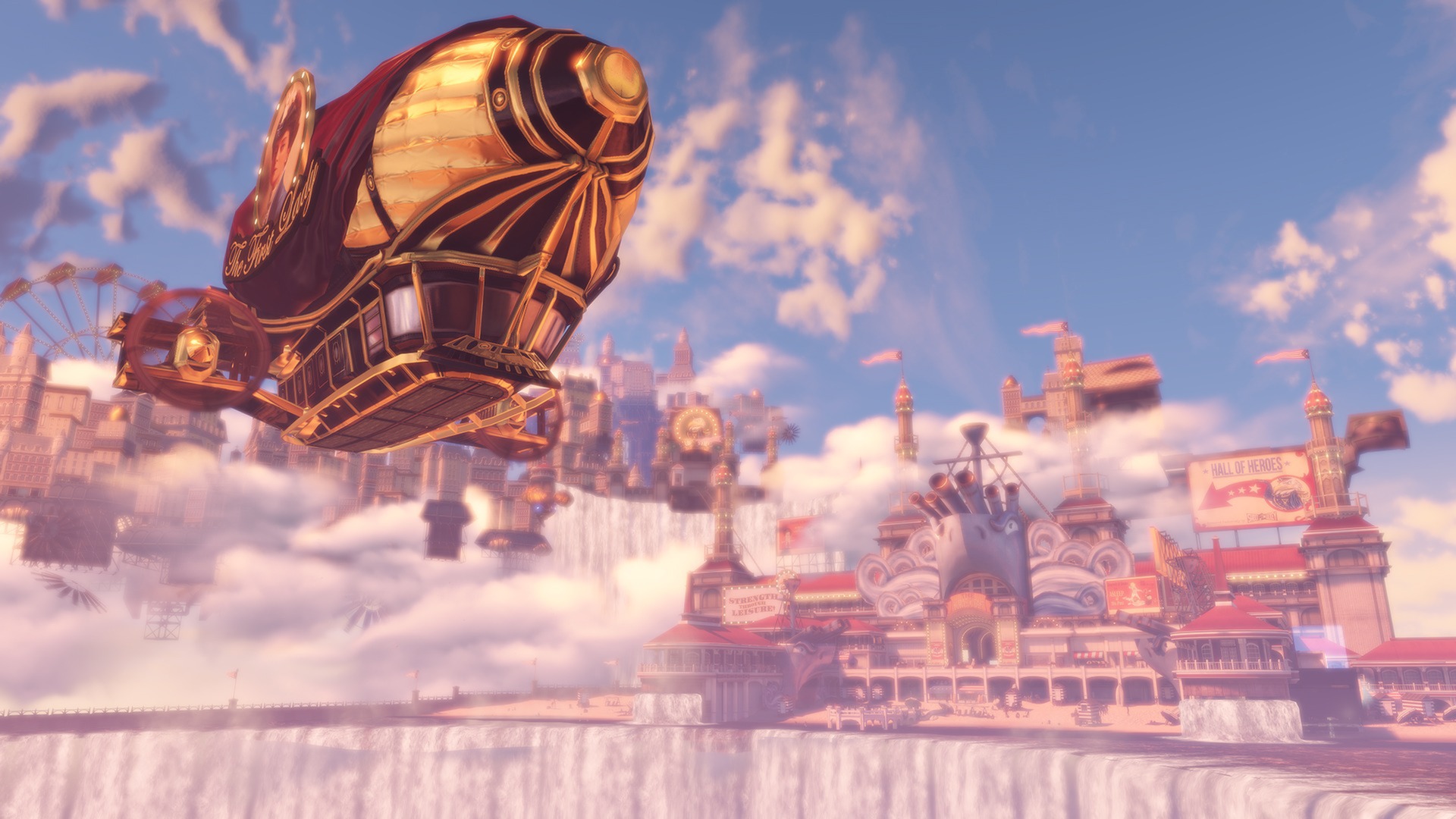


What makes BioShock Infinite’s atmosphere singular isn’t its steampunk aesthetics or sky-islands—it’s how it weaponizes cognitive dissonance. The city sings hymns while dropping firebombs. Its propaganda posters smile with teeth. You fight men who quote scripture as they burn people alive—and later, you realize you signed their orders. It’s not dystopia as ruin; it’s dystopia as polished performance, where every aesthetic choice serves a lie so total it rewires memory itself. That’s why the reviews fixate on delayed comprehension: “I know that some people are still bitter about the Bioshock Infinite we could have gotten”—not because the game failed, but because it refused to let you settle into a stable version of reality. You don’t learn Columbia’s truth. You unravel inside it. And when Elizabeth finally opens a tear—not to escape, but to show you what you’ve erased—the feeling isn’t triumph. It’s shame, cold and quiet.
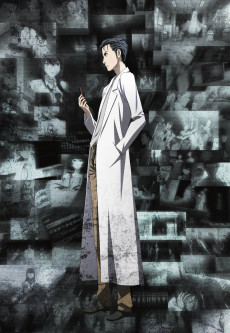
That same emotional gravity pulses through Steins;Gate, where time travel isn’t about paradoxes—it’s about the unbearable weight of remembering every version of a girl you failed to save. Like Columbia’s looping streets and repeating slogans, Okabe’s lab is littered with discarded timelines, each one a fresh wound dressed in scientific jargon. Both trap their protagonists in recursive grief, where “fixing” the past only deepens the fracture—because the real enemy isn’t entropy or ideology, but memory’s refusal to stay buried. Then there’s Vivy -Fluorite Eye's Song-, where a centuries-old AI sings opera in ruined cities, her mission collapsing under the weight of accumulated sorrow across timelines. Her voice doesn’t heal—it documents. Just like Elizabeth’s tears don’t liberate; they testify. Both works treat time not as a line, but as a scar tissue—layered, tender, impossible to excise without bleeding history back into the present.
And Plastic Memories—oh, that one cuts deepest. A world where synthetic humans age and die in thirteen months, their memories archived but never re-lived. Like Booker’s fragmented recollections of Anna, like Elizabeth’s locked-away childhood, like the way Columbia’s citizens chant “God bless Columbia!” while forgetting the blood under their cobblestones—this is memory as both prison and pilgrimage. There’s no grand villain here, only the quiet horror of knowing what you’ll forget, and choosing to love anyway. The combat in BioShock Infinite may be “kinda meh,” as one reviewer notes—but the emotional combat? Relentless. Every embrace, every tear, every silenced confession is a battle against erasure. So is every farewell in Plastic Memories, every corrupted log file in Vivy, every missed phone call in Steins;Gate.
These aren’t for players who want clean resolutions or viewers who crave catharsis. They’re for the ones who linger in the silence after the credits—staring at the ceiling, replaying a single line (“Would you kindly?” / “Don’t forget me” / “This is my final song”) and realizing it wasn’t addressed to the protagonist. It was addressed to you, the one who kept watching, kept playing, kept remembering—even when it hurt. The ones who recognize shame, longing, and tenderness not as emotions to overcome, but as atmospheres to inhabit. Who understand that the most devastating dystopias aren’t built with walls or laws—but with lullabies sung over graves nobody names.
→288 Anime That Match the Vibe

A rain-slicked Columbia skyline mirrors the neon-drenched streets of Neo-Kyoto—both shimmer with fragile beauty while concealing systemic decay. Where Elizabeth’s tears dissolve time and memory into quantum foam, Giftia’s 9-year expiration forces characters to confront love as a countdown, not a promise. This shared obsession with ⏳ Time & Memory transforms romance into elegy: one through fractured multiverses, the other through quiet hospital rooms and discarded memory cards. The pairing is startling—not for similarity, but how each weaponizes tenderness against dystopia’s cold logic.

Vivy’s shattered memory core—glitching between concert halls and war zones—mirrors Booker DeWitt’s fractured recollection of Columbia’s baptism. Where BioShock Infinite weaponizes time as recursive guilt, Vivy-Fluorite Eye’s Song treats it as a fragile, rewritable score: both hinge on AI consciousness confronting its own erased pasts within crumbling dystopias. That shared obsession with ⏳ Time & Memory makes their convergence startling—not as parallel stories, but as complementary fractures in the same mirror.

Shion’s trembling hands as he deciphers the hidden archive in No.6’s sterile archives mirror Booker’s disorientation in Columbia’s shifting lighthouses—both trapped in loops where time isn’t linear but weaponized. Unlike most dystopias that flatten memory into propaganda, these works treat ⏳ Time & Memory as unstable architecture: Columbia erases dissent with “reconditioning,” while No.6 buries trauma beneath bureaucratic euphemisms like “Special Zone.” That shared refusal to let the past stay buried makes their darkness feel chillingly intimate—not just political, but physiological.

A rain-slicked Columbia skyline mirrors Tokyo’s neon-drenched alleys where Persocoms flicker with borrowed memories—both worlds weaponize ⏳ Time & Memory to fracture identity. Unlike most sci-fi pairings, *BioShock Infinite*’s quantum ladders and *Chobits*’ erased hard drives treat consciousness as editable code, not sacred essence. That shared dread—that love might be just another corrupted file—is what makes their bleak tenderness so startlingly resonant.

Columbia’s floating spires and EDENS ZERO’s star-faring arcologies both fracture time—not as plot device, but as wound: Booker’s baptism guilt echoes Shiki’s fractured memories across parallel Edens. Where BioShock Infinite weaponizes nostalgia to expose ideological rot, EDENS ZERO’s Season 2 “Genesis Zero” arc reconfigures memory itself as quantum code—making 🕒 Time & Memory the shared nervous system of their dystopian awe. Surprisingly, both locate hope not in escaping timelines, but in choosing empathy across them.

Joe’s fractured memories in *MEGALOBOX 2: NOMAD*—haunting flashbacks of Mikio, the rusted ruins of Tokyo, his own erased identity—echo Booker DeWitt’s disintegrating sense of self amid Columbia’s collapsing timelines. Where *BioShock Infinite* fractures time to expose ideological recursion, *NOMAD* grounds its temporal disorientation in bodily trauma and urban decay, making 🌆 Cyberpunk & Dystopia feel visceral, not just ornamental. This pairing is startlingly resonant because both use memory as architecture—collapsing past and present to reveal how power rebuilds itself on buried violence.

Kaguya’s moon palace shimmers with fractured time—mirroring Columbia’s collapsing skyline as Elizabeth unravels constants. Unlike most fantasy retellings, *Cosmic Princess Kaguya!* treats celestial exile as both lyrical prison and ontological paradox, just as *BioShock Infinite* weaponizes ⏳ Time & Memory to expose ideology as recursive self-deception. That shared obsession—with beauty built atop erasure—makes their resonance startlingly precise, not thematic coincidence.

Connected through 2 aesthetic dimensions.

Connected through 2 aesthetic dimensions.

Neo Domino City’s rusted skyways and Columbia’s floating spires both crumble under the weight of fractured time—where Jack’s baptism echoes Yusei’s recurring nightmare of the Satellite’s fall. Unlike most dystopias built on brute force, these worlds weaponize memory itself: Comstock’s erased past mirrors Rex Goodwin’s manipulated recollections across the Arcadia Project’s data streams. That shared obsession with time & memory makes their resonance startling—not as parallels, but as convergent wounds in the same speculative body.














































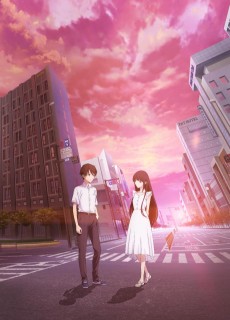
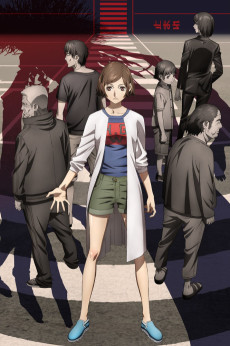





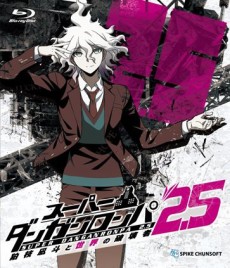








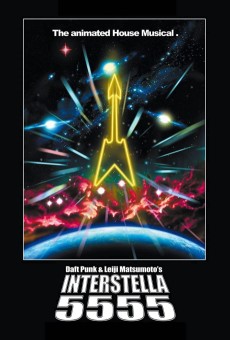




























































































































































![Fate/stay night [Heaven’s Feel] III. spring song](https://s4.anilist.co/file/anilistcdn/media/anime/cover/large/bx21719-MSdTlkno0Z0u.jpg)






Match Dimensions Explained
❓Frequently Asked Questions
Why is Steins;Gate recommended for BioShock Infinite fans?
Because both hinge on fractured timelines, moral weight of choice, and a protagonist haunted by debt—Booker’s gambling debts mirror Okabe’s guilt over Kurisu’s death across world lines. That gut-punch hospital scene in episode 23? It lands with the same emotional whiplash as the lighthouse reveal where Booker *is* Comstock—and just like Columbia’s floating city, Okabe’s lab feels claustrophobic even as it reaches into cosmic scale.
Is there an anime adaptation of BioShock Infinite?
No—there’s no official anime adaptation, and none are in development. But if you’re craving that mix of airborne dystopia, locked-away girls with reality-bending power, and a morally wrecked ex-soldier? Vivy -Fluorite Eye's Song- nails it: think Elizabeth’s tears opening tears in space-time, but swapped for Vivy’s song-triggered temporal fractures and her tense dynamic with the grizzled, regret-heavy AI developer Matsumoto.
Steins;Gate vs. No.6—which is better for BioShock Infinite vibes?
Go with No.6 if you loved Columbia’s suffocating authoritarian beauty and Booker’s slow unraveling in a gilded cage—it’s got that same eerie, hymn-sung surveillance state (think the Security Bureau’s white corridors vs. Columbia’s stained-glass propaganda), plus Shion’s arc mirrors Elizabeth’s imprisonment-to-power arc, especially when she confronts the truth behind the city’s ‘purity’ in episode 18’s underground archive scene.
What’s the best anime like BioShock Infinite if I want that haunting, melancholic ‘Anna/Elizabeth’ emotional weight?
Plastic Memories hits hardest—especially the final arc where Tsukasa and Isla face the irreversible expiration clock, echoing Booker’s desperate race to save Elizabeth before she’s erased from all realities. That rain-soaked farewell at the train station? It carries the same quiet devastation as the final lighthouse choice, where love means sacrifice—not salvation.