
Toilet-bound Hanako-kun Season 2
📺Anime Details
📝Editorial Analysis
The fluorescent light above the third-floor girls’ bathroom flickers—once, twice—then dies just as Hanako’s hand emerges from the tile, fingers splayed, knuckles white, water dripping from his sleeve like slow tears. Not menace. Not triumph. Just exhaustion. A quiet, aching weight in his shoulders as he pulls himself up, breath ragged, eyes already scanning the hallway—not for enemies, but for someone who saw. Someone who remembers. That moment isn’t about power or plot—it’s about the unbearable intimacy of carrying history in your bones.
What makes Toilet-bound Hanako-kun Season 2 ache so deeply isn’t its ghosts or its schoolyard battles—it’s how it treats memory like a wound that won’t scab over. Every corridor hums with echoes not of horror, but of unfinishedness: the twin sisters’ fractured identities, the shrine’s buried rites, the way Hanako’s voice catches when he says “I promised.” It’s urban fantasy steeped in grief, not grandeur—where mythology isn’t lore to recite, but trauma passed down through generations of silence. You don’t watch it to escape. You watch it because it holds space—for guilt that lingers like steam on glass, for love that wears the shape of duty, for identity that shifts like wet ink on old paper.
That same resonance lives in BioShock Infinite, where Booker DeWitt’s debt isn’t monetary—it’s temporal, paid in fractured selves and drowned cities. The game’s “Time & Memory” dimension mirrors Hanako-kun’s core tension: what happens when your past isn’t linear, but recursive? When every choice bleeds into another version of yourself standing in the same hallway, same bathroom stall, same vow? A player review admits “some people are still bitter about the Bioshock Infinite we could have gotten”—but that bitterness is kin to Hanako’s own unresolved sorrow: the pain of knowing the story you’re living isn’t the only one, and worse—you helped write the others. Both refuse catharsis. They sit with the echo.
Then there’s Prince of Persia: Warrior Within, where the Prince isn’t chasing glory—he’s fleeing Dahaka, an immortal embodiment of consequence. Hunted. Not by a monster, but by the logic of his own actions—the Sands of Time didn’t grant power; they exposed causality as violence. A player calls Dahaka’s chase “still as goated as it was before”—and that enduring dread? It’s the same pulse that thrums beneath Hanako-kun’s exorcisms: every ritual leaves a scar on the world, every saved life demands repayment in silence, in distance, in the way Nene’s smile tightens just slightly when Hanako vanishes again. Body horror here isn’t gore—it’s the physical toll of memory, the way Hanako’s arm flickers at the edges when he overextends, like reality itself fraying under the weight of what he carries.
And Hellblade II: Senua’s Saga, with its “Body Horror & Occult, Mythology & Folklore, Emotional Narrative”—not spectacle, but sensory truth. Senua doesn’t battle gods; she negotiates with them, bargains with them, listens to them—even when her own mind warps the words. Like Hanako-kun’s spirits, Senua’s deities aren’t allegories. They’re present, breathing, demanding witness. A reviewer doesn’t praise mechanics—they testify: this is mythology as lived experience, not textbook. That’s Hanako-kun’s shrine rituals too—the incense smoke, the whispered chants, the way a yokai’s grief reshapes the air in the room—not as set dressing, but as breath.
You’d love these pairings if you’ve ever paused mid-episode just to stare at a rain-slicked school gate, feeling the hush before thunder—not because something’s coming, but because something’s remembering. If you replay a boss fight not for mastery, but to hear the same line again, the same tremor in the voice. If “tragedy” doesn’t mean downfall—it means continuation, stubborn and tender, like a hand reaching through cracked tile, water dripping, waiting not to be saved—but known.
🎮13 Games That Match the Vibe
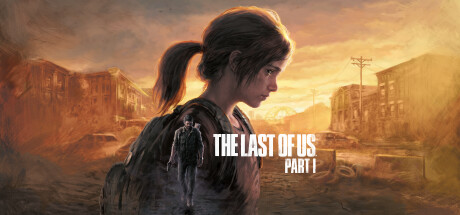
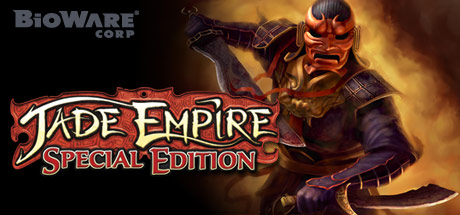
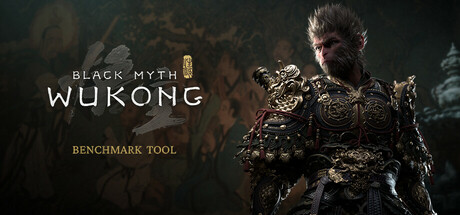
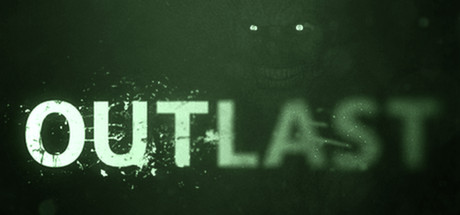
Match Dimensions Explained
❓Frequently Asked Questions
Why does BioShock Infinite keep coming up in Toilet-bound Hanako-kun Season 2 game recommendations?
Because both dive deep into fractured time, unreliable memory, and eerie occult symbolism—like Elizabeth’s tears opening rifts between realities, mirroring Hanako’s shrine-bound liminality and the way Nene’s memories warp perception across episodes. The Columbia skyline’s decaying grandeur also echoes the show’s blend of school-day normalcy and body-horror-tinged spiritual decay.
Is there a Toilet-bound Hanako-kun video game adaptation?
No—not officially. There’s no licensed game based on the anime or manga, which is why fans lean into titles like Prince of Persia: Warrior Within (with its Dahaka chase scenes echoing Hanako’s cursed pursuit) or Hellblade II (for its intimate, trauma-anchored storytelling and Senua’s hallucinatory visions that parallel Nene’s spirit-sensitivity).
How does Prince of Persia: Warrior Within compare to TimeShift™ for Hanako-kun vibes?
Warrior Within leans harder into relentless, atmospheric dread—the Dahaka’s stalking presence feels like Hanako’s ever-present curse, while TimeShift™ focuses more on cerebral time-bending puzzles and clinical body horror (like Krone’s decaying suit and warped alternate reality). Both nail the ‘Time & Memory + Body Horror & Occult’ combo, but Warrior Within’s emotional weight and oppressive tone hit closer to Season 2’s darker character arcs.
What’s the best game like Toilet-bound Hanako-kun Season 2 if I want something emotionally heavy with folklore and spirits?
Hellblade II: Senua’s Saga—it’s unmatched for raw, myth-soaked emotion. Senua’s journey through Norse-inspired realms, her auditory/visual hallucinations reflecting inner turmoil, and the respectful integration of mental health and folklore mirror how Season 2 treats trauma, shrine lore, and Nene’s evolving spiritual empathy. Critics even noted its ‘occult intimacy’ feels spiritually adjacent to Hanako’s quiet, sacred spaces.