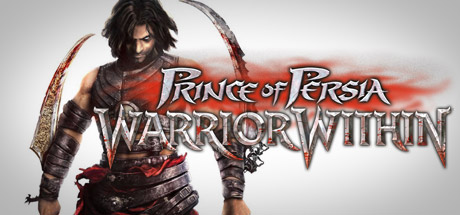
Prince of Persia: Warrior Within™
Enter the dark underworld of Prince of Persia Warrior Within, the sword-slashing sequel to the critically acclaimed Prince of Persia: The Sands of Time™. Hunted by Dahaka, an immortal incarnation of Fate seeking divine retribution, the Prince embarks upon a path of both carnage and mystery to defy his preordained death.
🎮Game Details
💬What Players Say
"I have replayed this game after a decade cause this is my childhood completing it was a journey, dahaka chase is still as goated as it was before but i have my complaints this game is un optimized ubisoft will be ubisoft my game crashed multiple times during critical moments unfortunately this time i got the ending which i didnt want i had to kill kaleena i could replay it again but after experiencing the games bugs i would wanna wait for the remake. but still this is my favorite prince of persia of all time just fix the bugs."
"Prince of Persia: Warrior Within is another game that was introduced to me by my dad, I remember he read the glowing review in a magazine called PSW here in the UK, infamous for their driver 3 review...anyway he bought it, hated the tutorial on the boat, couldn't figure out how to wall run up to get past the first gate in the game and gave up. I borrowed it and the rest is history...."
"While I think the first game is better, mainly because it has better puzzles and less tedious boss fights, I also think this is a must-play in the series. It improves the combat a lot with the introduction of dual-wielding, and it continues the story in a way that's both interesting and logical."
📝Editorial Analysis
The Dahaka’s breath hits first—not as sound, but as pressure. A low, guttural thrum vibrating up through the stone floor of the Island of Time, rattling your teeth before you even see it. You’re sprinting across a crumbling bridge slick with rain and blood, sword in hand, lungs burning—not from exertion alone, but from the weight of being hunted by something older than gods, something that doesn’t chase you for what you did, but for what you are: a wound in Fate itself. That’s the core of Prince of Persia: Warrior Within™, not just action, but pursuit as philosophy. As one player put it, “Dahaka chase is still as goated as it was before”—and they’re right. It’s not just a mechanic; it’s a presence, an inevitability given claws and ash.
This game doesn’t want you to feel clever or triumphant. It wants you to feel cornered by time. The official description calls it “a path of both carnage and mystery to defy h”—cut off mid-sentence, like fate itself refused to let the sentence finish. That fragmentation isn’t accidental. Every corridor drips with damp decay, every torch flickers like a dying pulse, every combat encounter bleeds into the next without pause—no breathing room, no save points mid-chase, no mercy. It’s not grimdark for spectacle’s sake. It’s exhausted. Haunted. You don’t master this world—you survive its rhythm, learning when to dodge, when to parry, when to run—not because you’re weak, but because the rules are bent, and the cost of defiance is written in scar tissue and sand that never settles. It makes you think about consequence not as punishment, but as echo: every choice reverberates, not in plot branches, but in texture—the grit under your boots, the tremor in your hands, the way memory feels heavier than muscle.
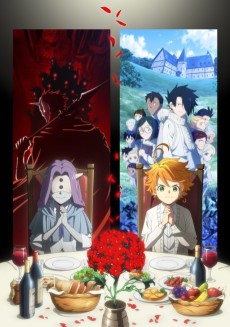
Frieren: Beyond Journey’s End shares that same quiet, aching gravity of time. Not the flashy rewinds of Link Click Season 2, but the slow erosion of centuries—how a single vow outlives empires, how grief doesn’t fade, it settles, like dust in abandoned halls. Frieren’s silence isn’t emptiness; it’s fullness too heavy to name. Like the Prince’s muted voiceovers, her pauses hold more than exposition—they hold memory as weight. Both refuse catharsis on demand. Victory isn’t clean. It’s weary. It’s earned in small, unglamorous acts: a shield raised at the last millisecond, a spell cast not to win, but to endure one more day.
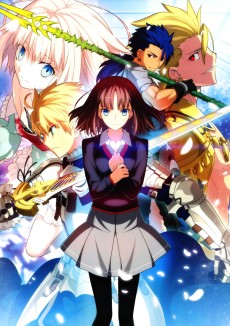
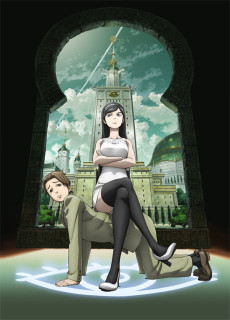
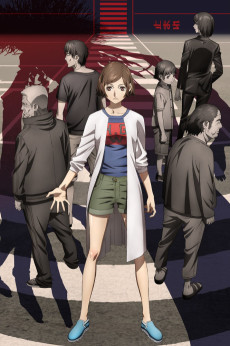
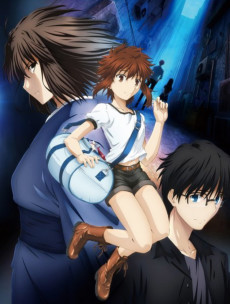
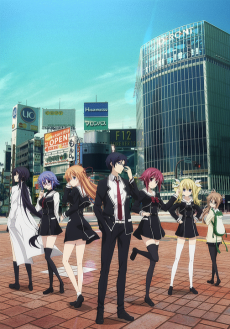
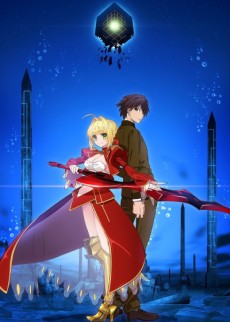
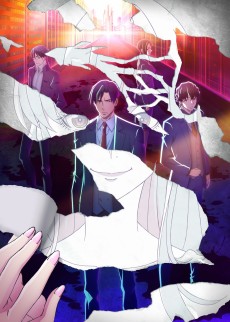
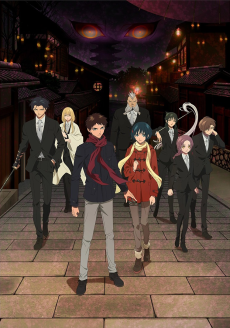
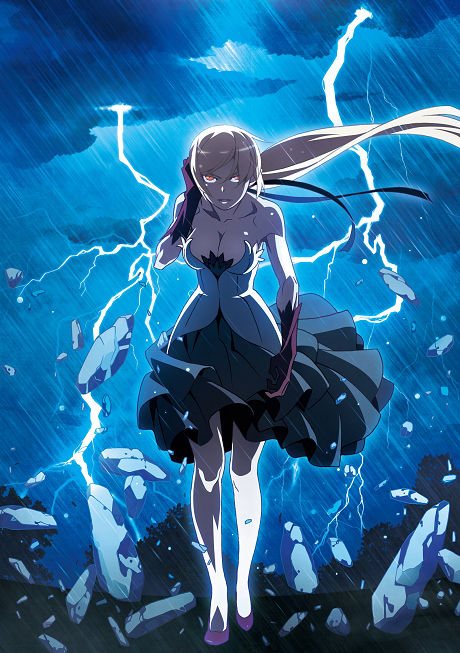
The Garden of Sinners Chapter 5: Paradox Paradigm matches not in plot, but in texture of dread. Here, causality isn’t broken—it’s infected. Like the Dahaka, the antagonist isn’t evil in motive, but in function: a logical conclusion made flesh, hunting not for vengeance but for correction. The Prince doesn’t fight fate—he collides with it, again and again, in corridors that twist back on themselves, in fights where enemies respawn not as difficulty spikes, but as symptoms of a timeline refusing to heal. The anime’s clinical horror—its sterile labs, its cold blue light, its obsession with what happens when memory becomes weaponized—mirrors the game’s own claustrophobic logic: you can’t outrun the past because the past is the architecture.
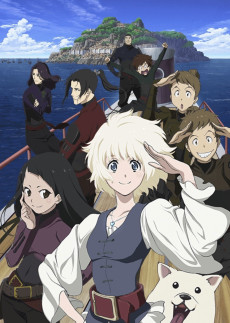
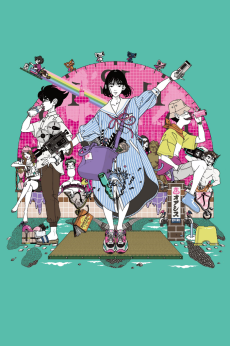
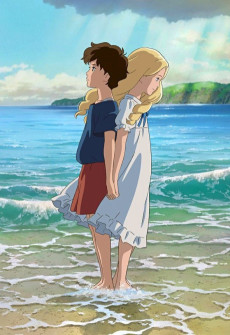
And Maquia: When the Promised Flower Blooms lands with devastating precision on the dimension of Adult & Dark Seinen. This isn’t coming-of-age—it’s aging into loss. The Prince isn’t a boy becoming a king; he’s a young man realizing his survival has already cost him everything soft. Maquia’s immortality isn’t power—it’s isolation carved into bone. Her love for her adopted son isn’t idealized; it’s frantic, flawed, terrified—just like the Prince’s desperate grabs at control, his refusal to kneel, his flinching at touch. Both understand that time doesn’t grant wisdom—it grants witness, and witnessing enough suffering turns your hands permanently stained, even if you never drew blood yourself.
This pairing isn’t for fans of slick power-ups or tidy resolutions. It’s for the person who replays Prince of Persia: Warrior Within™ after a decade—not to relive glory, but to sit again with that exhaustion, to feel the Dahaka’s breath against their neck and remember how it felt to be that kind of young: raw, scared, certain the world was built to punish you for breathing too loud. It’s for the viewer who watches Frieren stare at a fallen leaf and feels their throat tighten—not because it’s sad, but because it’s true. For the one who watches Maquia cradle a grown man she once rocked to sleep and doesn’t look away. These aren’t stories about winning. They’re about carrying what you can’t bury—and walking forward anyway, sword heavy, heart weary, eyes wide open.
→292 Anime That Match the Vibe

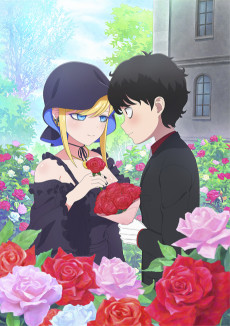
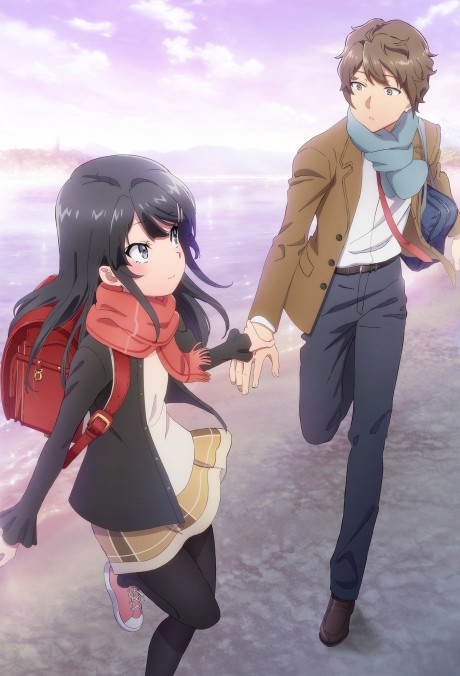
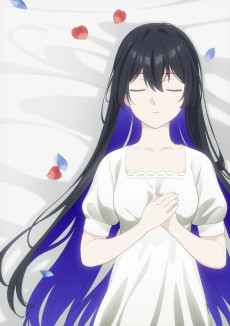
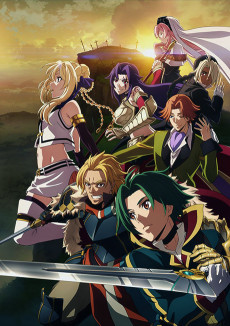
Dahaka’s relentless pursuit mirrors Maquia’s quiet dread of time’s erosion—both works weaponize ⏳ Time & Memory not as abstraction but visceral weight: the Prince flees his past like a wound, while Maquia stitches Hibiol to hold fleeting moments against centuries. Unlike most dark fantasy, neither offers escape—only endurance amid irreversible loss. This pairing surprises by revealing how sword-slashes and woven cloth alike become desperate, beautiful acts of resistance against oblivion.
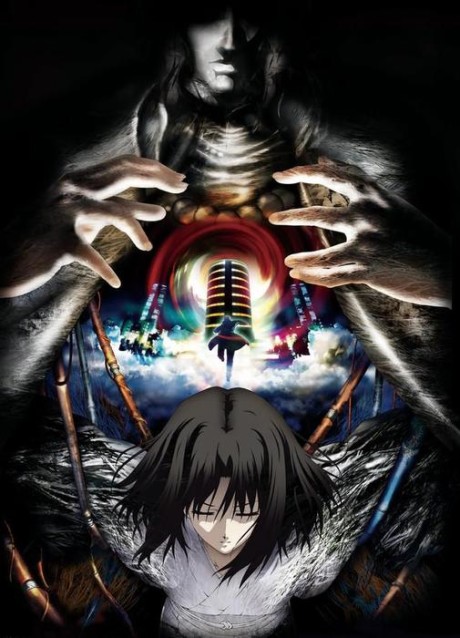
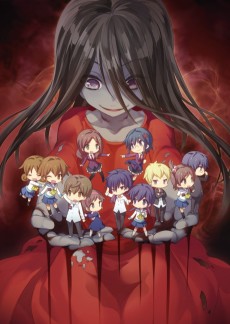
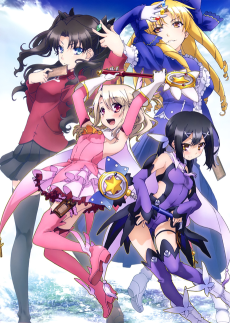
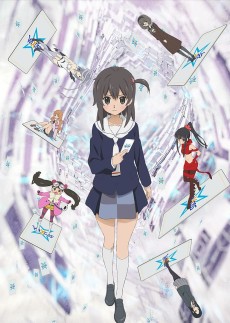
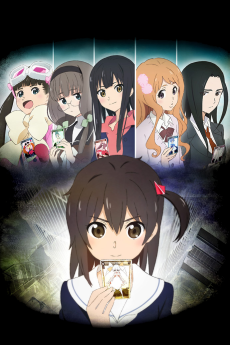
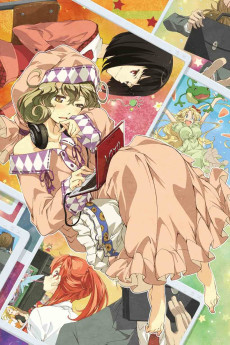
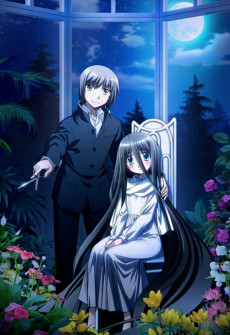
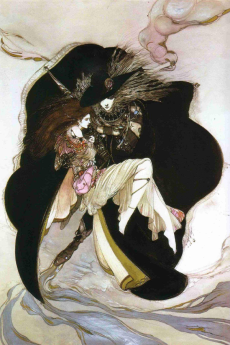
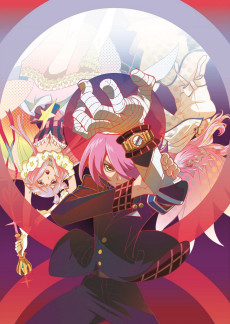
Dahaka’s relentless pursuit mirrors Tomoe’s haunted flight from his own past—both are hunted not by external enemies alone, but by time’s irreversible verdict. Where *Warrior Within* weaponizes memory as a labyrinth of regret, *Paradox Paradigm* fractures identity across temporal echoes, grounding its supernatural dread in the quiet horror of recognition: Shiki seeing her younger self in Tomoe’s eyes. This shared obsession with ⏳ Time & Memory makes their darkness feel tragically intimate—not epic, but inescapable.

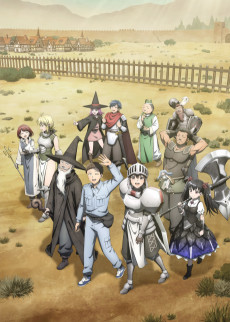
Frieren’s quiet grief over Stern’s grave mirrors the Prince’s haunted sprint through crumbling time-ruins—both ache with the weight of ⏳ Time & Memory as irreversible force. Where Warrior Within weaponizes Dahaka’s relentless pursuit to fracture narrative chronology, Frieren lingers in stillness, letting decades settle like dust on a forgotten spellbook. This contrast—frantic entropy versus elegiac stasis—makes their dark fantasy resonance startlingly tender: trauma isn’t conquered, but carried forward, differently.
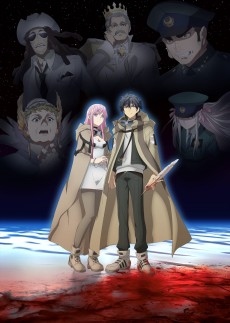
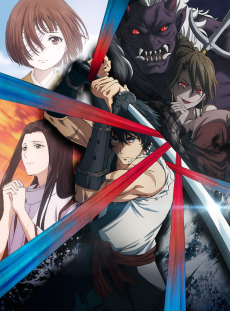
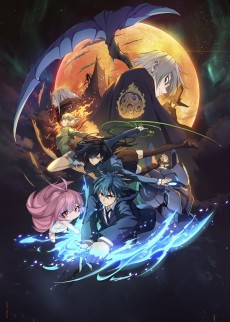
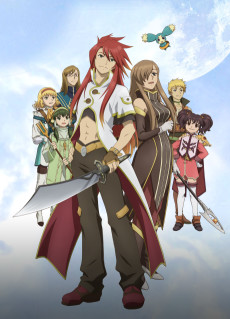
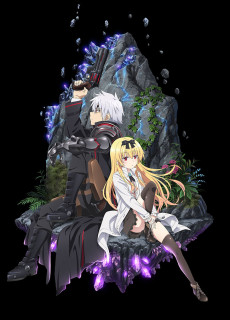
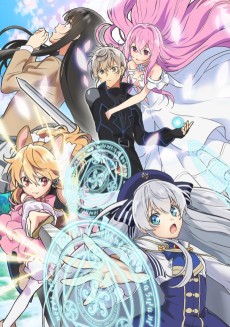
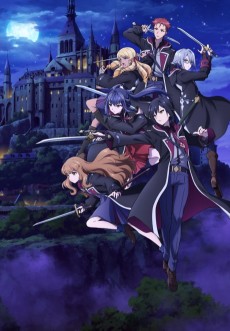
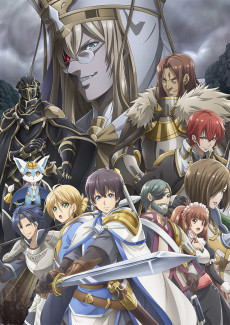
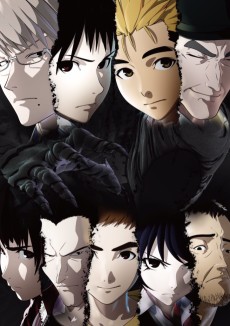
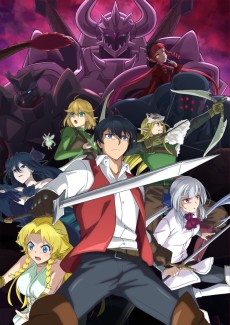
Dahaka’s relentless pursuit across crumbling time-ruined ruins mirrors Kirito’s descent into the Underworld of the Human Realm—where every shadowed corridor in the Dark Territory echoes Warrior Within’s oppressive dread. ⏳ Time & Memory isn’t just backdrop; it’s weaponized: the Prince flees his own timeline’s consequences, while Kirito confronts fragmented memories rewritten by the Integrity Knights’ divine code. Unlike most dark fantasies that externalize evil, both anchor horror in the self—making their convergence startlingly intimate.
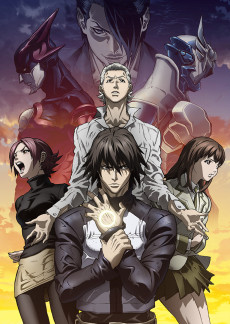
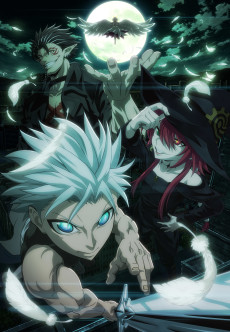
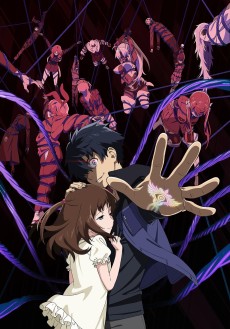
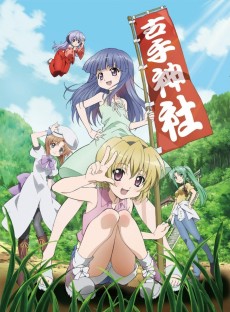
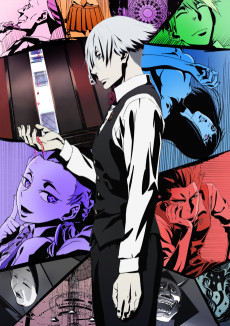
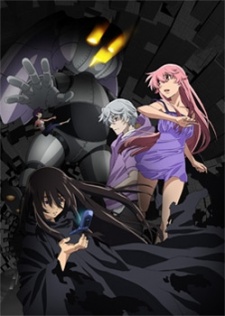
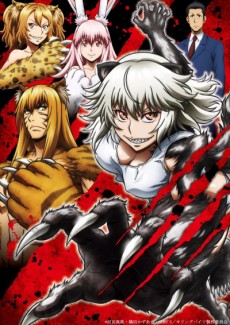
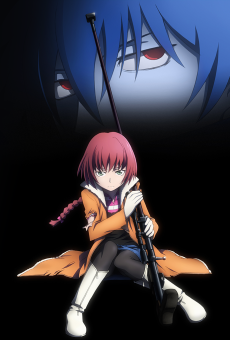
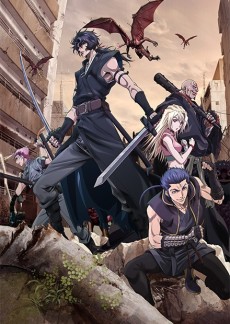
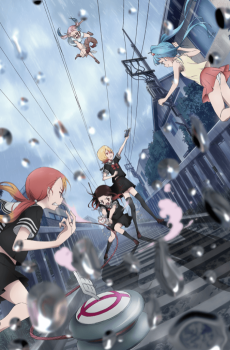
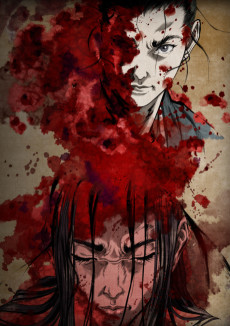
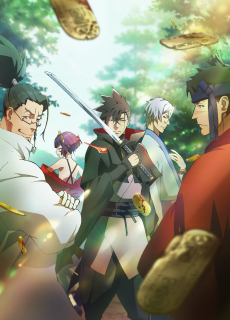
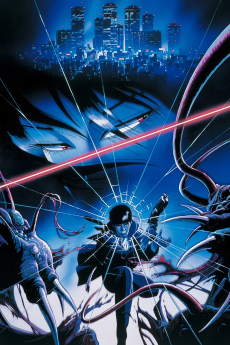
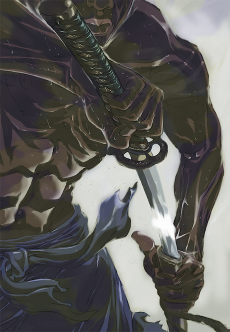
Both *Warrior Within* and *Gleipnir* dwell in a suffocating, rain-slicked liminality where time isn’t linear but cyclical trauma—echoing in the Prince’s sand-choked corridors of regret and Shuichi’s looping, blood-streaked alleyways. Their palettes bleed bruised purples, oil-slick blacks, and sickly amber light; every shadow feels sentient, every corridor a memory that won’t release its grip. T...
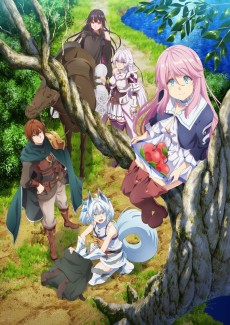
Connected through 2 aesthetic dimensions.
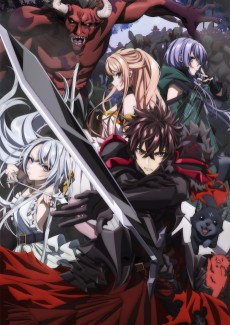
Connected through 2 aesthetic dimensions.

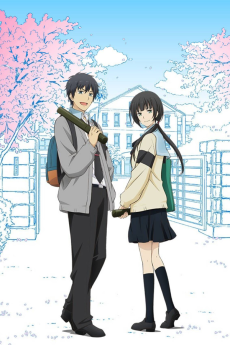
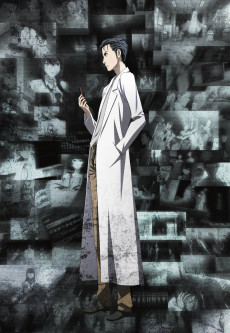
Dahaka’s relentless pursuit mirrors Subaru’s desert trek—both are gauntlets where time fractures under trauma, not wonder. Where *Warrior Within* weaponizes memory as guilt made manifest in sand-ghosts and rewind scars, *Re:ZERO* Season 4 forces Subaru to confront how survival calcifies the soul amid Pleiades’ ruins and shifting dunes. This resonance isn’t thematic coincidence but a shared commitment to ⏳ Time & Memory as psychological warfare—dark fantasy that refuses catharsis, only consequence.
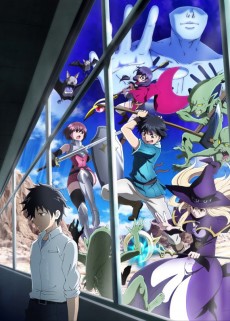
Connected through 2 aesthetic dimensions.
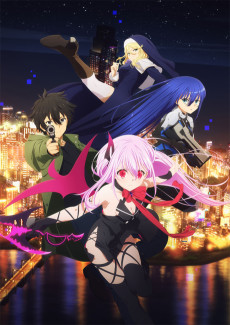
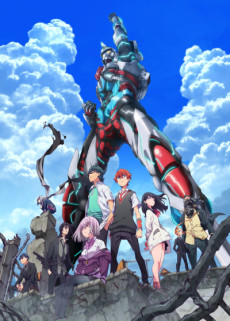
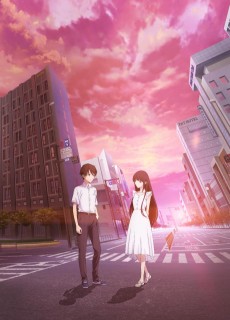
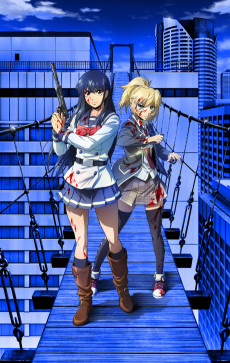
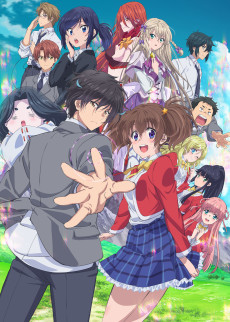
Both drown in liquid time—Warrior Within’s sand-choked ruins and Engage Kiss’s fractured Tokyo skyline pulse with the same visceral weight of memory collapsing into present action. The Prince’s temporal wounds mirror Rikka’s chronal dissonance: every sword clash echoes a trauma echo, every kiss-triggered time-skip lands with the same gut-punch urgency as the Prince’s sand-scarred leaps through ...















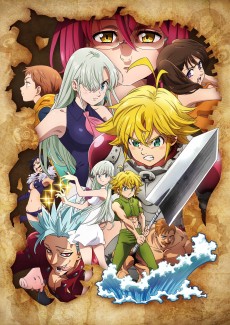
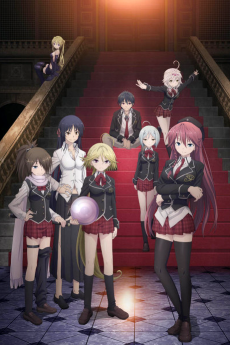

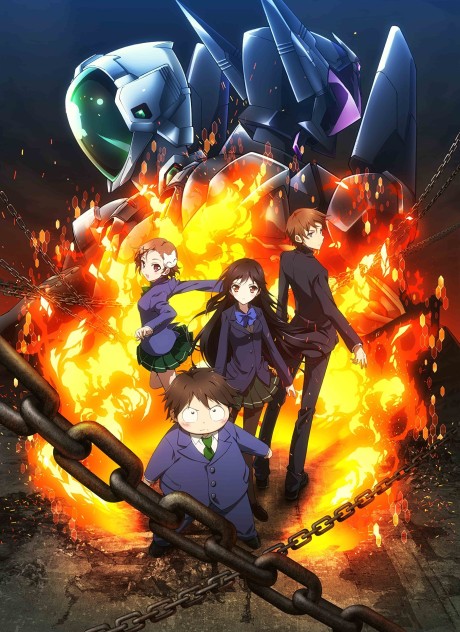

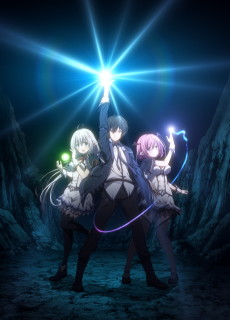
































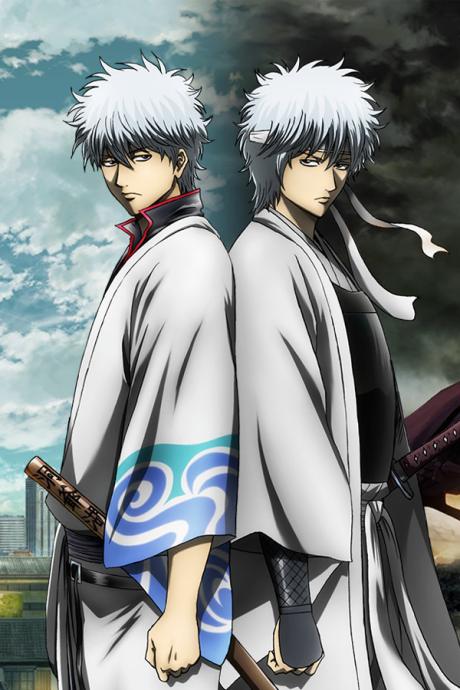
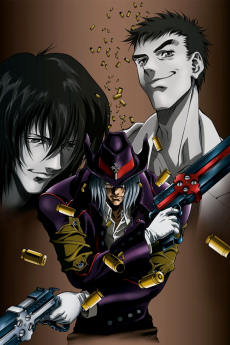
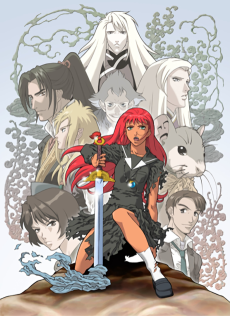



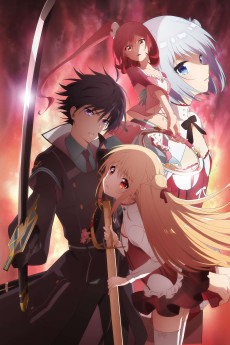






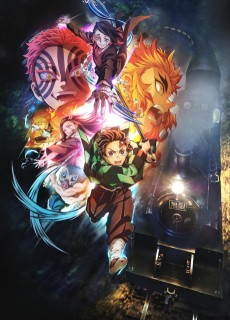

![Fate/stay night [Heaven’s Feel] III. spring song](https://s4.anilist.co/file/anilistcdn/media/anime/cover/large/bx21719-MSdTlkno0Z0u.jpg)
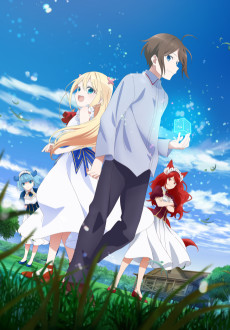
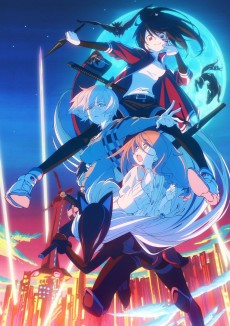
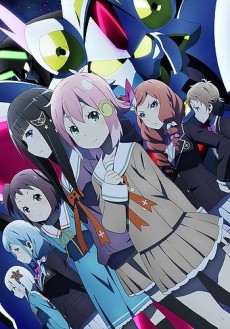
































Match Dimensions Explained
❓Frequently Asked Questions
Why is Frieren: Beyond Journey’s End recommended for fans of Prince of Persia: Warrior Within?
Because both lean hard into the 'Time & Memory' and 'Dark Fantasy' dimensions — like when Frieren stares at a crumbling ruin where her friends once stood, it hits with the same melancholic weight as the Prince walking through the decaying, sand-choked halls of the Island of Time. You get that same brooding atmosphere, morally grey stakes, and quiet intensity — no flashy exposition, just heavy silence punctuated by sudden, visceral action (think Frieren’s ice spear vs. the Prince’s dual-dagger parry-and-counter in the Dahaka chase scenes).
Is there an anime adaptation of Prince of Persia: Warrior Within?
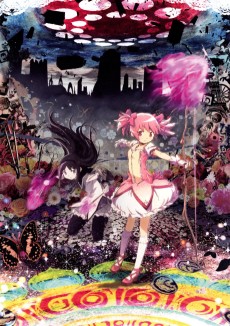
No — there’s never been an official anime adaptation of Warrior Within (or any Prince of Persia game, for that matter). But if you’re craving that exact vibe — time-bent consequences, a hunted antihero, and gothic dread — Puella Magi Madoka Magica the Movie Part 2: Eternal nails it: Homura’s time-looping trauma, the crumbling cityscapes, and that final battle against Walpurgisnacht feel like a direct spiritual cousin to the Prince’s desperate, sand-scorched flight from Dahaka.
How does Link Click Season 2 compare to Maquia: When the Promised Flower Blooms for Warrior Within fans?
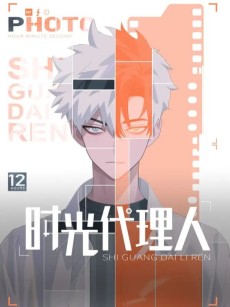
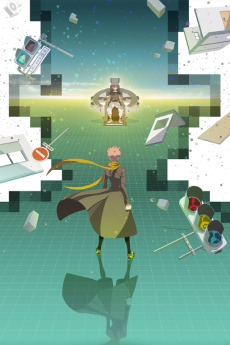
Link Click S2 leans into 'Action Spectacle' and 'Time & Memory' with fast-paced, consequence-driven time manipulation — like Chen Xiao using his ability to rewind moments during high-stakes chases, which mirrors the Prince’s split-second dodges and acrobatic escapes from Dahaka. Maquia, meanwhile, shares Warrior Within’s 'Dark Fantasy' and 'Adult & Dark Seinen' weight — its slow-burn grief, generational loss, and the haunting visual of Maquia aging while others don’t echoes the Prince’s isolation and the game’s oppressive, rain-lashed island aesthetic.
What’s the best anime like Warrior Within if I want that relentless, hunted-by-fate vibe?
The Garden of Sinners Chapter 5: Paradox Paradigm — it’s got that exact claustrophobic, inevitability-soaked tension: Shiki’s pursuit by the ‘Boundary of Death’ parallels the Prince’s chase by Dahaka — both are ancient, unstoppable forces tied to cosmic rules, not personal grudges. And just like Warrior Within’s grimy, rain-slicked corridors and sudden brutal combat (e.g., the Prince’s first Dahaka encounter in the throne room), Chapter 5 delivers tight, visceral fights in narrow, shadow-drenched spaces — no filler, just dread and steel.