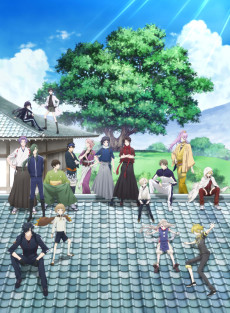
Touken Ranbu - Hanamaru
📺Anime Details
📝Editorial Analysis
The clink of a bokken against stone pavement at dawn—soft, precise, almost musical—as the sun bleeds gold over Edo-period rooftops that aren’t quite Edo, and time isn’t quite linear. A boy in layered hakama, sleeves fluttering like folded paper cranes, bows—not to a lord, not to a god—but to the sword he just polished, its blade humming faintly with quiet sentience. No grand battle looms. No villain speaks in shadows. Just breath, ritual, and the weight of centuries held gently in two hands.
That’s the pulse of Touken Ranbu - Hanamaru: not urgency, but reverence. Not trauma-as-plot, but tenderness-as-structure. It’s historical fantasy without nostalgia—it doesn’t romanticize the past; it listens to it. The swords aren’t weapons first—they’re selves, with quirks, insecurities, and unspoken grief buried under jokes about miso soup and pillow forts. Time manipulation here isn’t for paradoxes or power—it’s for preservation. Every flashback isn’t exposition; it’s an act of care: a memory recalled not to explain, but to witness. You don’t watch to see who wins—you watch to see who remembers, who softens, who finally lets their guard down while folding origami cranes beside a teacup steaming in silence.
Prince of Persia: The Sands of Time shares this same aching tenderness beneath spectacle. Its description calls it “a legend spun in an ancient tongue… ruled by deceit,” yet the player review zeroes in on tactical platforming—not chaos, but precision, locked directions, satisfying motion. That’s Hanamaru’s choreography: swordplay as ballet, not brutality; time rewinding not to erase failure, but to try again, more carefully. Both treat consequence as intimate—not world-ending, but personal. The Prince’s guilt over the Dagger’s corruption mirrors how Hanamaru’s swords carry history like scar tissue: visible, tender, never fully erased—but held, not weaponized.
Then there’s Prince of Persia: Warrior Within, where the Prince is “hunted by Dahaka, an immortal incarnation of Fate.” The player review calls the chase “goated”—but notice: it’s not fear they praise. It’s return. “I have replayed this game after a decade… a journey.” That’s Hanamaru’s emotional architecture: trauma isn’t a plot device—it’s a rhythm you learn to breathe with. Dahaka’s pursuit echoes how Hanamaru’s swords circle their own pasts—not fleeing, but circling back, testing boundaries, learning when to yield, when to stand. Both understand that memory isn’t static—it’s something you walk alongside, sometimes shoulder-to-shoulder, sometimes just out of frame, always present.
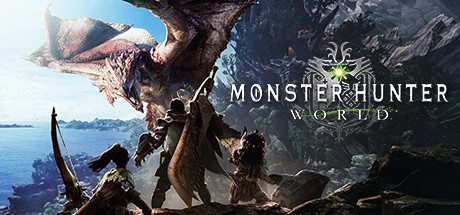
And Monster Hunter: World? Its tag isn’t “epic boss fights”—it’s melancholic exploration. The description emphasizes JRPG narrative, but the feeling is in the quiet: tracking a Rathalos through mist-wet forests, gathering herbs at dusk, watching your Palico nap curled in your armor’s shadow. Like Hanamaru’s boys tending gardens in the base, polishing blades by lamplight, or sharing dango under cherry blossoms that fall too slowly, as if time itself is holding its breath. Both trust silence. Both find awe in routine. Both make you feel the weight of care—for a creature, a weapon, a friend, a moment—that no cutscene could name.
This isn’t for people who want lore dumps or power fantasies. It’s for the ones who pause mid-fight to watch rain bead on a sword’s edge. For players who save before a boss—not out of fear, but to honor the attempt. For viewers who cry when a character finally laughs without rehearsing the sound first. It’s for those who understand that stillness can be the loudest kind of courage—and that the most radical act in a broken timeline is to sit, together, and brew tea.
🎮36 Games That Match the Vibe








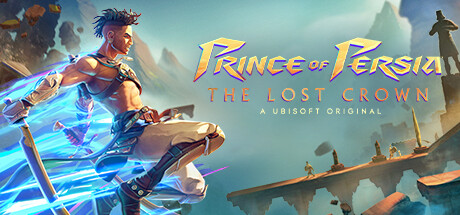
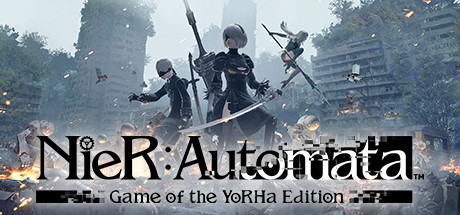


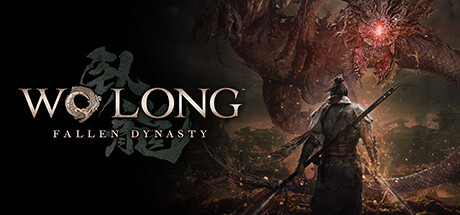
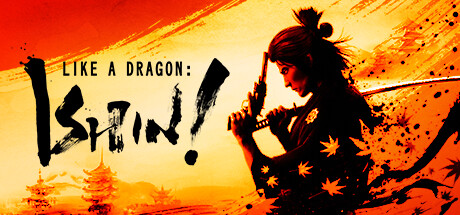

Match Dimensions Explained
❓Frequently Asked Questions
Why does Prince of Persia: The Sands of Time feel like the closest match to Touken Ranbu - Hanamaru’s blend of historical charm and time-bending mechanics?
Because both lean hard into 'Time & Memory' as core emotional and mechanical dimensions — like how Sands of Time’s rewind mechanic mirrors Hanamaru’s nostalgic, character-driven storytelling where every dagger or swordboy has a layered past. You’ll feel that same wistful weight when rewinding a failed acrobatic leap on the palace rooftops, just like when you unlock Mutsunokami Yoshiyuki’s tragic backstory during a quiet camp scene.
Is there an anime or live-action adaptation of Prince of Persia that captures the same vibe as Touken Ranbu - Hanamaru’s character-focused drama?
No — unlike Touken Ranbu’s multiple anime seasons and stage plays, none of the Prince of Persia games (Sands of Time, Warrior Within, or Two Thrones) have gotten faithful anime or live-action adaptations that emphasize character intimacy or historical melancholy. The 2010 movie leans into blockbuster action but completely drops the quiet, memory-laced tone that makes Hanamaru and Sands of Time resonate so deeply.
How does Monster Hunter: World compare to Touken Ranbu - Hanamaru for someone who loves bonding with characters during downtime but also wants intense action?
It’s a surprisingly strong match — especially in the Melancholic Exploration and JRPG Narrative dimensions. Like Hanamaru’s tea ceremonies and letter-writing moments, Monster Hunter’s base-building, Palico interactions, and quest-giver cutscenes (think the Handler’s gentle teasing or the Elder Dragon lore logs) offer rich, low-stakes character warmth — then you pivot straight into high-stakes Action Spectacle with Rathalos’ aerial dives or Nergigante’s rage mode.
What’s the best game like Touken Ranbu - Hanamaru if I’m craving something bittersweet, atmospheric, and heavy on personal history — not just flashy combat?
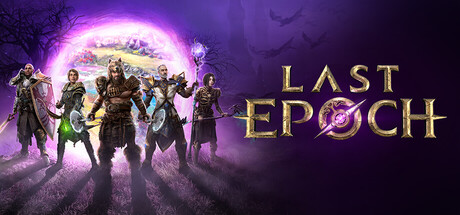
Last Epoch nails that mood — its 'Time & Memory' dimension shines through fragmented timelines, echo-based flashbacks, and gear with lore snippets that feel like recovered diary entries. Think of how Hanamaru uses seasonal festivals to explore loss and loyalty; Last Epoch does similar emotional work via its Chronomancer class, where rewinding time isn’t just a skill — it’s a narrative device echoing regret, sacrifice, and quiet resilience.