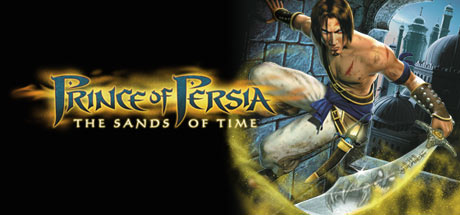
Prince of Persia®: The Sands of Time
Amidst the scorched sands of ancient Persia, there is a legend spun in an ancient tongue. It speaks of a time borne by blood and ruled by deceit. Drawn to the dark powers of a magic dagger, a young Prince is led to unleash a deadly evil upon a beautiful kingdom.
🎮Game Details
💬What Players Say
"Woah, what a game. The tactical platforming that is satisfying due to the locked directions, which helps. Yet still challenging platforming...."
""The Sands of Time is an absolute masterpiece that has aged like fine wine. The Arabian Nights atmosphere, the poetic narration by the Prince, and the incredible chemistry between him and Farah still hold up better than most modern games. It proved that video games could deliver fluid movement and a deeply emotional story without constantly interrupting the gameplay with cutscenes...."
"I think when people think of 2d games that successfully rebooted into 3d people tend to forget about Prince of Persia, a successful 2d platformer that spawned many sequels (even a 3d one!) that was rebooted by Ubisoft while still being watched over by the original creator Jordan Mechner. Sands of time is an absolute classic of the ps2 era, a monumental franchise for ubisoft back before everyone hated them, Sands of time took the slow paced methodical platforming of it's 2d roots and changed it into a fast paced action platforming game, gone are the slow ledge climbing of the 2d days and in itis place was the iconic wall run, a feature so influential in gaming that many games still feature it to this day...."
📝Editorial Analysis
The dagger’s edge catches the torchlight—cold, sharp, humming with something older than kings—as the Prince’s hand trembles just before the strike. Not in fear, but in recognition: this isn’t just a weapon; it’s a hinge. One motion unwinds time itself. That moment—locked, inevitable, yet charged with unbearable weight—is where Prince of Persia®: The Sands of Time lives. It’s not the sandstorm or the crumbling palace that defines it, but that breath before consequence: the Prince narrating his own fall in hindsight, voice low and poetic, already mourning what he hasn’t yet done. As one player puts it, the story is “great both throu…”—cut off mid-thought, like memory itself fraying at the edges. That fragmentation is the feeling.
What makes this game’s atmosphere so singular isn’t its Arabian Nights setting alone—it’s how every element conspires to make time feel tactile. The locked camera angles force you into the Prince’s perspective, not as a godlike observer but as someone physically bound by direction, rhythm, consequence. Platforming isn’t about freedom—it’s about precision under pressure, each leap measured against gravity and regret. Combat flows in tight, rhythmic combos, blades clashing like clockwork gears grinding toward revelation. Even the narration—woven through ruins, echoing across sun-baked stone—turns exposition into elegy. You don’t just move through ancient Persia; you move against time’s erosion, haunted by the knowledge that every victory is borrowed, every save point a reprieve from inevitability. It makes you feel responsible, haunted, tenderly aware of how easily beauty collapses into ruin—and how urgently, achingly, we try to hold it together.
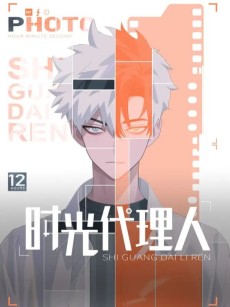
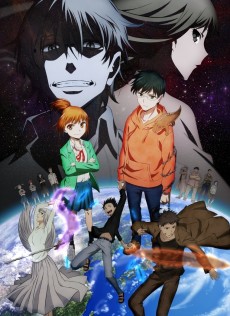
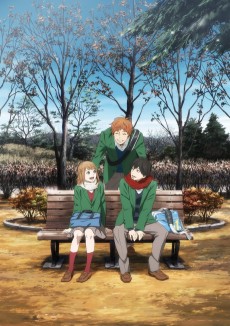
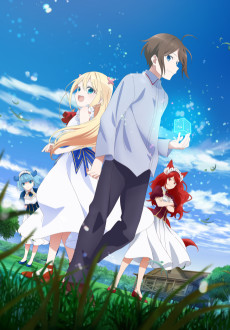
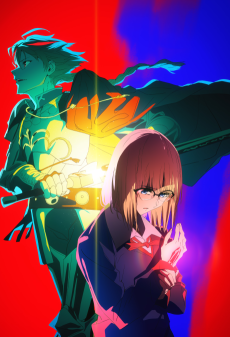
That emotional DNA pulses strongest in Link Click Season 2, where time isn’t a tool but a wound reopened daily. Like the Prince, Cheng Xiao doesn’t rewind to win—he rewinds to witness, to understand the quiet fractures in people he loves. Both use time manipulation not for spectacle alone, but as a desperate act of empathy—each reset layered with heavier memory, each choice narrowing the path to redemption. The Action Spectacle here isn’t flashy for flashiness’ sake; it’s choreographed grief made kinetic, just like the Prince’s wall-runs across collapsing archways—grace under collapse.
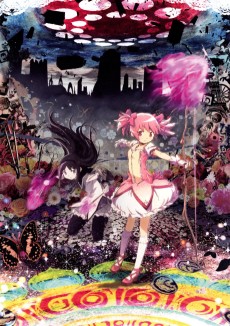
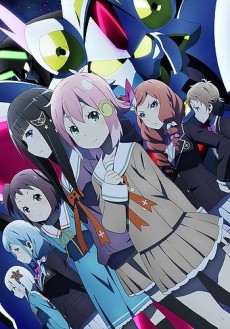
Then there’s Puella Magi Madoka Magica the Movie Part 2: Eternal, where time folds inward like scorched parchment. The Prince’s dagger whispers of power born from blood and deceit; Homura’s time magic is forged in the same fire—love twisted by loss until it becomes a cage. Both inhabit worlds where beauty is fragile by design: Isfahan’s golden domes, Mitakihara’s cherry blossoms—both radiant, both doomed to shatter. The shared Adult & Dark Seinen dimension isn’t about gore or nihilism, but about the quiet horror of realizing your deepest care has become the engine of your suffering. When Farah’s trust wavers—not out of weakness, but because she sees the cost of his power—that mirrors Sayaka’s unraveling: love made visible, then made vulnerable, then made dangerous.
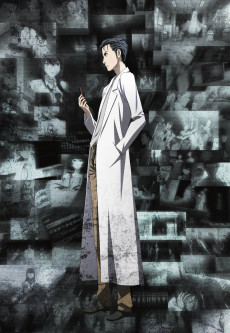
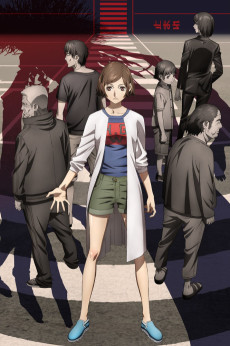
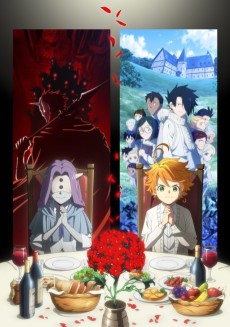
And Steins;Gate—oh, that slow, suffocating dread of causality tightening like a noose. The Prince speaks in past tense, already living inside his mistake; Okabe stammers through lab notes trying to outrun the same certainty. Neither gets clean resets—their timelines bleed, stutter, accumulate scars. The Time & Memory axis here isn’t theoretical. It’s tactile: the grit of sand in your throat, the static hum before a D-Mail sends, the way a single line of narration (“I should have listened…”) lands like a stone in the gut. Both treat time not as a river, but as a mosaic—every shard sharp, every reassembly an act of trembling hope.
This pairing isn’t for fans of time travel as puzzle or power fantasy. It’s for the ones who pause mid-combo to watch sand slip through their fingers in-game, who rewatch a scene not for plot clarity but to feel the weight in a character’s silence. It’s for readers who underline sentences in novels about memory like prayers, for players who save before talking to Farah—not to avoid failure, but to honor how hard it is to speak truth when you’ve already broken the world. They’re drawn to stories where time isn’t conquered, but carried: heavy, sacred, aching—and beautiful precisely because it won’t last.
→179 Anime That Match the Vibe
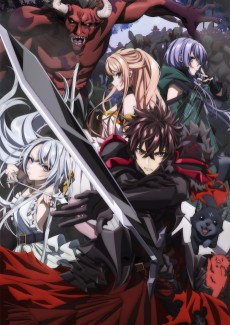
Connected through 2 aesthetic dimensions.
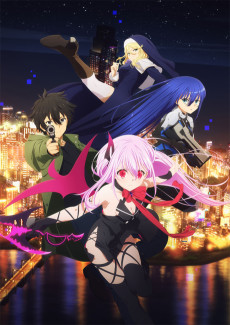
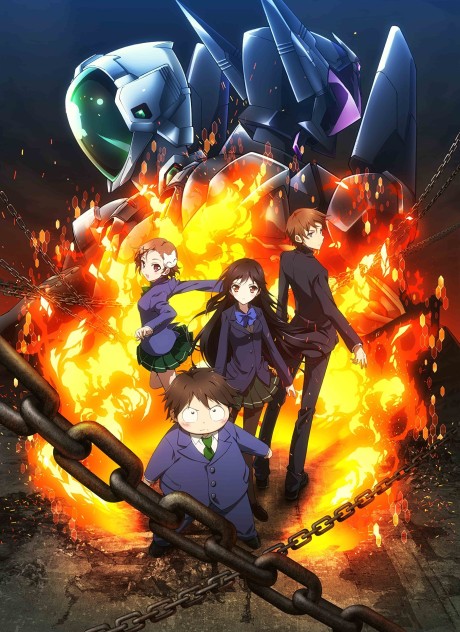
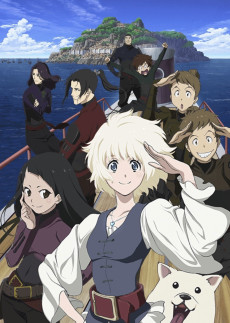
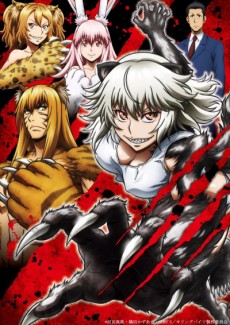
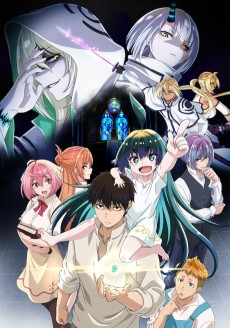
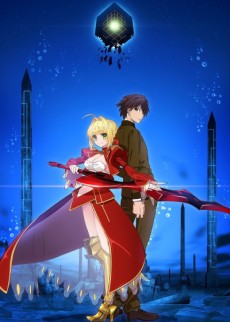
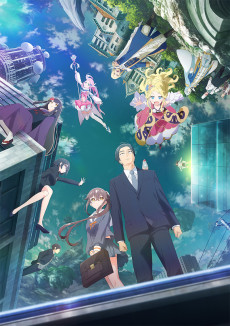
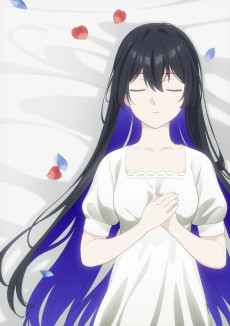
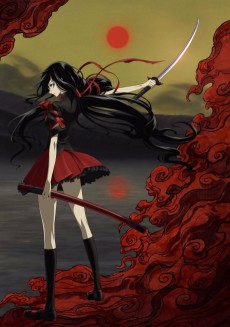
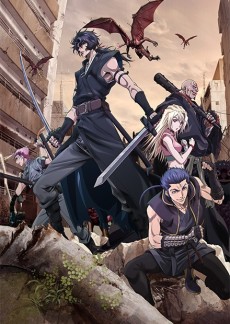
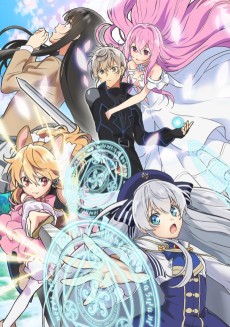
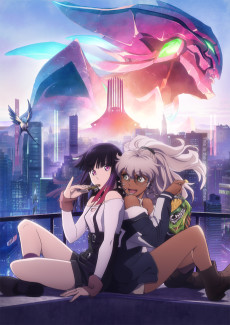
A sandstorm swallows the Prince’s vision as he rewinds time—just as Bayron City’s neon-lit streets flicker under temporal distortions caused by Kiss’ unstable chronal powers. Where *Sands of Time* grounds its ⏳ Time & Memory theme in visceral, guilt-ridden flashbacks and tactile dagger mechanics, *Engage Kiss* fractures it through romantic miscommunication and bureaucratic absurdity aboard a sovereign artificial island. That contrast—ancient consequence versus modern irony—makes their shared temporal instability feel startlingly human, not just spectacular.

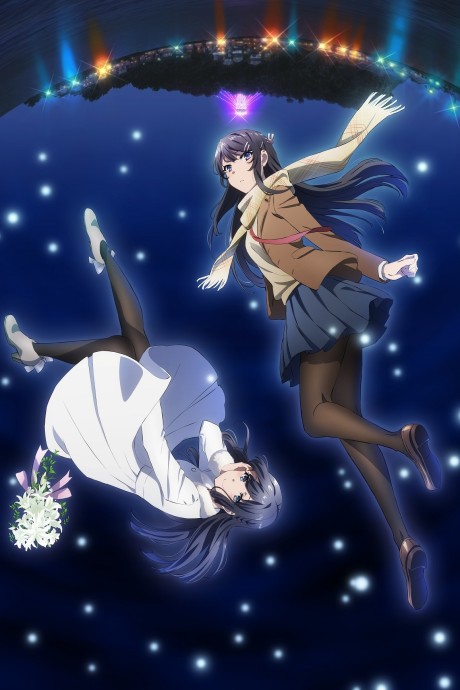
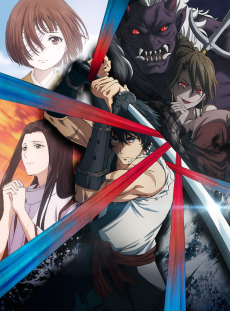
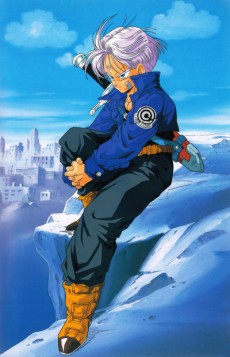
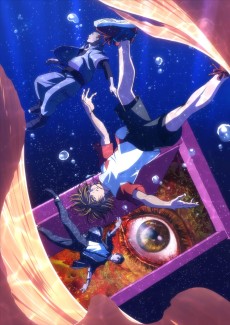
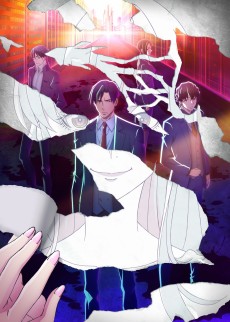
A sand-choked corridor collapses in *The Sands of Time* just as Cheng Xiaoshi rewinds a fractured memory in *Link Click* Season 2—both moments weaponize ⏳ Time & Memory not as plot devices but as visceral, disorienting bodily experiences. Where the Prince’s dagger fractures seconds into lethal replay loops, Lu Guang’s photos rupture linear time to expose buried trauma, making their action spectacles deeply psychological. That Season 2 doubles down on memory’s unreliability—mirroring the game’s core irony: saving time demands destroying its illusion of linearity.
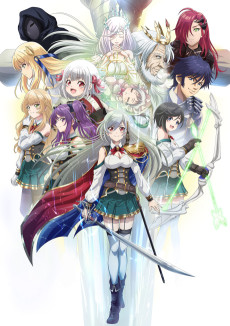
Connected through 2 aesthetic dimensions.

Connected through 2 aesthetic dimensions.
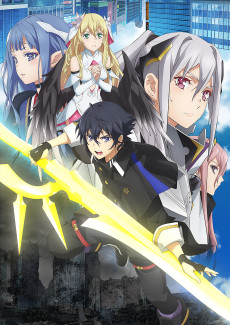
Connected through 2 aesthetic dimensions.
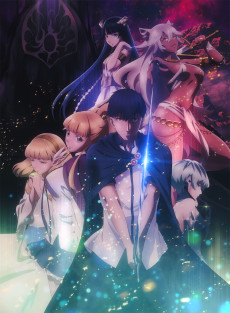
Connected through 2 aesthetic dimensions.

Connected through 2 aesthetic dimensions.

Connected through 2 aesthetic dimensions.

Connected through 2 aesthetic dimensions.

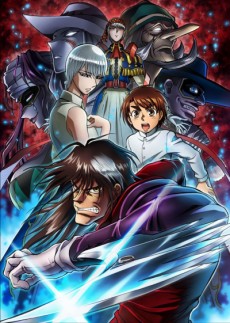
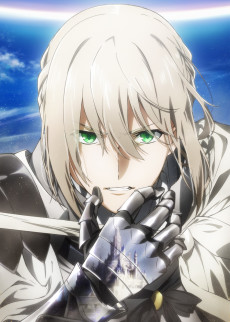


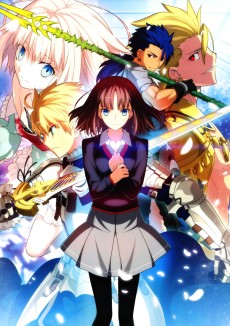

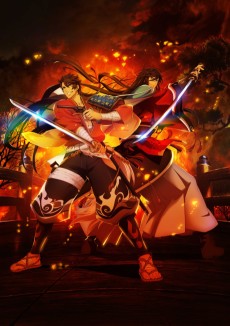










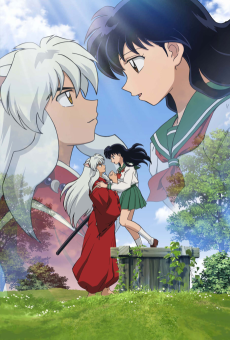

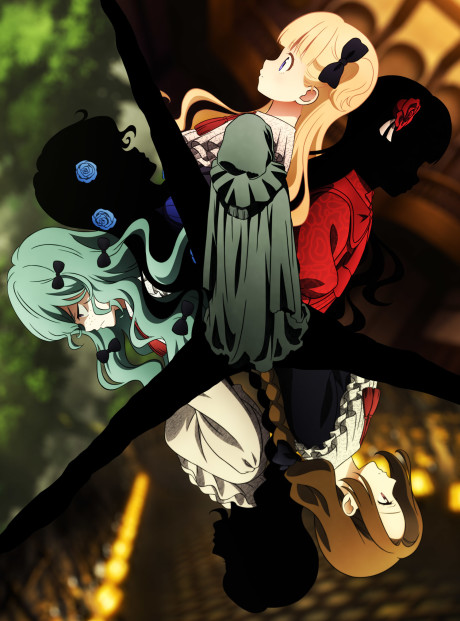



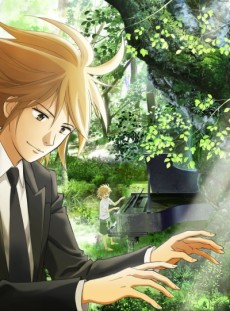
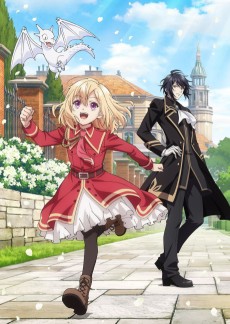
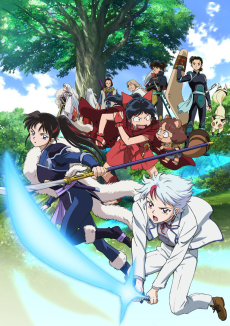
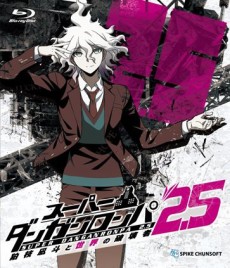
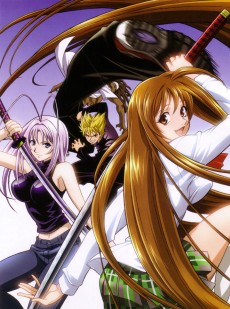
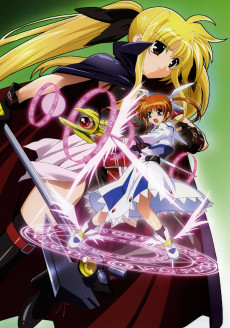

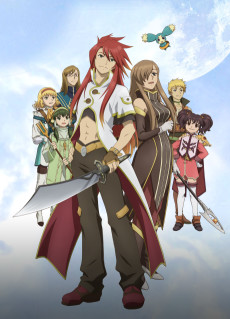


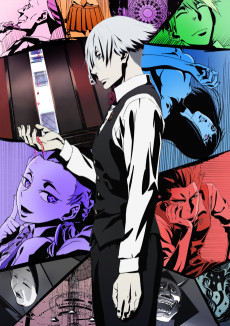
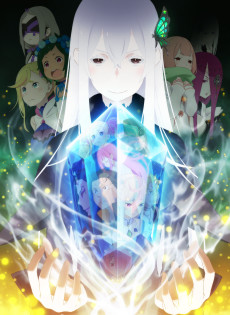

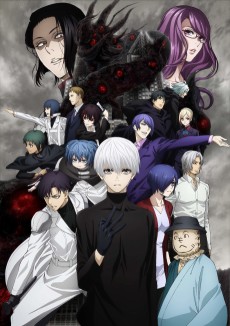
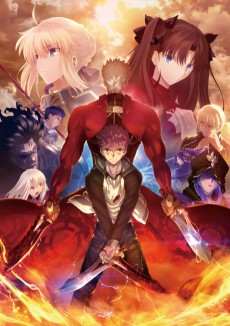

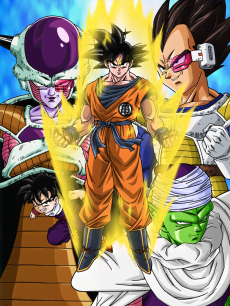
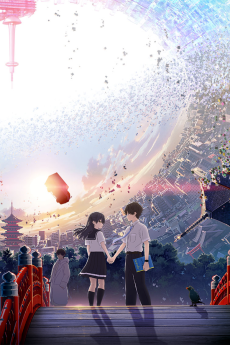
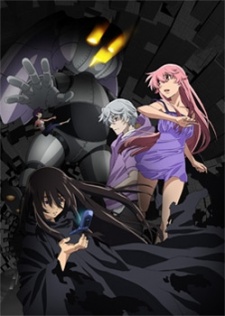
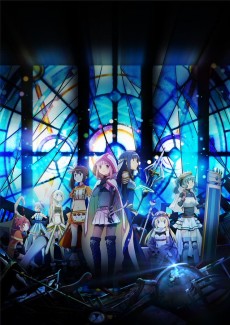
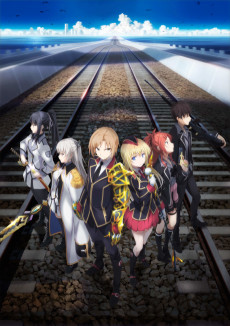
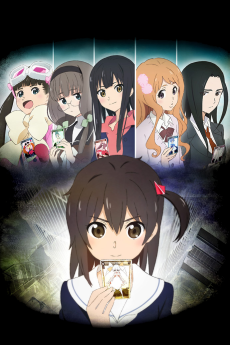




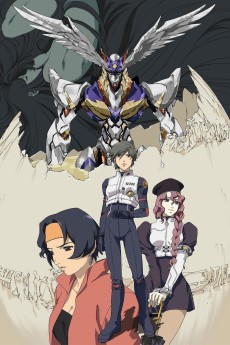
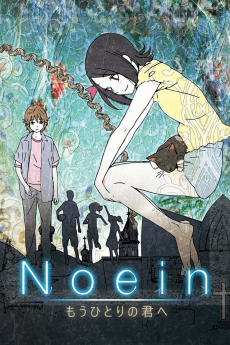
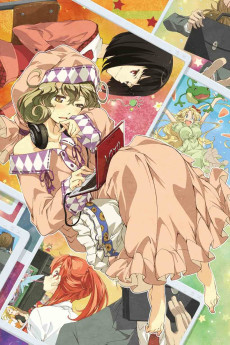

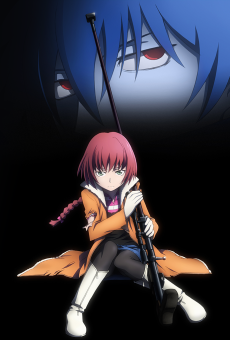



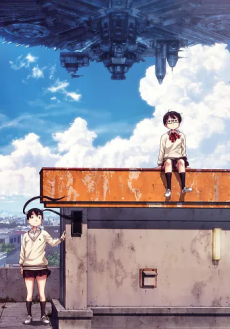
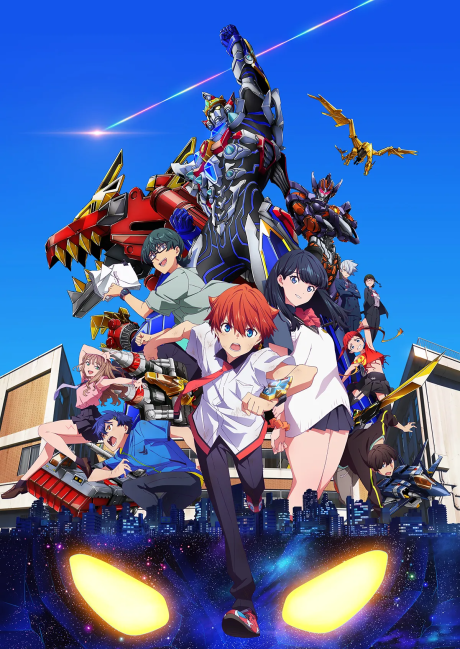
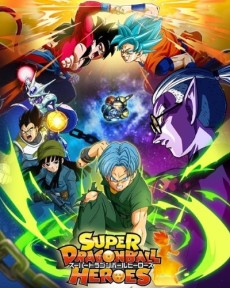















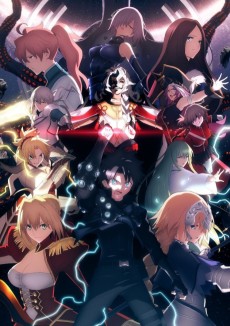
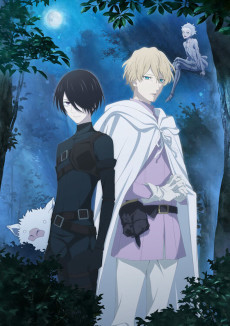


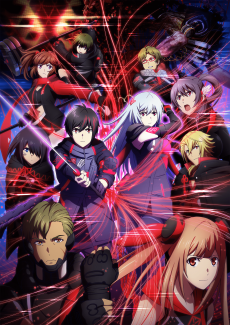
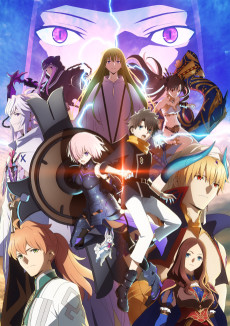













Match Dimensions Explained
❓Frequently Asked Questions
Why does Link Click Season 2 keep popping up in 'Anime Like Prince of Persia: The Sands of Time' lists?
Because both hinge on time manipulation as emotional stakes—not just plot gimmicks. In Link Click Season 2, Cheng Xiaoshi rewinds time to save people, mirroring how the Prince frantically rewinds seconds after a misstep or fatal mistake (like that heart-stopping dagger slip in the palace gardens). The poetic narration and melancholic atmosphere—especially Cheng’s quiet resolve vs. the Prince’s weary, self-aware voiceover—create that same layered, ancient-yet-intimate feel.
Is there an anime adaptation of Prince of Persia: The Sands of Time?
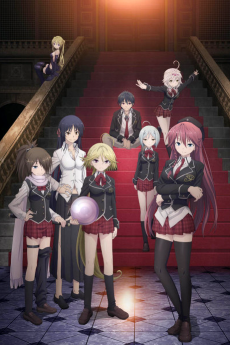
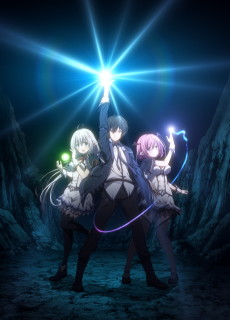
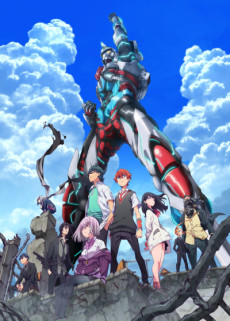
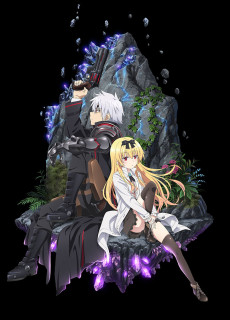
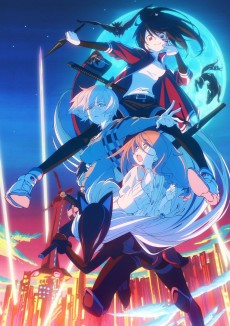
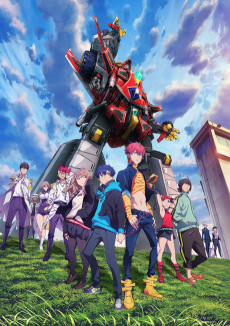
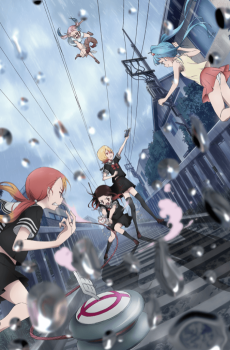
No official anime adaptation exists—but the *vibe* is captured uncannily well by TRINITY SEVEN. Think of Arata’s magic dagger-like grimoire and the way he navigates collapsing magical labyrinths with precise, almost platformer-like timing—just like the Prince vaulting over crumbling archways or sliding under closing gates in the Azad palace. Even the ‘sand’ motif echoes in TRINITY SEVEN’s shifting Chronos Library, where time itself erodes and reforms like dunes.
How does Steins;Gate compare to Rascal Does Not Dream of a Knapsack Kid for Prince of Persia fans?
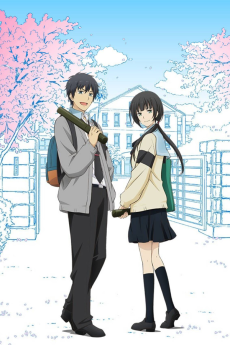
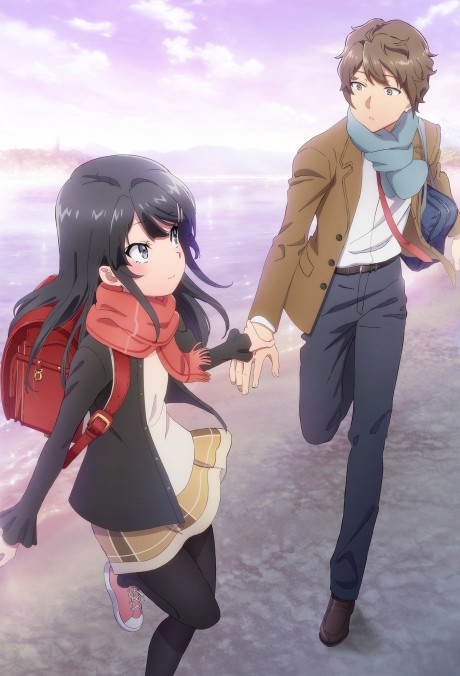
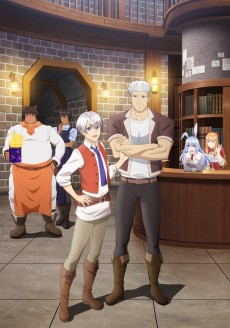
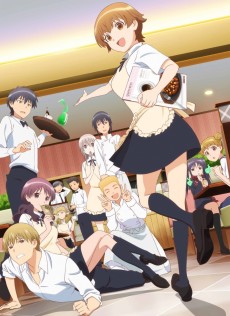
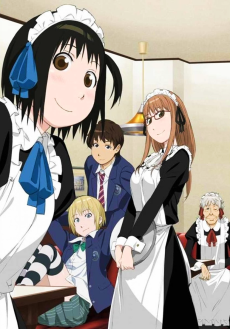
Steins;Gate leans into the Prince’s tragic weight and moral urgency—Okabe’s desperate, repeated time leaps to prevent Kurisu’s death mirror the Prince’s frantic rewinds to undo Farah’s fate, especially that gut-punch moment in the hourglass chamber. Knapsack Kid, meanwhile, captures the Prince’s dry wit and grounded chemistry with its lead duo—Suzuya and Yumiko’s banter and reluctant trust feels like early Prince/Farah sparring before the sands turn deadly.
What's the best anime like Prince of Persia if I want that Arabian Nights atmosphere + time-bending tension?
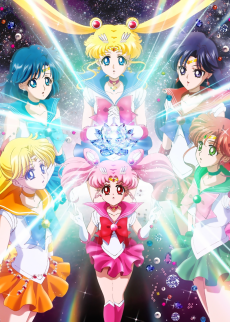
Puella Magi Madoka Magica the Movie Part 2: Eternal is your pick—it swaps deserts for surreal, shifting dreamscapes, but nails the same poetic gravity and high-stakes time mechanics. Homura’s time-loop exhaustion and the film’s haunting, lyrical narration ('Time is not a river—it’s a shattered mirror') echo the Prince’s weary, reflective voiceover. And just like the Dagger’s sand bursts freezing enemies mid-leap, Homura’s time-stop moments freeze entire battlefields with eerie, beautiful precision.