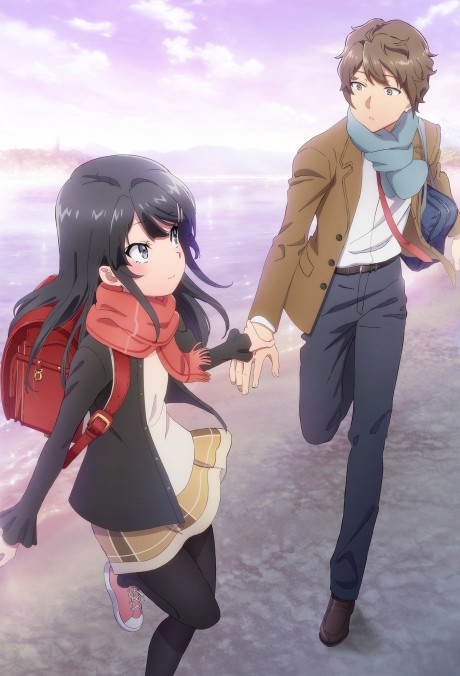
Rascal Does Not Dream of a Knapsack Kid
March begins, and there is only one month left in the third term. Sakuta Azusagawa is about to celebrate the graduation of his girlfriend Mai Sakurajima. As he waits for Mai at Shichirigahama beach, an elementary school-aged girl who looks like Mai did when she was a child actress appears in front of him. While reflecting on this mysterious encounter, he receives a phone call from his father. Kaede’s mother never came to terms with what happened to Kaede. Having been hospitalized for so long, their mother finally wants to see her daughter. To fulfill their mother’s wish, Sakuta makes the decision to meet face-to-face–something they haven’t done in a long time. He’s unable to hide his nervousness about all this. Never-before-seen scars begin to appear on Sakuta’s body. Could these be warning signs of a new type of puberty syndrome?
(Source: Fathom Events)
📺Anime Details
📝Editorial Analysis
The salt air at Shichirigahama hangs thick and still—not like summer’s humidity, but like breath held too long. Sakuta stands there, backpack slung low, watching the horizon blur where sky meets sea, waiting for Mai. Then—a child appears. Not a ghost, not a vision, but a small girl in a pale dress, bare feet damp in the sand, her face so exactly like Mai’s from old magazine spreads and grainy DVD extras. She doesn’t speak. She just looks at him—recognition without memory, as if time folded wrong at the edges.
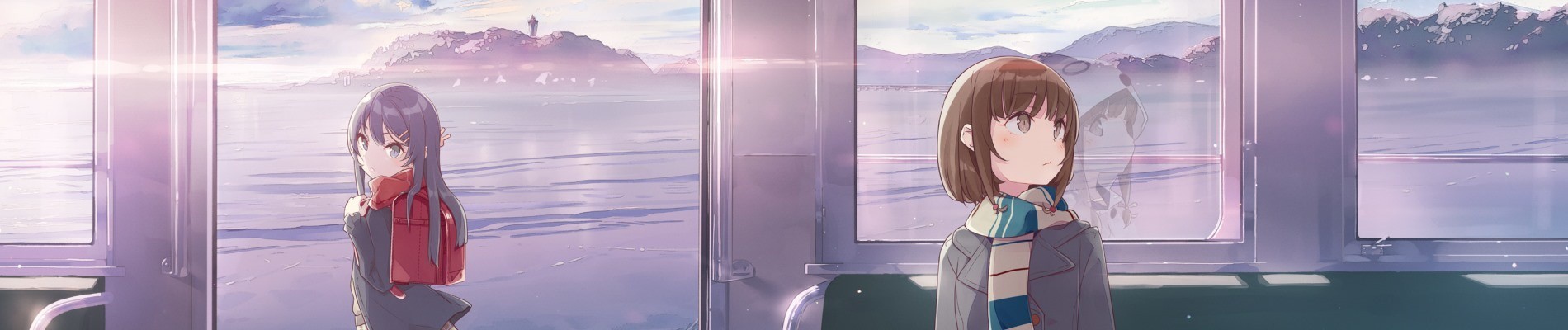
That moment isn’t fantasy. It’s weight. It’s the quiet dread of realizing your present is built on foundations you never inspected—your family’s silence, your own avoidance, the way love and guilt wear the same coat in winter. Rascal Does Not Dream of a Knapsack Kid doesn’t trade in spectacle or escalation. Its tension lives in the pause before a parent’s voice cracks over the phone, in the way Kaede’s mother never came to terms—a phrase that lands like a stone dropped into still water, rippling outward with no splash, only depth. This isn’t trauma-as-plot-device. It’s trauma as atmosphere: humid, low-ceilinged, humming with unspoken things. You don’t solve it—you learn to breathe inside it. The urban fantasy isn’t about magic; it’s about how real life bends under pressure until logic frays, and what remains is raw, tender, human.
That same resonance flickers in BioShock Infinite, where Booker DeWitt’s debt isn’t financial—it’s temporal, moral, generational. The description calls him “indebted to the wrong people, with his life on the line”—but the player review cuts deeper: “I know that some people are still bitter about the Bioshock Infinite we could have gotten.” That ache—the grief for versions of ourselves we erased, the sorrow for paths not taken, the exhaustion of carrying consequences you didn’t choose—is pure Knapsack Kid. Both refuse catharsis-as-relief. They offer reckoning instead.
Then there’s Prince of Persia: Warrior Within, hunted by Dahaka—an “immortal incarnation of Fate.” Not a monster, not a villain, but consequence made flesh, relentless, patient, always just behind you in the corridor’s echo. The player review says: “Dahaka chase is still as goated as it was before…” — because it’s not about winning. It’s about the sound of inevitability closing in while you scramble across crumbling ledges, heart pounding not from fear of death, but of facing what you’ve done. Like Sakuta walking home past Kaede’s hospital window, knowing he can’t look away—and knowing looking won’t fix anything.
And Prince of Persia: The Sands of Time, where a young prince draws power from a dagger that rewinds time—not to undo pain, but to survive it. The review praises its “tactical platforming… satisfying due to the locked directions,” which mirrors Knapsack Kid’s emotional choreography: every choice narrow, every step deliberate, every reversal (a confession, a visit, a withheld word) calibrated against fragility. Time here isn’t linear progress—it’s recursive, sticky, haunted. Just like March, with graduation looming and Kaede’s condition unresolved, and Mai’s future already beginning to slip out of Sakuta’s hands like sand through fingers.
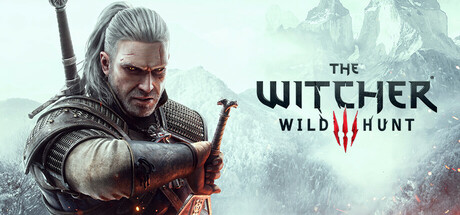
None of these pairings work because they’re “dark” or “psychological.” They work because they share a rare, unsentimental reverence for the cost of care. Not grand sacrifice—but showing up, again, at the hospital door. Not saving the world—but holding space while someone else remembers how to stand. That’s why The Witcher 3: Wild Hunt, despite its lower score and broader scope, hums in the same register: Geralt tracking Ciri across a war-torn continent isn’t just chasing prophecy—he’s rehabilitating trust, one quiet campfire, one delayed confrontation, one unspoken apology at a time. The review calls it “my favourite game keeps getting better…” — because healing isn’t an endpoint. It’s accumulation. It’s showing up, year after year, even when the monitor refreshes at 60fps and the world outside insists on moving faster.
You’d love this pairing if you’ve ever sat with someone who couldn’t speak their pain—and stayed anyway. If you flinch at “moving on” as a goal, and prefer “staying with” as a practice. If your idea of romance includes folding laundry together in silence, and your idea of courage is making the same hard call twice, knowing it won’t be easier the second time. These stories aren’t for people who want answers. They’re for those who recognize the sacred weight of not looking away.
🎮19 Games That Match the Vibe

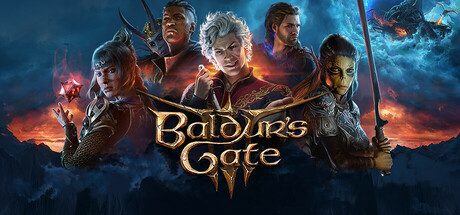
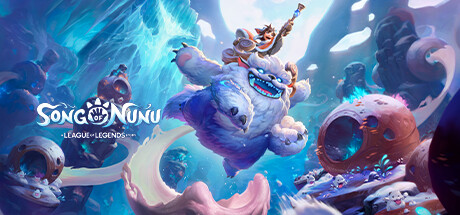
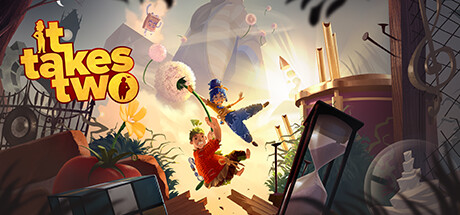
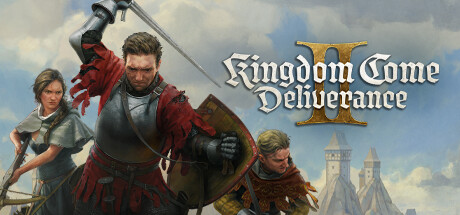
Match Dimensions Explained
❓Frequently Asked Questions
Why is BioShock Infinite listed as similar to Rascal Does Not Dream of a Knapsack Kid?
Because both hinge on layered time-and-memory mechanics that reshape identity—Booker’s fractured timeline and Elizabeth’s multiversal awareness echo the show’s exploration of dissociation, trauma, and self-perception. The 'Time & Memory' dimension in the match list (shared with all four Prince of Persia titles) directly mirrors how Rascal uses memory distortion and recursive reality shifts—not just as plot devices, but as emotional engines.
Is there a visual novel or anime adaptation of Prince of Persia: The Sands of Time?
No—there’s never been an official anime or visual novel adaptation of *The Sands of Time*, despite its strong narrative and psychological themes. But if you love Rascal’s blend of grounded teen angst and surreal metaphysics, *The Sands of Time*’s dagger-driven time-rewind mechanic and the Prince’s guilt-ridden narration (‘I was not always this man’) hit that same ‘adult dark seinen’ vibe—just in action-platforming form.
How does Prince of Persia: Warrior Within compare to The Witcher 3 for emotional weight?
Warrior Within leans harder into raw, claustrophobic dread—the Dahaka chase sequences force constant evasion while the Prince literally battles his own corrupted future self, making it more psychologically intense but narrower in scope than Geralt’s sprawling grief in *The Witcher 3*. Both score high on ‘Emotional Narrative’, but *Warrior Within*’s adult/dark seinen tone (like Rascal) comes from intimate, visceral consequences—not epic worldbuilding.
What’s the best game like Rascal Does Not Dream of a Knapsack Kid if I want that melancholy, rain-soaked late-night introspection?
Go straight to *Prince of Persia: The Two Thrones*—its split-personality mechanic (light/dark Prince), Babylon’s decaying grandeur, and Kaileena’s tragic arc create that exact hushed, heavy-atmosphere vibe. One player even called it ‘my best childhood game… still plays great’, and the way the city bleeds between war-torn reality and psychic rupture feels like stepping into Rascal’s quietest, most aching scenes.