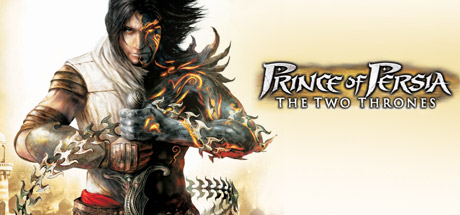
Prince of Persia: The Two Thrones™
The Prince of Persia, a seasoned warrior, returns from the Island of Time to Babylon with his love, Kaileena. Instead of the peace that he longs for, he finds his homeland ravaged by war and the kingdom turned against him.
🎮Game Details
💬What Players Say
"one of my best childhood games...still plays great...fyi if you have a monitor with more than 60hz ,lock the fps for the game at 60fps in the nvidia control panel......."
"The Two Thrones has arguably the best platforming of the Trilogy on paper. The Prince has all his moves from the last two games as well as some new stuff. Once it all starts blending together in the level design, the game is a real blast...."
"The game is good, it is definitely a hit of nostalgia. Be aware, the camera angles, clunky controls are still here and are as annoying as ever, but not as bad as the first two games. There is a game breaking glitch right near the end during the 'middle tower level', make sure you watch this video to get past it so you don't get stuck repeating the same thing over and over - https://www...."
📝Editorial Analysis
The first time you sprint across a crumbling Babylonian archway, sand whipping past your face while the Dark Prince’s mocking laughter echoes in your skull—you feel the weight of time itself buckling. Not as a mechanic, not as a puzzle, but as a physical ache in your shoulders, a grit in your teeth. The Prince returns home with Kaileena, expecting peace—but finds his homeland ravaged by war and the kingdom turned against him. That dissonance—between memory and ruin, between who he was and who he’s become—isn’t just backstory. It’s the air you breathe in every corridor, every rooftop leap, every frame where the camera lags just slightly, forcing you to lean into the stumble, to trust momentum over precision. One player puts it plainly: “the camera angles, clunky controls are still here and are as annoying as ever… but not as bad as the first two games.” That’s not a flaw—it’s texture. A deliberate friction between intention and execution, like trying to recall a dream mid-wake.
This isn’t a game about mastery. It’s about haunting. The Prince doesn’t conquer Babylon—he re-enters it, like stepping back into a scar. The sand doesn’t just fall; it settles, thick and slow, over statues, over banners, over the ghosts of his own choices. You move with all the agility of the trilogy’s accumulated muscle—“all his moves from the last two games as well as some new stuff”—yet every vault feels like defiance against entropy. Even the nostalgia hits with gravity: “one of my best childhood games… still plays great”, yes—but only if you lock the FPS at 60, because anything faster fractures the rhythm, makes the world feel unmoored. That insistence on temporal fidelity—on honoring the pulse of that era, that hardware, that emotional register—is what gives Prince of Persia: The Two Thrones™ its singular ache: a longing for wholeness that knows, deep in its bones, that wholeness is already broken.
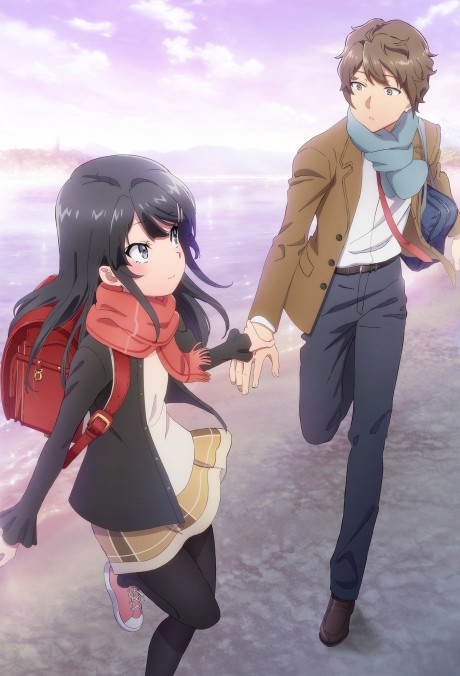
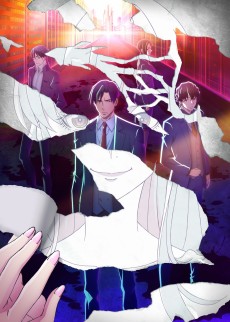
That same resonance hums through Link Click Season 2, where time isn’t rewound—it’s leaked, seeping between frames like sand through fingers. Its Neon Noir palette doesn’t glamorize; it saturates memory until recollection glows with dangerous warmth. Like the Prince’s dual consciousness—the noble self warring with the Dark Prince—Link Click’s protagonists fracture across timelines, each version carrying the weight of what wasn’t said, what wasn’t saved. Both refuse clean resolution. They orbit the same wound, again and again, lit by the same flickering, rain-slicked neon.
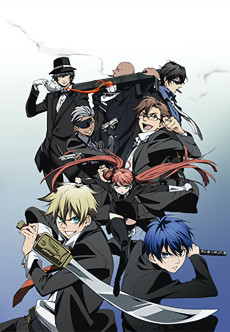
Then there’s the Garden of sinners Chapter 5: Paradox Paradigm, where time isn’t a loop or a ladder—it’s a wound that won’t scab. The clinical precision of its action sequences mirrors the Prince’s acrobatic control, but every sword strike lands with the finality of a confession. Its Neon Noir aesthetic isn’t stylistic—it’s psychological: light doesn’t illuminate, it interrogates, casting long, uncertain shadows across faces caught between guilt and grace. Like the Prince walking through Babylon’s ruins, Shiki doesn’t walk into the past—she walks alongside its unresolved edges, breathing the same thick, silent air.
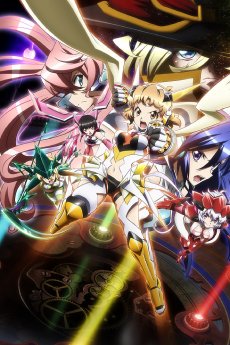
And Puella Magi Madoka Magica the Movie Part 2: Eternal—not as spectacle, but as sacrifice made visible. Its Action Spectacle isn’t cathartic; it’s elegiac. Each magical burst carries the exhaustion of repetition, the sorrow of knowing the cost before the spell even forms. Like the Prince’s final confrontation—not with an army, but with himself—the battle isn’t won through strength, but through acknowledgement. The Dark Prince isn’t vanquished. He’s integrated. And Madoka’s ascension isn’t triumph—it’s surrender to a deeper, darker kind of love, one that holds memory and loss in the same trembling hand.
This pairing isn’t for the completionist, the speedrunner, or the lore-digger. It’s for the person who replays the same rooftop sequence three times—not to get it right, but to feel the wind shift, to catch the exact second the music dips beneath the sandstorm’s roar, to sit with the quiet after the Dark Prince’s laugh fades. It’s for the viewer who watches Steins;Gate’s lab scenes not for the science, but for the way Okabe’s hands shake just before he reaches for the phone—and recognizes that tremor as their own, years later, scrolling past old texts they’ll never send. These aren’t stories about fixing time. They’re about learning how to carry it—heavy, warm, unforgettable.
→209 Anime That Match the Vibe

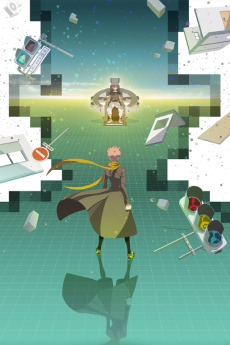
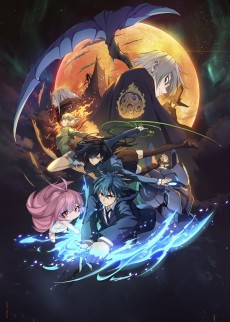
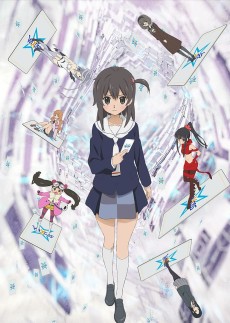
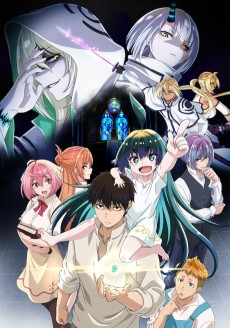
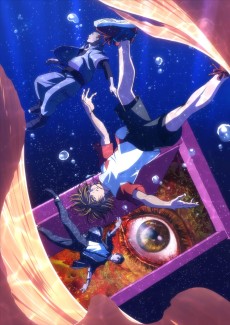
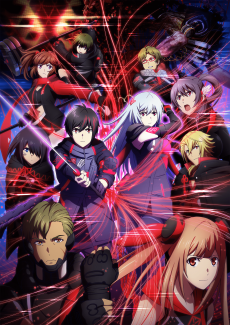
The Prince’s fractured reflection in Babylon’s shattered mirrors echoes Cheng Xiaoshi’s desperate rewinds through traumatic memories—both trapped in ⏳ Time & Memory’s recursive grip. Where the Prince battles his own corrupted doppelgänger amid neon-lit ruins, Season 2’s Lu Guang confronts temporal paradoxes in rain-slicked, crimson-glowing alleys, weaponizing memory like a blade. This isn’t just shared aesthetic—it’s rare narrative symmetry: time as wound, not tool, and identity as battlefield.
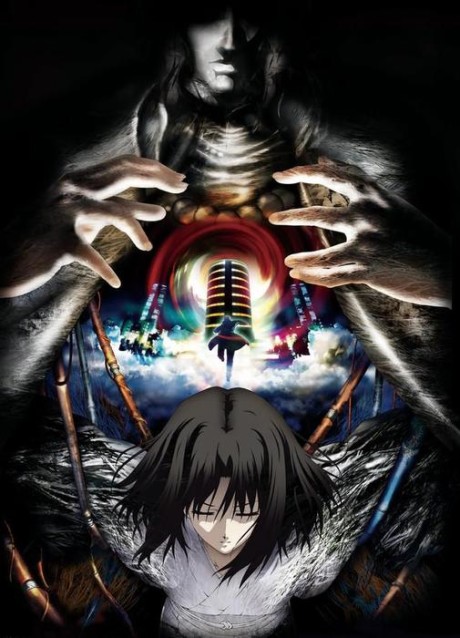
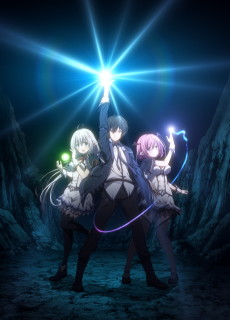
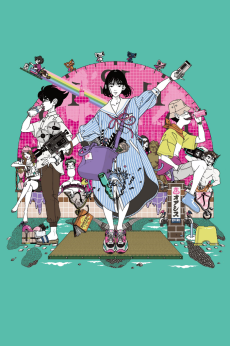
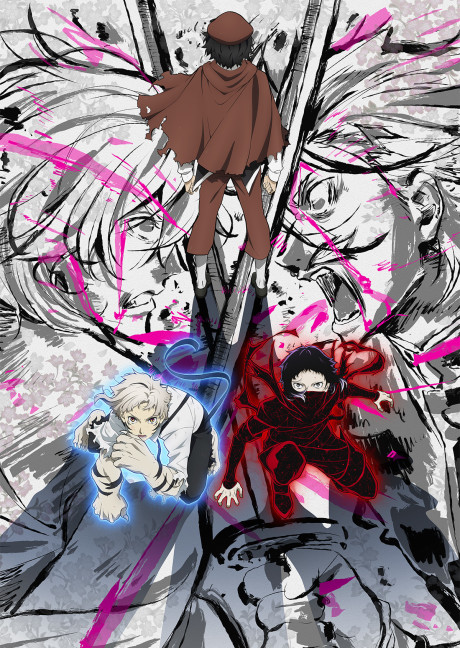
Neon-lit Babylon bleeds into Shiki’s rain-slicked apartment as both works fracture time itself—The Two Thrones’ sand-powered rewind clashes with Paradox Paradigm’s recursive memory loops around Tomoe’s guilt. 🕒 Where the Prince battles his own corrupted reflection in mirrors and sand, Shiki confronts Tomoe’s fractured identity through fragmented recollection and suppressed trauma. This resonance isn’t coincidence: ⏳ Time & Memory becomes a wound that reopens, not a tool to master—making their shared neon-noir despair startlingly intimate.

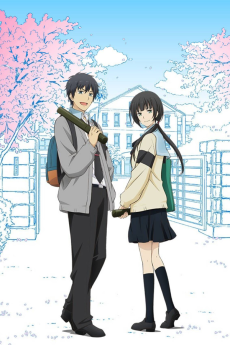
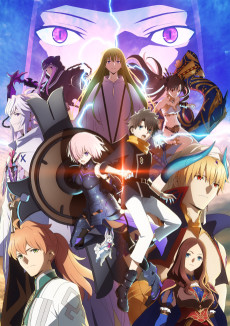
Babylon’s sand-choked ruins mirror Tokyo’s rain-slicked, neon-drenched alleys—both worlds fracture under the weight of time’s unreliability. Takemichi’s desperate rewinds echo the Prince’s corrupted memories and the Dahaka’s pursuit, binding them through ⏳ Time & Memory as trauma loops rather than tools. Unlike most time-travel narratives, neither offers clean redemption: Kaileena’s sacrifice and Hinata’s recurring deaths force characters to confront consequence, not control—making their shared 🌃 Neon Noir aesthetic feel less like style and more like sorrow rendered in light and dust.

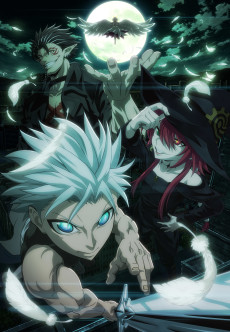
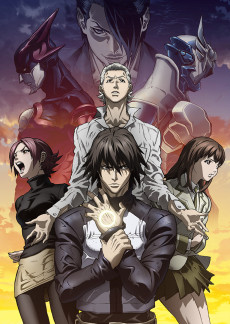
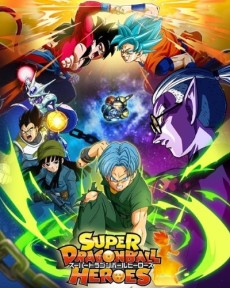
Neon-lit prison corridors in *STONE OCEAN* pulse with the same temporal dissonance as Babylon’s crumbling, time-scarred streets in *The Two Thrones*. Where Jolyne’s body flickers under the strain of *Stone Free*’s fragmented strings—echoing her fractured memory of betrayal—The Prince staggers through hallucinatory doppelgängers born from his guilt and the Dahaka’s temporal corruption. ⏳ Time & Memory isn’t just theme; it’s texture—gritty, recursive, and violently personal—making their shared neon-noir despair feel startlingly intimate, not epic.
Connected through 2 aesthetic dimensions.

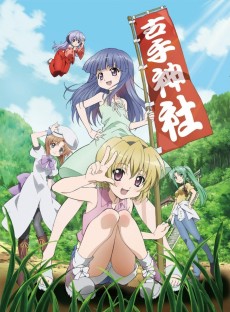
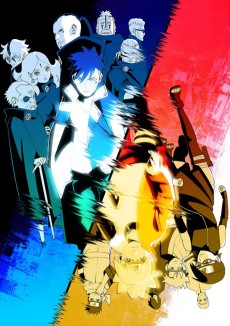
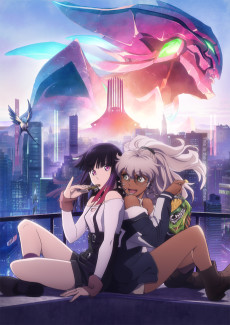
Neon-lit Babylon’s crumbling ziggurats mirror the Vongola’s rain-slicked, cyber-tinged alleys—both worlds pulse with 🌃 Neon Noir urgency. Where the Prince battles his own shadow-self amid fractured time loops, Tsuna’s Season 2 arc forces him to confront inherited trauma *as* legacy—not just duty—making ⏳ Time & Memory visceral, not abstract. That shared tension—between who you were, who you’re told to be, and who you must become in crisis—feels startlingly intimate across mediums.
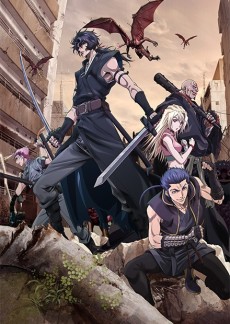
Both *The Two Thrones* and *Engage Kiss* pulse with a fever-dream urgency where time fractures—not as plot device, but as visceral texture: the Prince’s sand-choked hallucinations mirror Rikka’s temporal dislocations during combat, each frame saturated in amber-gold light bleeding into bruised violet. Their action sequences reject clean choreography for kinetic, almost baroque overload—sword ar...

Connected through 3 aesthetic dimensions.
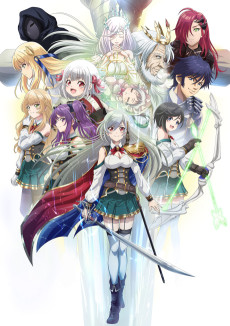
Connected through 2 aesthetic dimensions.

Connected through 2 aesthetic dimensions.
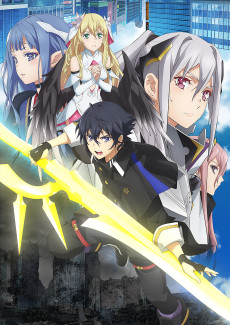
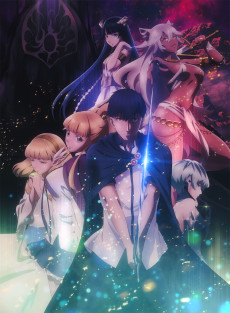


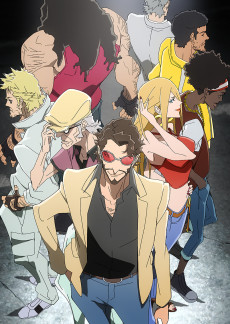
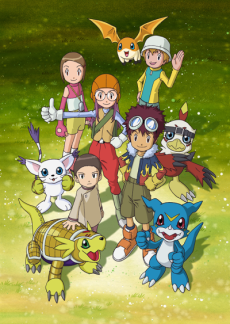
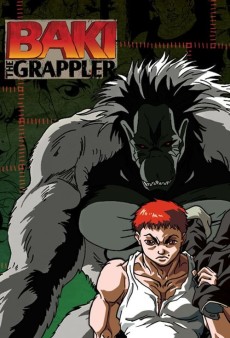
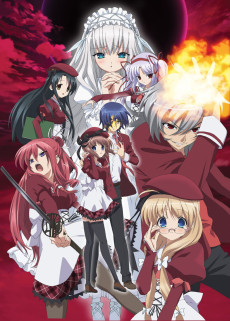
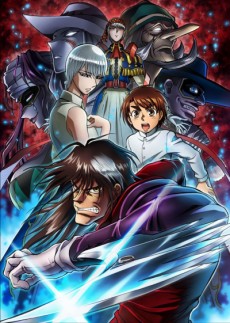
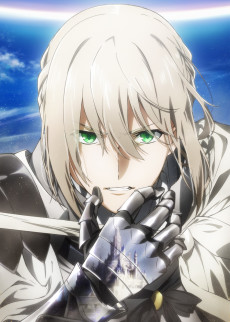
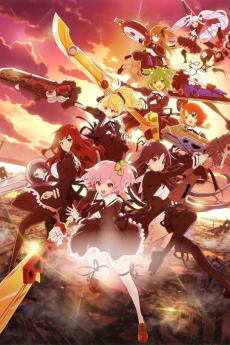
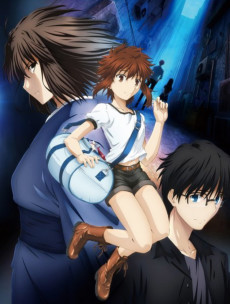

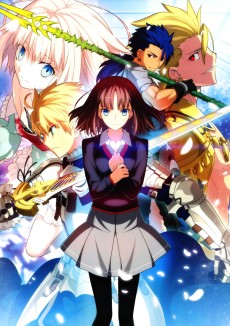

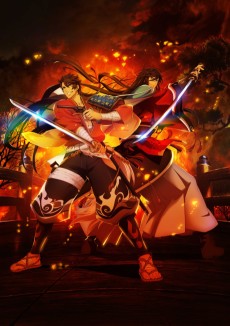
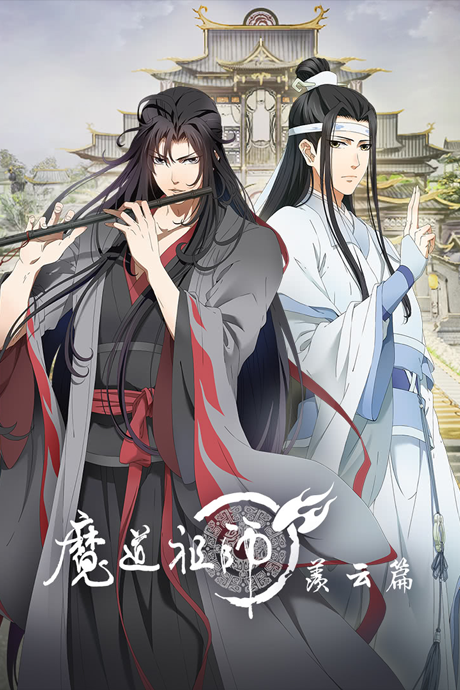


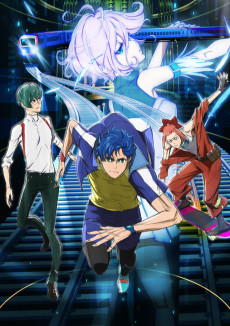
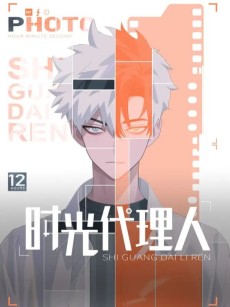




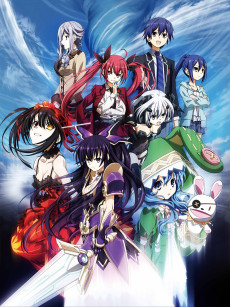
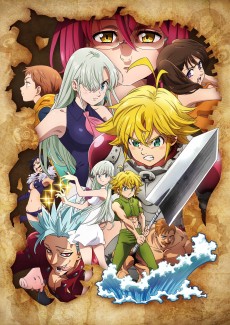
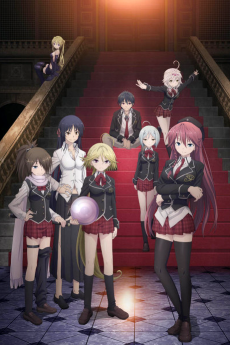

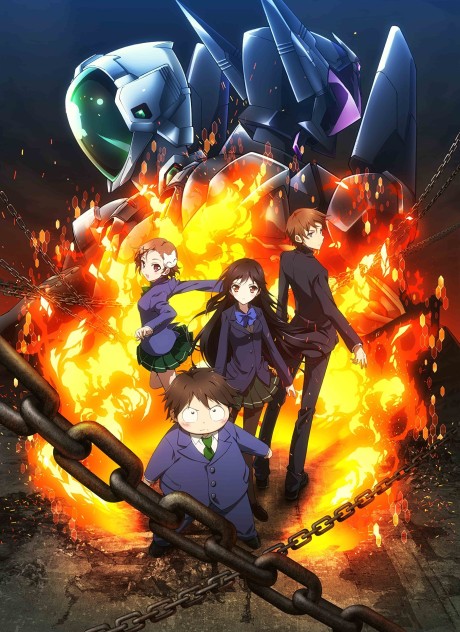
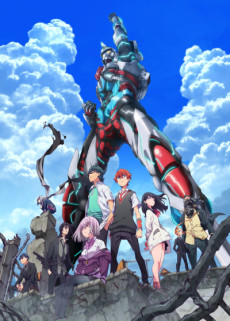
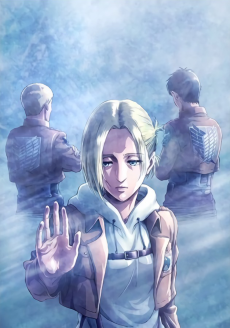
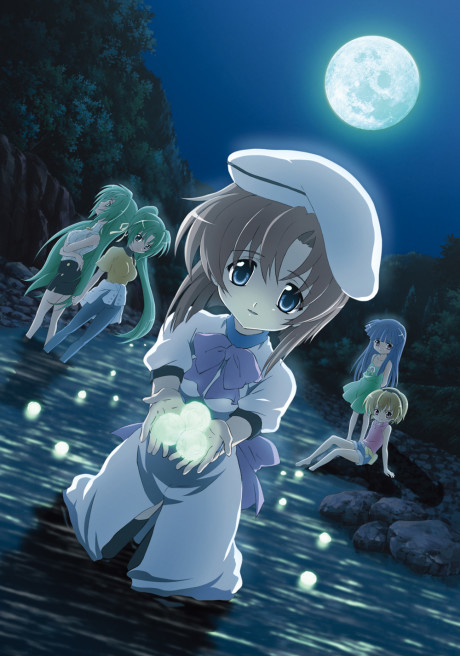
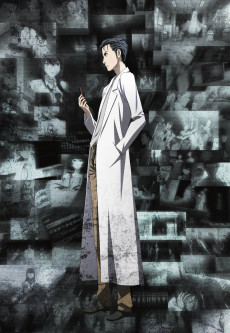


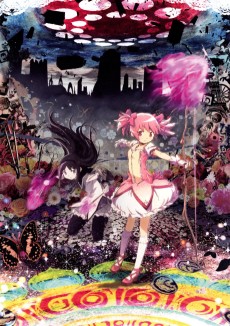
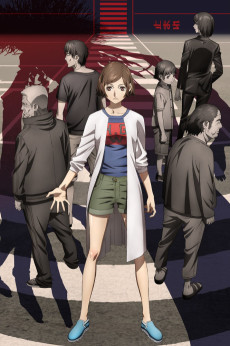


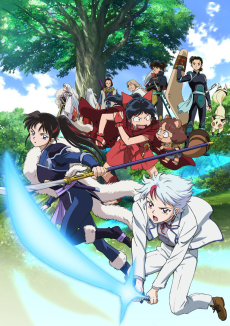
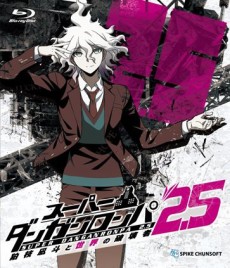
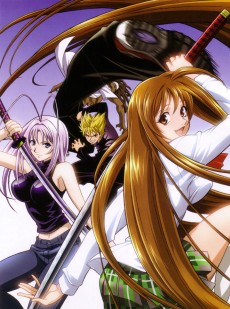
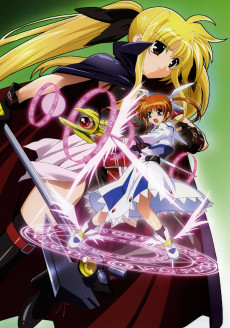




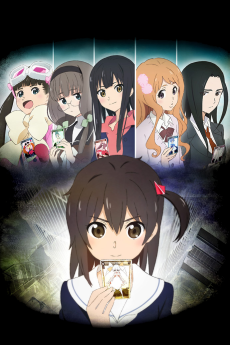
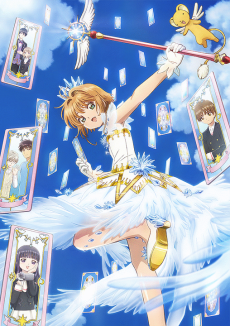
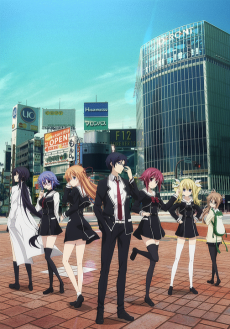


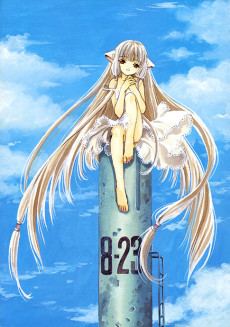
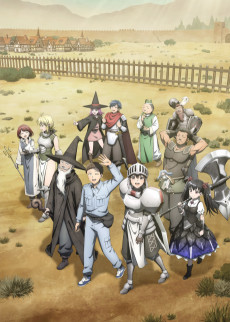
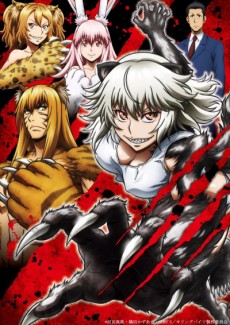
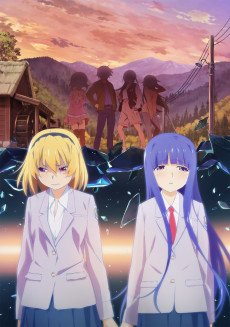
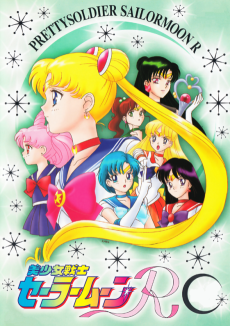





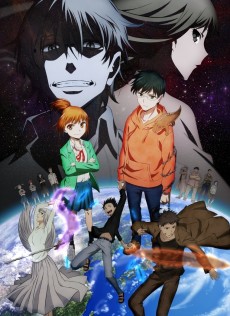

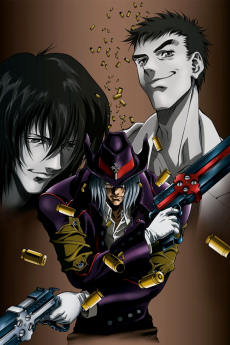
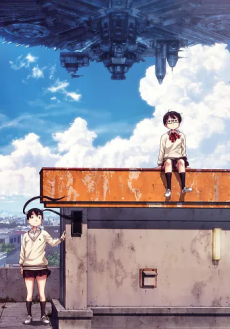
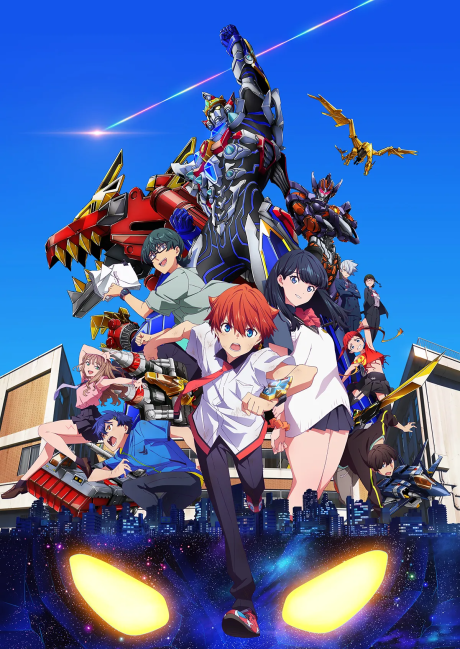






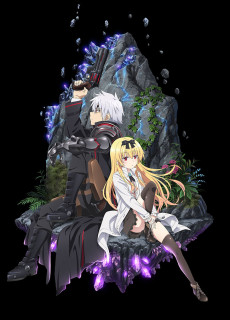
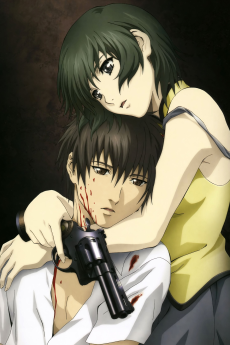
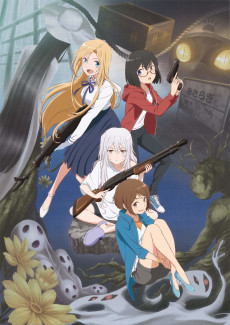
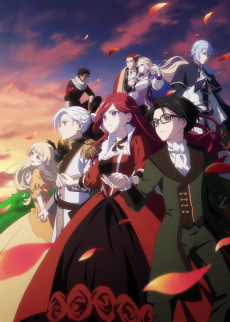




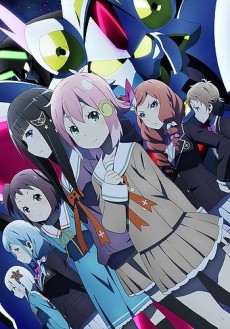
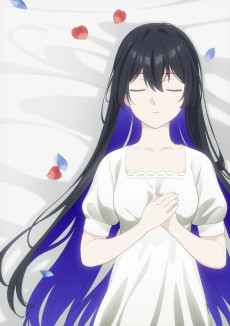


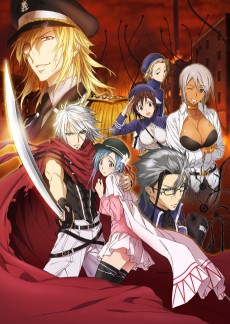
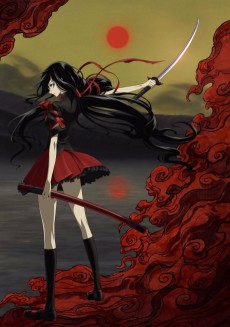

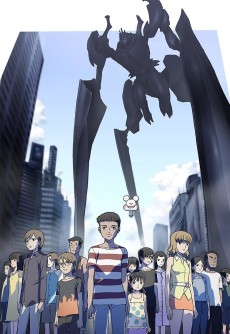
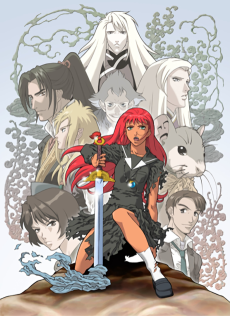

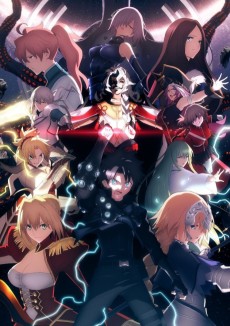
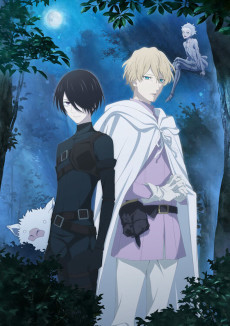



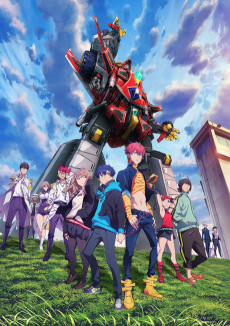
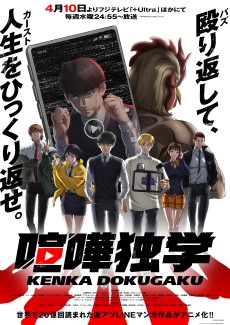


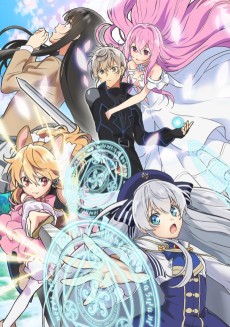
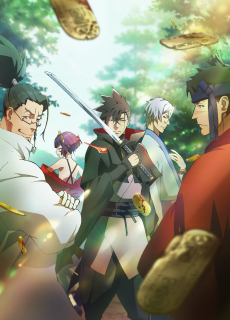
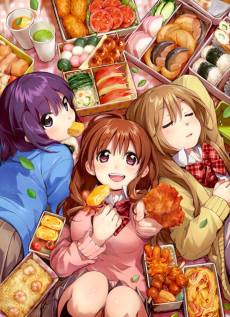
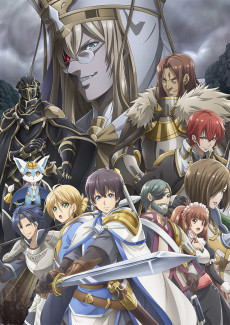



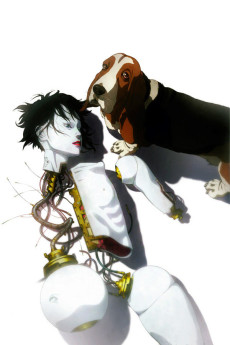

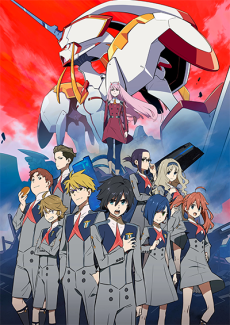


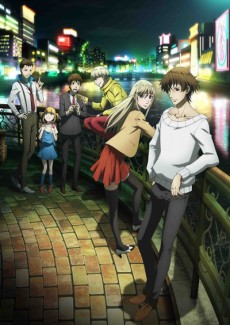

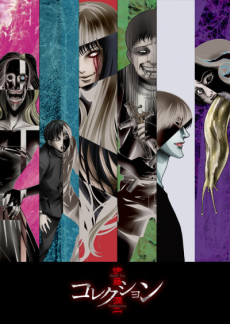


Match Dimensions Explained
❓Frequently Asked Questions
Why does Link Click Season 2 keep popping up in 'Anime Like Prince of Persia: The Two Thrones' lists?
Because both hinge on a time-fractured warrior navigating shifting realities while carrying emotional weight—like the Prince’s duality with the Dark Prince, Link Click S2’s Chen Xiao grapples with fractured memories and split identities across timelines. The neon-lit chase through rain-slicked alleyways in Episode 7? That’s pure Two Thrones energy—fluid parkour, split-second timing, and a ticking clock before reality unravels.
Is there an anime adaptation of Prince of Persia: The Two Thrones?
No official anime adaptation exists—but that’s why fans lean into matches like Steins;Gate and The Garden of Sinners Chapter 5. Steins;Gate mirrors the Prince’s desperate race against causality (think the hourglass scenes where he rewinds seconds to avoid falling), while Garden of Sinners Chapter 5 replicates the visceral duality: just as the Prince battles his own corrupted reflection, Shiki confronts his alternate self in mirrored voids where time bleeds and identity fractures.
How does Puella Magi Madoka Magica the Movie Part 2: Eternal compare to The Two Thrones in terms of tone and action?
Both weaponize psychological stakes *within* kinetic set pieces—like Madoka’s final battle in the labyrinthine cityscape, where every dodge and slash carries existential weight, much like the Prince’s rooftop duel with the Vizier where camera angles tilt and time stutters mid-leap. And just as the Dark Prince emerges from trauma and guilt, Homura’s time loops echo that same spiraling, self-consuming intensity—no fluff, all consequence.
What’s the best anime like Two Thrones if I want that ‘gripping, morally grey, time-bent’ vibe without heavy fantasy magic?
Go straight to The Founder of Diabolism 2—it trades swords for cybernetic blades and Babylon for a rain-drenched neo-Shanghai, but nails the Two Thrones DNA: a lone, skilled operative (Kaelen) navigating layered conspiracies, glitching time anomalies during stealth takedowns, and morally compromised choices that reshape memory itself—just like the Prince rewriting his past by choosing *not* to kill Kaileena in the final act.